
CoralJackz
-
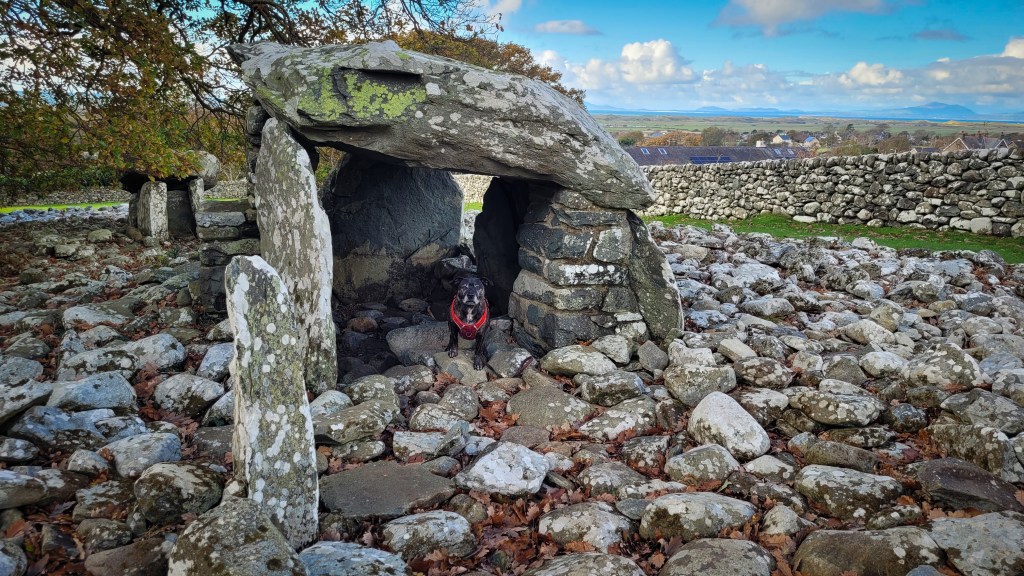
Dyffryn Ardudwy Neolithic Monument
On this page we provide historical records and images of the site, as well as archaeological information and excavation details.Grid Reference: SH58862284 Situated in the village of Dyffryn Ardudwy in Gwynedd, Wales are a pair of dolmens, (or cromlechs as they are often called in Wales), estimated to date to around 3500BC. Excavations in the…
-
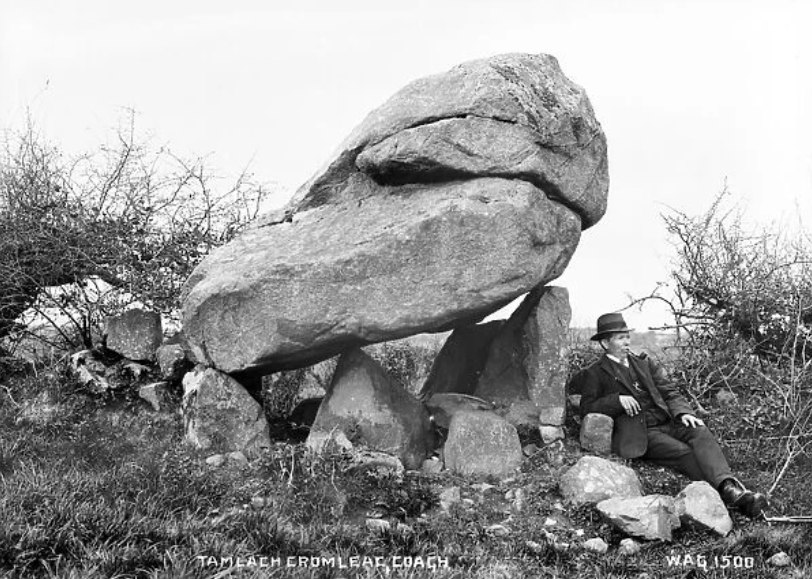
Tamlaght Cromlech, Coagh
This neolithic dolmen was photographed in 1914 by Robert John Welch. The stones had been used as a convenience for displaying notices of farm sales, so Welch used his skills in removing blemishes from glass negatives to remove the notices! We haven’t managed to find out much else regarding this monument, or if it even…
-
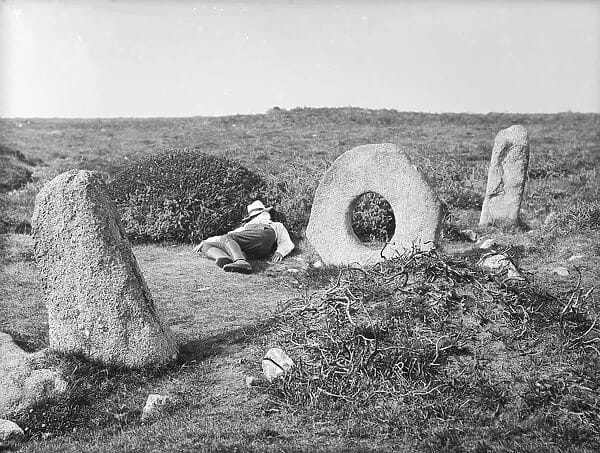
Mên-an-Tol
This formation of stones dates back to between 2,000-3,000 BC.. the late Neolithic or early Bronze-Age. Some believe that these stones have been rearranged at some point, and were once part of a stone circle, up to 18m in diameter. It has also been suggested that the holed stone could have been a capstone for…
-
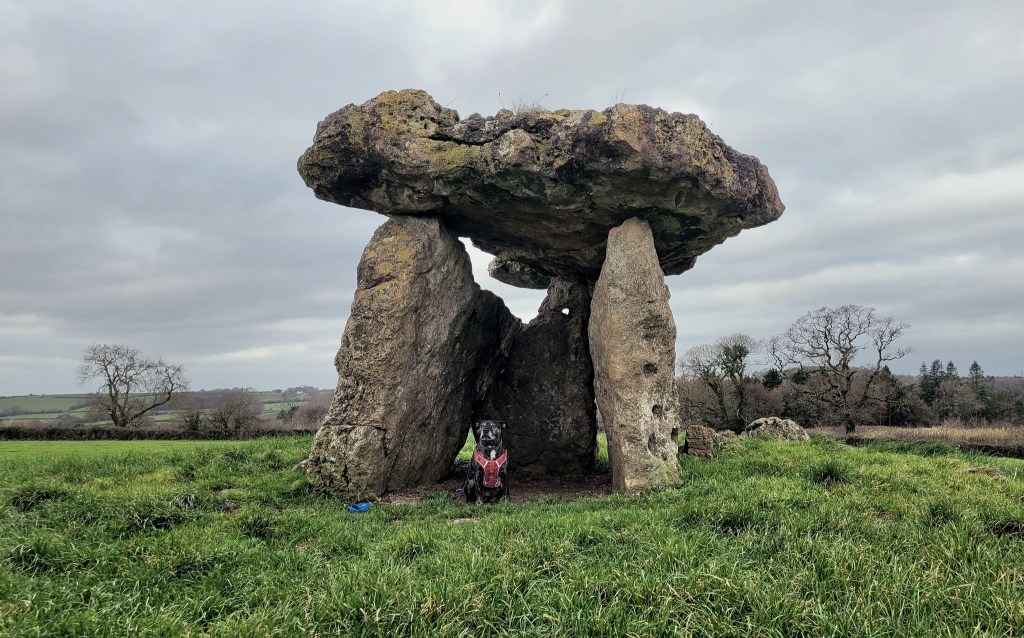
St Lythans Dolmen/Cromlech
Less than 10 miles from Cardiff city centre in Wales is the village of St. Lythans. Here is where we find a neolithic cromlech, otherwise known as Maes y felin (The mill field), named after the field in which it sits. Another name for the monument is Gwal y filiast, a name shared by a…
-
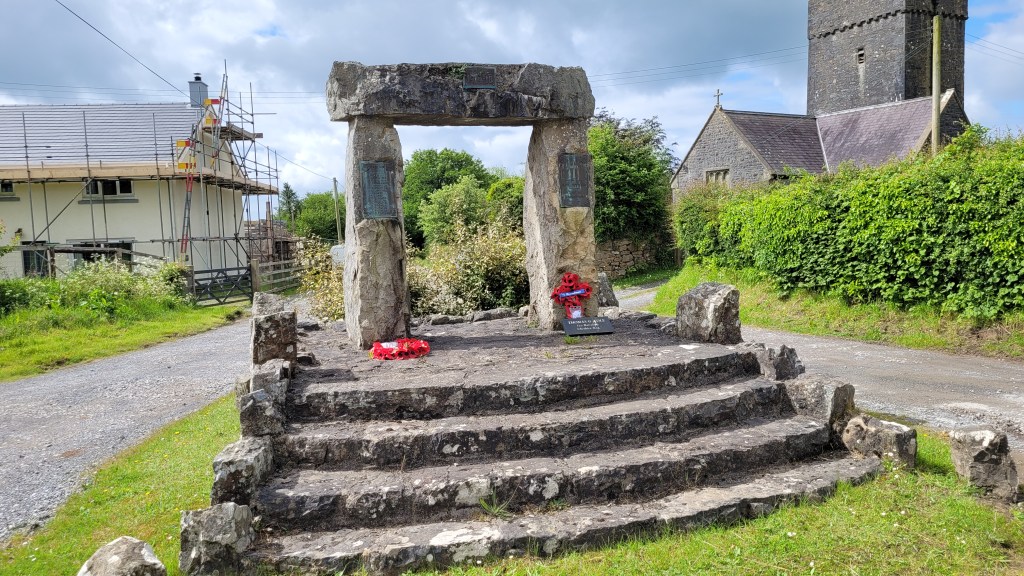
Marros War Memorial
The hamlet of Marros sits on the road between Pendine and Amroth in Carmarthenshire, Wales. Outside the church is a war memorial, built in 1930 and resembles a neolithic dolmen. Allegedly, the stones were brought from an ancient earthwork on Marros Mountain.. Coflein description: https://coflein.gov.uk/en/site/420645/
-
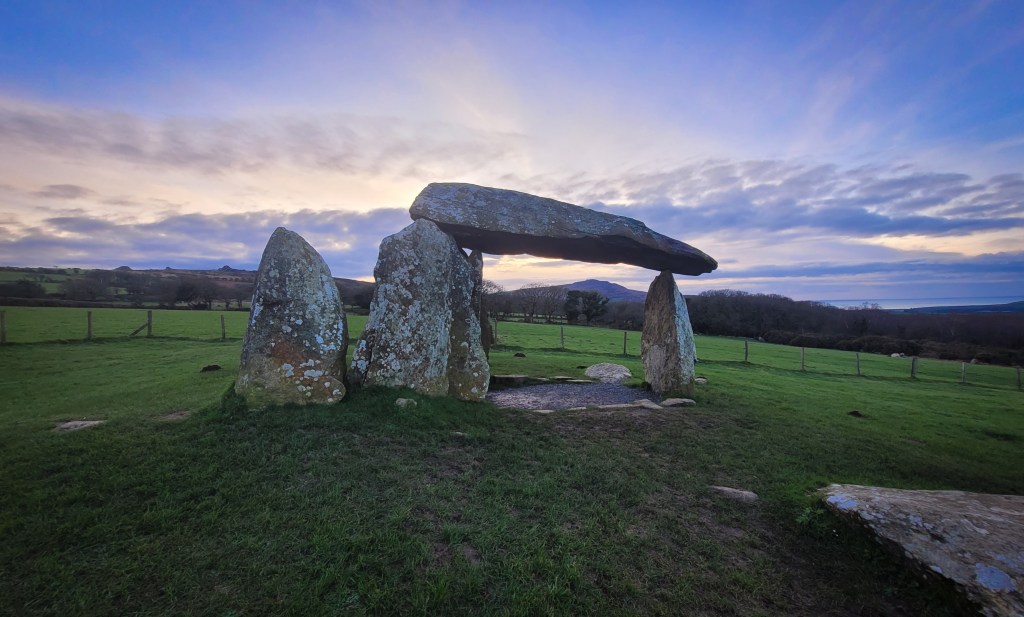
Pentre Ifan Old Records & Images
Pentre Ifan is a neolithic Portal Dolmen in Pembrokeshire, Wales. In this post, we’ll be covering the early antiquarian records of the monument, as well as the oldest photographs and illustrations. We will do a more general post regarding Pentre Ifan and its archaeology and legends. We cover the excavations that took place here in…
-
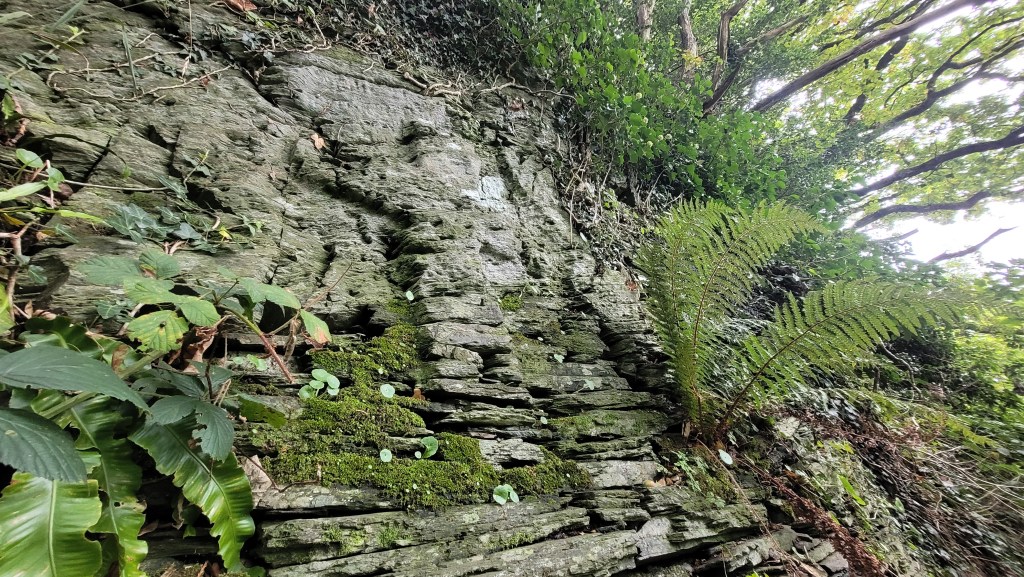
The Pilgrim’s Cross
The village of Nevern (Nanhyfer) in Pembrokeshire, Wales is steeped in history and legends. Carved directly into the rock face high above the village, the Pilgrim’s Cross is believed to date back to the early medieval period, when Nevern seems to have been an incredibly important spiritual place. In the medieval period, pilgrimage was a…
-
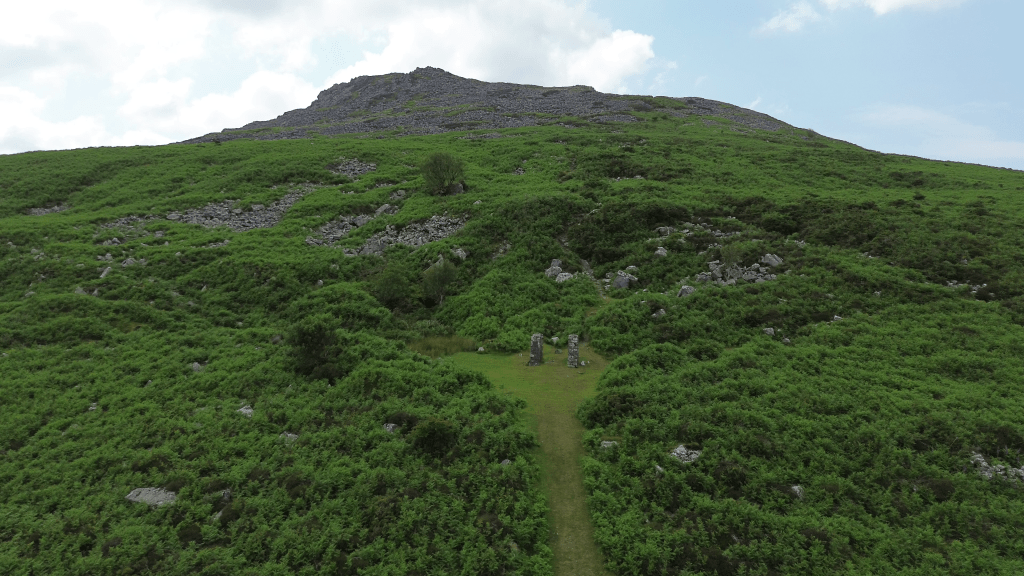
Carn Ingli – Angel Mountain
Mynydd Carningli is in the Preseli Hills of Pembrokeshire, Wales. This is an ancient volcano with a striking silhouette dominating the surrounding landscape. At the summit sits a vast Iron Age hillfort.. Amongst the lower slopes are scattered remains of Bronze Age occupation. Some features of the mountain may even go as far back as…
-
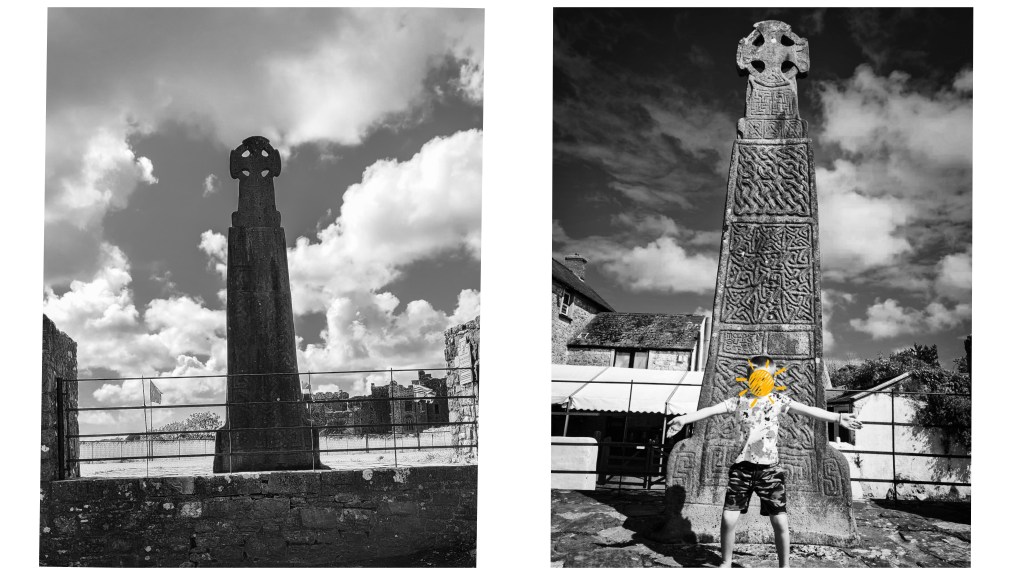
Carew Cross
The Carew Cross is an 11th century carved stone that today stands in the grounds of Carew Castle in Pembrokeshire, Wales. It stands at around 4 metres tall and is richly decorated with intricate patterns of interlacing knotwork, spirals and geometric motifs. The stone is thought to have been carved to commemorate Maredudd ab Edwin,…
-
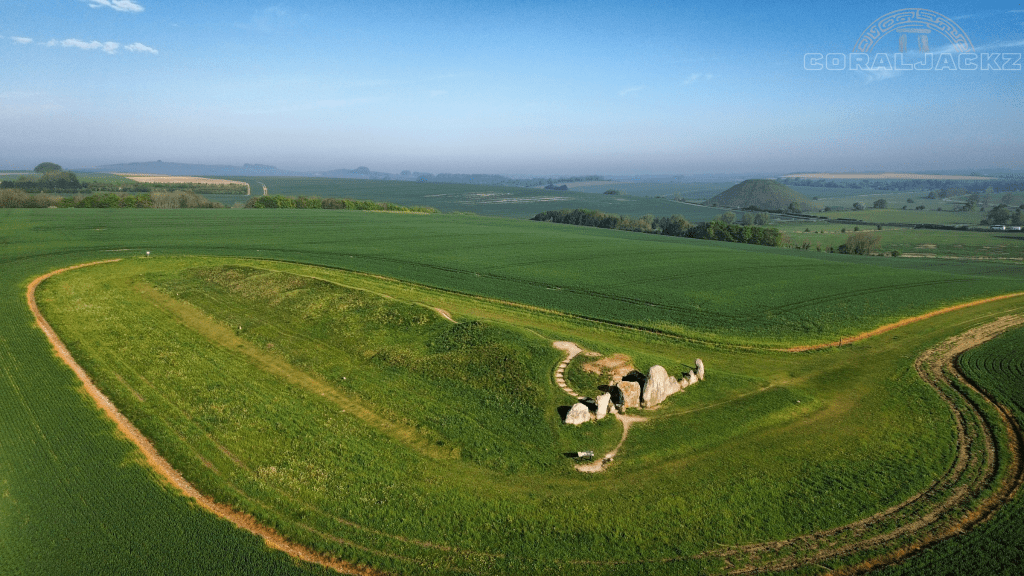
West Kennet Long Barrow
Located in Wiltshire, England. West Kennet is the largest chambered long barrow in Britain. The monument as we see it today is the result of reconstruction work after excavations took place in the 1950’s. Radio carbon dates from remains found during excavations in the 1950’s go back as far as 3600BCE to 3700BCE. Experts believe…
 CoralJackz - That History Couple