


Mên Scryfa

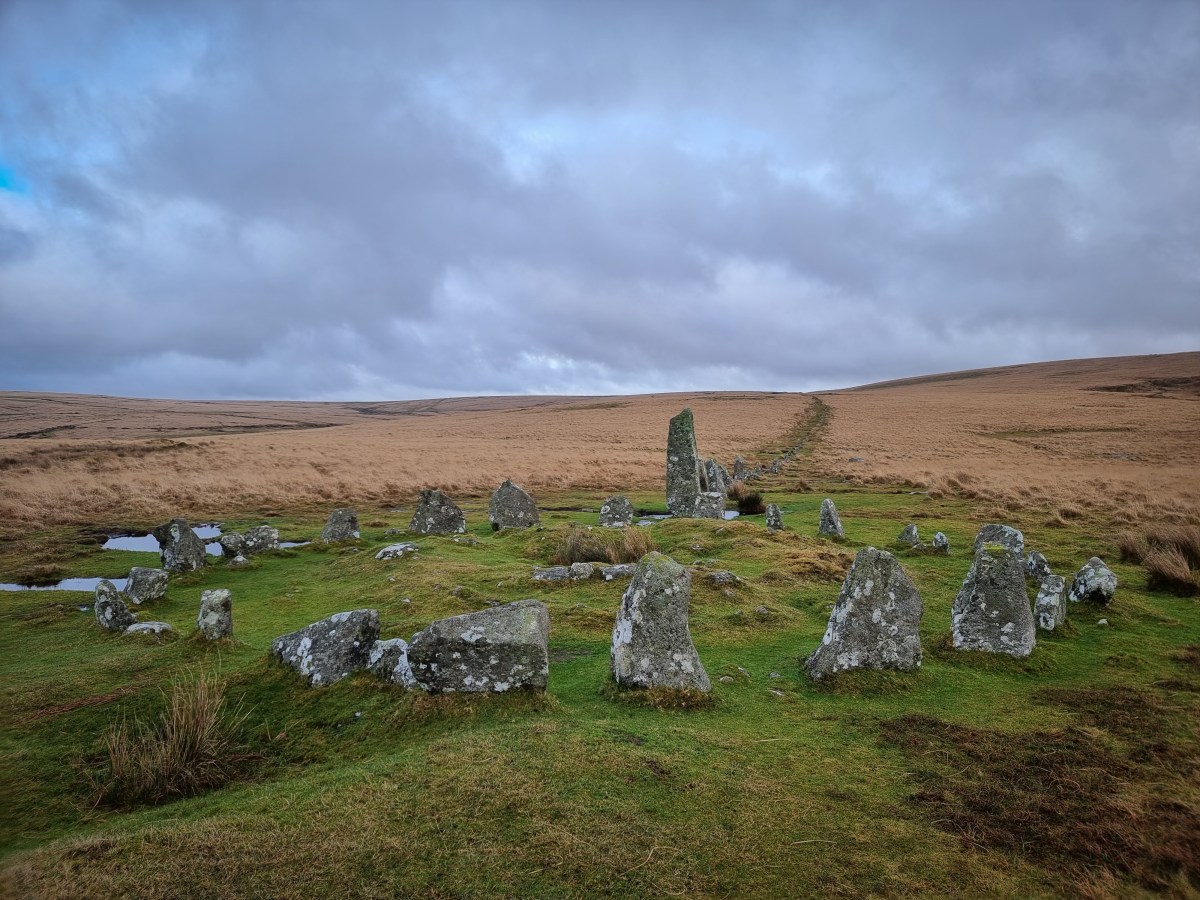
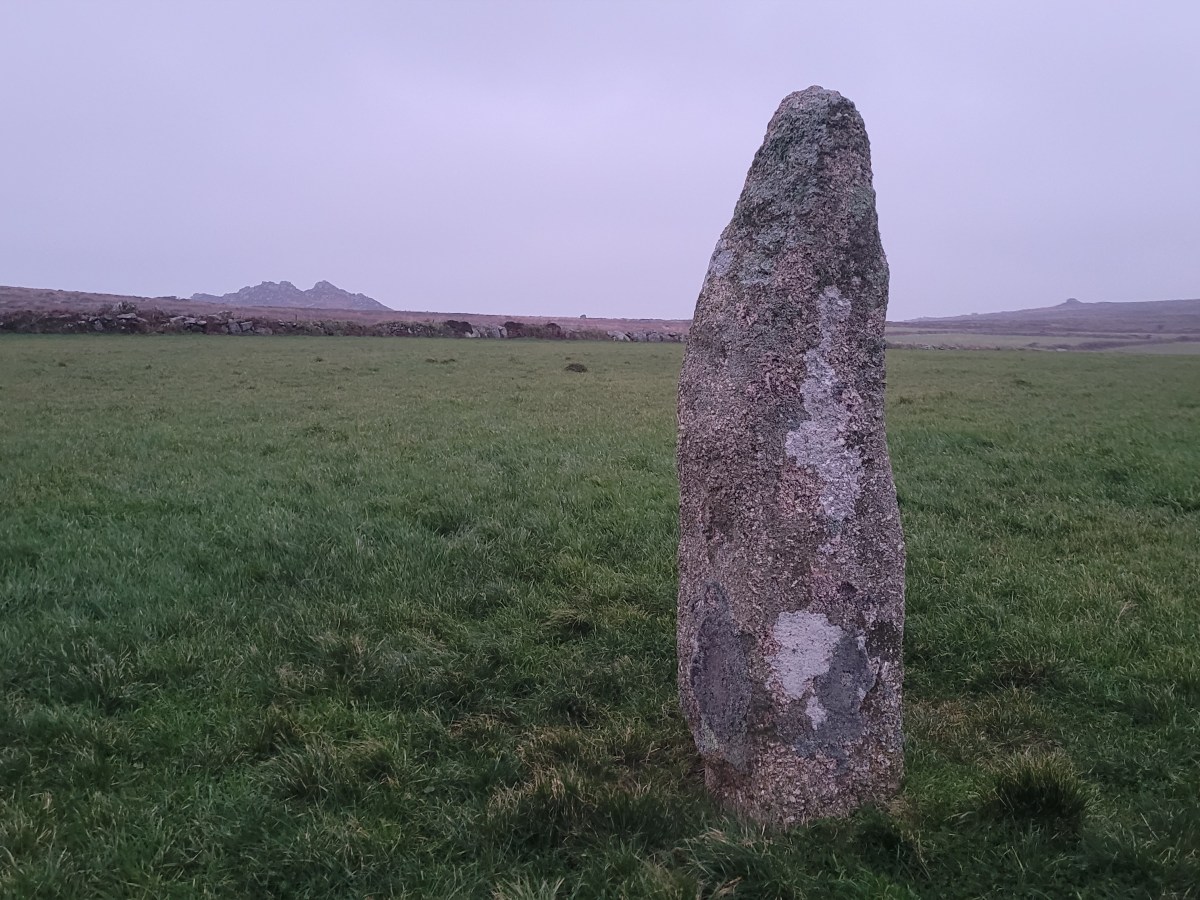
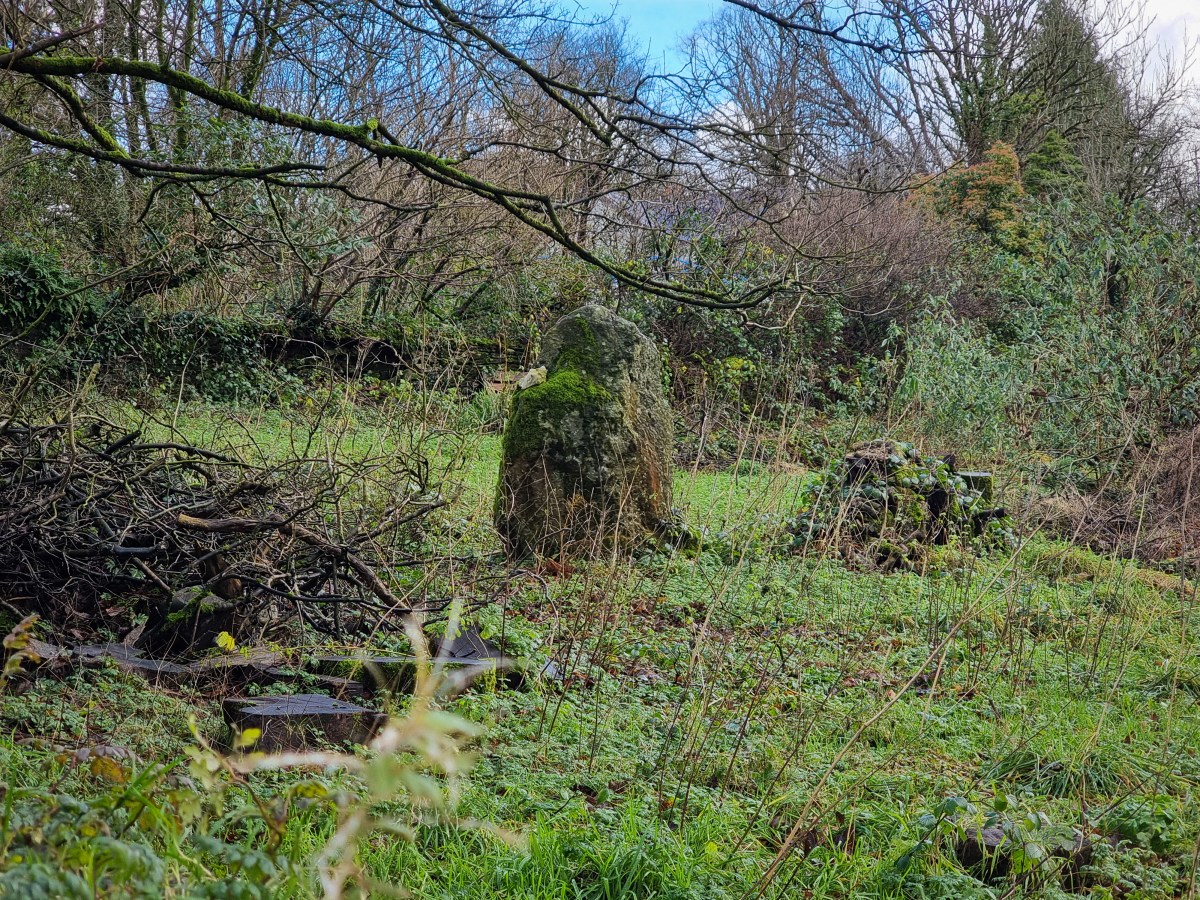
Mên Scryfa, meaning written, or inscribed stone in Cornish. This 1.8m tall stone was likely erected during the Bronze Age, but contains an inscription from the 5th or 6th century AD. This reads RIALOBRANI CVNOVALI FILI, a Latinised form of Cornish meaning ‘Royal Raven, Son of the famous leader’. Its said that a battle…

Read more…

Mulfra Quoit

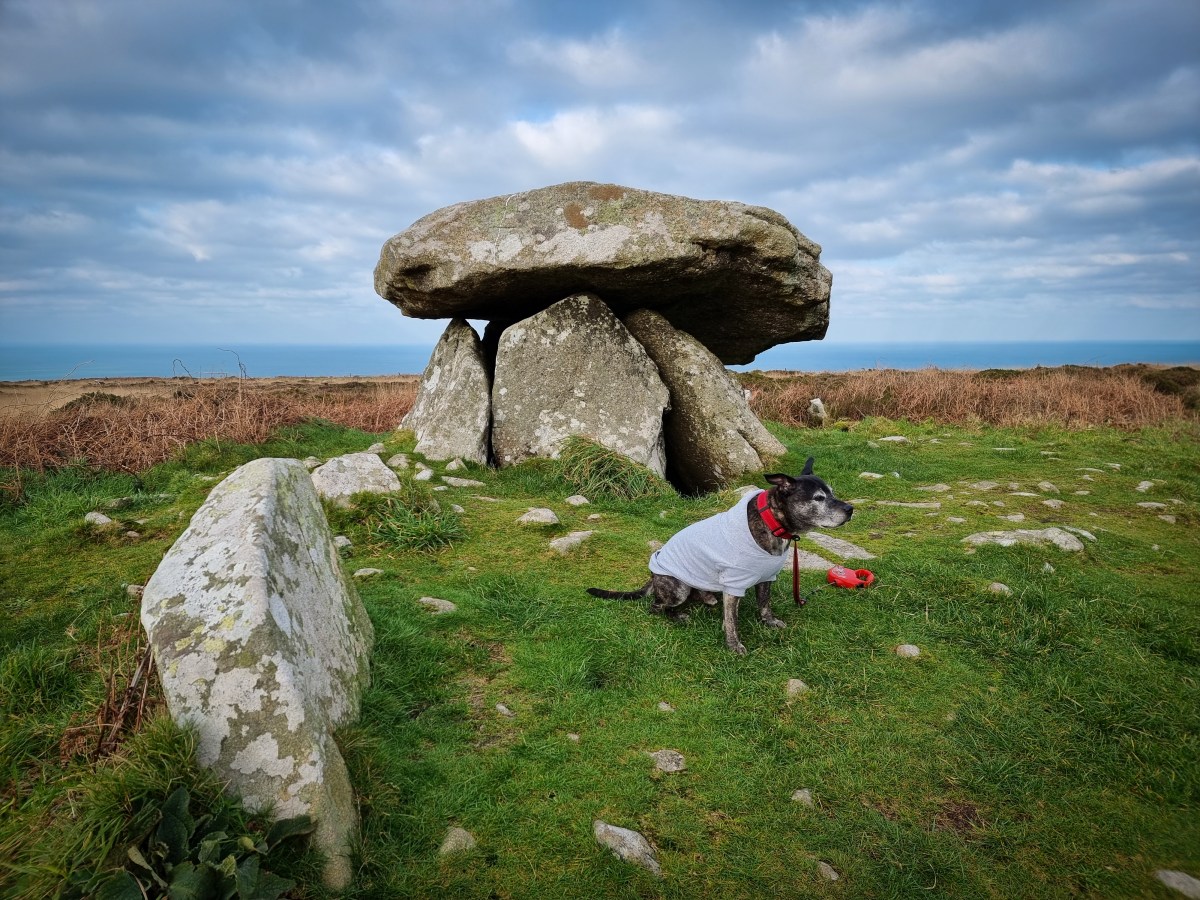
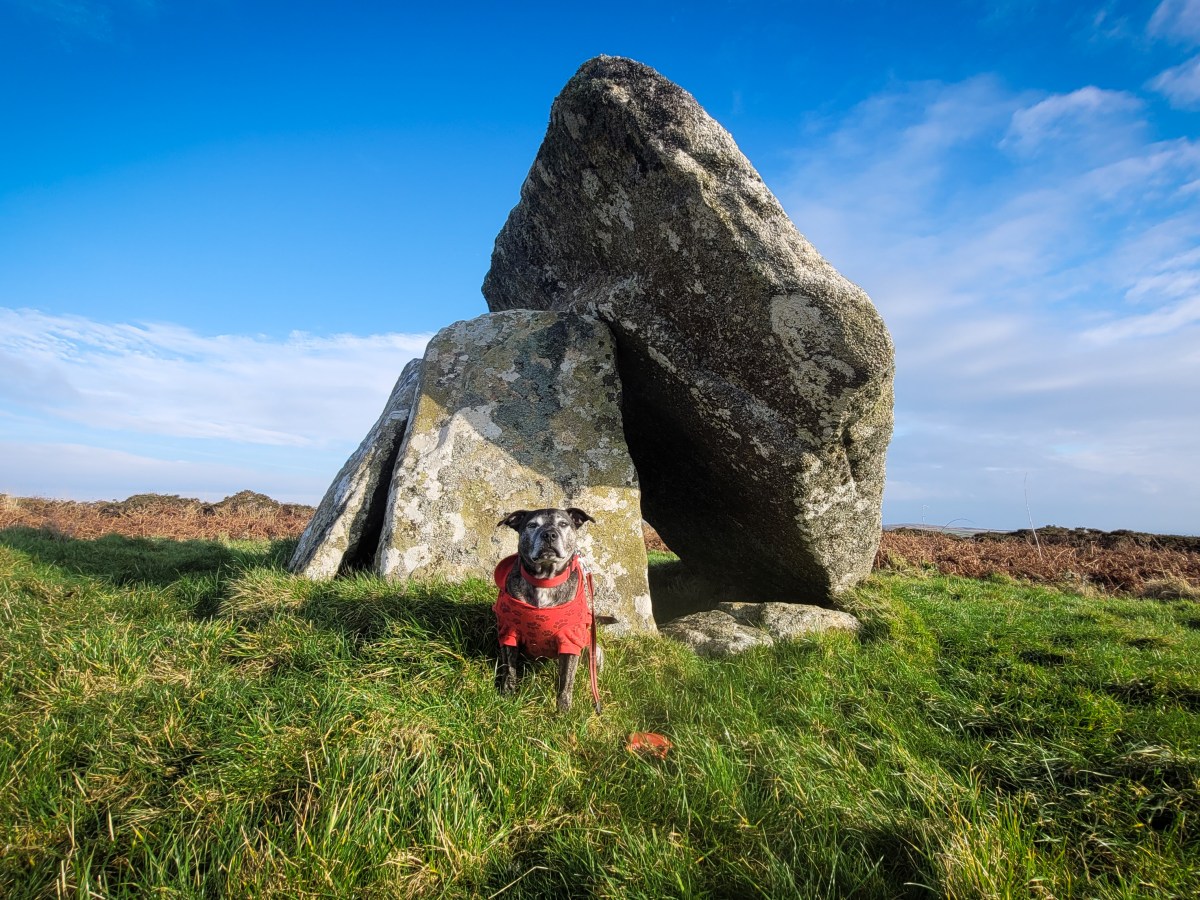
Neolithic cromlech on Mulfra Hill, Cornwall. It is unclear when the 5 tonne capstone slipped. There was a local story that the capstone fell during a thunderstorm in 1752. However, in the 19th century, antiquarian William Copeland Borlase confirms his great-great-grandfather, William Borlase had recorded the site in the same state as far back…

Read more…

Devil’s Quoit – Stackpole

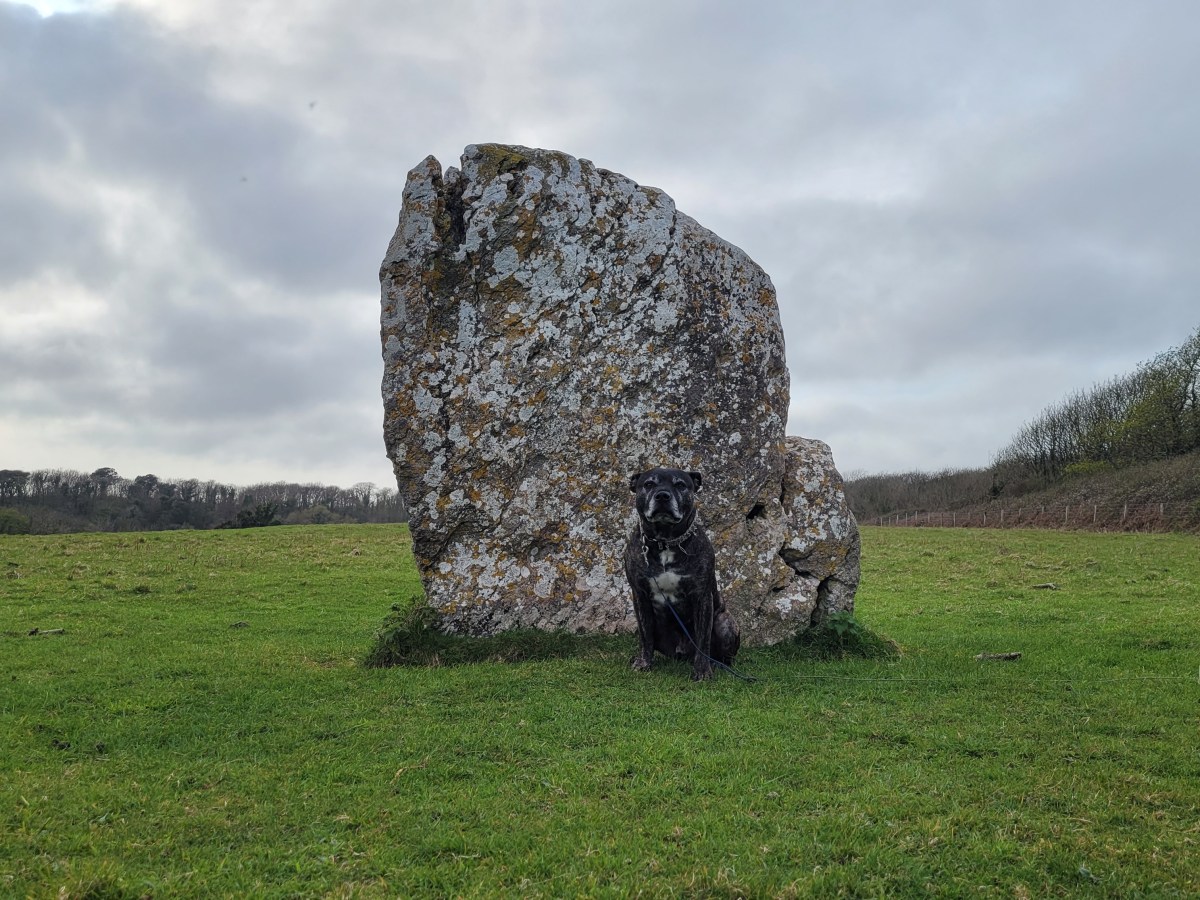
Grid Reference: SR9810095060 The Devil’s Quoit is a prehistoric standing stone, 1.7m tall, located in the Stackpole Warren Nature Reserve in Pembrokeshire, Wales. The landscape of Stackpole is rich in prehistoric history, and in the 1970s was subject to extensive excavations which revealed occupation from the Mesolithic Period through to the Romano-British Period and…

Read more…

Dolmen dit la Pierre de Rabelais

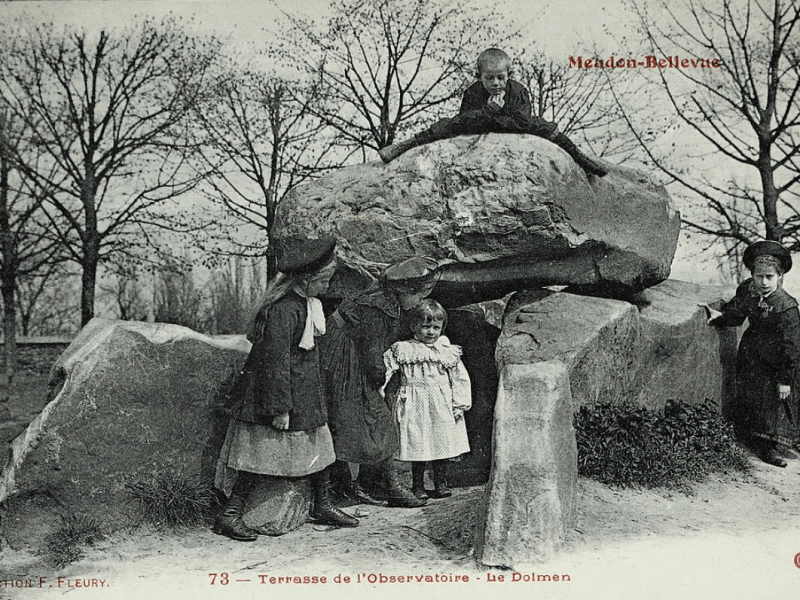
The slabs that make up this pseudo-dolmen were once part of a Neolithic Allée couverte, or ‘covered driveway’ type of dolmen commonly found in Brittany, Île-de-France and Aquitaine. John Peek writes in his ‘Inventaire des mégalithes de France’ (1975) that the original monument was discovered in 1845 during work for the great avenue of…

Read more…

Temple Druid Neolithic/Bronze Age remains

Temple Druid and Prysg Farm are home to a complex of Late Neolithic and Bronze Age monuments, including a possible henge enclosure, standing stones which are now scattered about, as well as the remains of one or more neolithic cromlechs. Temple Druid is a grade II listed John Nash house. The present house is…

Read more…

Dyffryn Ardudwy Neolithic Monument

On this page we provide historical records and images of the site, as well as archaeological information and excavation details.Grid Reference: SH58862284 Situated in the village of Dyffryn Ardudwy in Gwynedd, Wales are a pair of dolmens, (or cromlechs as they are often called in Wales), estimated to date to around 3500BC. Excavations in…

Read more…

Tamlaght Cromlech, Coagh

This neolithic dolmen was photographed in 1914 by Robert John Welch. The stones had been used as a convenience for displaying notices of farm sales, so Welch used his skills in removing blemishes from glass negatives to remove the notices! We haven’t managed to find out much else regarding this monument, or if it…

Read more…

Mên-an-Tol

This formation of stones dates back to between 2,000-3,000 BC.. the late Neolithic or early Bronze-Age. Some believe that these stones have been rearranged at some point, and were once part of a stone circle, up to 18m in diameter. It has also been suggested that the holed stone could have been a capstone…

Read more…

St Lythans Dolmen/Cromlech

Less than 10 miles from Cardiff city centre in Wales is the village of St. Lythans. Here is where we find a neolithic cromlech, otherwise known as Maes y felin (The mill field), named after the field in which it sits. Another name for the monument is Gwal y filiast, a name shared by…

Read more…

Something went wrong. Please refresh the page and/or try again.