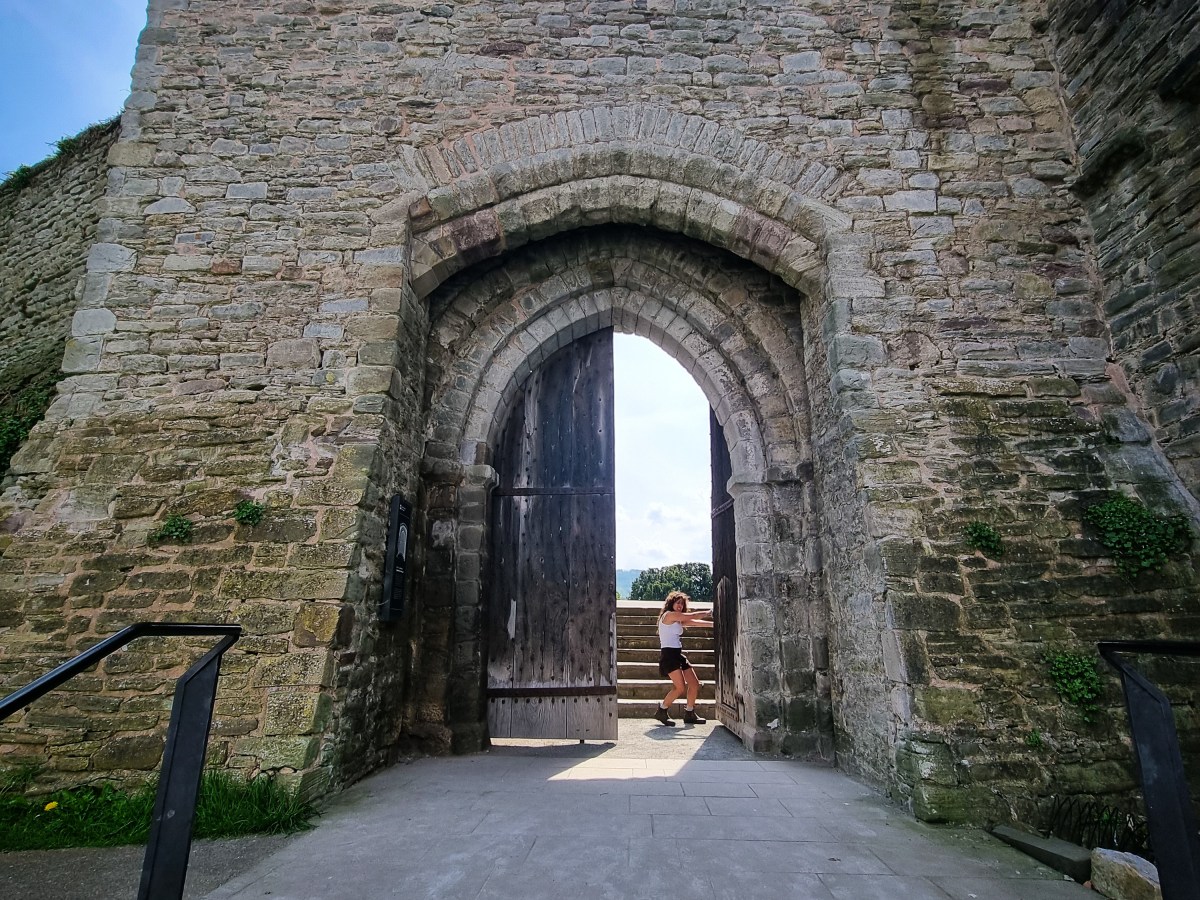


Medieval Gates of Hay Castle

The oak gates of Hay Castle in Wales are believed to be the oldest working defensive gates in Britain. Each gate is of a different construction, one dating to around the 14th century and the other around the 17th century. The castle was originally constructed as part of the Norman invasion of Wales, as…

Read more…

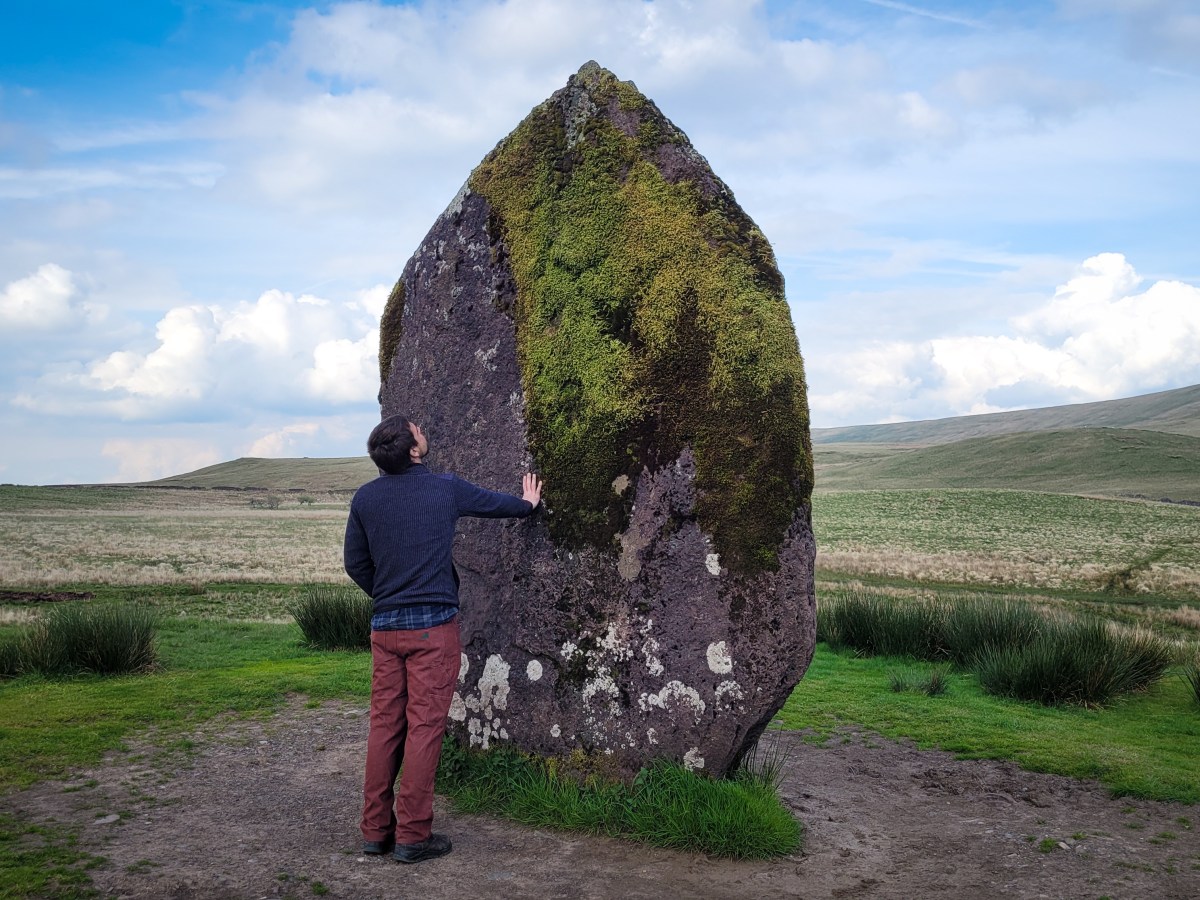
Maen Llia Standing Stone

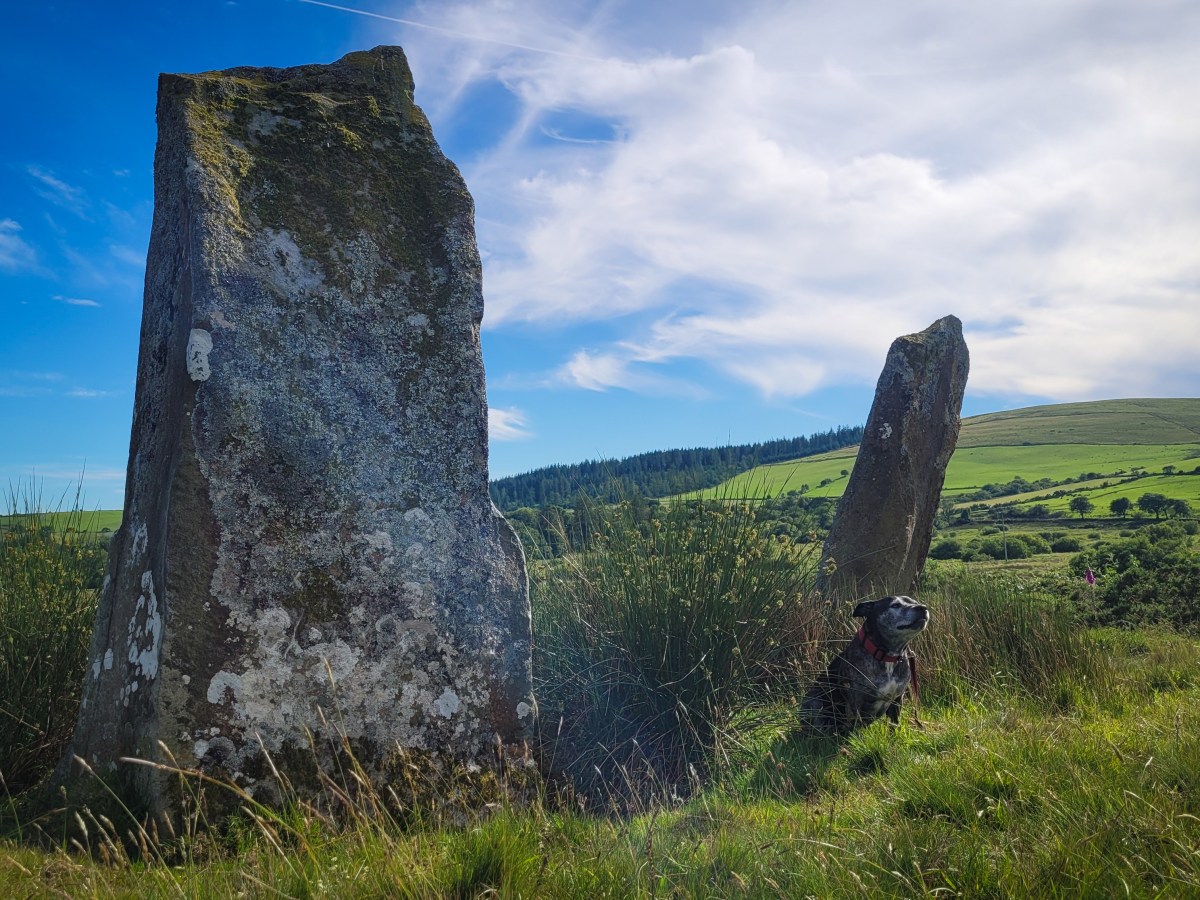
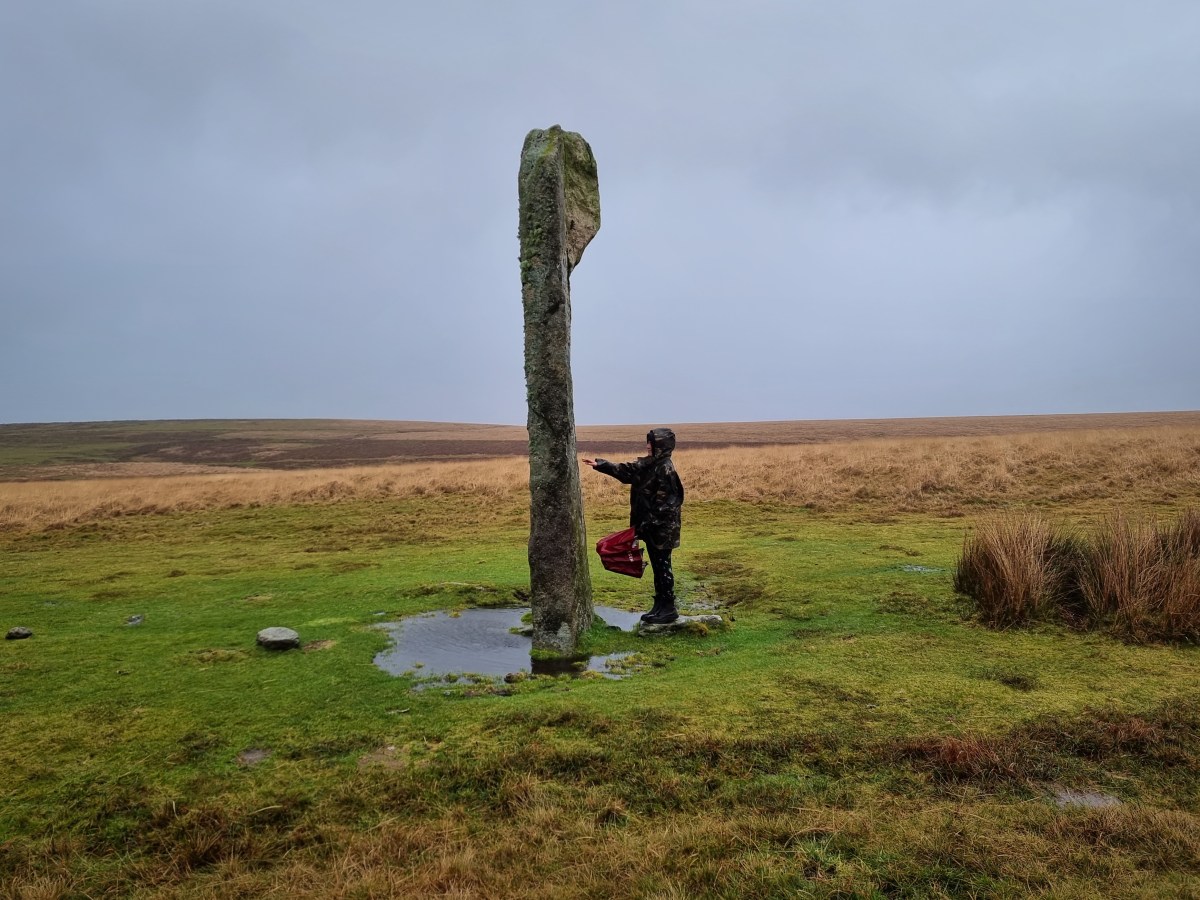
Situated in the Bannau Brycheiniog (Brecon Beacons) National Park in Powys, Wales is this 3.7m tall stone named Maen Llia. It sits on a stone and earth mound and is thought to have been erected in the late Neolithic or Early Bronze Age. There is a legend that the stone will sometimes go down…

Read more…

Drizzlecombe Bronze Age remains

Drizzlecombe is a complex of Bronze Age monuments located on the western side of Dartmoor in Devon, England. It consists of an extensive group of stone rows, standing stones (menhirs), cairns, as well as enclosed settlement sites which mainly spread across the slopes of Hartor Hill near the River Plym. The most striking features…

Read more…

Ogmore Castle

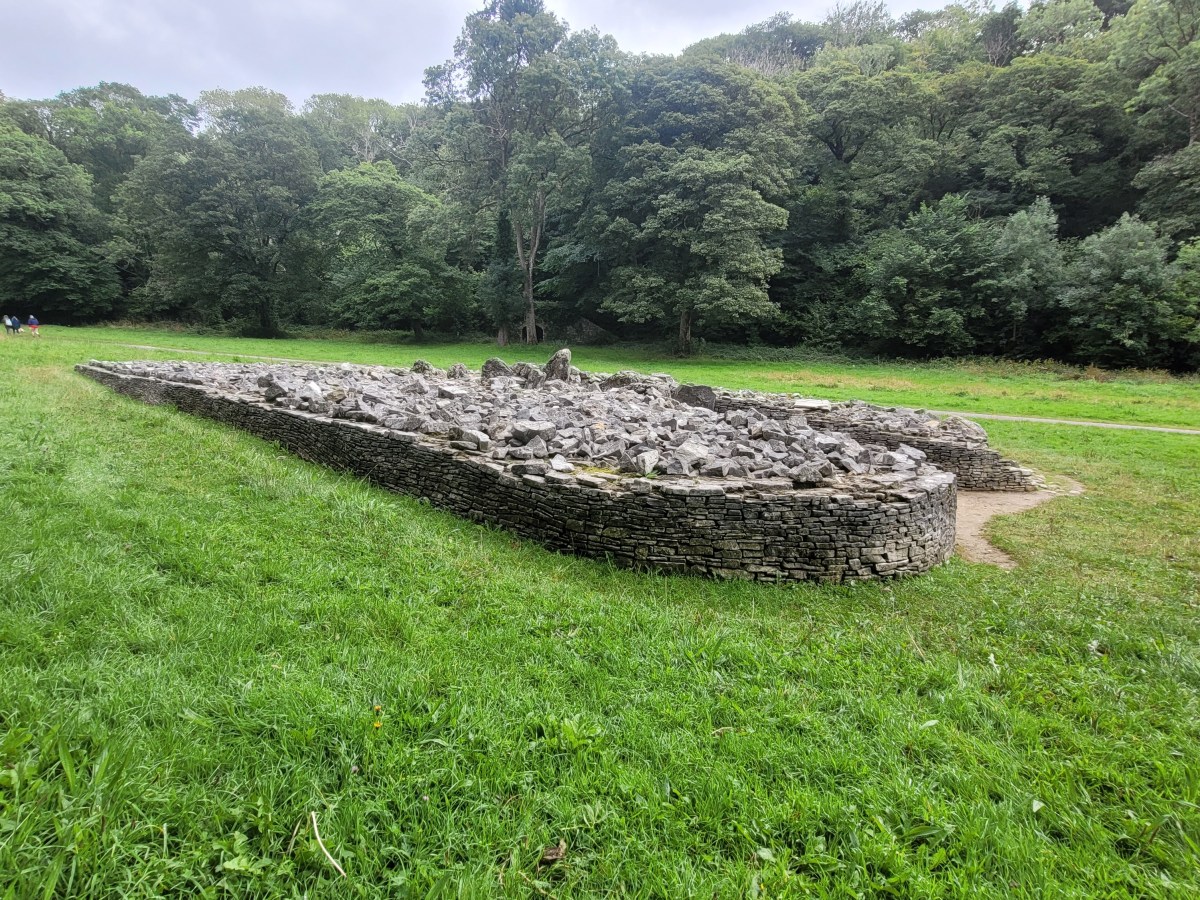
Ogmore Castle (Castell Ogwr) is located in the Vale of Glamorgan, Wales. The Castle was built by the Normans in the 12th century to guard Glamorgan against attacks from the Welsh in the west. This was part of a trio of castles including Newport and Coity. Construction began around the year 1106, first as…

Read more…

St Govan’s Chapel

St Govan’s Chapel – Pembrokeshire, Wales The ancient chapel is dedicated to St. Govan, thought to have been a celtic missionary from Ireland, who sailed to Wales late in his life to live as a hermit in a cave where the chapel now stands. There are some who believe Govan was actually Sir Gawain,…

Read more…

Hingston Hill/Down Tor Stone Circle

A 1145ft long stone row leading to a 36ft cairn circle in Dartmoor, England. There are 157 stones in the row, but may have originally been 174. Some of the stones had fallen and in 1894 were re-erected in their original sockets. This has been described as one of the most magnificent of all…

Read more…

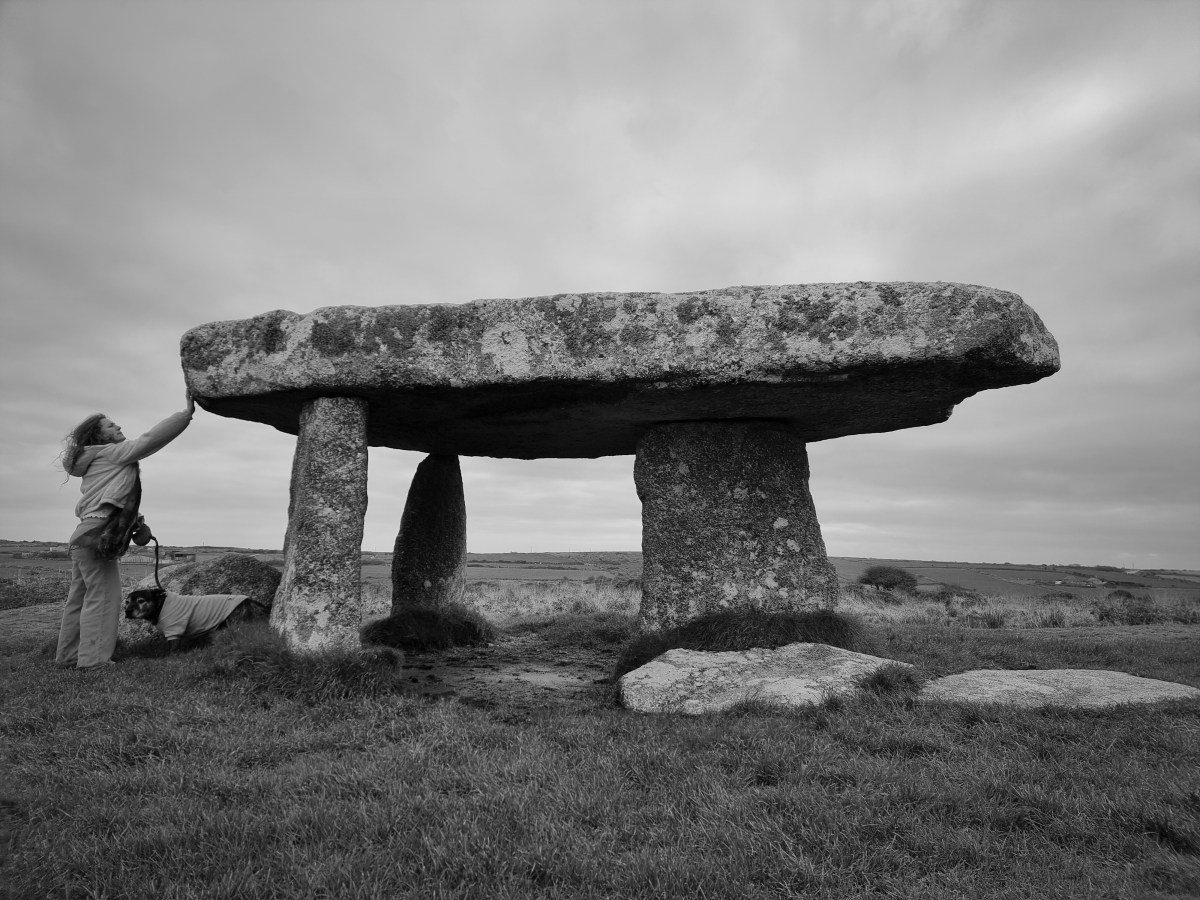
Chun Quoit

Neolithic monument in Cornwall. Just above Chun Quoit is Chun Castle, an Iron Age fortification. The name ‘Chun’, or more correctly in Cornish, ‘Chûn’ or ‘Chuûn’ and pronounced ‘Choone’ comes from ‘Chy-an-Woone’ or ‘Chywoone’ meaning ‘the House on the Downs’. In 1872 William Copeland Borlase records Chun Quoit in his book, ‘Naenia Cornubiae’, but…

Read more…

Zennor Quoit

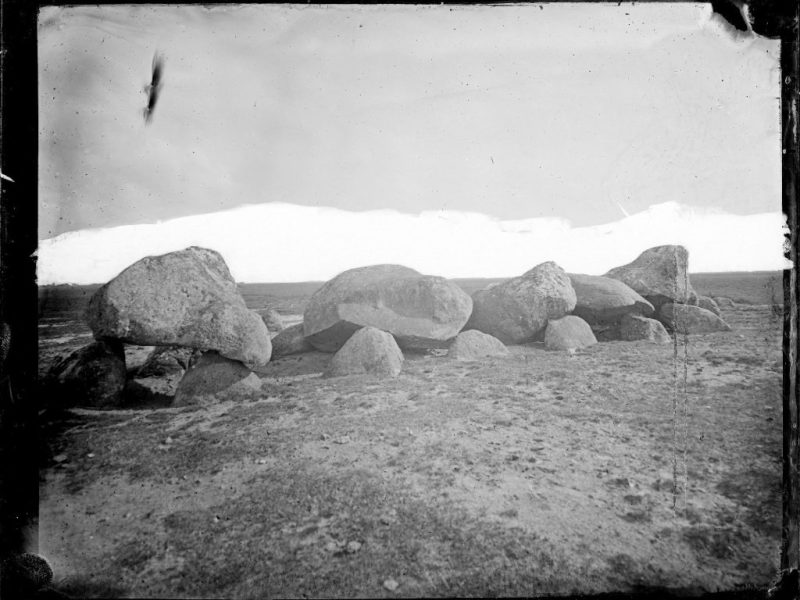
Other names – Senor, Senar Quoit Zennor Quoit is an impressive neolithic monument in the village of Zennor (or Pluw Senar), in Cornwall. Unfortunately the massive cap-stone has fallen, which happened sometime between 1770 and 1765. Legend claims that any stone removed from the Quoit will find its way back overnight. This was put…

Read more…

Mên Scryfa

Mên Scryfa, meaning written, or inscribed stone in Cornish. This 1.8m tall stone was likely erected during the Bronze Age, but contains an inscription from the 5th or 6th century AD. This reads RIALOBRANI CVNOVALI FILI, a Latinised form of Cornish meaning ‘Royal Raven, Son of the famous leader’. Its said that a battle…

Read more…

Mulfra Quoit

Neolithic cromlech on Mulfra Hill, Cornwall. It is unclear when the 5 tonne capstone slipped. There was a local story that the capstone fell during a thunderstorm in 1752. However, in the 19th century, antiquarian William Copeland Borlase confirms his great-great-grandfather, William Borlase had recorded the site in the same state as far back…

Read more…

Something went wrong. Please refresh the page and/or try again.