
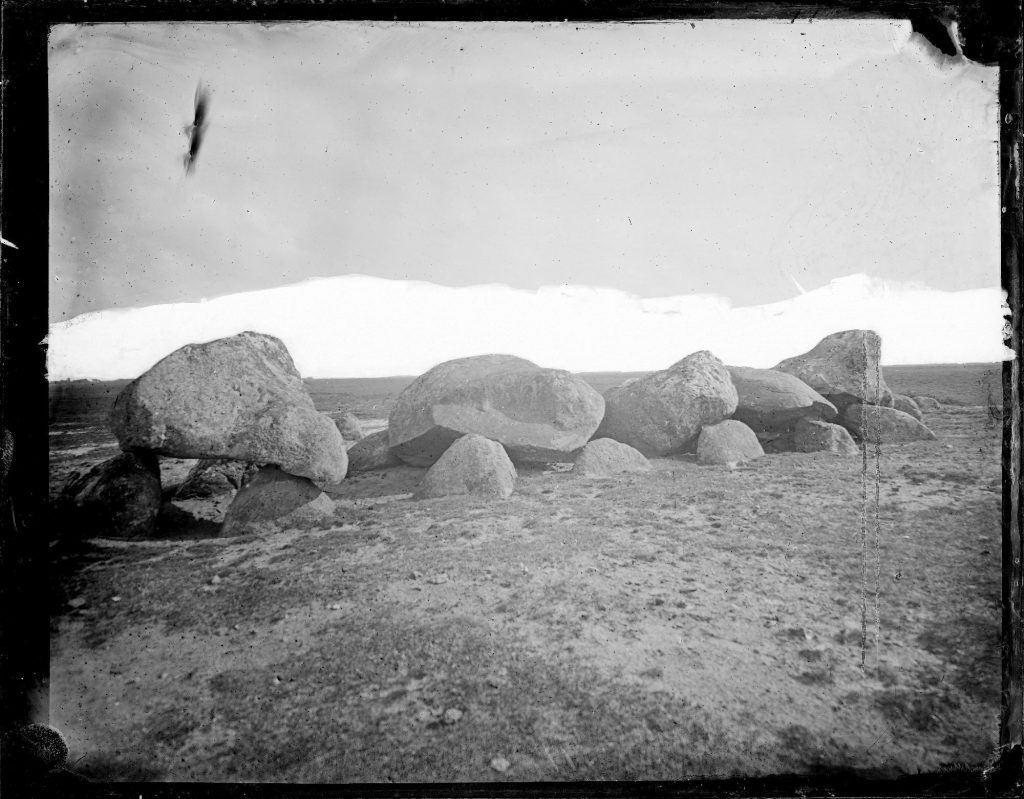

The Dutch term for a Neolithic Dolmen is ‘Hunebed’, which translates roughly to ‘Giant’s Bed’. Today, there are 54 Hunebedden in the Netherlands which are preserved.
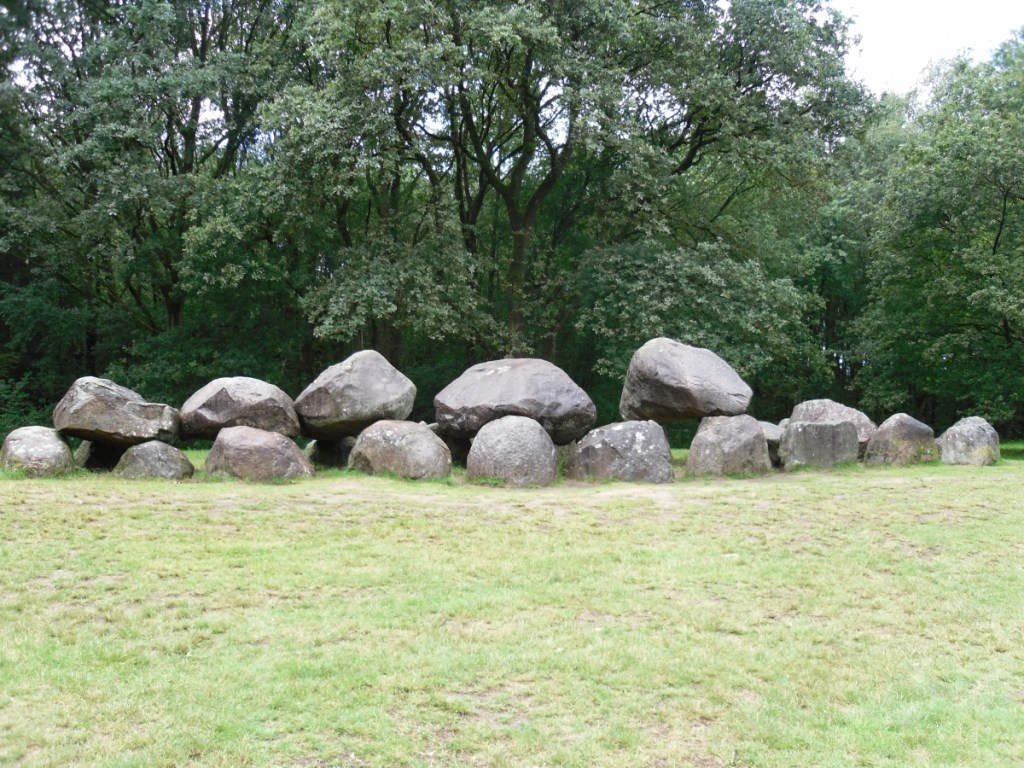
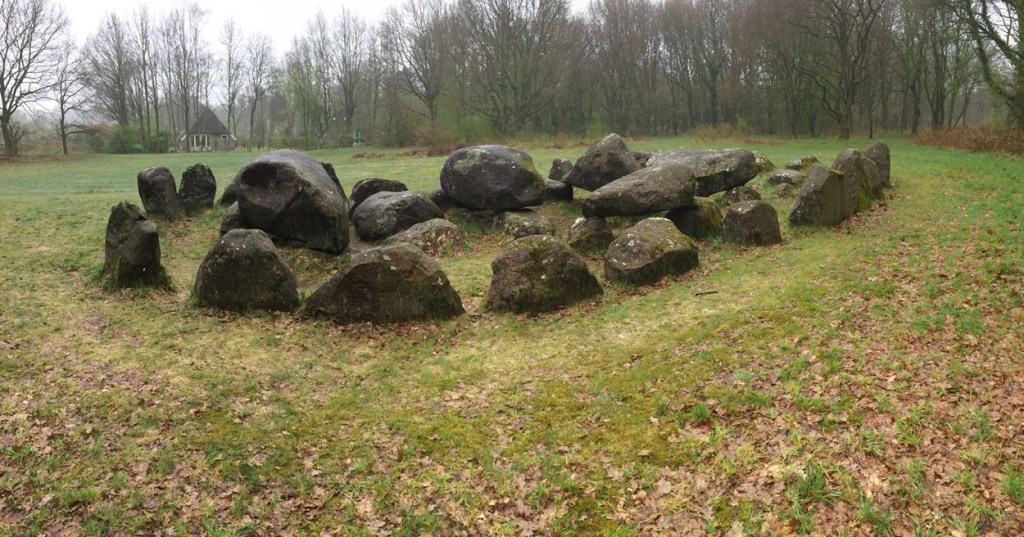
The Dolmens of Drouwern, also named D19 and D20, are of a similar size and sit close to each other in a quiet park in the small village of Drouwen, Netherlands. D19 is approximately 15.5 meters long and 3.5 meters wide. D20 is around 11.3 meters long and 3.4 meters wide.
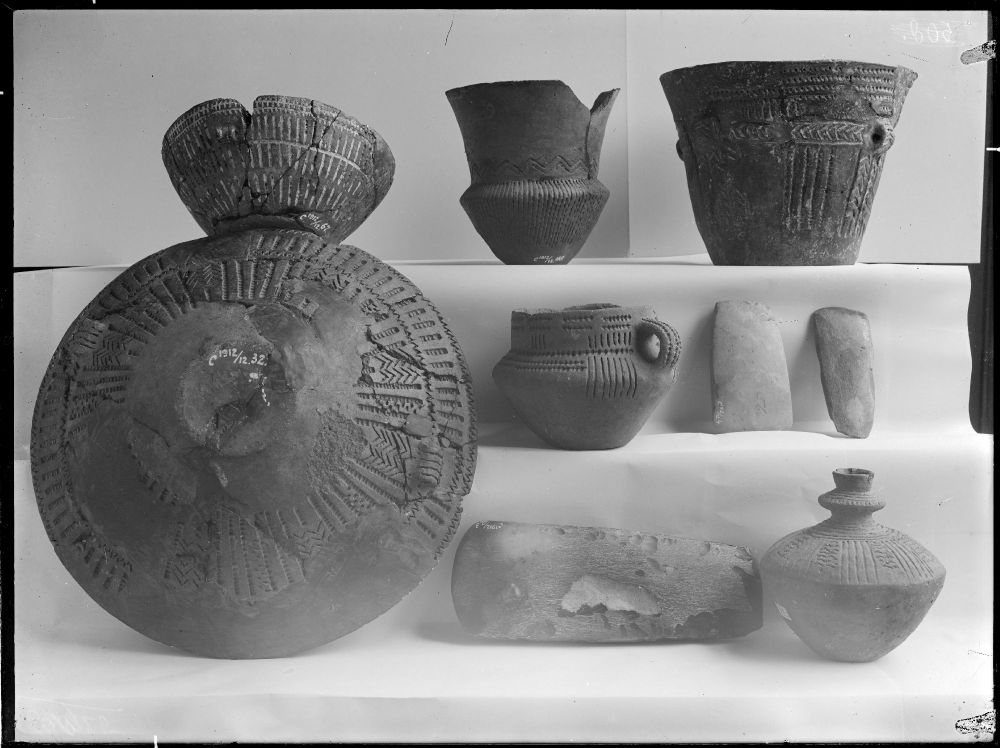
Leiden archaeologist Jan Hendrik Holwerda led excavations at the site in 1912. Finds from D19 include remains of around 400 pottery pots, 13 flint axes, flint arrowheads, knives and scrapers, 9 amber beads, 6 strips of copper (thought to be some of the oldest metal objects found in the Netherlands) and fragments of human bone and tooth. The range of finds indicate that D19 had been used for a long period of time. At D20, among a small number of finds were cremation remains.
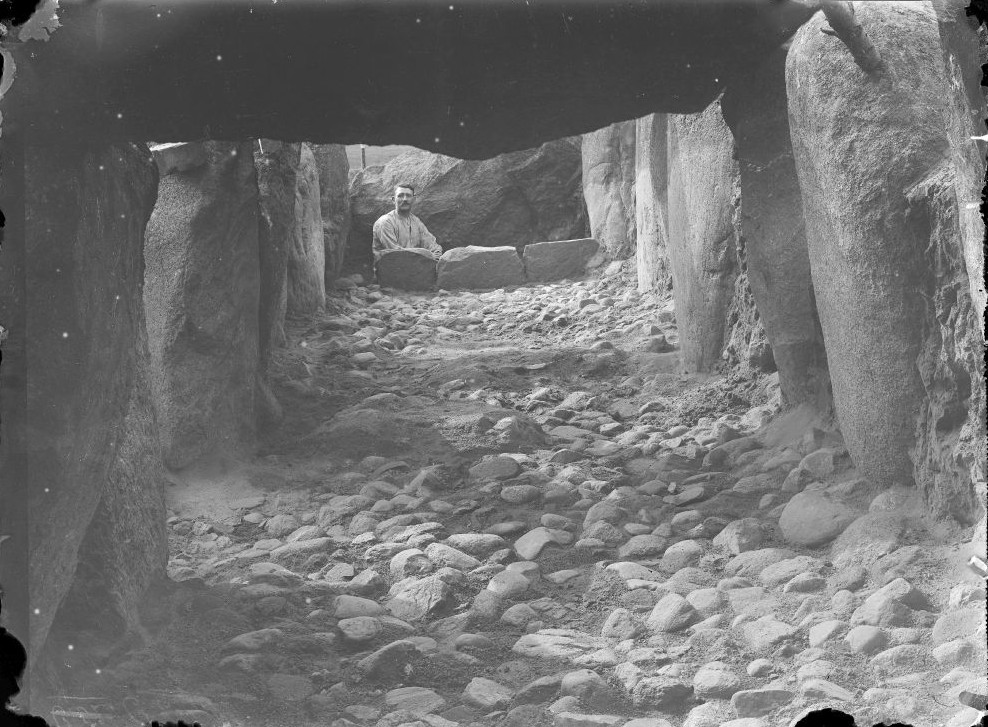
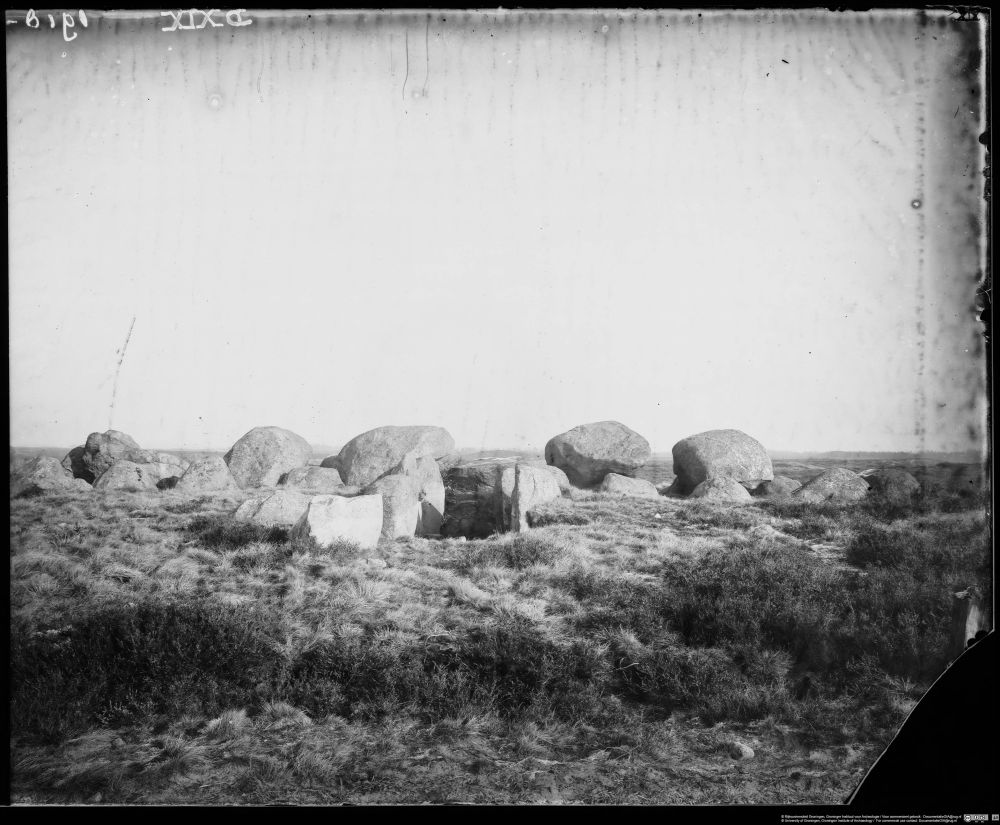
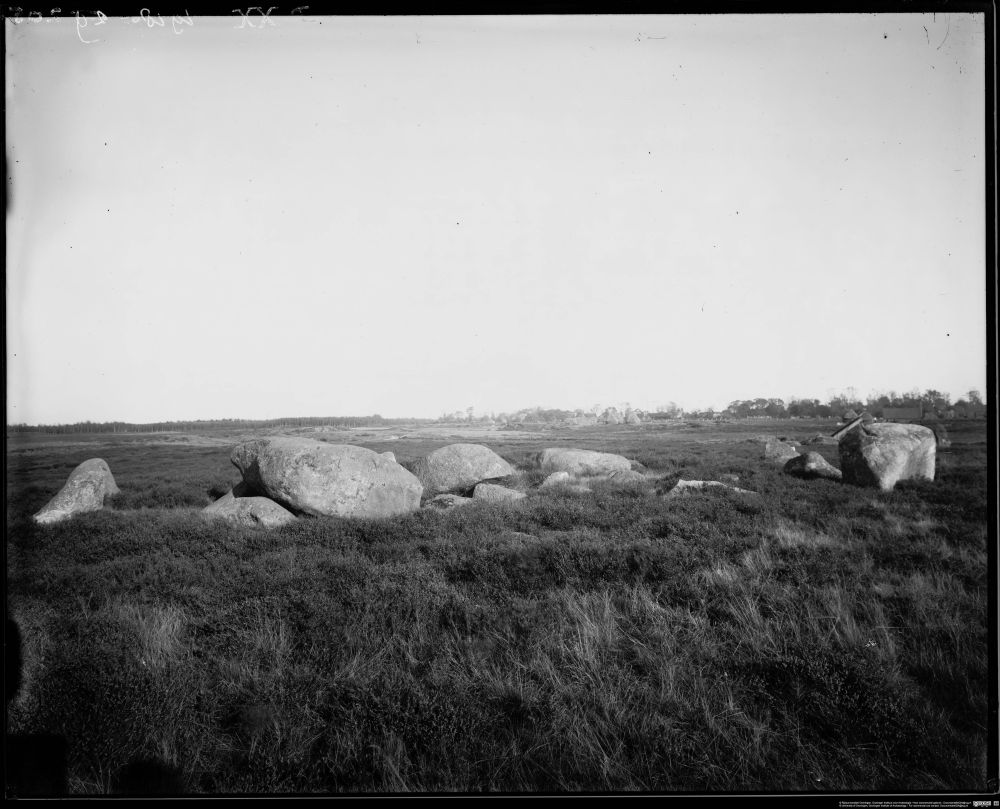
In 1918, Van Giffen described D19 as being in a very disturbed state. In 1961-1962, the National Office for Antiquity Soil Research carried out further research and a partial restoration of the monument. Further restorations took place in 1998, where split capstones were reassembled, cracks with cement were stabilized and other large stones placed where they were thought to have originally been.
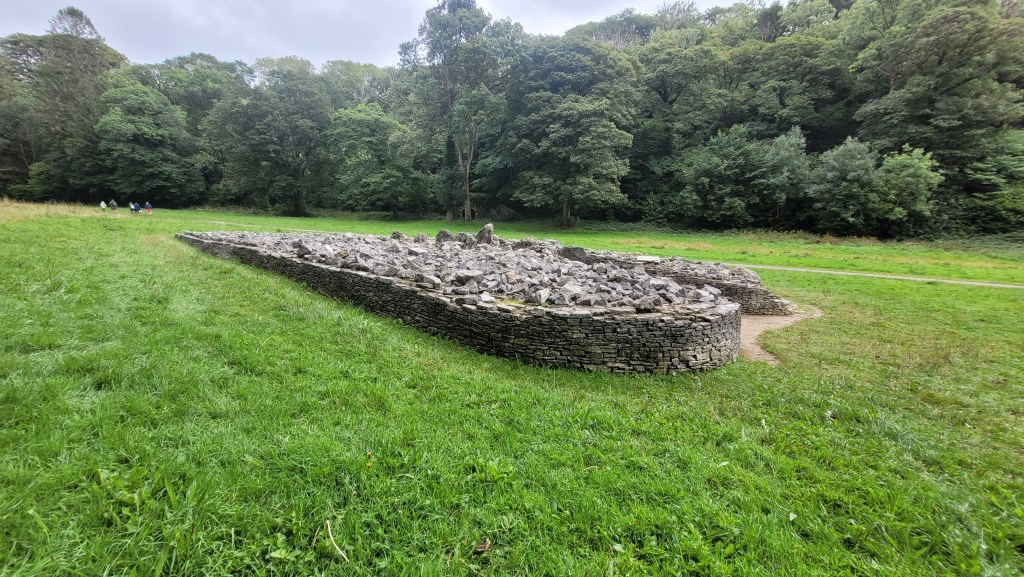
Here are the monuments in modern times, photos credited to https://www.megalithic.co.uk


Leave a Reply