
excavation
-
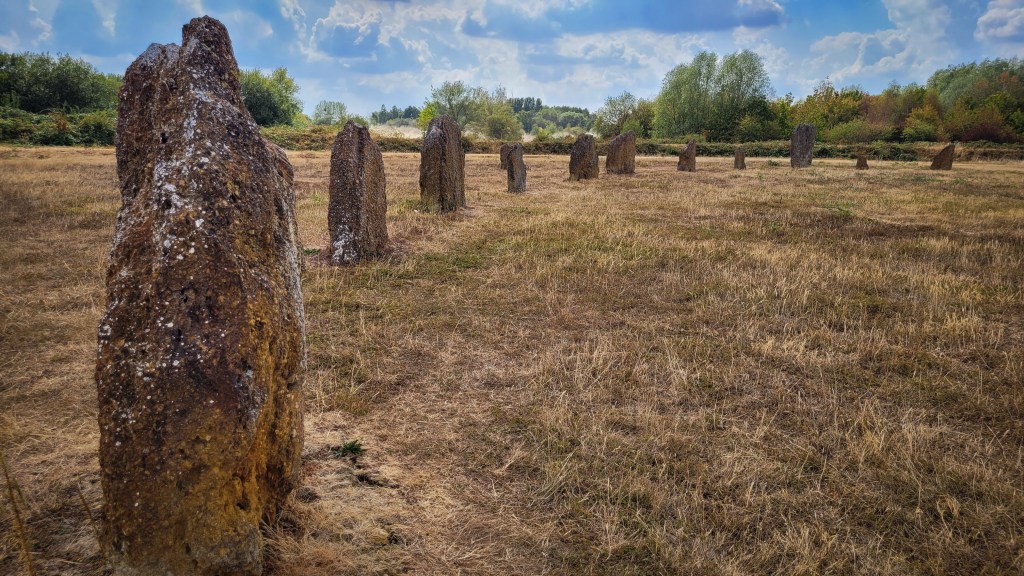
The Devil’s Quoits
The Devil’s Quoits is a reconstructed prehistoric stone circle and henge near Stanton Harcourt in Oxfordshire.. The henge is of Late Neolithic date, although there is some uncertainty about the relative dating of the stone circle and the central stone setting. Both may have been constructed in the Early Bronze Age, after the henge had…
-
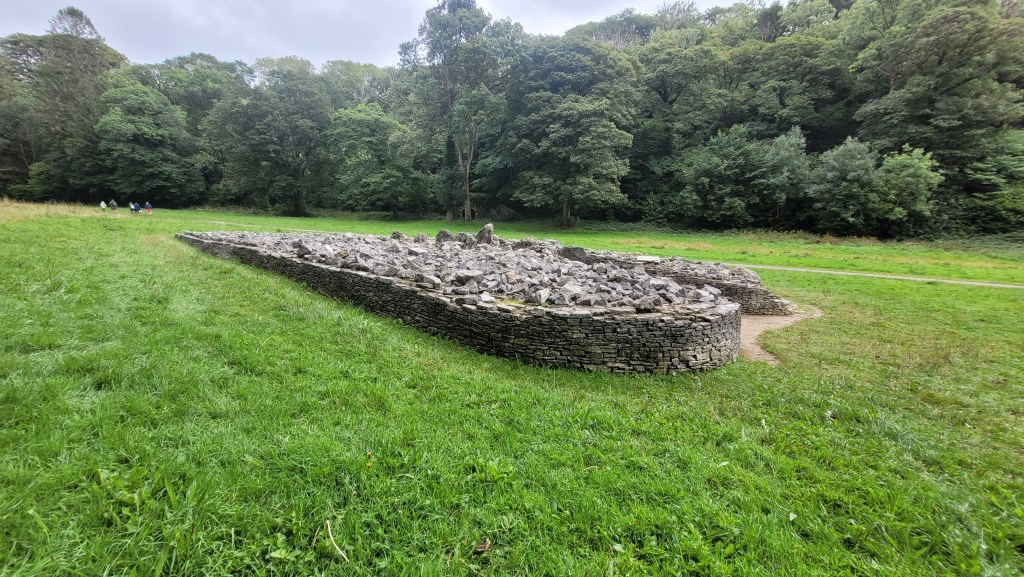
Parc Cwm Long Cairn
Map Ref: SS53738984 Parc Cwn long cairn, also known as Parc le Breos burial chamber is a partly restored Neolithic chambered tomb located on the Gower Peninsula, Wales. Professor Glyn Daniel writes that the monument was discovered in 1869. “Workmen, robbing the barrow to obtain stone for roadmaking, came across the chamber and found portions…
-
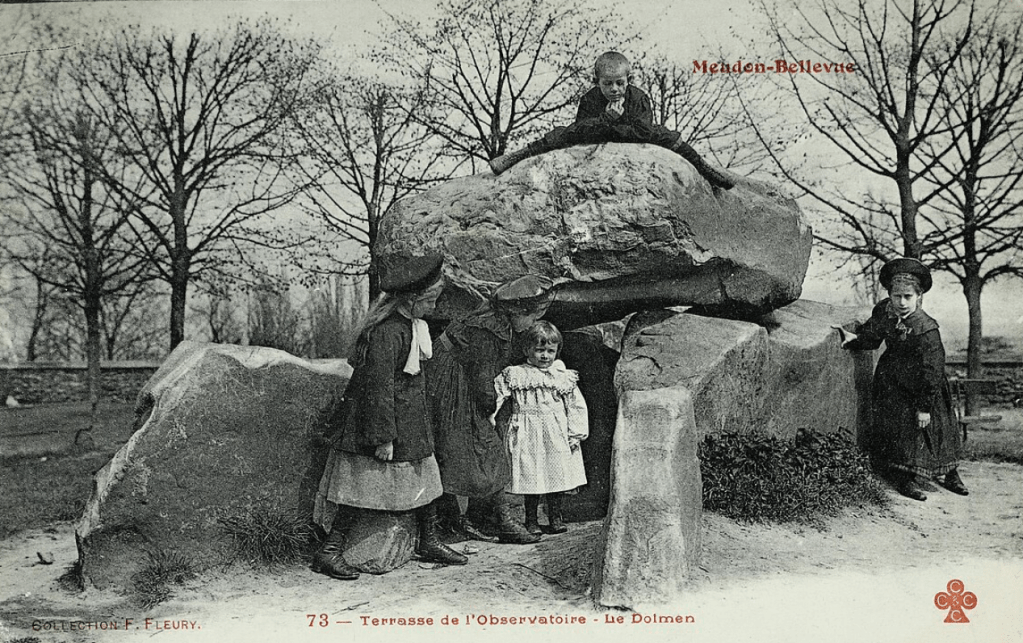
Dolmen dit la Pierre de Rabelais
The slabs that make up this pseudo-dolmen were once part of a Neolithic Allée couverte, or ‘covered driveway’ type of dolmen commonly found in Brittany, Île-de-France and Aquitaine. John Peek writes in his ‘Inventaire des mégalithes de France’ (1975) that the original monument was discovered in 1845 during work for the great avenue of the…
-
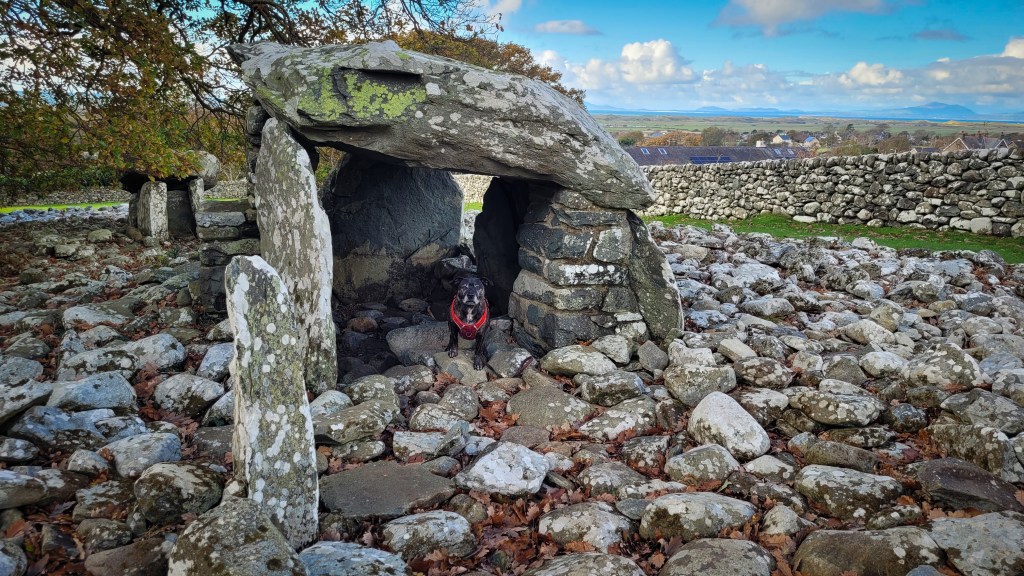
Dyffryn Ardudwy Neolithic Monument
On this page we provide historical records and images of the site, as well as archaeological information and excavation details.Grid Reference: SH58862284 Situated in the village of Dyffryn Ardudwy in Gwynedd, Wales are a pair of dolmens, (or cromlechs as they are often called in Wales), estimated to date to around 3500BC. Excavations in the…
-
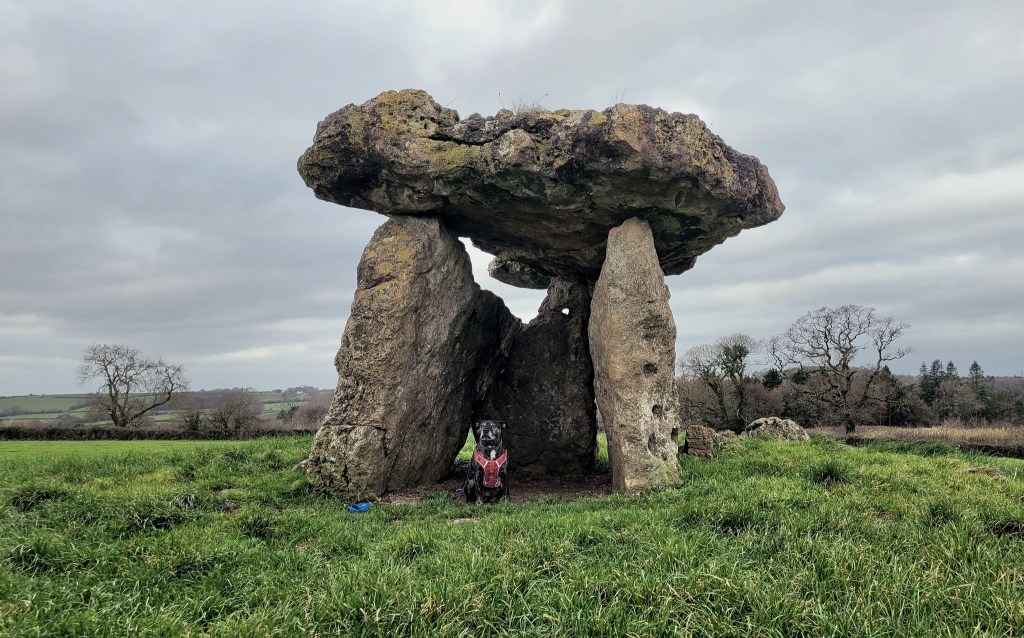
St Lythans Dolmen/Cromlech
Less than 10 miles from Cardiff city centre in Wales is the village of St. Lythans. Here is where we find a neolithic cromlech, otherwise known as Maes y felin (The mill field), named after the field in which it sits. Another name for the monument is Gwal y filiast, a name shared by a…
-
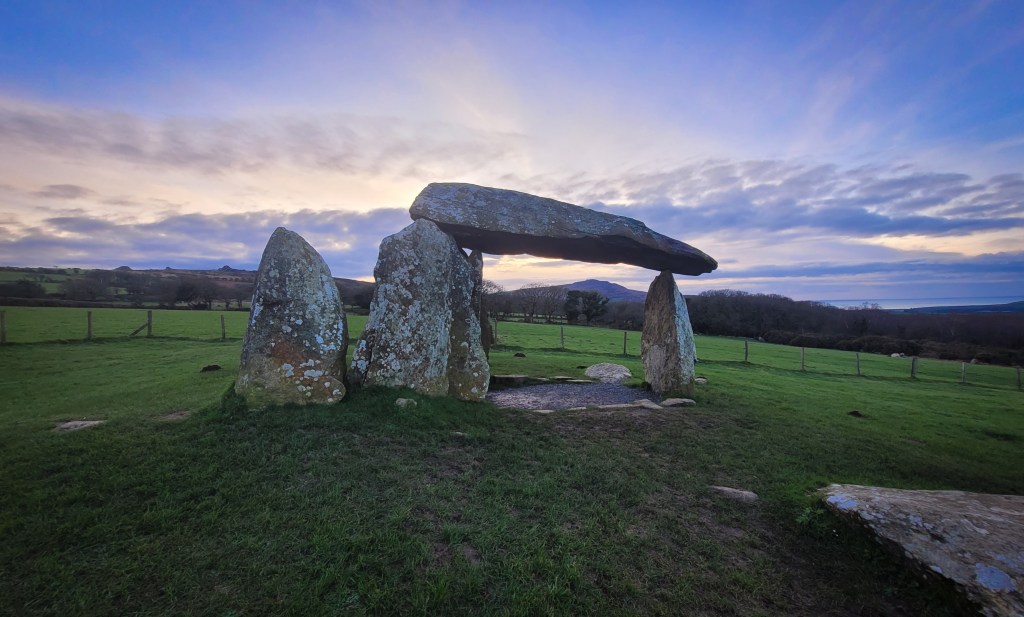
Pentre Ifan Old Records & Images
Pentre Ifan is a neolithic Portal Dolmen in Pembrokeshire, Wales. In this post, we’ll be covering the early antiquarian records of the monument, as well as the oldest photographs and illustrations. We will do a more general post regarding Pentre Ifan and its archaeology and legends. We cover the excavations that took place here in…
-
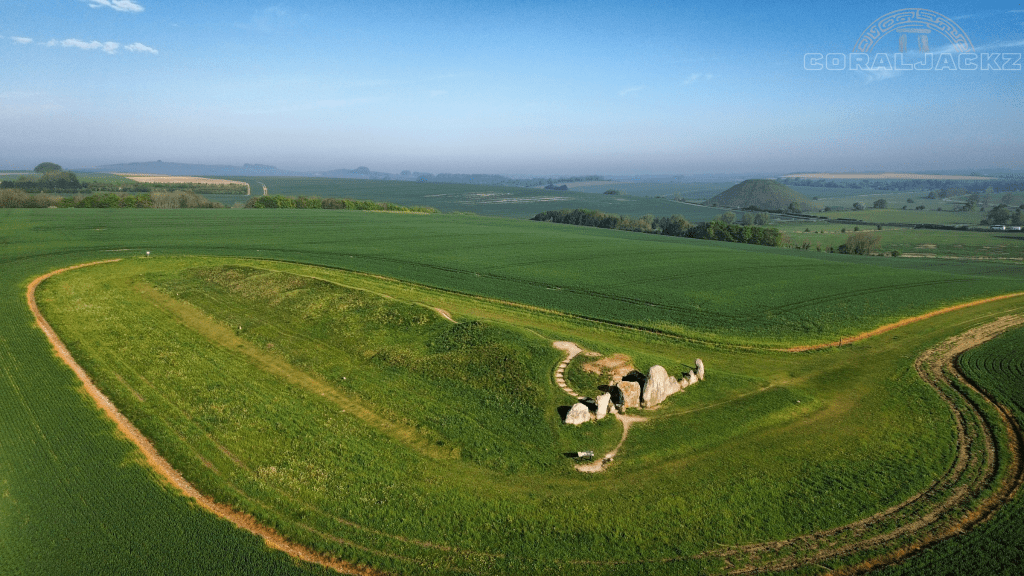
West Kennet Long Barrow
Located in Wiltshire, England. West Kennet is the largest chambered long barrow in Britain. The monument as we see it today is the result of reconstruction work after excavations took place in the 1950’s. Radio carbon dates from remains found during excavations in the 1950’s go back as far as 3600BCE to 3700BCE. Experts believe…
-
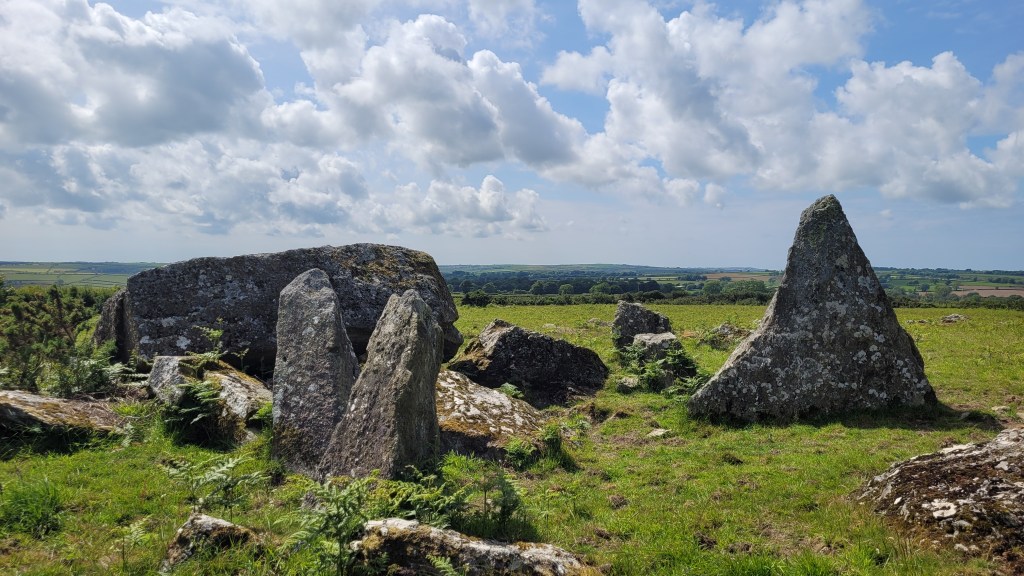
Garn Turne
Garn Turne is a neolithic monument in Pembrokeshire, Wales. In old records the site also goes by Carn Turne, Garne Tarne and Old Coldstone. This is one of three cromlech remains which are clustered around the Hamlet of Colston. The others being The Altar and Parc-y-Llun. The fallen capstone of the cromlech itself is 5m…
-
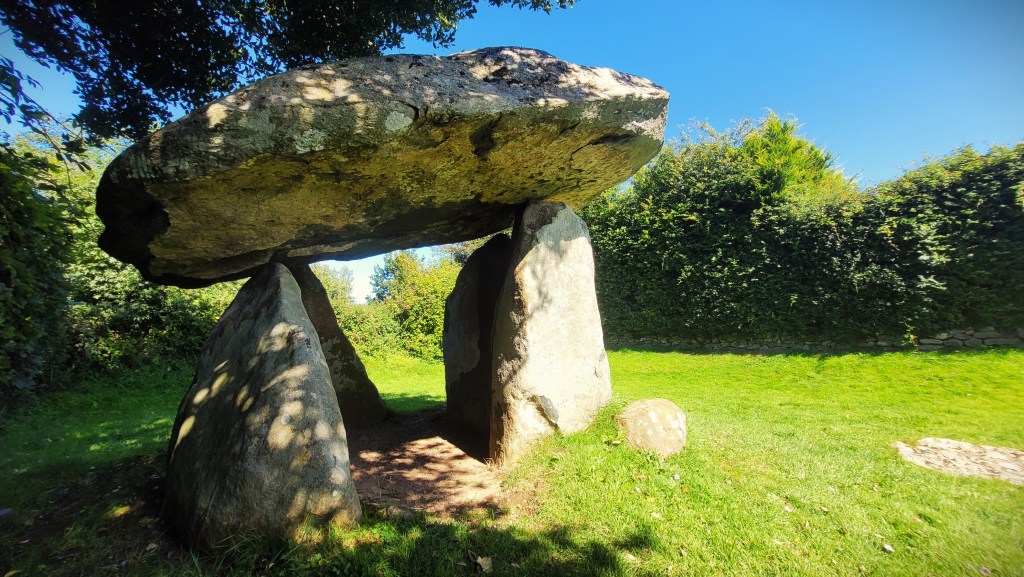
Carreg Coetan Arthur – Pembrokeshire, Wales
This neolithic structure is situated next to some bungalows on the outskirts of Newport town. It’s composed of four upright stones topped by a very large capstone. Despite it’s appearance, a close up look shows that only two of the upright stones actually support the capstone. The ‘coetan’ part of its name is supposedly a…
-
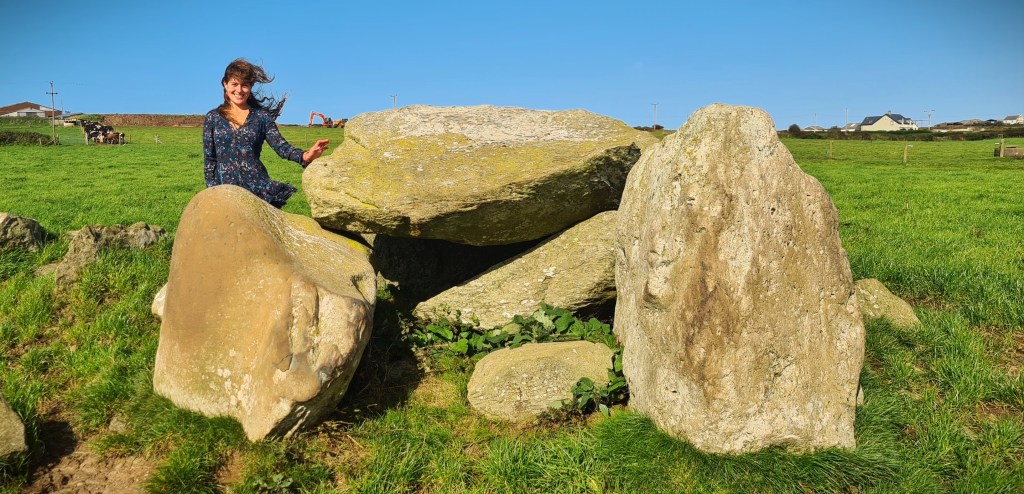
Trellyffaint – Pembrokeshire, Wales
This collapsed neolithic monument is a fascinating site estimated to be at least 6,000 years old. It features ancient rock art and has yielded important finds relating to the earliest evidence of dairy production in Wales.. It also has some very old legends attached to it!Trellyffaint is on private land (and a busy working farm)…

