
old photos
-
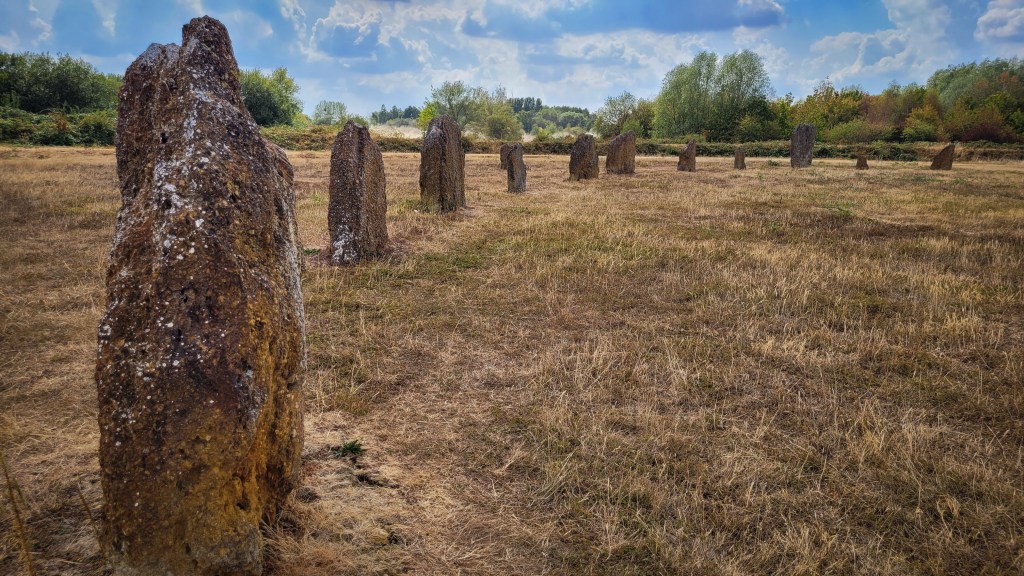
The Devil’s Quoits
The Devil’s Quoits is a reconstructed prehistoric stone circle and henge near Stanton Harcourt in Oxfordshire.. The henge is of Late Neolithic date, although there is some uncertainty about the relative dating of the stone circle and the central stone setting. Both may have been constructed in the Early Bronze Age, after the henge had…
-
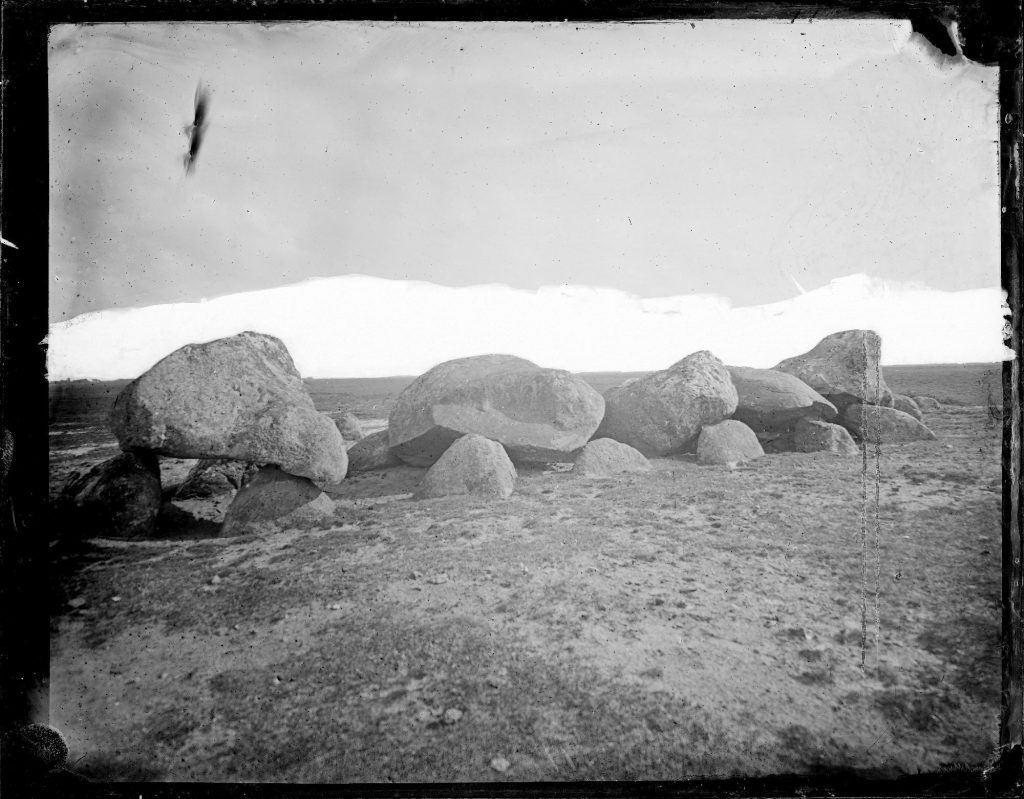
The Dolmens of Drouwen (D19 & D20)
The Dutch term for a Neolithic Dolmen is ‘Hunebed’, which translates roughly to ‘Giant’s Bed’. Today, there are 54 Hunebedden in the Netherlands which are preserved. The Dolmens of Drouwern, also named D19 and D20, are of a similar size and sit close to each other in a quiet park in the small village of…
-
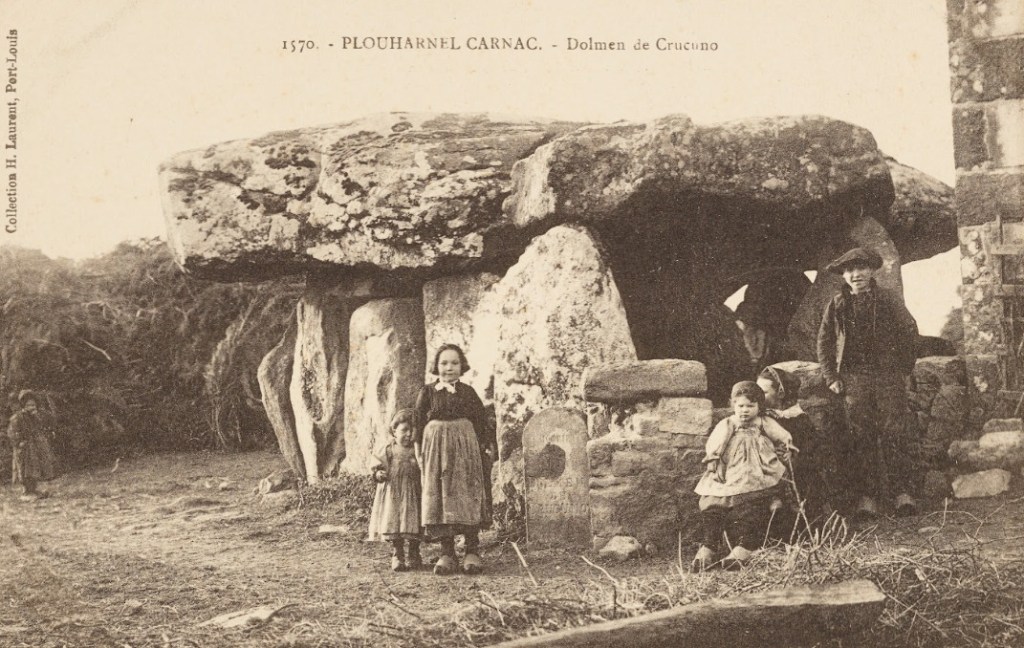
Crucuno Dolmen
Dolmen of Crucuno – Brittany This neolithic monument is situated beside a farmhouse in a village near Carnac in Mobihan. The structure has been repurposed over the past few hundred years as a stable, a home for a local villager and as a shelter for German soldiers during WW2. The dolmen still stands today.
-
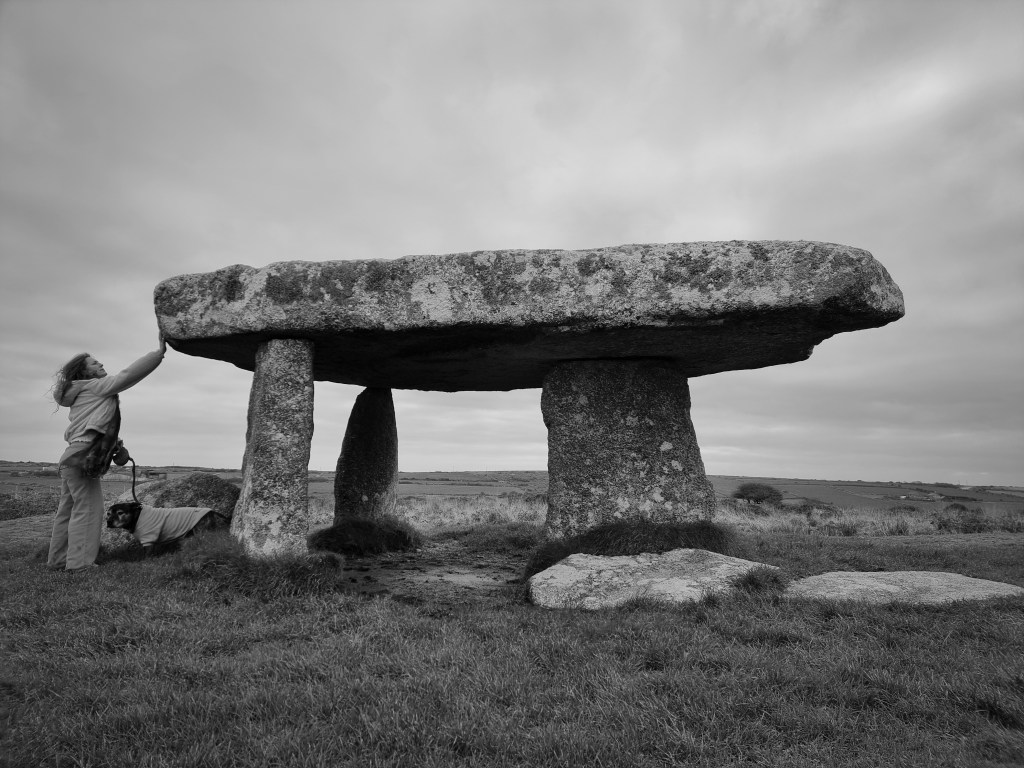
Lanyon Quoit
Neolithic Dolmen in Cornwall, UK.Map Ref: SW4298033690 Lanyon Quoit is one of the most iconic of Cornish antiquities. It is also the most restored; its present form differs considerably from its original. It was once described as being high enough for a man on horseback to pass beneath, but was destroyed by an exceptionally violent…
-
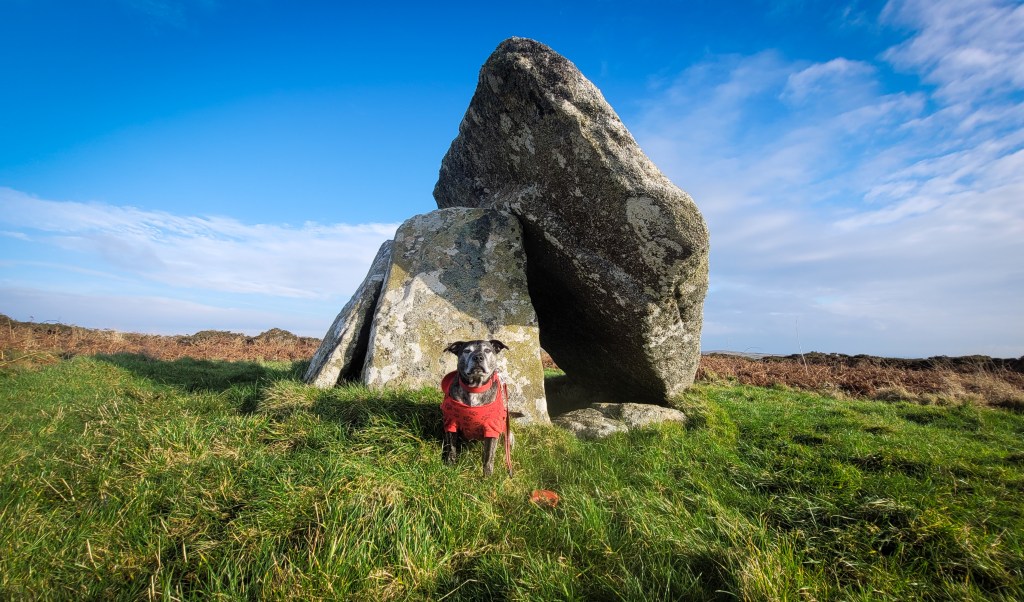
Mulfra Quoit
Neolithic cromlech on Mulfra Hill, Cornwall. It is unclear when the 5 tonne capstone slipped. There was a local story that the capstone fell during a thunderstorm in 1752. However, in the 19th century, antiquarian William Copeland Borlase confirms his great-great-grandfather, William Borlase had recorded the site in the same state as far back as…
-
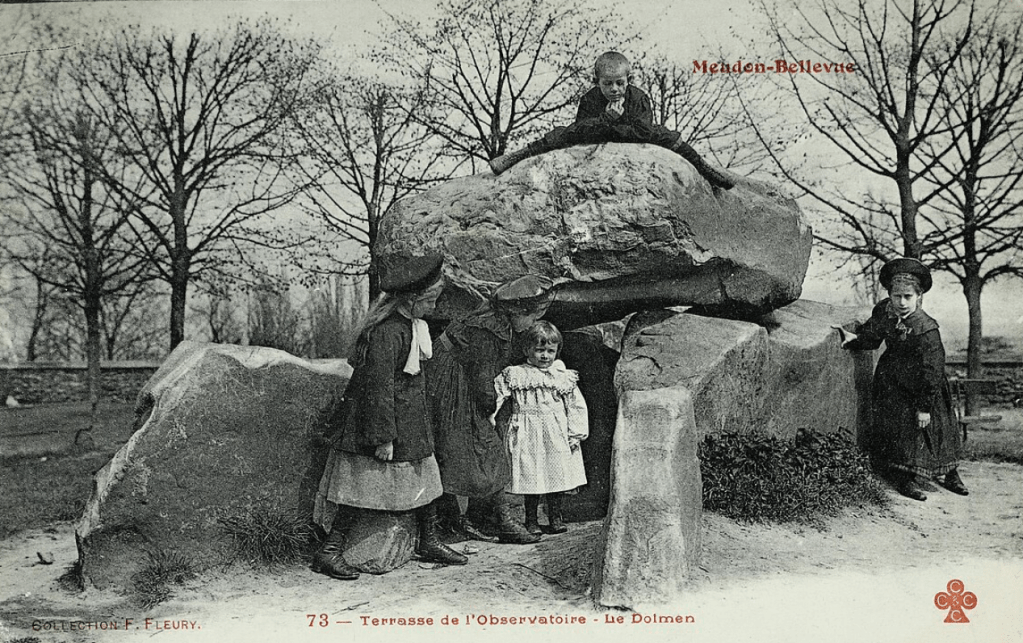
Dolmen dit la Pierre de Rabelais
The slabs that make up this pseudo-dolmen were once part of a Neolithic Allée couverte, or ‘covered driveway’ type of dolmen commonly found in Brittany, Île-de-France and Aquitaine. John Peek writes in his ‘Inventaire des mégalithes de France’ (1975) that the original monument was discovered in 1845 during work for the great avenue of the…
-
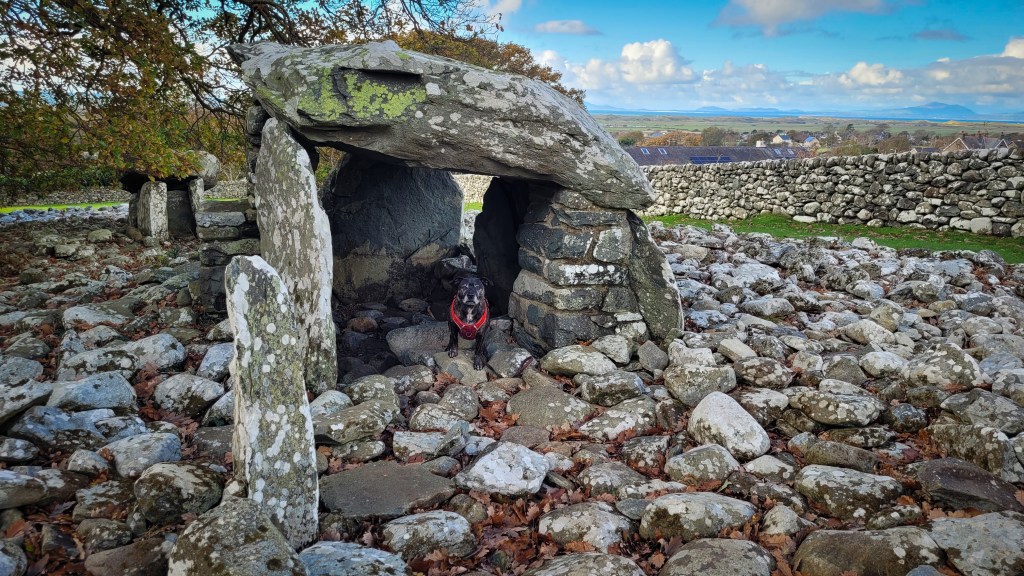
Dyffryn Ardudwy Neolithic Monument
On this page we provide historical records and images of the site, as well as archaeological information and excavation details.Grid Reference: SH58862284 Situated in the village of Dyffryn Ardudwy in Gwynedd, Wales are a pair of dolmens, (or cromlechs as they are often called in Wales), estimated to date to around 3500BC. Excavations in the…
-
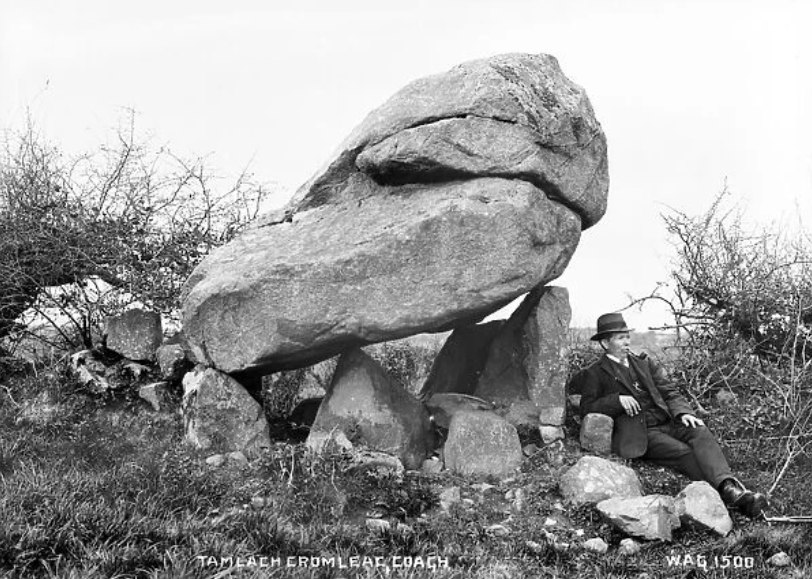
Tamlaght Cromlech, Coagh
This neolithic dolmen was photographed in 1914 by Robert John Welch. The stones had been used as a convenience for displaying notices of farm sales, so Welch used his skills in removing blemishes from glass negatives to remove the notices! We haven’t managed to find out much else regarding this monument, or if it even…
-
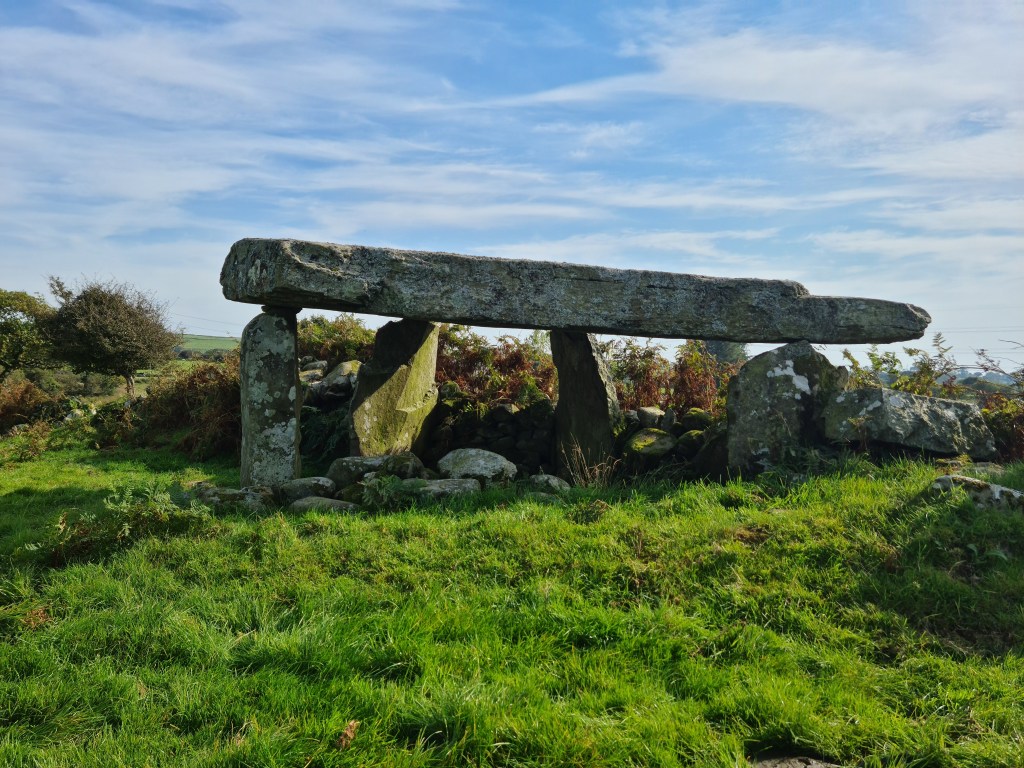
Ystum Cegid Isaf
Neolithic site near Criccieth – Gwynedd, Wales. Today it is an impressive monument with four large uprights supporting a single huge capstone, but it hasn’t always looked like this… Back in the 1700’s there were around 13 uprights, and 3 capstones, forming a much larger and more complex structure. But by 1816, the two smaller…

