
Neolithic Period
-
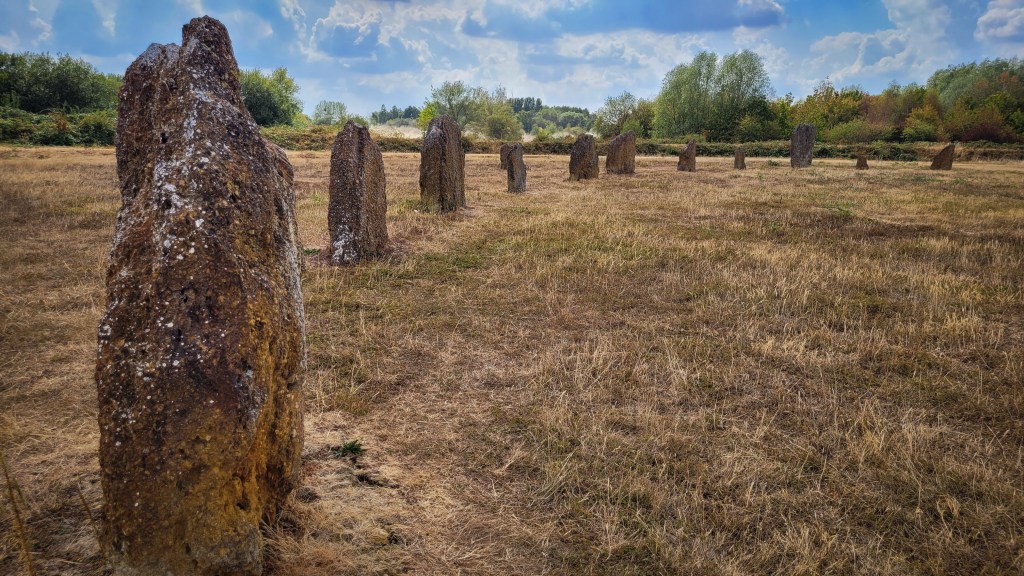
The Devil’s Quoits
The Devil’s Quoits is a reconstructed prehistoric stone circle and henge near Stanton Harcourt in Oxfordshire.. The henge is of Late Neolithic date, although there is some uncertainty about the relative dating of the stone circle and the central stone setting. Both may have been constructed in the Early Bronze Age, after the henge had…
-
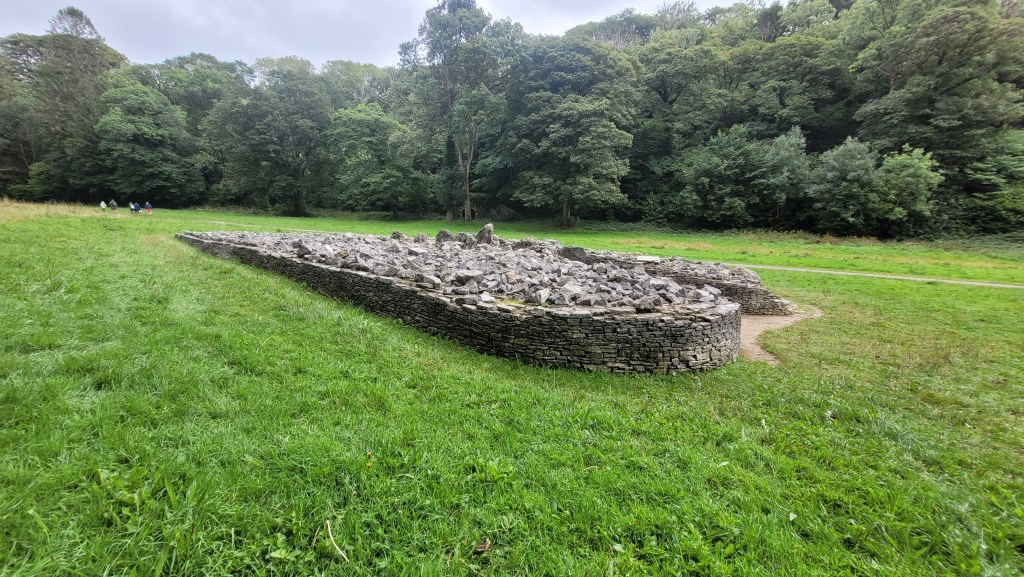
Parc Cwm Long Cairn
Map Ref: SS53738984 Parc Cwn long cairn, also known as Parc le Breos burial chamber is a partly restored Neolithic chambered tomb located on the Gower Peninsula, Wales. Professor Glyn Daniel writes that the monument was discovered in 1869. “Workmen, robbing the barrow to obtain stone for roadmaking, came across the chamber and found portions…
-
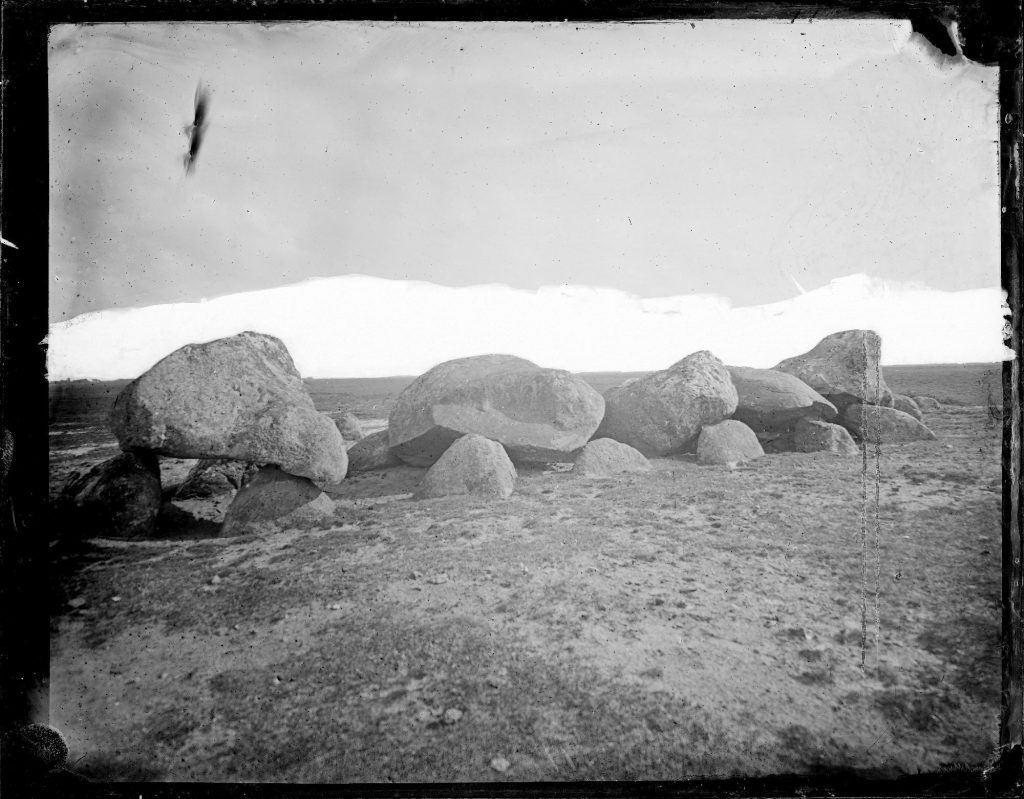
The Dolmens of Drouwen (D19 & D20)
The Dutch term for a Neolithic Dolmen is ‘Hunebed’, which translates roughly to ‘Giant’s Bed’. Today, there are 54 Hunebedden in the Netherlands which are preserved. The Dolmens of Drouwern, also named D19 and D20, are of a similar size and sit close to each other in a quiet park in the small village of…
-
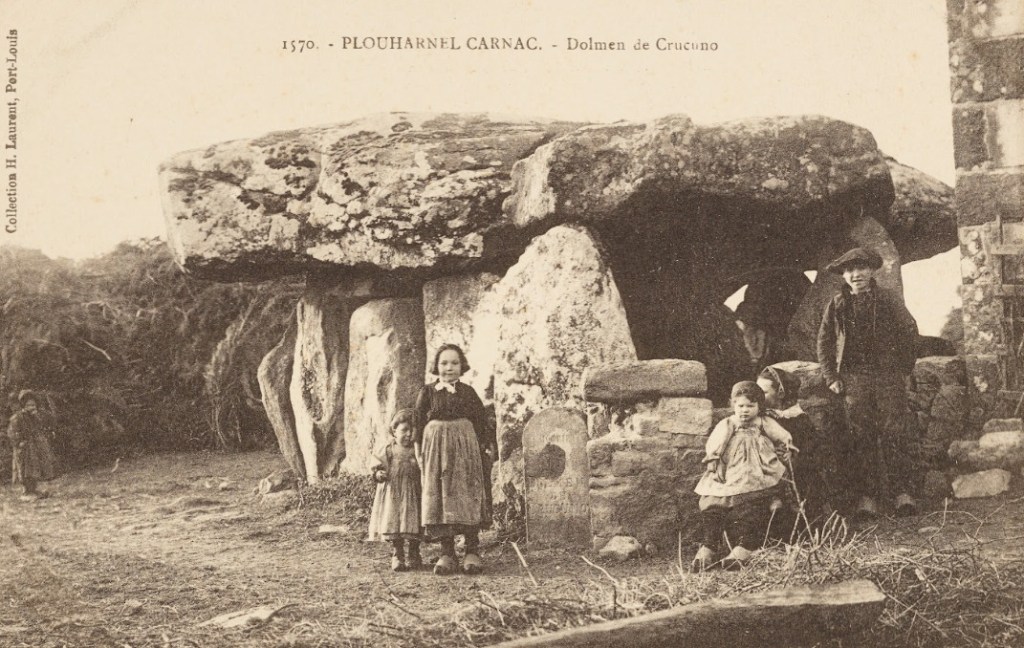
Crucuno Dolmen
Dolmen of Crucuno – Brittany This neolithic monument is situated beside a farmhouse in a village near Carnac in Mobihan. The structure has been repurposed over the past few hundred years as a stable, a home for a local villager and as a shelter for German soldiers during WW2. The dolmen still stands today.
-
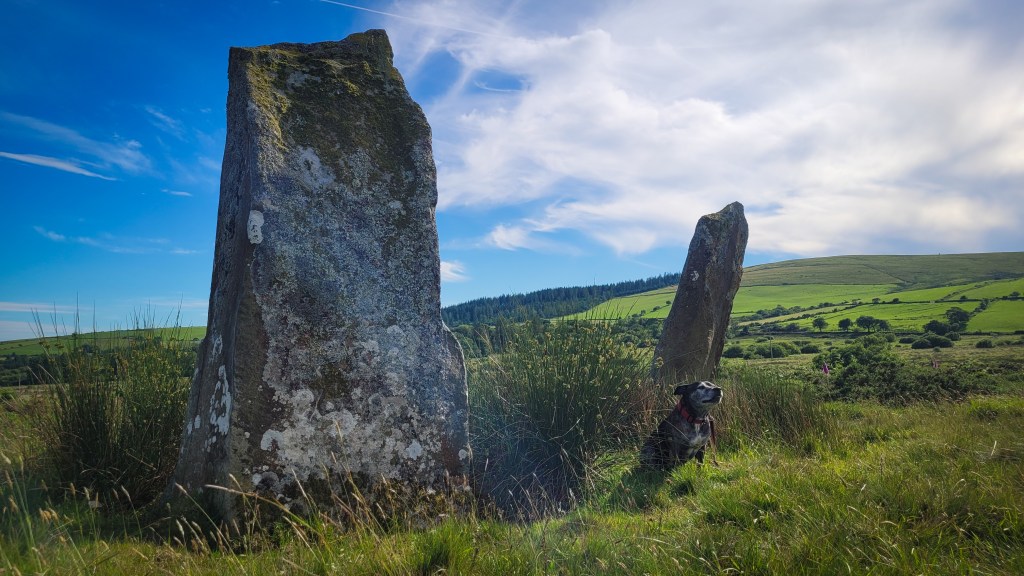
Cerrig Meibion Arthur
Map Ref: SN11823102 Cerrig Meibion Arthur, meaning ‘Stones of the sons of Arthur’ are two standing stones (menhirs) situated below Foel Cwmcerwyn, the highest point of the Preseli Mountains in Pembrokeshire, Wales. In a story told in “Culhwch and Olwen” in The Mabinogion, the legendary King Arthur and his knights fought savage battles against the…
-
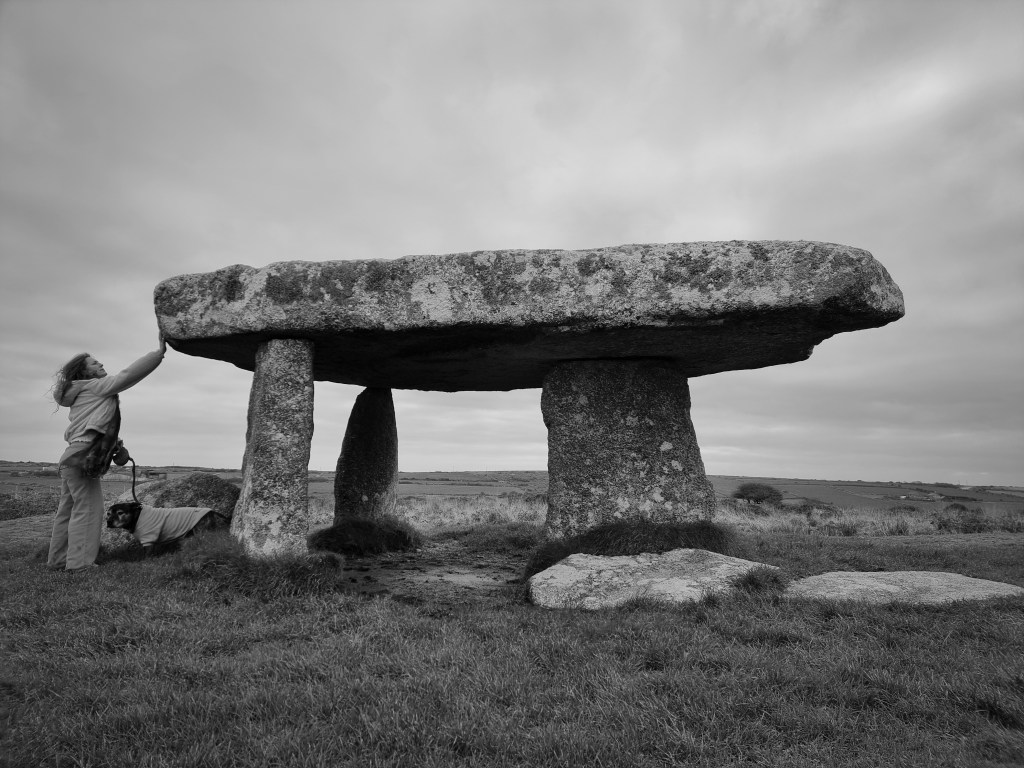
Lanyon Quoit
Neolithic Dolmen in Cornwall, UK.Map Ref: SW4298033690 Lanyon Quoit is one of the most iconic of Cornish antiquities. It is also the most restored; its present form differs considerably from its original. It was once described as being high enough for a man on horseback to pass beneath, but was destroyed by an exceptionally violent…
-
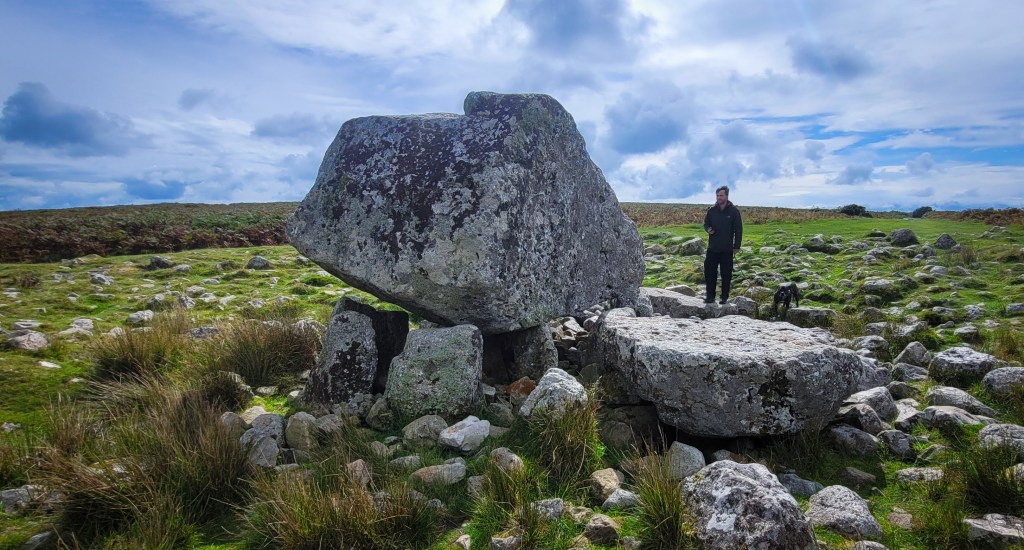
Arthurs Stone/Maen Cetti
An iconic Neolithic monument in Gower Peninsula in Wales is situated on the ancient ridgeway of Cefn Bryn, known locally as the Backbone of the Gower. The monument is named Maen Cetti, meaning ‘The Stone of Cetti’. Its commonly used name today is Arthur’s stone, linking to a popular story that the capstone is a…
-
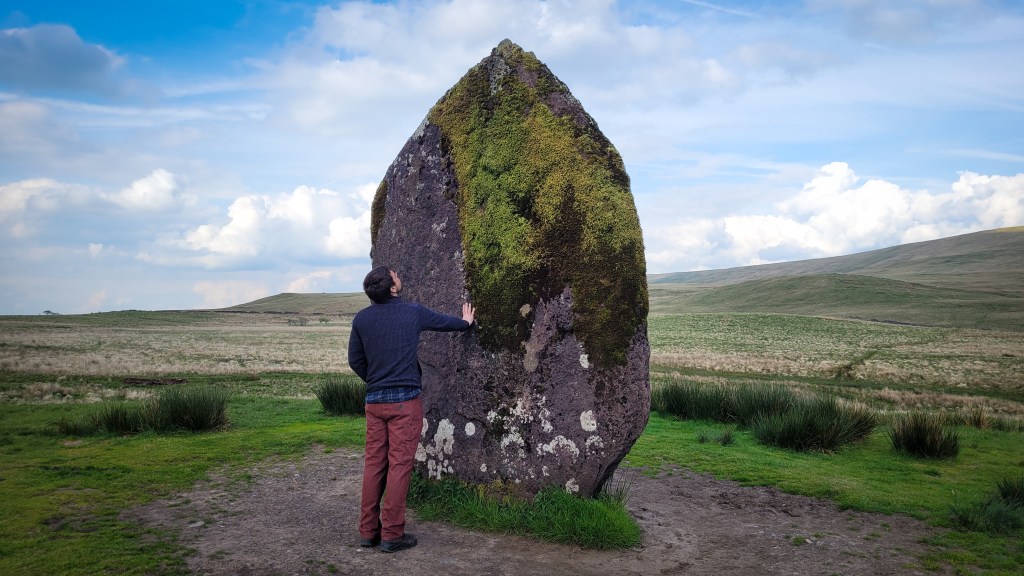
Maen Llia Standing Stone
Situated in the Bannau Brycheiniog (Brecon Beacons) National Park in Powys, Wales is this 3.7m tall stone named Maen Llia. It sits on a stone and earth mound and is thought to have been erected in the late Neolithic or Early Bronze Age. There is a legend that the stone will sometimes go down to…
-
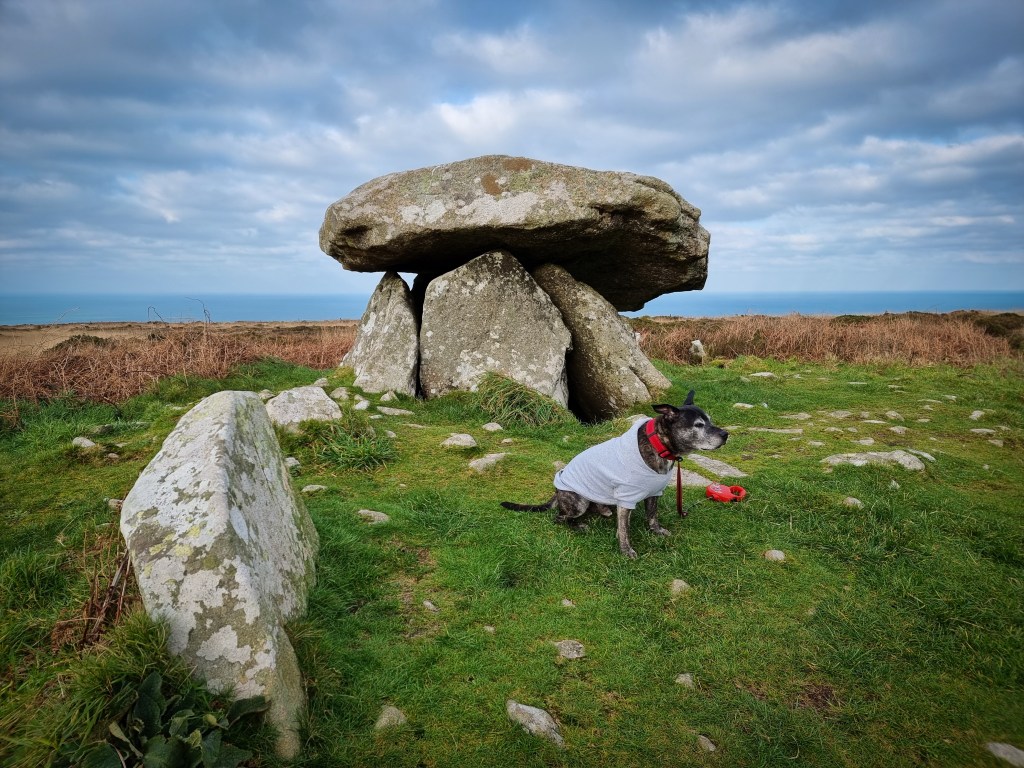
Chun Quoit
Neolithic monument in Cornwall. Just above Chun Quoit is Chun Castle, an Iron Age fortification. The name ‘Chun’, or more correctly in Cornish, ‘Chûn’ or ‘Chuûn’ and pronounced ‘Choone’ comes from ‘Chy-an-Woone’ or ‘Chywoone’ meaning ‘the House on the Downs’. In 1872 William Copeland Borlase records Chun Quoit in his book, ‘Naenia Cornubiae’, but gets…
-
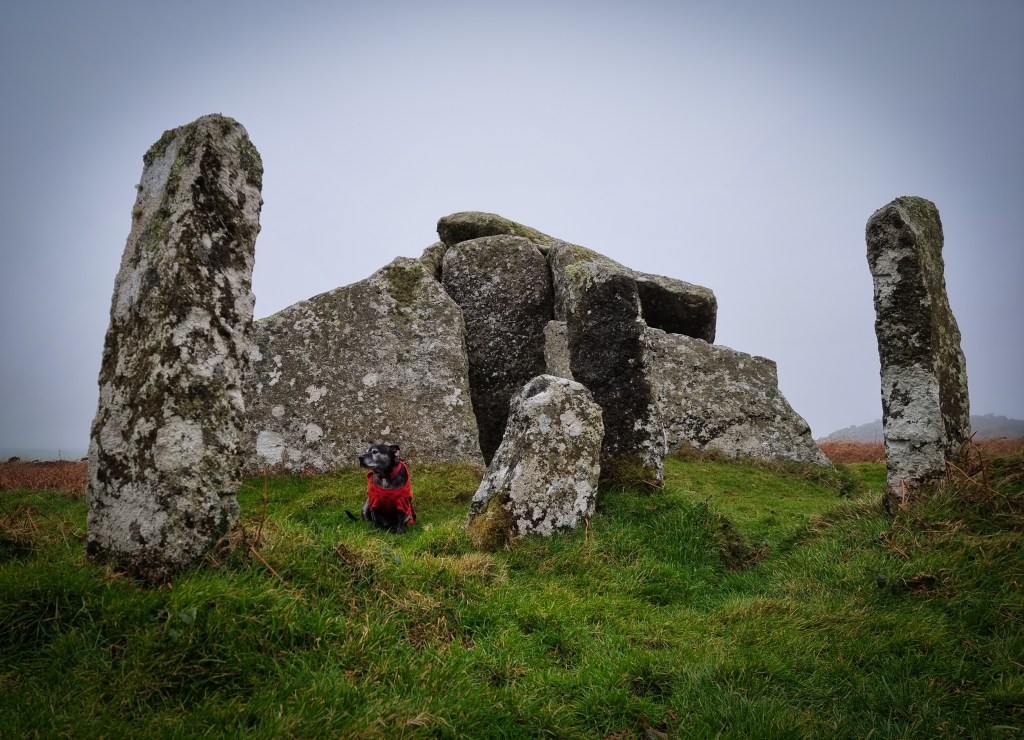
Zennor Quoit
Other names – Senor, Senar Quoit Zennor Quoit is an impressive neolithic monument in the village of Zennor (or Pluw Senar), in Cornwall. Unfortunately the massive cap-stone has fallen, which happened sometime between 1770 and 1765. Legend claims that any stone removed from the Quoit will find its way back overnight. This was put to…

