
Wales
-
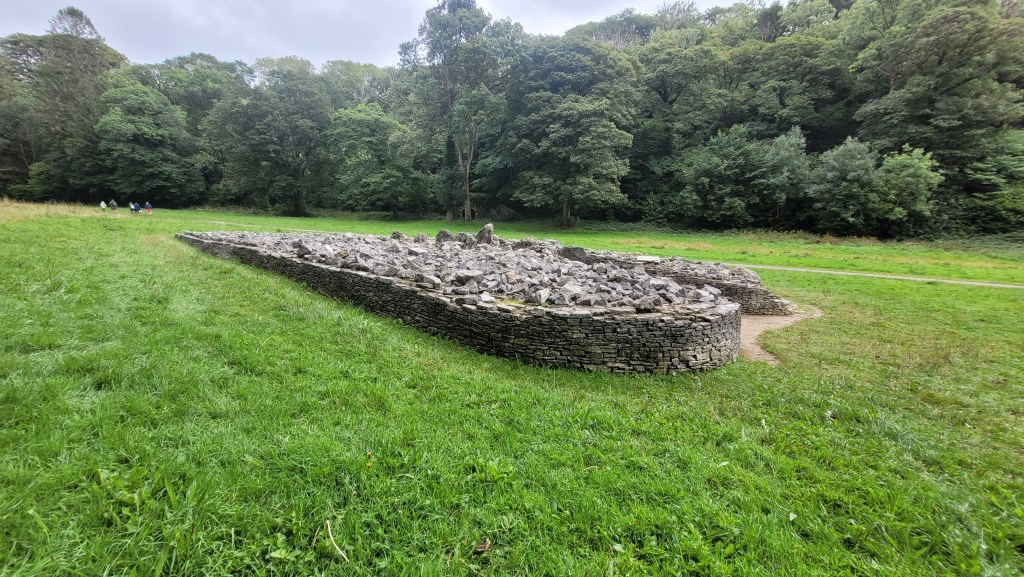
Parc Cwm Long Cairn
Map Ref: SS53738984 Parc Cwn long cairn, also known as Parc le Breos burial chamber is a partly restored Neolithic chambered tomb located on the Gower Peninsula, Wales. Professor Glyn Daniel writes that the monument was discovered in 1869. “Workmen, robbing the barrow to obtain stone for roadmaking, came across the chamber and found portions…
-
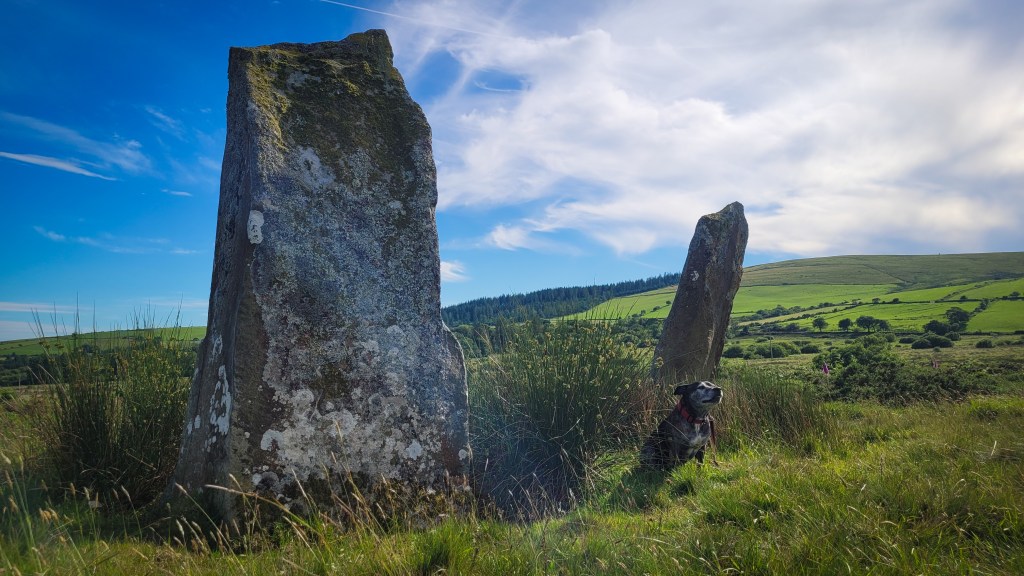
Cerrig Meibion Arthur
Map Ref: SN11823102 Cerrig Meibion Arthur, meaning ‘Stones of the sons of Arthur’ are two standing stones (menhirs) situated below Foel Cwmcerwyn, the highest point of the Preseli Mountains in Pembrokeshire, Wales. In a story told in “Culhwch and Olwen” in The Mabinogion, the legendary King Arthur and his knights fought savage battles against the…
-
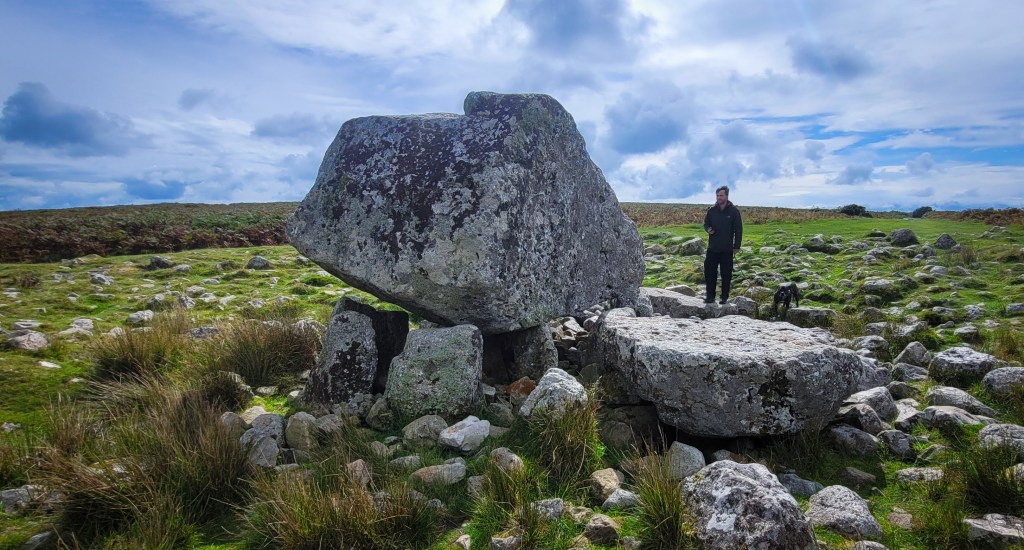
Arthurs Stone/Maen Cetti
An iconic Neolithic monument in Gower Peninsula in Wales is situated on the ancient ridgeway of Cefn Bryn, known locally as the Backbone of the Gower. The monument is named Maen Cetti, meaning ‘The Stone of Cetti’. Its commonly used name today is Arthur’s stone, linking to a popular story that the capstone is a…
-
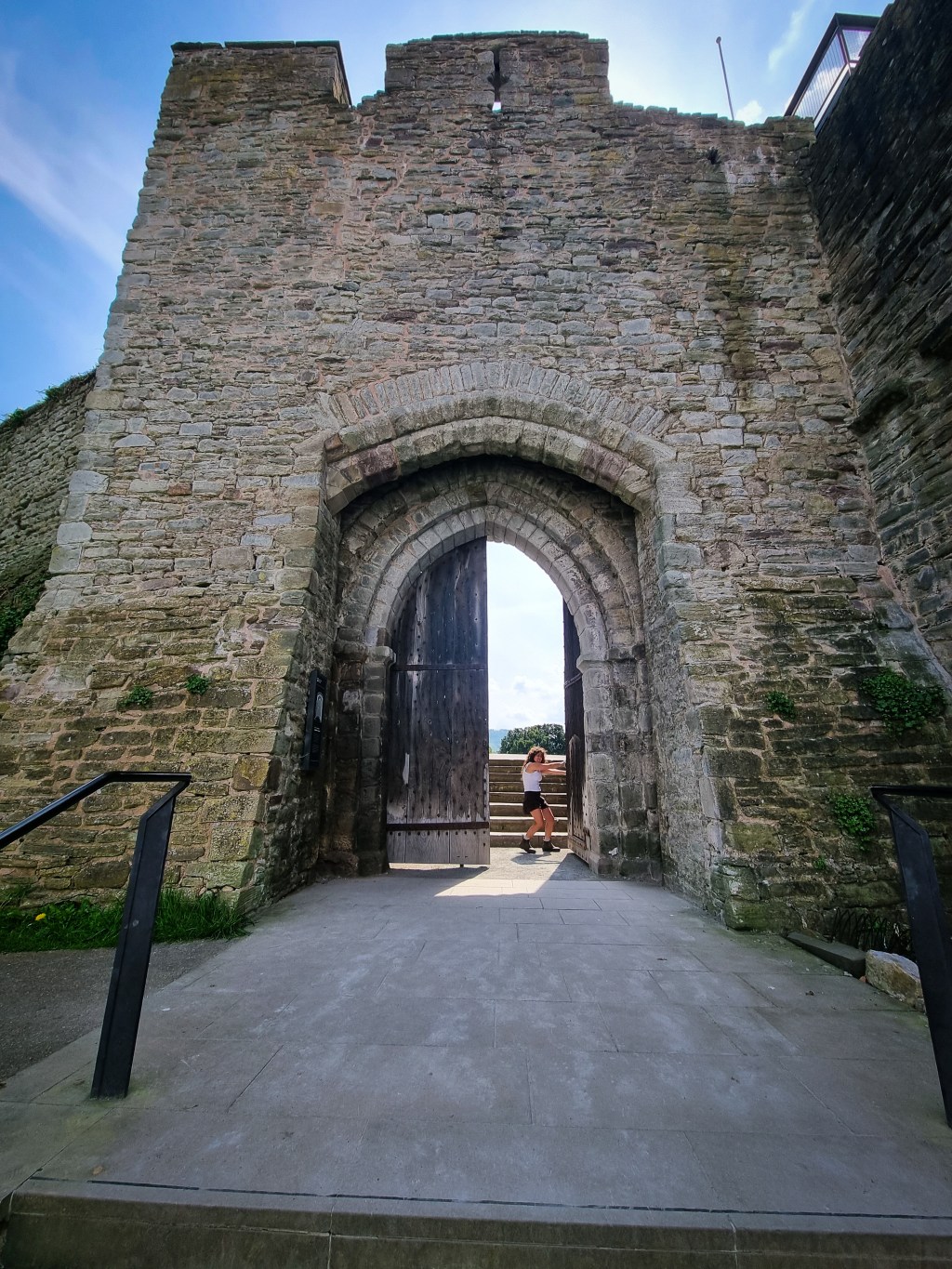
Medieval Gates of Hay Castle
The oak gates of Hay Castle in Wales are believed to be the oldest working defensive gates in Britain. Each gate is of a different construction, one dating to around the 14th century and the other around the 17th century. The castle was originally constructed as part of the Norman invasion of Wales, as a…
-
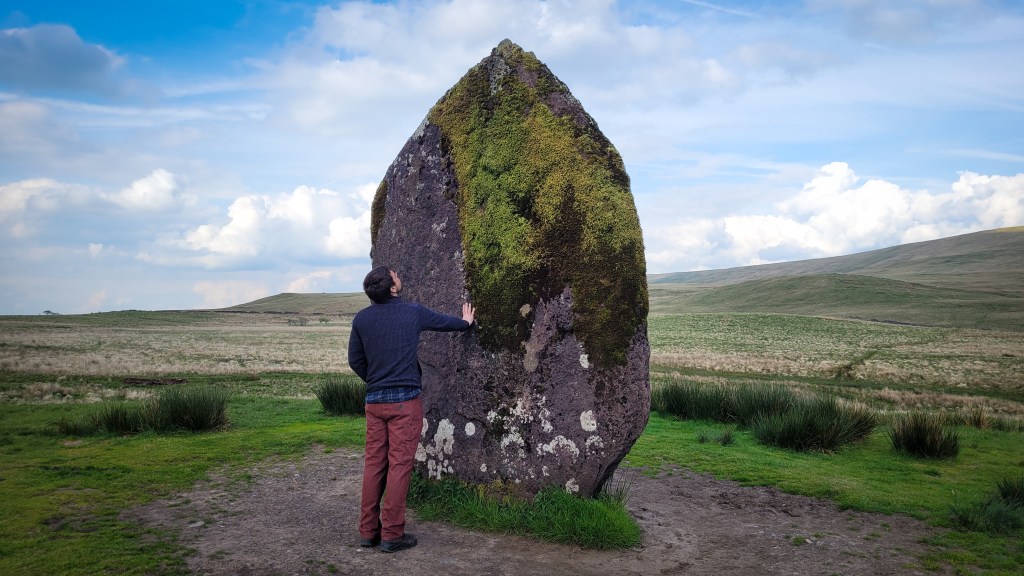
Maen Llia Standing Stone
Situated in the Bannau Brycheiniog (Brecon Beacons) National Park in Powys, Wales is this 3.7m tall stone named Maen Llia. It sits on a stone and earth mound and is thought to have been erected in the late Neolithic or Early Bronze Age. There is a legend that the stone will sometimes go down to…
-
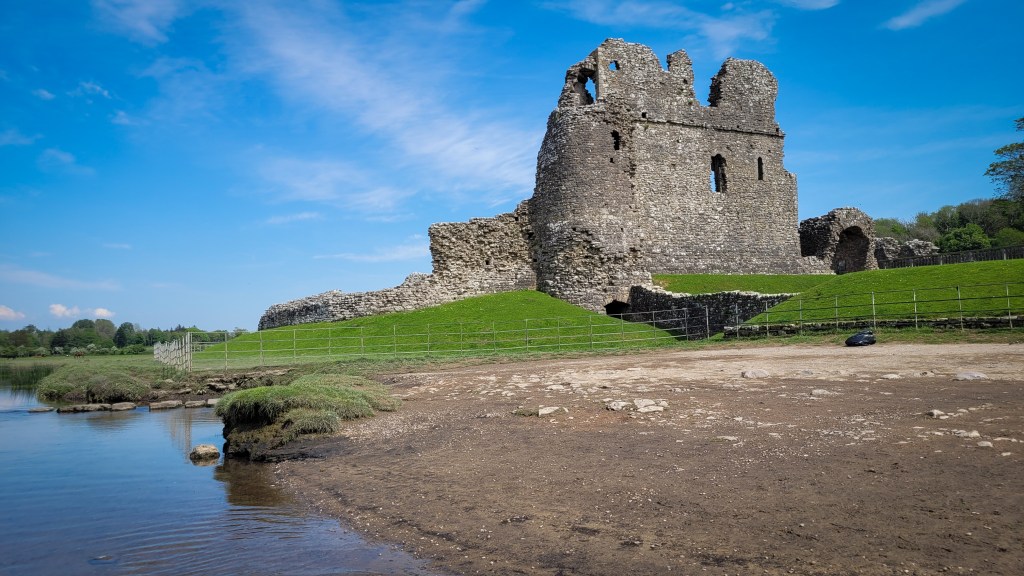
Ogmore Castle
Ogmore Castle (Castell Ogwr) is located in the Vale of Glamorgan, Wales. The Castle was built by the Normans in the 12th century to guard Glamorgan against attacks from the Welsh in the west. This was part of a trio of castles including Newport and Coity. Construction began around the year 1106, first as an…
-
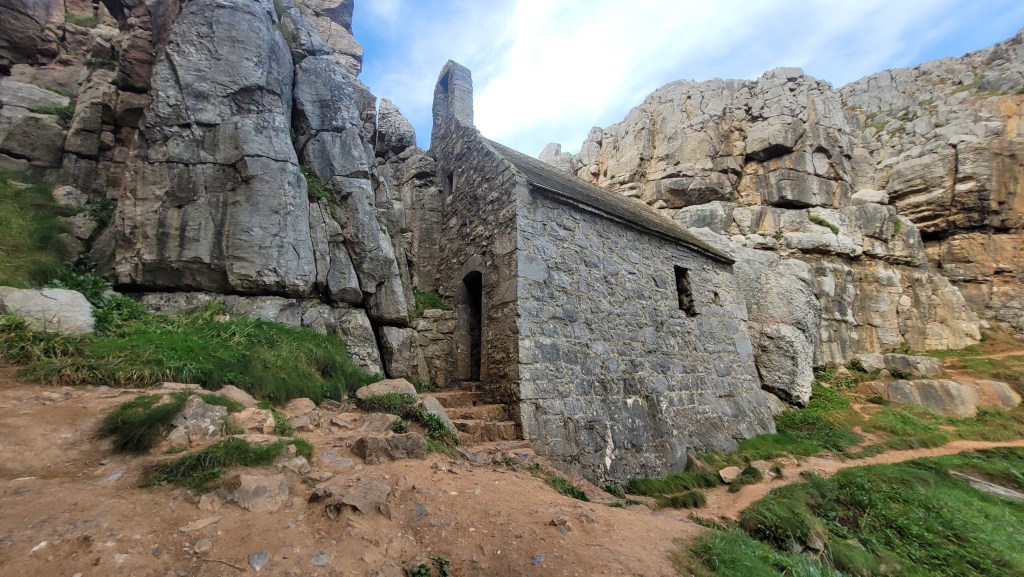
St Govan’s Chapel
St Govan’s Chapel – Pembrokeshire, Wales The ancient chapel is dedicated to St. Govan, thought to have been a celtic missionary from Ireland, who sailed to Wales late in his life to live as a hermit in a cave where the chapel now stands. There are some who believe Govan was actually Sir Gawain, the…
-
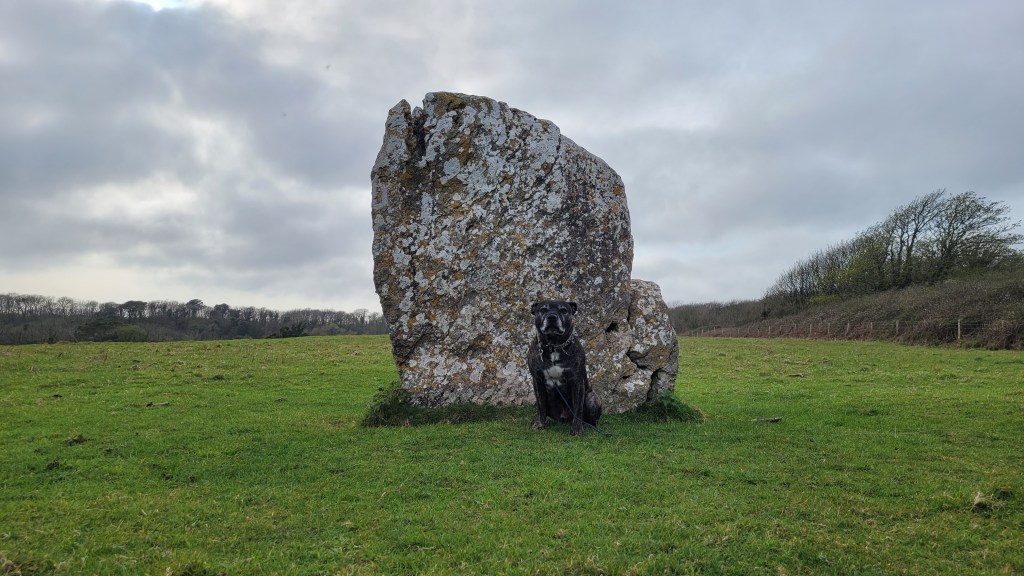
Devil’s Quoit – Stackpole
Grid Reference: SR9810095060 The Devil’s Quoit is a prehistoric standing stone, 1.7m tall, located in the Stackpole Warren Nature Reserve in Pembrokeshire, Wales. The landscape of Stackpole is rich in prehistoric history, and in the 1970s was subject to extensive excavations which revealed occupation from the Mesolithic Period through to the Romano-British Period and beyond.…
-
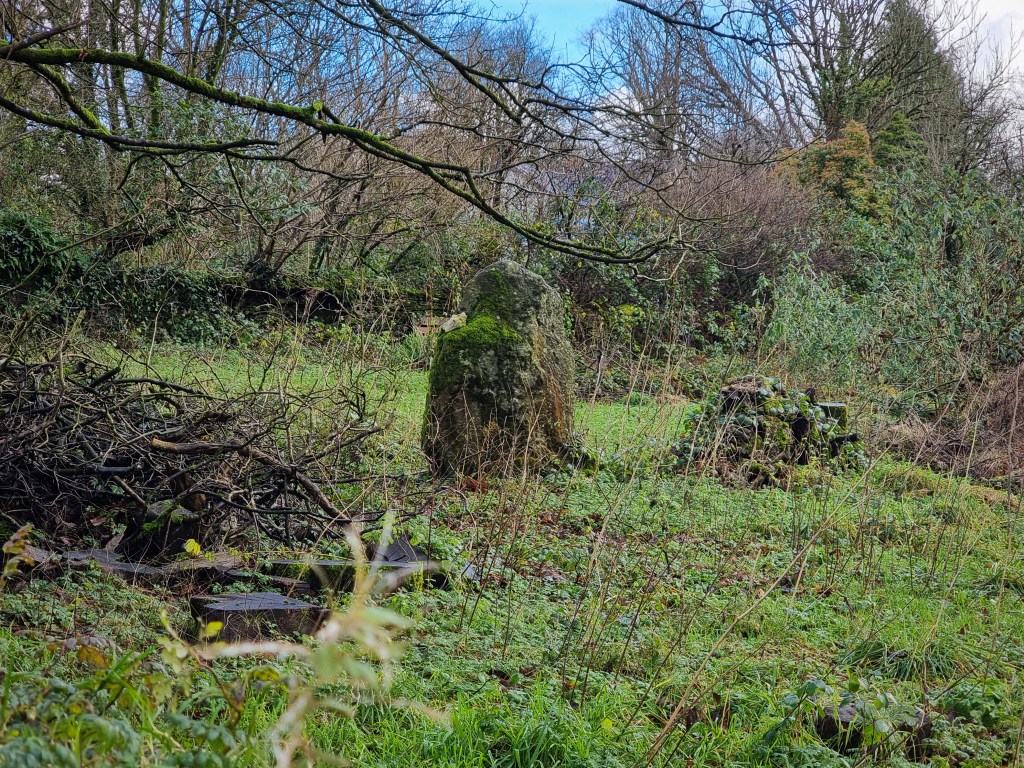
Temple Druid Neolithic/Bronze Age remains
Temple Druid and Prysg Farm are home to a complex of Late Neolithic and Bronze Age monuments, including a possible henge enclosure, standing stones which are now scattered about, as well as the remains of one or more neolithic cromlechs. Temple Druid is a grade II listed John Nash house. The present house is not…
-
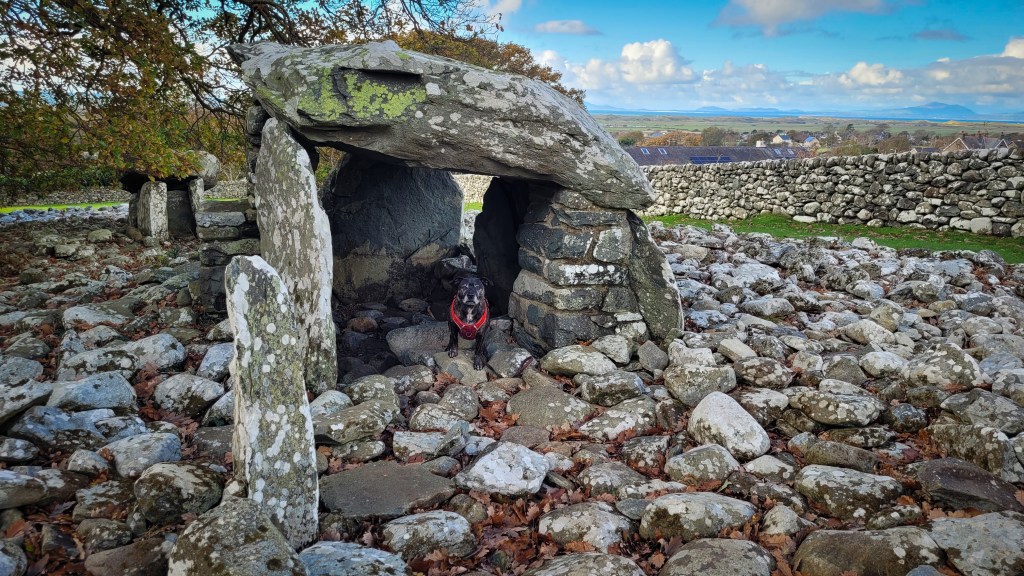
Dyffryn Ardudwy Neolithic Monument
On this page we provide historical records and images of the site, as well as archaeological information and excavation details.Grid Reference: SH58862284 Situated in the village of Dyffryn Ardudwy in Gwynedd, Wales are a pair of dolmens, (or cromlechs as they are often called in Wales), estimated to date to around 3500BC. Excavations in the…

