
CoralJackz
-
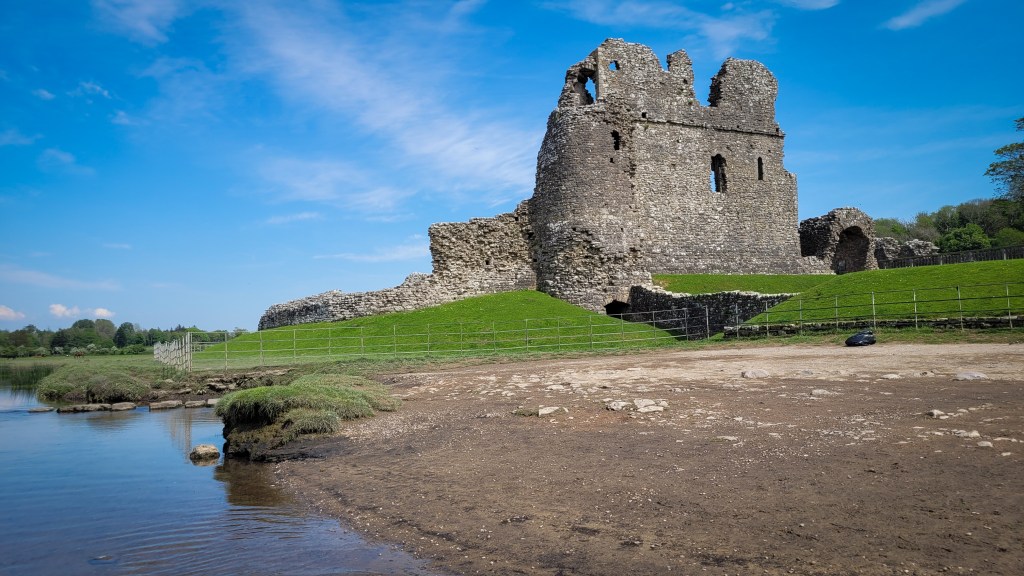
Ogmore Castle
Ogmore Castle (Castell Ogwr) is located in the Vale of Glamorgan, Wales. The Castle was built by the Normans in the 12th century to guard Glamorgan against attacks from the Welsh in the west. This was part of a trio of castles including Newport and Coity. Construction began around the year 1106, first as an…
-
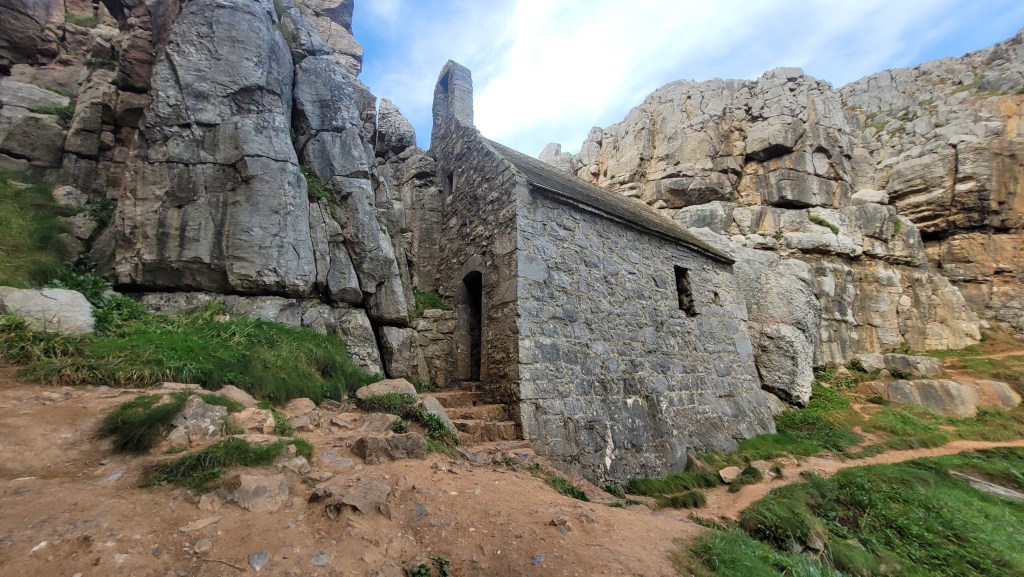
St Govan’s Chapel
St Govan’s Chapel – Pembrokeshire, Wales The ancient chapel is dedicated to St. Govan, thought to have been a celtic missionary from Ireland, who sailed to Wales late in his life to live as a hermit in a cave where the chapel now stands. There are some who believe Govan was actually Sir Gawain, the…
-
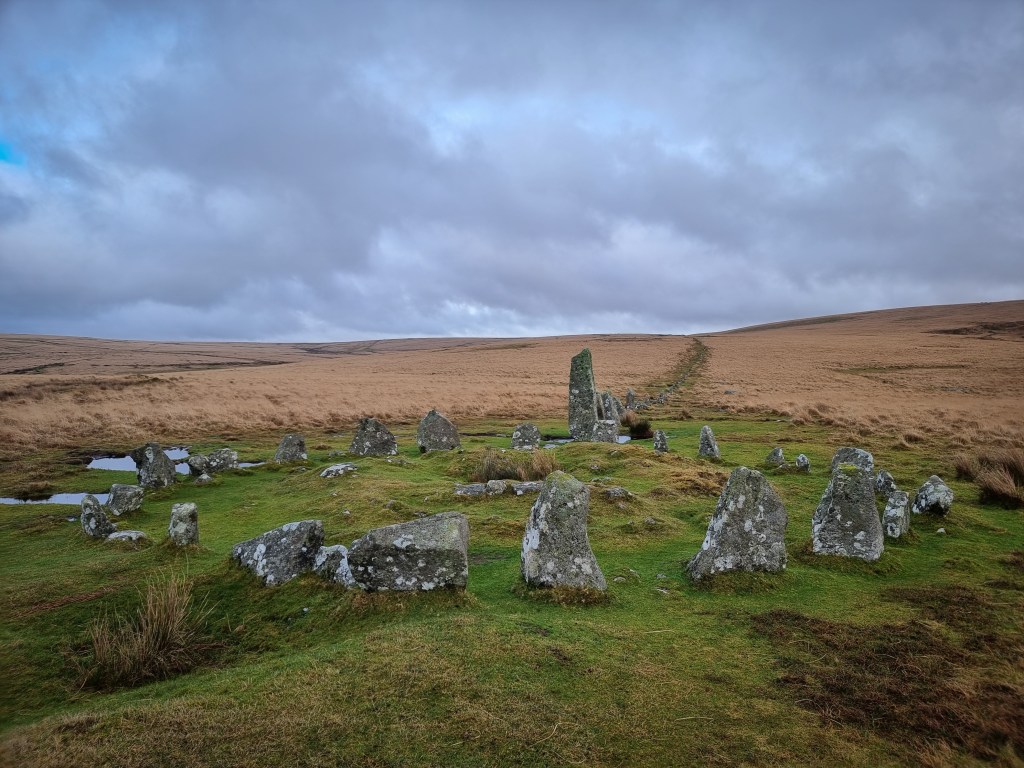
Hingston Hill/Down Tor Stone Circle
A 1145ft long stone row leading to a 36ft cairn circle in Dartmoor, England. There are 157 stones in the row, but may have originally been 174. Some of the stones had fallen and in 1894 were re-erected in their original sockets. This has been described as one of the most magnificent of all the…
-
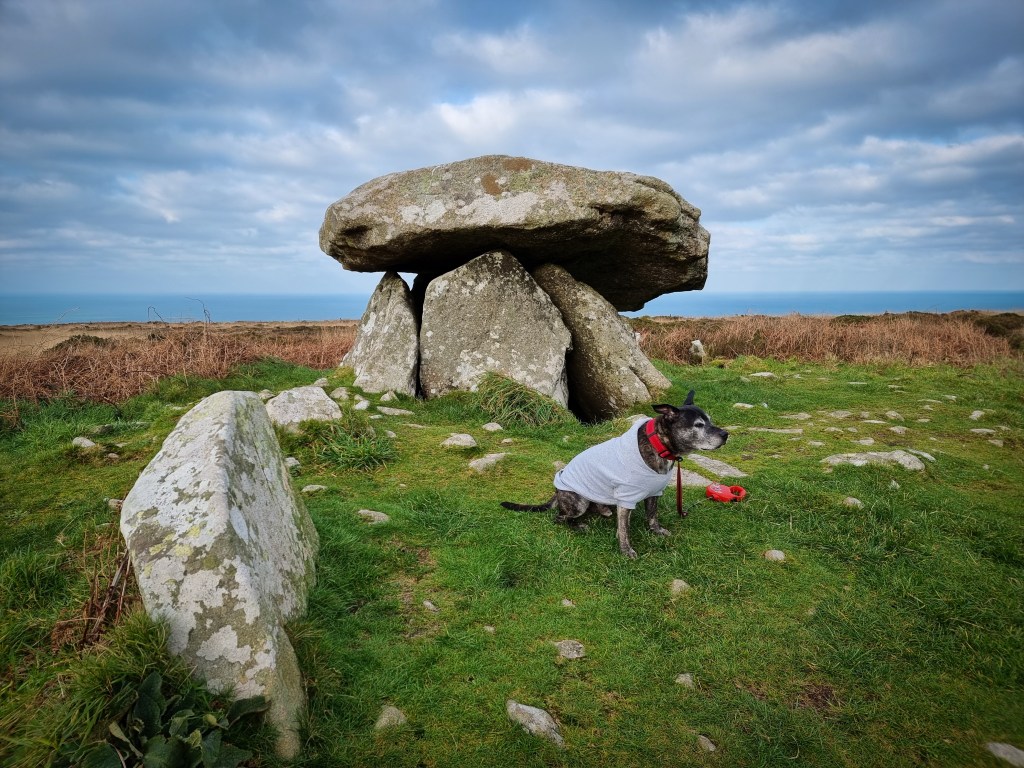
Chun Quoit
Neolithic monument in Cornwall. Just above Chun Quoit is Chun Castle, an Iron Age fortification. The name ‘Chun’, or more correctly in Cornish, ‘Chûn’ or ‘Chuûn’ and pronounced ‘Choone’ comes from ‘Chy-an-Woone’ or ‘Chywoone’ meaning ‘the House on the Downs’. In 1872 William Copeland Borlase records Chun Quoit in his book, ‘Naenia Cornubiae’, but gets…
-
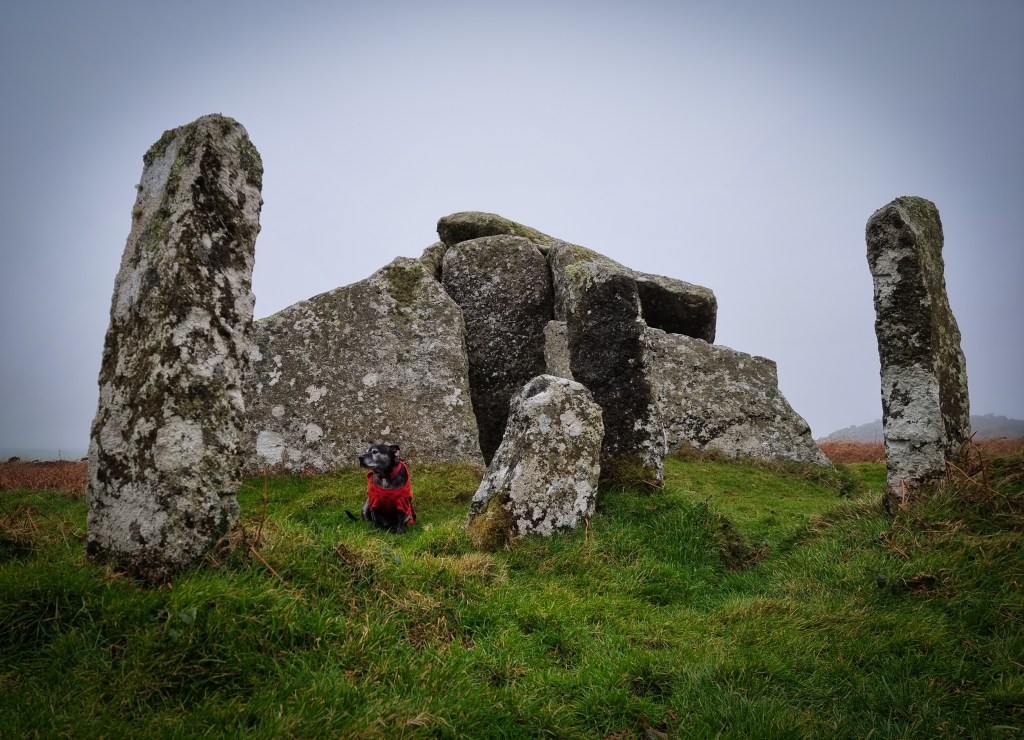
Zennor Quoit
Other names – Senor, Senar Quoit Zennor Quoit is an impressive neolithic monument in the village of Zennor (or Pluw Senar), in Cornwall. Unfortunately the massive cap-stone has fallen, which happened sometime between 1770 and 1765. Legend claims that any stone removed from the Quoit will find its way back overnight. This was put to…
-
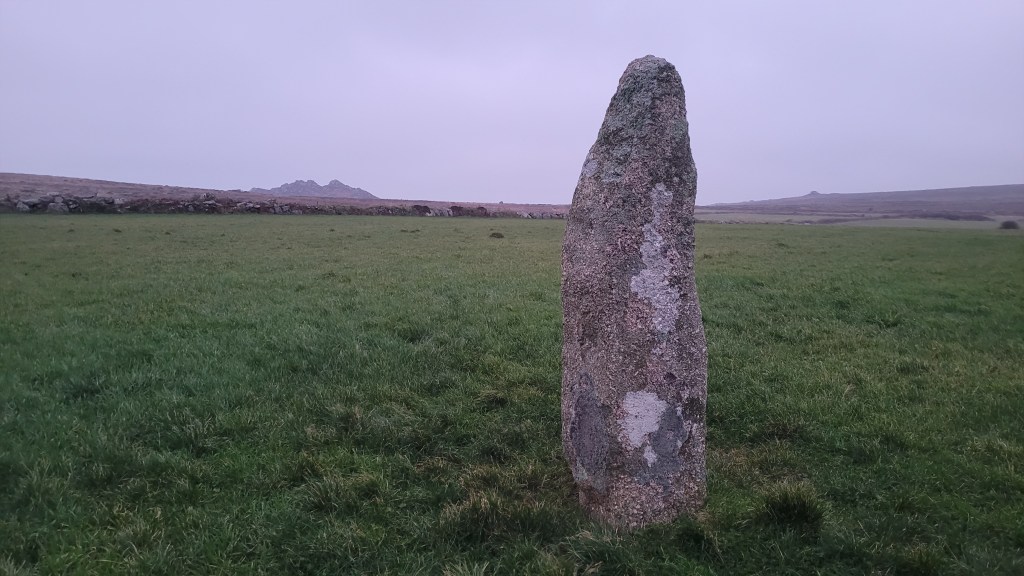
Mên Scryfa
Mên Scryfa, meaning written, or inscribed stone in Cornish. This 1.8m tall stone was likely erected during the Bronze Age, but contains an inscription from the 5th or 6th century AD. This reads RIALOBRANI CVNOVALI FILI, a Latinised form of Cornish meaning ‘Royal Raven, Son of the famous leader’. Its said that a battle was…
-
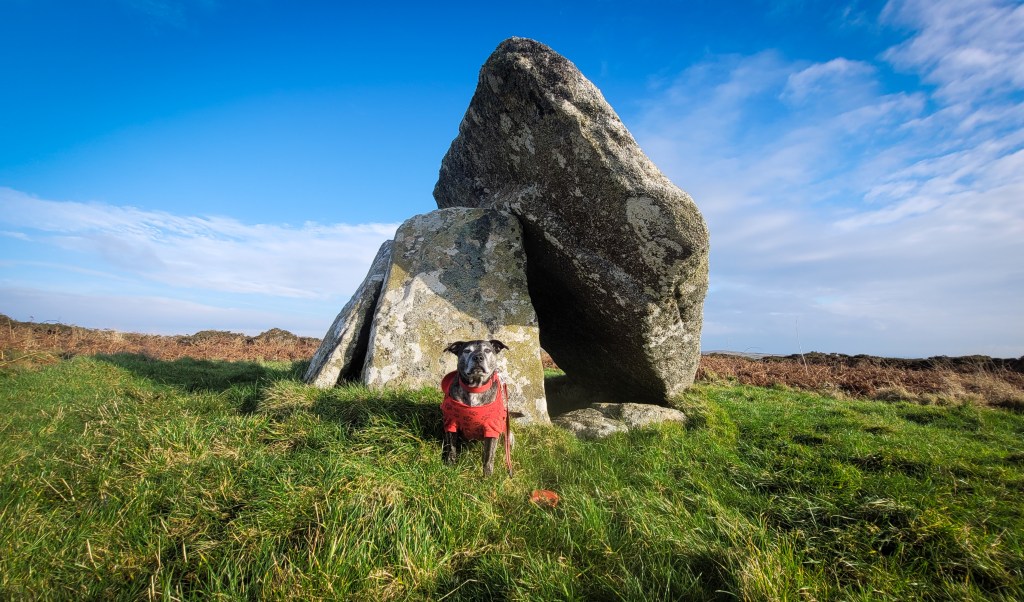
Mulfra Quoit
Neolithic cromlech on Mulfra Hill, Cornwall. It is unclear when the 5 tonne capstone slipped. There was a local story that the capstone fell during a thunderstorm in 1752. However, in the 19th century, antiquarian William Copeland Borlase confirms his great-great-grandfather, William Borlase had recorded the site in the same state as far back as…
-
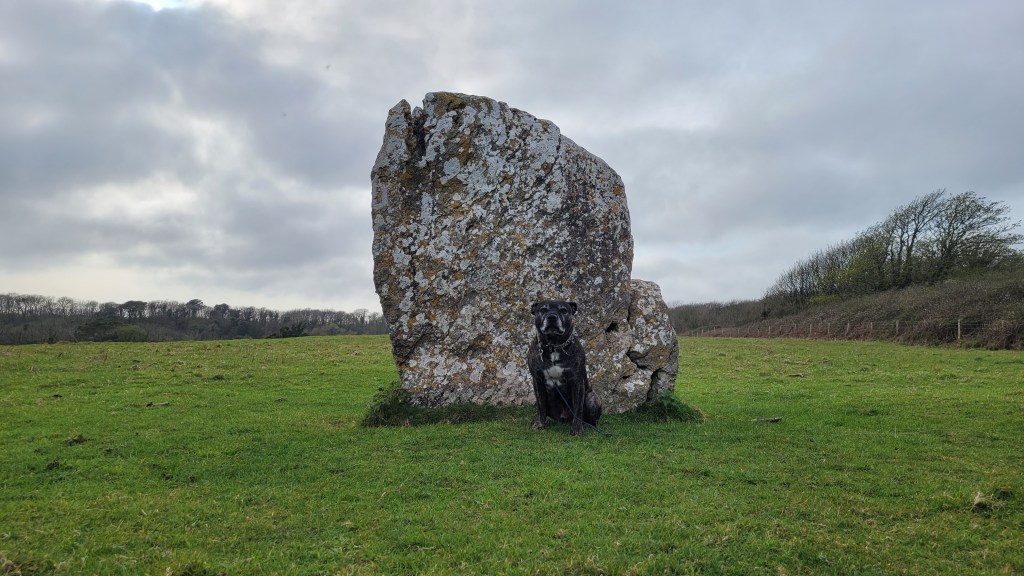
Devil’s Quoit – Stackpole
Grid Reference: SR9810095060 The Devil’s Quoit is a prehistoric standing stone, 1.7m tall, located in the Stackpole Warren Nature Reserve in Pembrokeshire, Wales. The landscape of Stackpole is rich in prehistoric history, and in the 1970s was subject to extensive excavations which revealed occupation from the Mesolithic Period through to the Romano-British Period and beyond.…
-
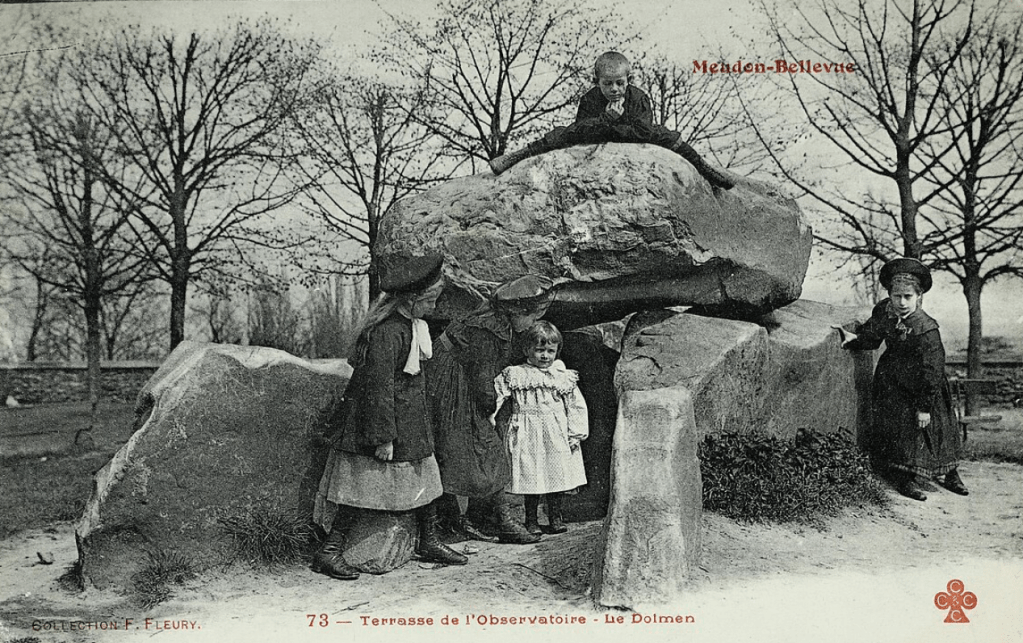
Dolmen dit la Pierre de Rabelais
The slabs that make up this pseudo-dolmen were once part of a Neolithic Allée couverte, or ‘covered driveway’ type of dolmen commonly found in Brittany, Île-de-France and Aquitaine. John Peek writes in his ‘Inventaire des mégalithes de France’ (1975) that the original monument was discovered in 1845 during work for the great avenue of the…
-
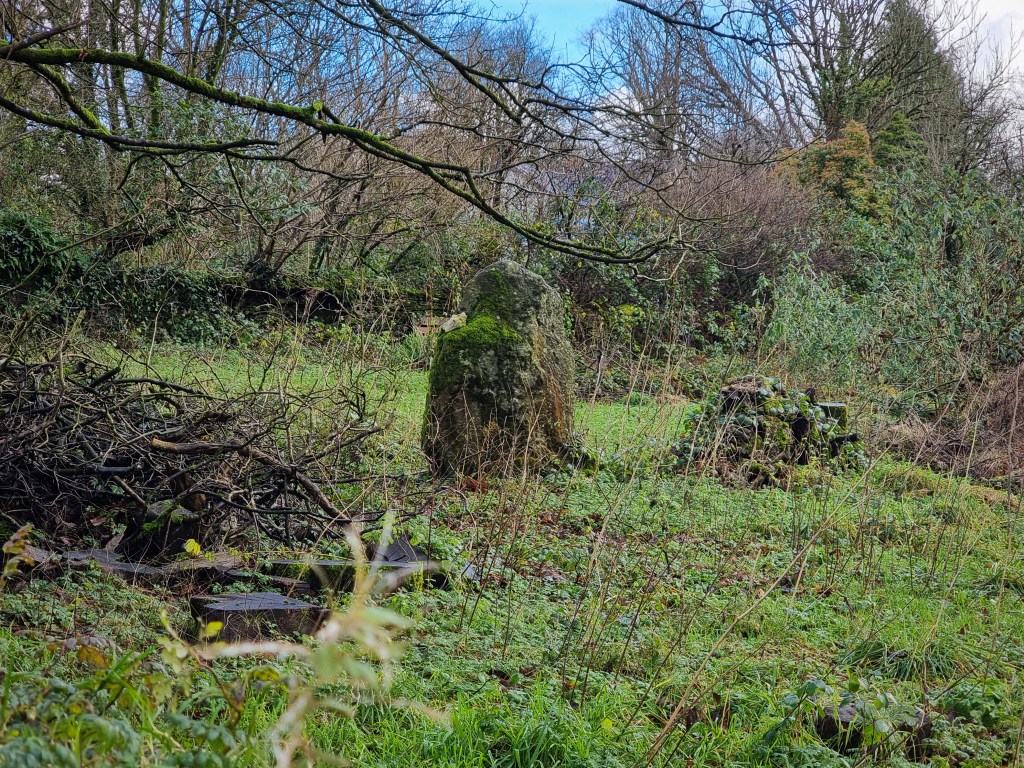
Temple Druid Neolithic/Bronze Age remains
Temple Druid and Prysg Farm are home to a complex of Late Neolithic and Bronze Age monuments, including a possible henge enclosure, standing stones which are now scattered about, as well as the remains of one or more neolithic cromlechs. Temple Druid is a grade II listed John Nash house. The present house is not…

