
Cornwall
-
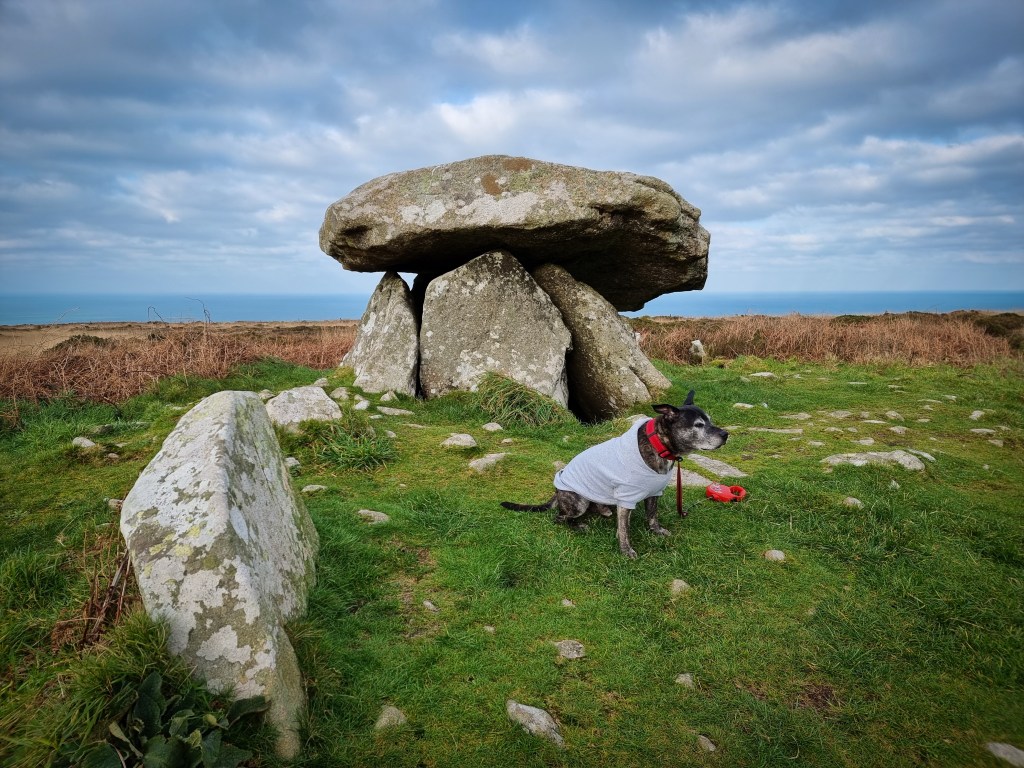
Chun Quoit
Neolithic monument in Cornwall. Just above Chun Quoit is Chun Castle, an Iron Age fortification. The name ‘Chun’, or more correctly in Cornish, ‘Chûn’ or ‘Chuûn’ and pronounced ‘Choone’ comes from ‘Chy-an-Woone’ or ‘Chywoone’ meaning ‘the House on the Downs’. In 1872 William Copeland Borlase records Chun Quoit in his book, ‘Naenia Cornubiae’, but gets…
-
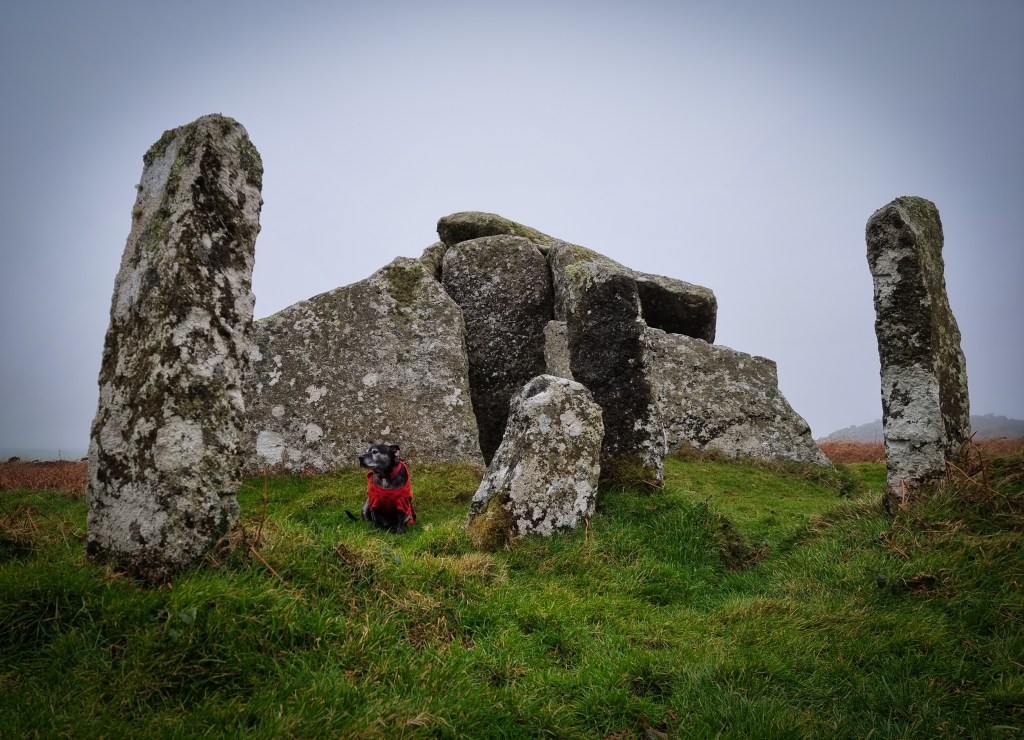
Zennor Quoit
Other names – Senor, Senar Quoit Zennor Quoit is an impressive neolithic monument in the village of Zennor (or Pluw Senar), in Cornwall. Unfortunately the massive cap-stone has fallen, which happened sometime between 1770 and 1765. Legend claims that any stone removed from the Quoit will find its way back overnight. This was put to…
-
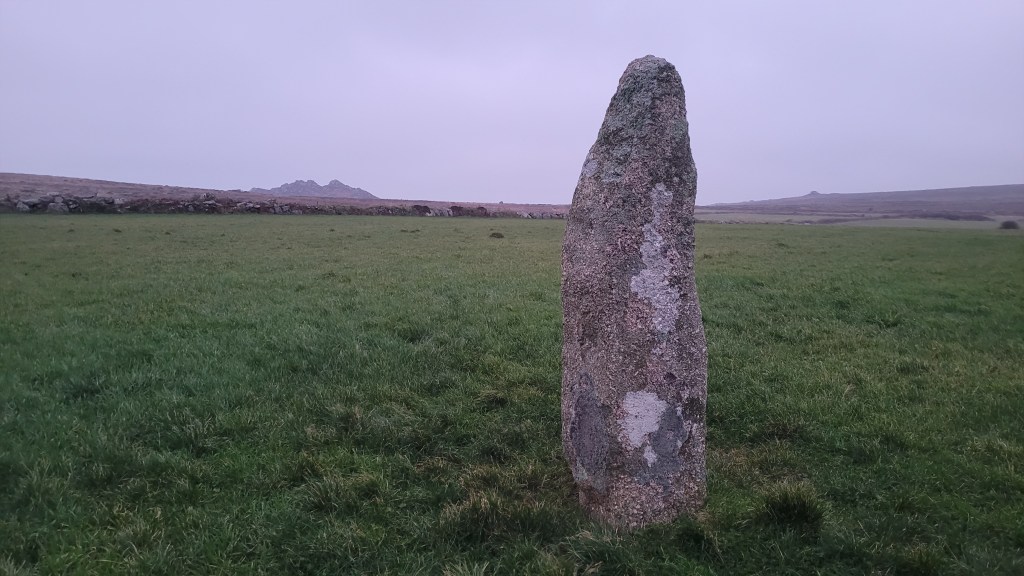
Mên Scryfa
Mên Scryfa, meaning written, or inscribed stone in Cornish. This 1.8m tall stone was likely erected during the Bronze Age, but contains an inscription from the 5th or 6th century AD. This reads RIALOBRANI CVNOVALI FILI, a Latinised form of Cornish meaning ‘Royal Raven, Son of the famous leader’. Its said that a battle was…
-
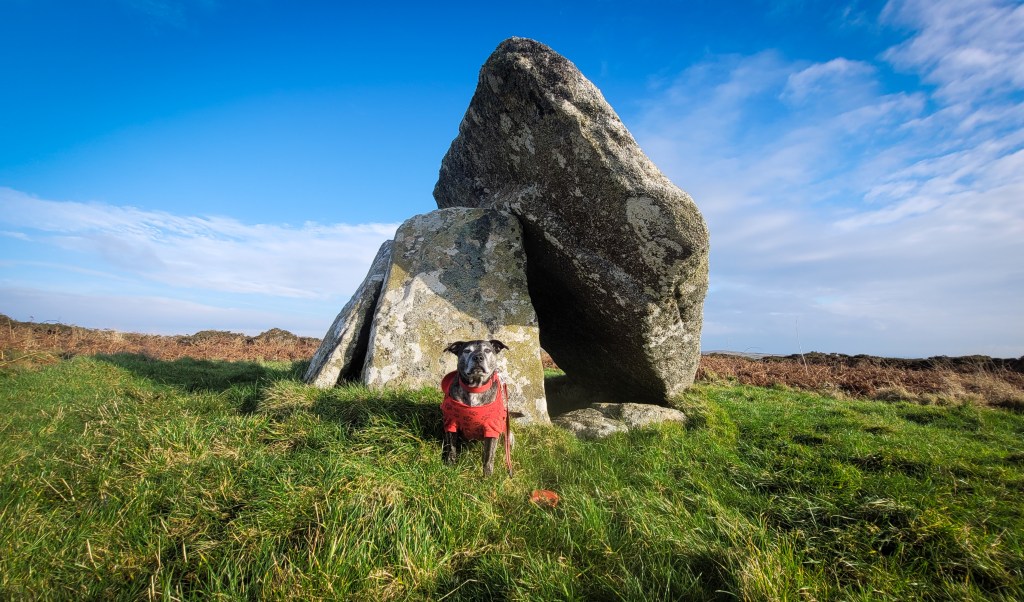
Mulfra Quoit
Neolithic cromlech on Mulfra Hill, Cornwall. It is unclear when the 5 tonne capstone slipped. There was a local story that the capstone fell during a thunderstorm in 1752. However, in the 19th century, antiquarian William Copeland Borlase confirms his great-great-grandfather, William Borlase had recorded the site in the same state as far back as…
-
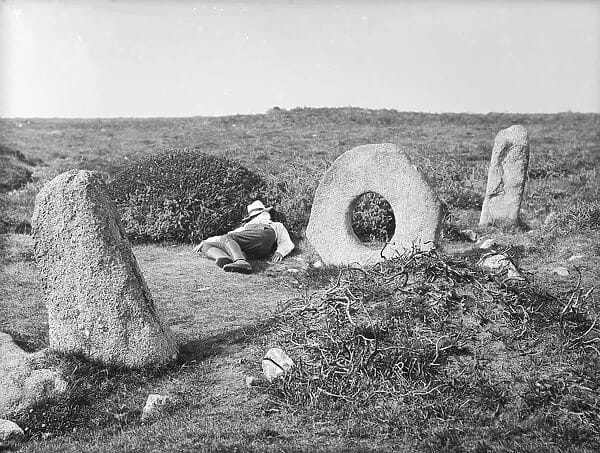
Mên-an-Tol
This formation of stones dates back to between 2,000-3,000 BC.. the late Neolithic or early Bronze-Age. Some believe that these stones have been rearranged at some point, and were once part of a stone circle, up to 18m in diameter. It has also been suggested that the holed stone could have been a capstone for…
 CoralJackz - That History Couple