
Carmarthenshire
-
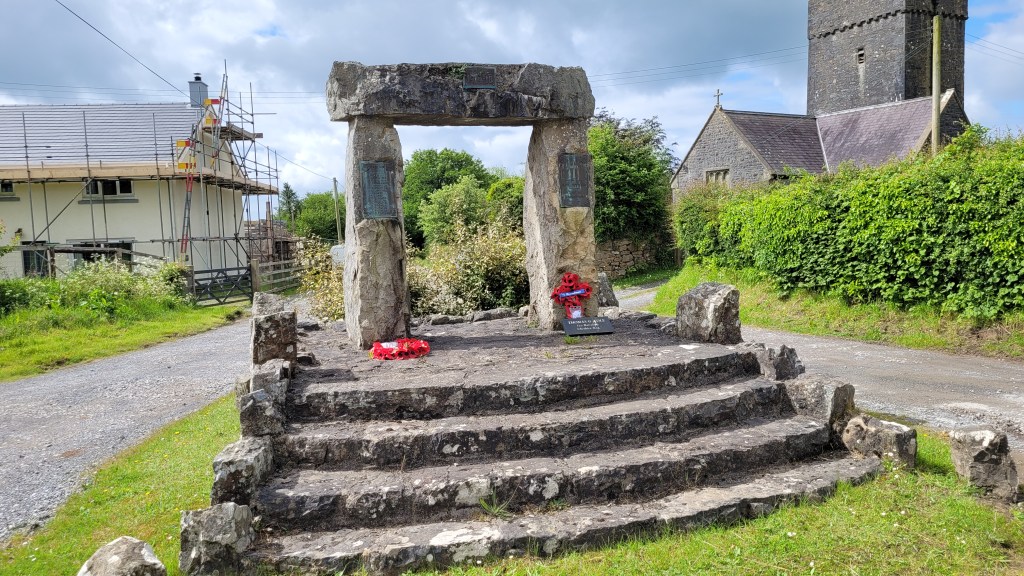
Marros War Memorial
The hamlet of Marros sits on the road between Pendine and Amroth in Carmarthenshire, Wales. Outside the church is a war memorial, built in 1930 and resembles a neolithic dolmen. Allegedly, the stones were brought from an ancient earthwork on Marros Mountain.. Coflein description: https://coflein.gov.uk/en/site/420645/
-
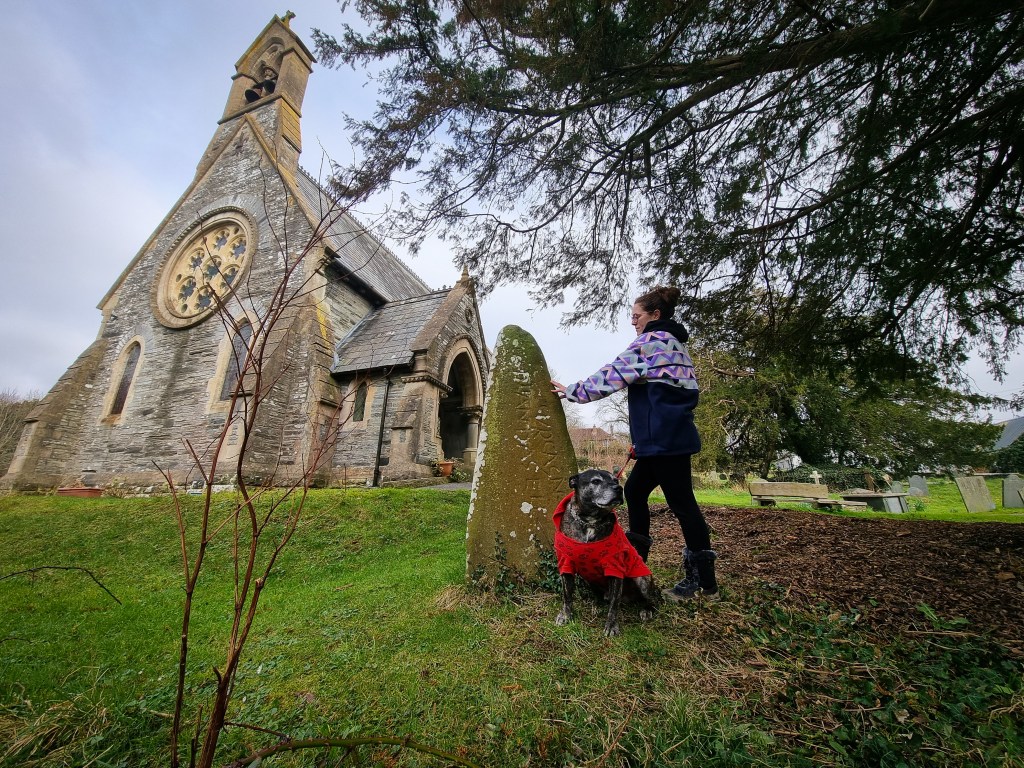
The Gellidywyll Stone in Cenarth
The Gellidydwyll Stone. Inscribed Stone in Cenarth. Carmarthenshire, Wales. This stone now stands in St Llawddog’s Churchyard in Cenarth. The Latin inscription is thought to date to the 6th century and translates to ‘Curcagnus, son of Andagelli’. In 1743 this stone was recorded as standing on the roadside adjacent to Temple Druid, around 20 miles…
-

Inscribed Stone at St Cledwyn’s Church – Carmarthenshire, Wales
St Cledwyn/St Clydwen’s is a medieval church in Carmarthenshire, Wales. The church sits on a hill overlooking the village of Llanglydwen, and a short walk from Gwal y Filiast neolithic cromlech. An incised stone decorated with a wheel-cross is located in the churchyard, thought to date to the 7th century. There are early records of…
-
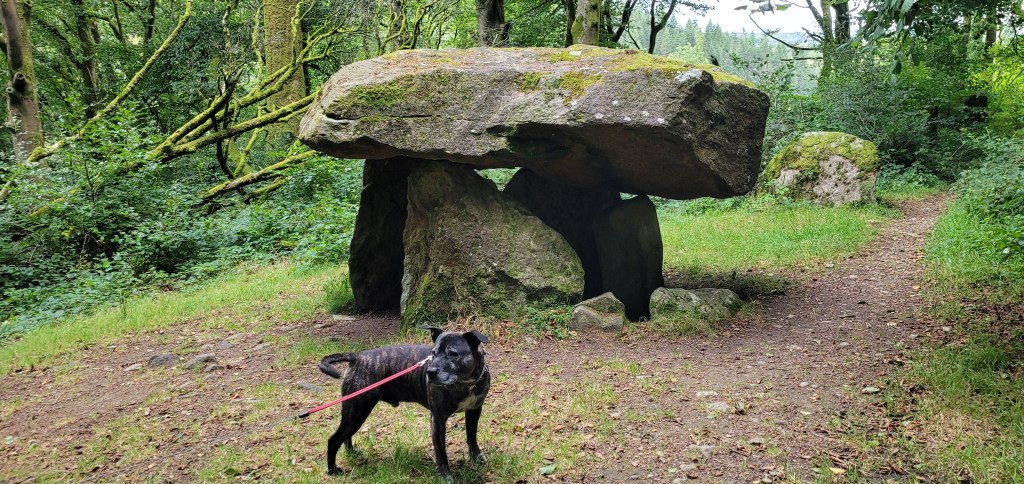
Gwal y Filiast – Carmarthenshire, Wales
A stunning Neolithic cromlech/dolmen situated on a public footpath in a wooded valley. This is a wonderful site, and is steeped in legends.. Earliest records:The earliest record we could find of Gwal y Filiast is from Edward LLuyd in 1695, who notes – ”Gwaly Viliast or Bwrdh Arthur in Llan Boudy parish, is…a rude stone…
-
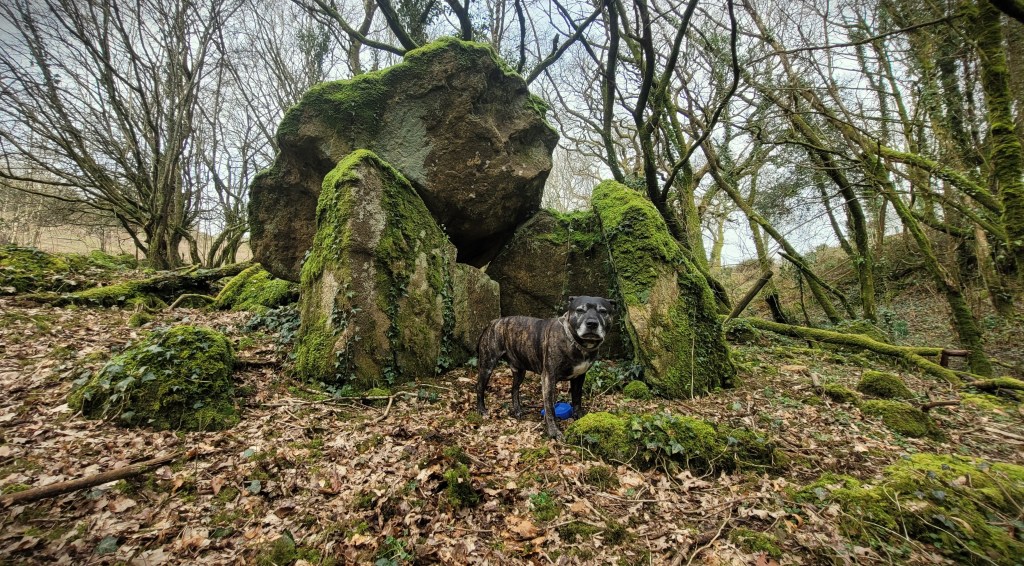
Twlc y Filiast
This disturbed neolithic megalith sits in a woodland in the small village of Llangynog in Carmarthenshire, Wales. In this post we’ll cover the excavations that took place here in the 1950s, as well as delve into the legends surrounding its name… Excavation of the site:The site was excavated in 1953 by Hubert N. Savory. The…
-
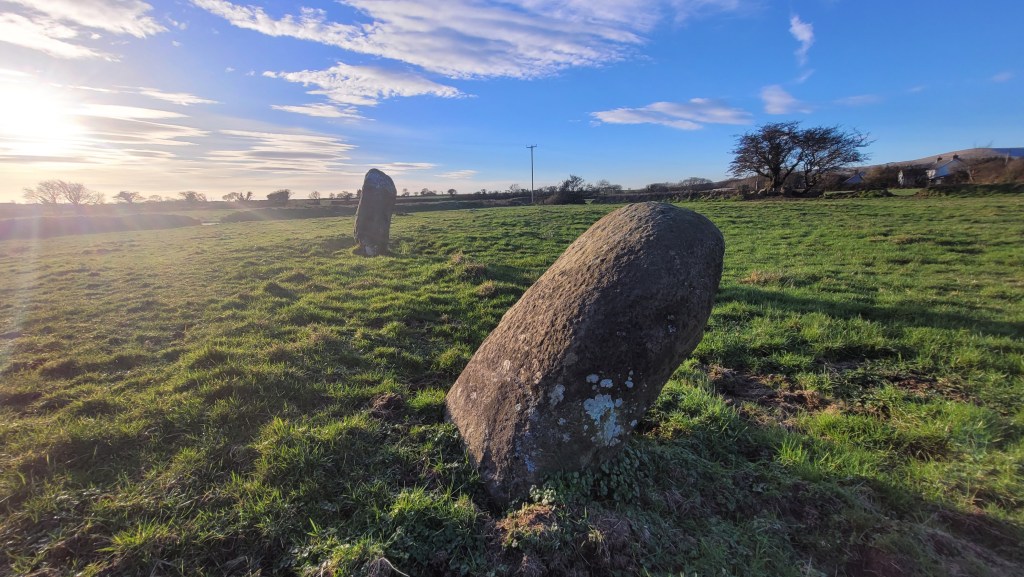
Meini Gwyr – Bronze Age Site – Carmarthenshire, Wales
Meini Gwyr.. situated in Glandy Cross in Carmarthenshire, straddling the Pembrokeshire boundary.. Today, all that remains of this monument, estimated to be from the Bronze Age, is a few lonely stones. In the 17th Century Edward Lhuyd recorded that there were still fifteen stones in the circle, and he was aware that some stones had…
 CoralJackz - That History Couple