
Standing Stones
-
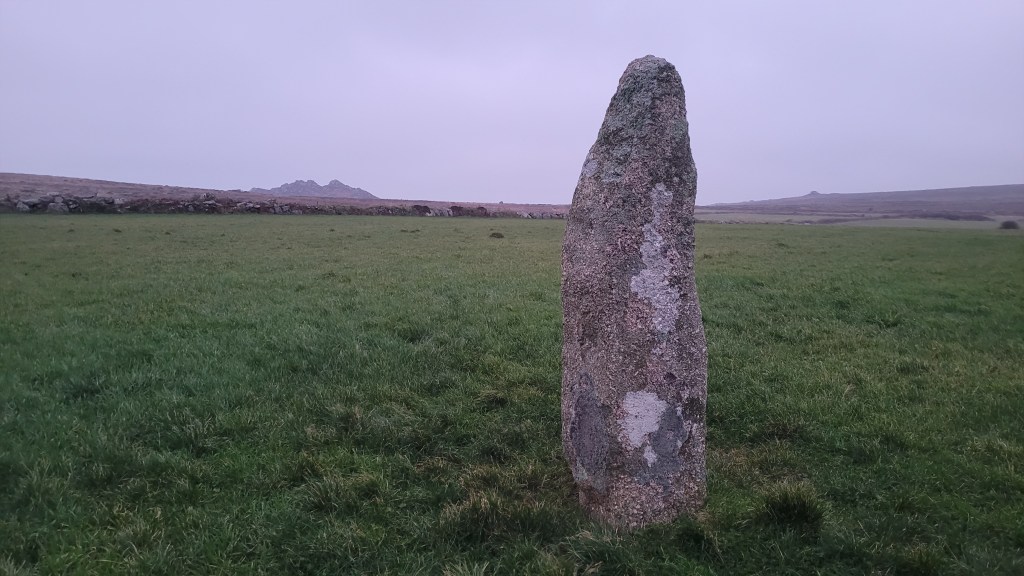
Mên Scryfa
Mên Scryfa, meaning written, or inscribed stone in Cornish. This 1.8m tall stone was likely erected during the Bronze Age, but contains an inscription from the 5th or 6th century AD. This reads RIALOBRANI CVNOVALI FILI, a Latinised form of Cornish meaning ‘Royal Raven, Son of the famous leader’. Its said that a battle was…
-
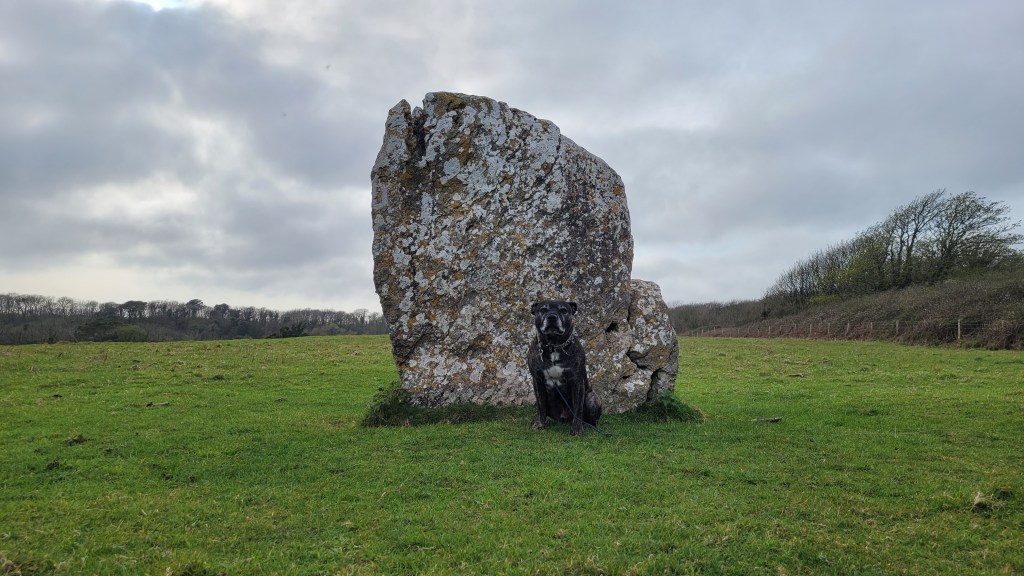
Devil’s Quoit – Stackpole
Grid Reference: SR9810095060 The Devil’s Quoit is a prehistoric standing stone, 1.7m tall, located in the Stackpole Warren Nature Reserve in Pembrokeshire, Wales. The landscape of Stackpole is rich in prehistoric history, and in the 1970s was subject to extensive excavations which revealed occupation from the Mesolithic Period through to the Romano-British Period and beyond.…
-
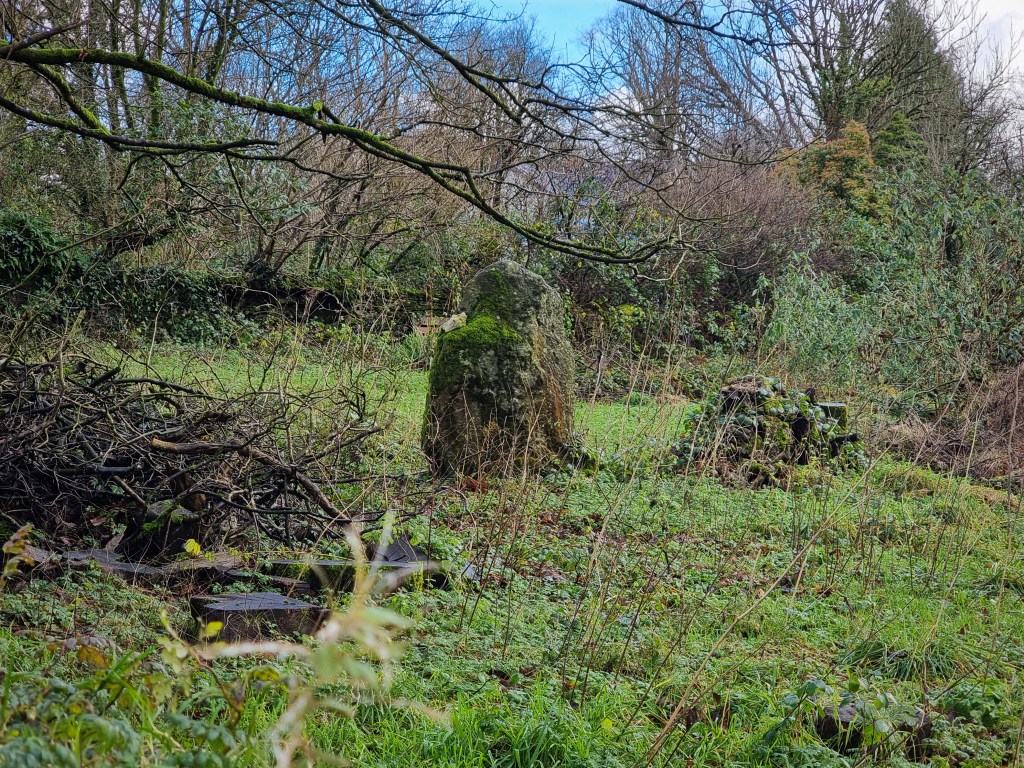
Temple Druid Neolithic/Bronze Age remains
Temple Druid and Prysg Farm are home to a complex of Late Neolithic and Bronze Age monuments, including a possible henge enclosure, standing stones which are now scattered about, as well as the remains of one or more neolithic cromlechs. Temple Druid is a grade II listed John Nash house. The present house is not…
-
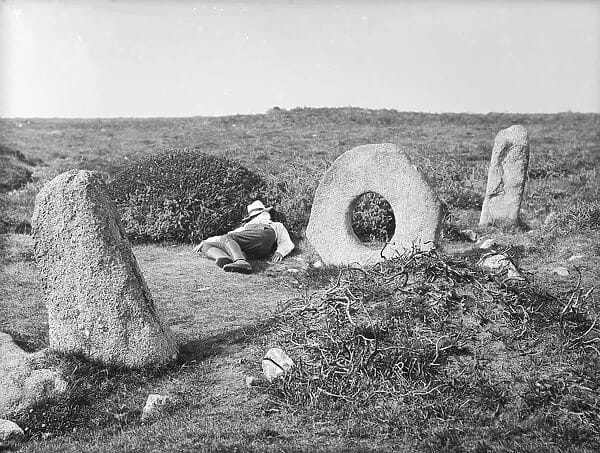
Mên-an-Tol
This formation of stones dates back to between 2,000-3,000 BC.. the late Neolithic or early Bronze-Age. Some believe that these stones have been rearranged at some point, and were once part of a stone circle, up to 18m in diameter. It has also been suggested that the holed stone could have been a capstone for…
-
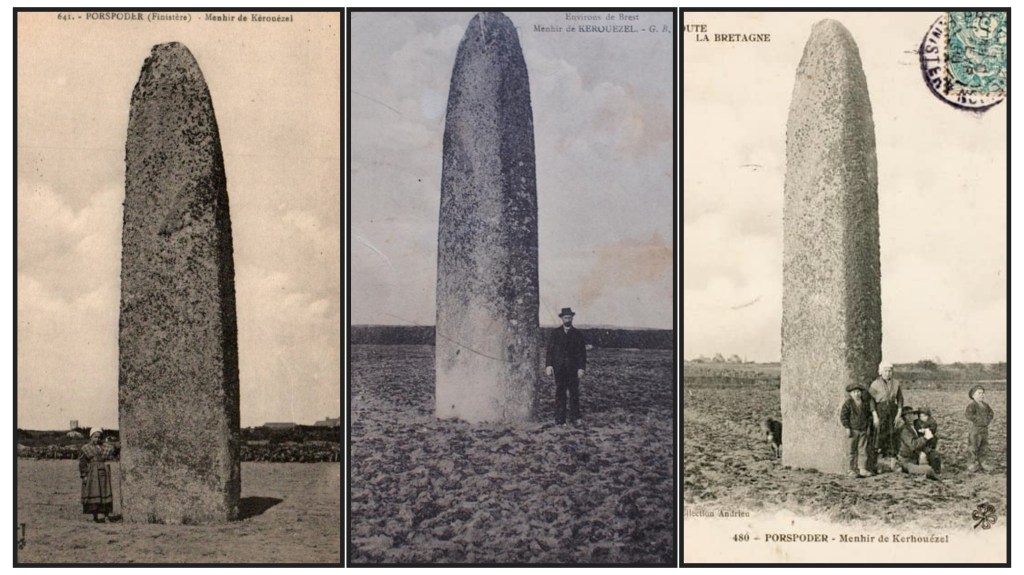
Menhir de Kerhouézel
An almost 7m tall Menhir located in the commune of Porspoder, in the department of Finistère in Brittany, France. This stone is thought to have been erected during the neolithic period, and is still standing today. Georges Guénin relates in his book Legend Stones of Brittany/Pierres à Légendes de la Bretagne ( 1936 ) :…
-
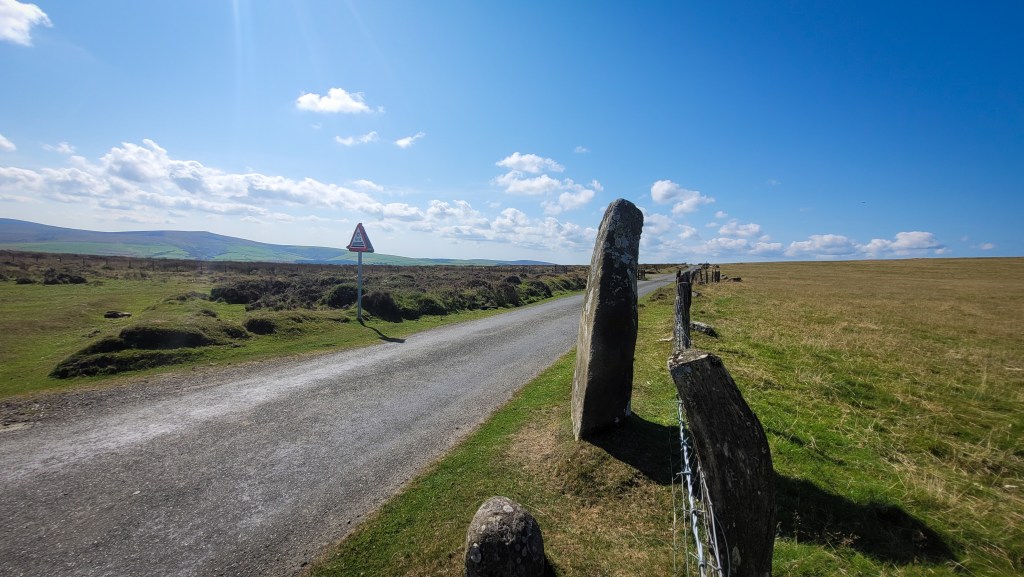
Bedd Morris – Grave of Morris
Prehistoric Standing stone in Pembrokeshire, Wales. The 6ft tall stone has inscriptions indicating that it was used in recent centuries as a boundary marker between the parishes of Newport and Llanychlwyddog. It is believed by experts to have been erected in the Bronze Age, but Coflein states that its antiquity is in doubt, due to…
-

Waen Llechi Standing Stone
Situated within Bannau Brycheiniog (Brecon Beacons National Parc) in Powys, Wales. Alternative names: Waun Leuci, Waun Lleuci, Fforest Fawr. This stone boasts stunning views of the Tawe Valley. It’s one of many prehistoric sites dotted about this landscape. We will return to explore the other sites soon and hopefully get some drone shots. It is…
-
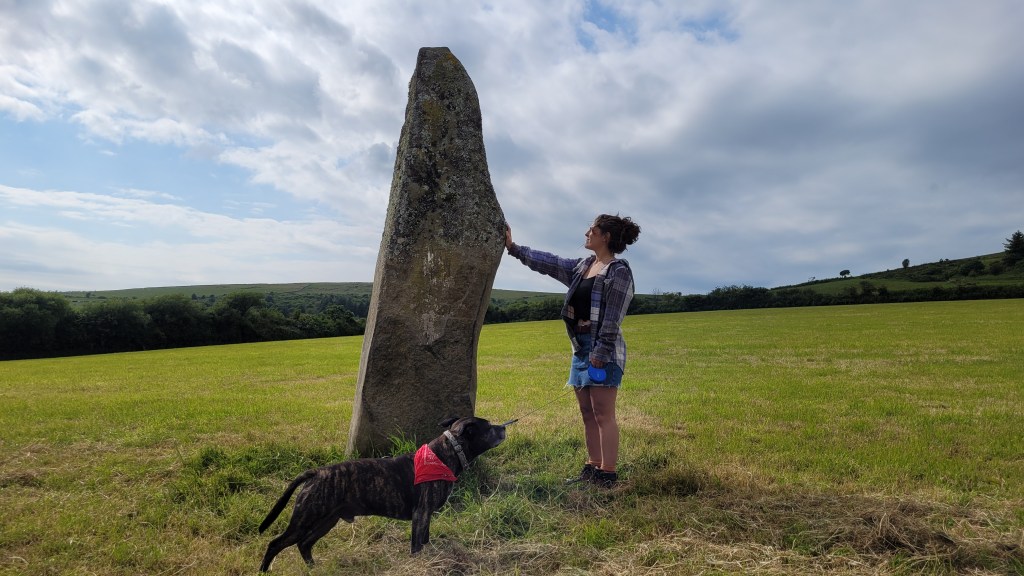
Budloy Stone – Pembrokeshire, Wales
The Budloy Stone.. A monolith standing at 2.6m tall.We walked here following the public footpath that leads past the Dyffryn Stones, through some beautiful country lanes toward the Budloy Stone.
-
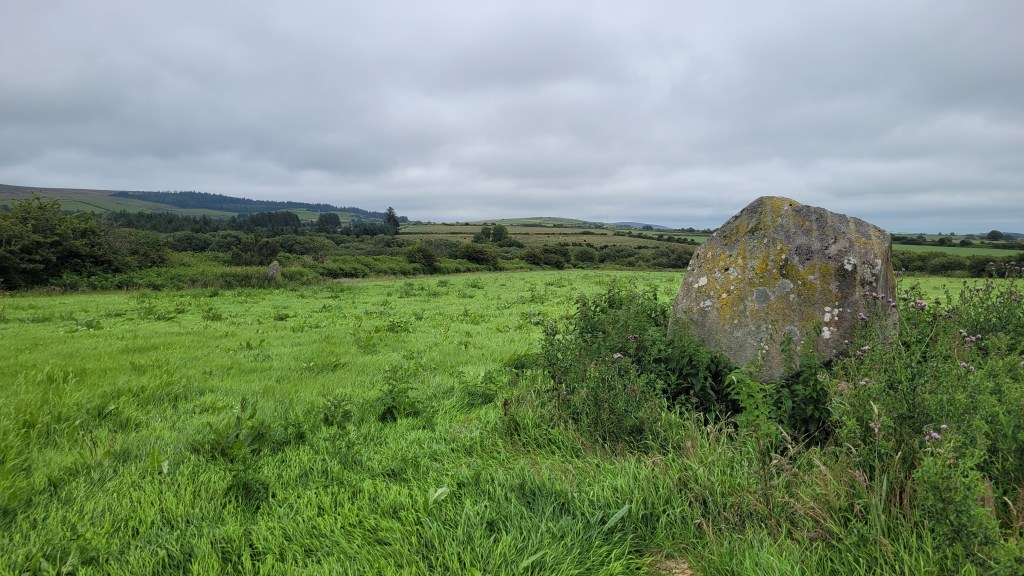
Cornel Bach – Maenclochog Standing Stones
Pair of Bronze Age standing stones in the village of Maenclochog in Pembrokeshire, Wales. This area is full of the remnants of prehistoric sites. Many were recorded in previous centuries but have since been destroyed. This pair of stones is recorded in Archaeologia Cambrensis, 1900 as follows:“Maenclochog SN 082279. Cornel Bach. Both stones are 6ft…
-
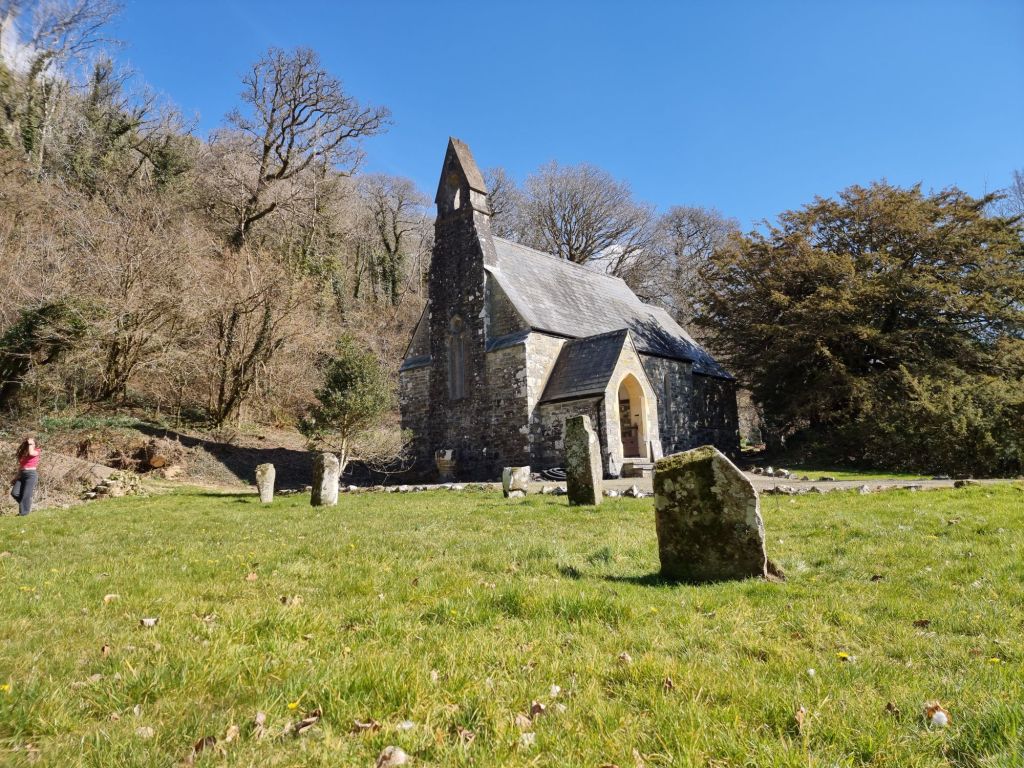
The Pillar Stones – Llanychlwydog
In St David’s Churchyard stands what are marked on OS maps as the ‘Pillar Stones’.. a group of early-christian inscribed stones.A medieval church at this site was demolished in 1864 and entirely rebuilt in the 19th century. The church is now in private ownership, but before the building was converted, permission was granted for excavation…
 CoralJackz - That History Couple