
antiquarian
-
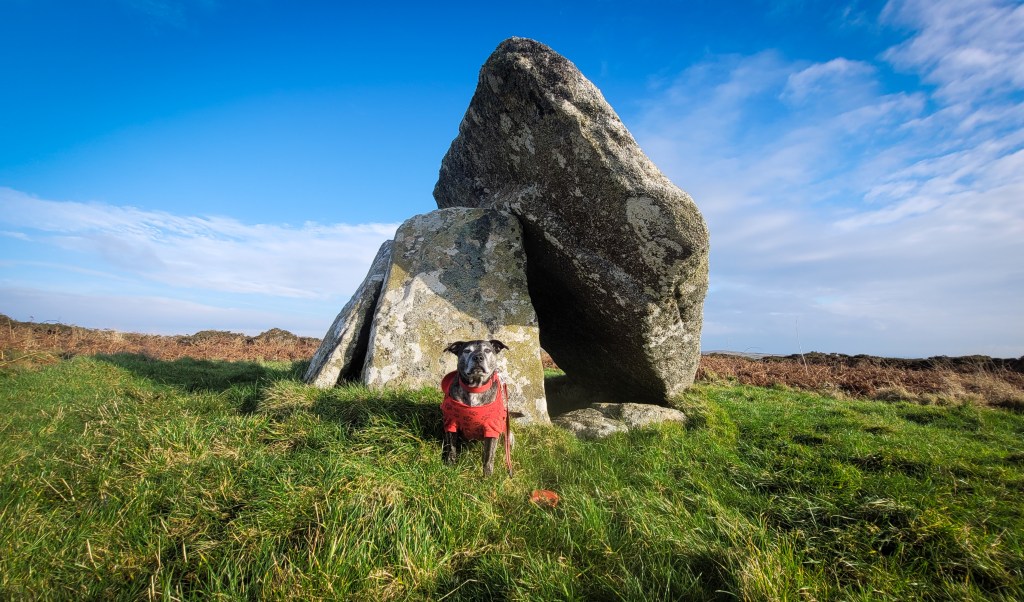
Mulfra Quoit
Neolithic cromlech on Mulfra Hill, Cornwall. It is unclear when the 5 tonne capstone slipped. There was a local story that the capstone fell during a thunderstorm in 1752. However, in the 19th century, antiquarian William Copeland Borlase confirms his great-great-grandfather, William Borlase had recorded the site in the same state as far back as…
-
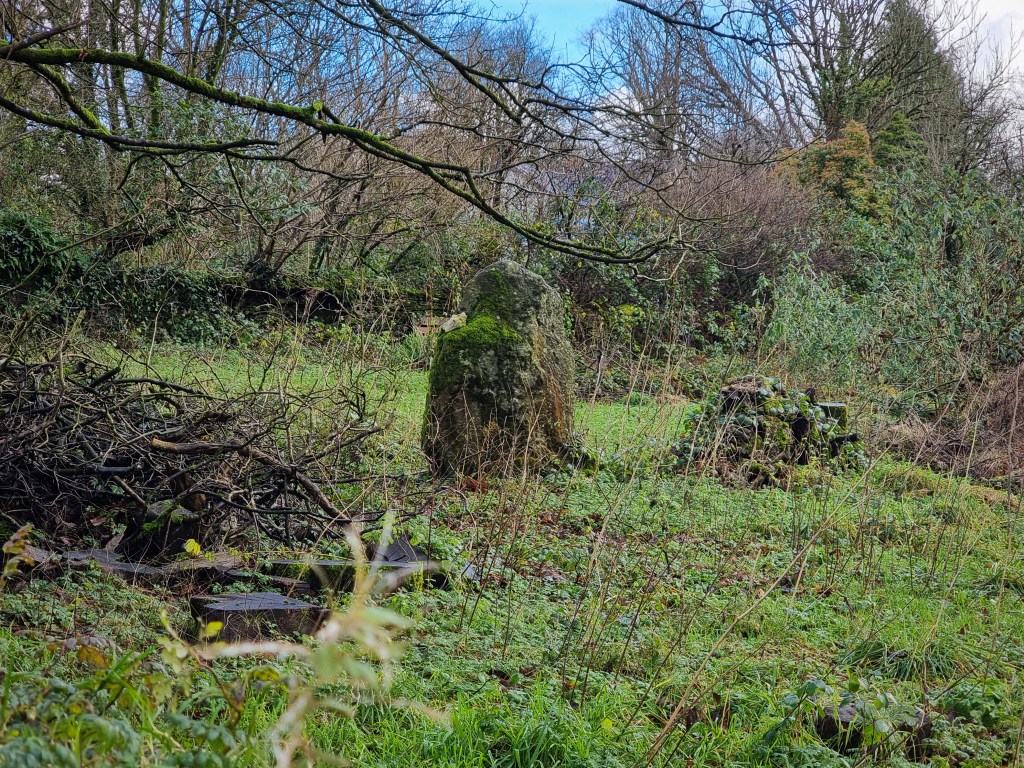
Temple Druid Neolithic/Bronze Age remains
Temple Druid and Prysg Farm are home to a complex of Late Neolithic and Bronze Age monuments, including a possible henge enclosure, standing stones which are now scattered about, as well as the remains of one or more neolithic cromlechs. Temple Druid is a grade II listed John Nash house. The present house is not…
-
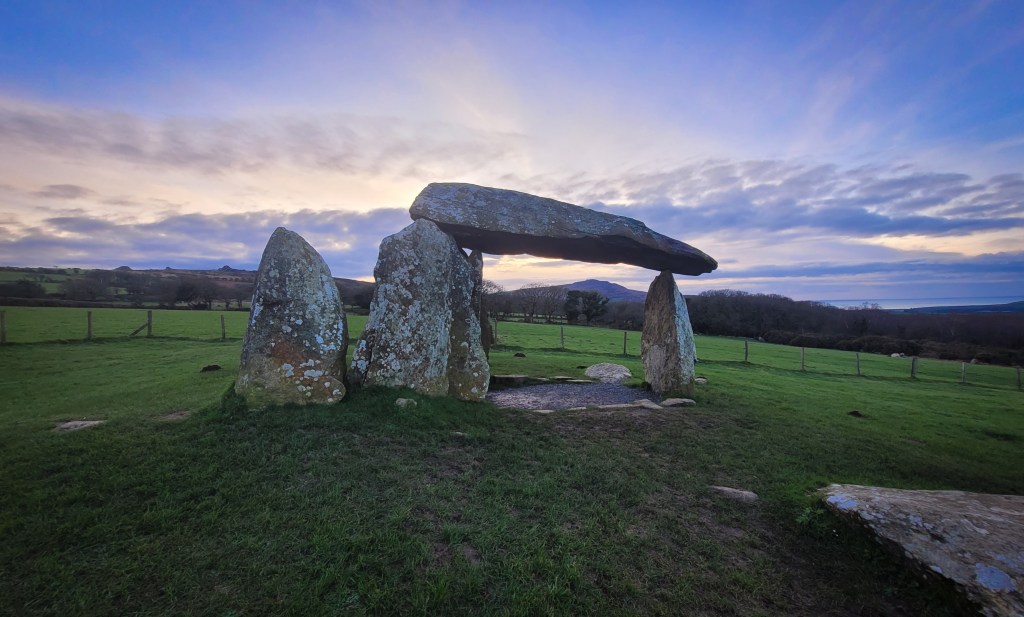
Pentre Ifan Old Records & Images
Pentre Ifan is a neolithic Portal Dolmen in Pembrokeshire, Wales. In this post, we’ll be covering the early antiquarian records of the monument, as well as the oldest photographs and illustrations. We will do a more general post regarding Pentre Ifan and its archaeology and legends. We cover the excavations that took place here in…
-
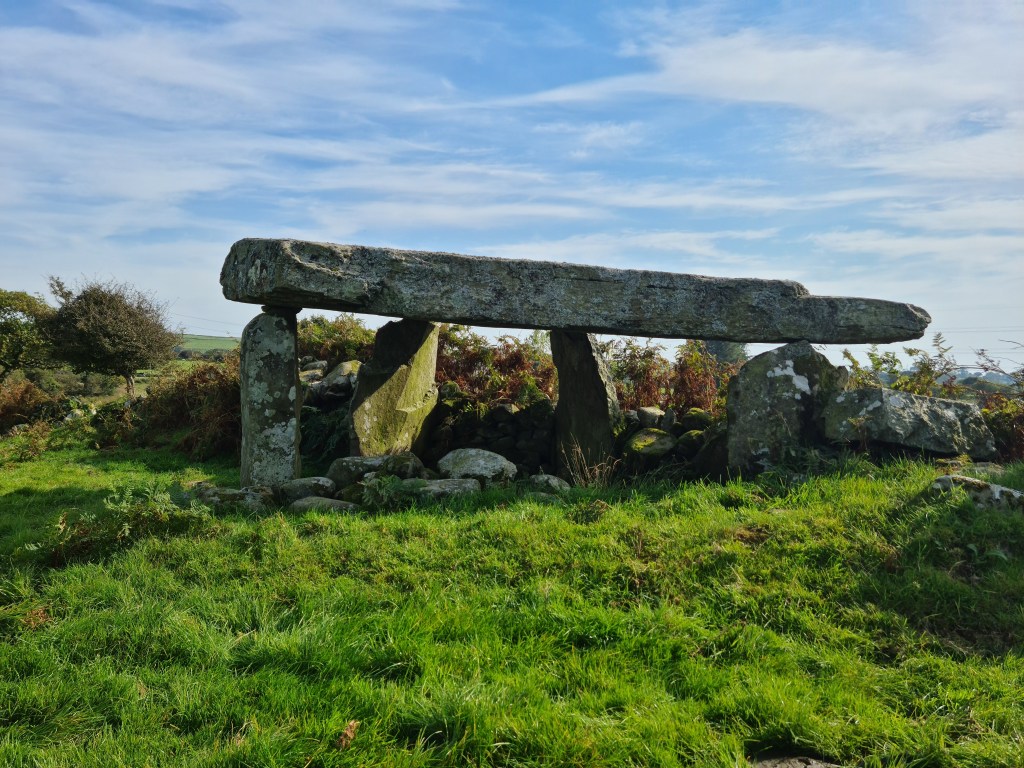
Ystum Cegid Isaf
Neolithic site near Criccieth – Gwynedd, Wales. Today it is an impressive monument with four large uprights supporting a single huge capstone, but it hasn’t always looked like this… Back in the 1700’s there were around 13 uprights, and 3 capstones, forming a much larger and more complex structure. But by 1816, the two smaller…
-
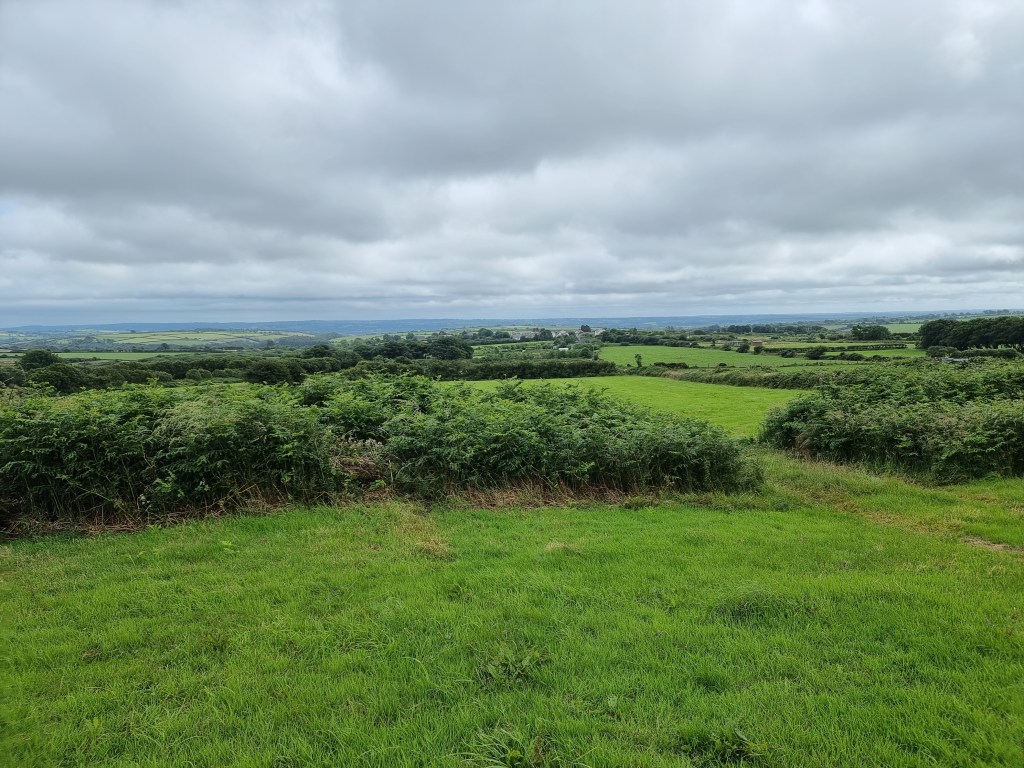
Eithbed – Destroyed Site in Pembrokeshire, Wales
Between the villages of Maenclochog and Rosebush is the Eithbed prehistoric ruins. In these fields there were once three stone cirlces as well as three cromlechs. Sadly, at the start of the 20th century, the monuments were destroyed by new land owners in an attempt at clearing the fields of stone. The following is from…
-
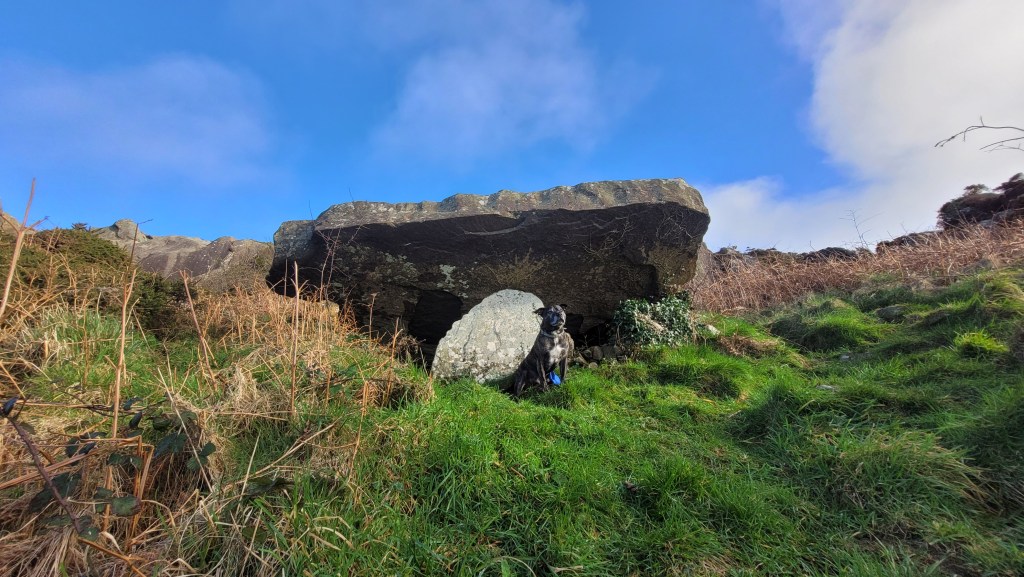
Garn Wnda Neolithic monument
On a rocky outcrop overlooking the village of Llanwnda in Pembrokeshire is Garn Wnda. Similar to other sites dotted about this headland, Garn Wnda is classified as an “earth fast” chambered monument, in that it is comprised of a large stone slab or capstone propped up by a single stone upright, with the southern end…
-
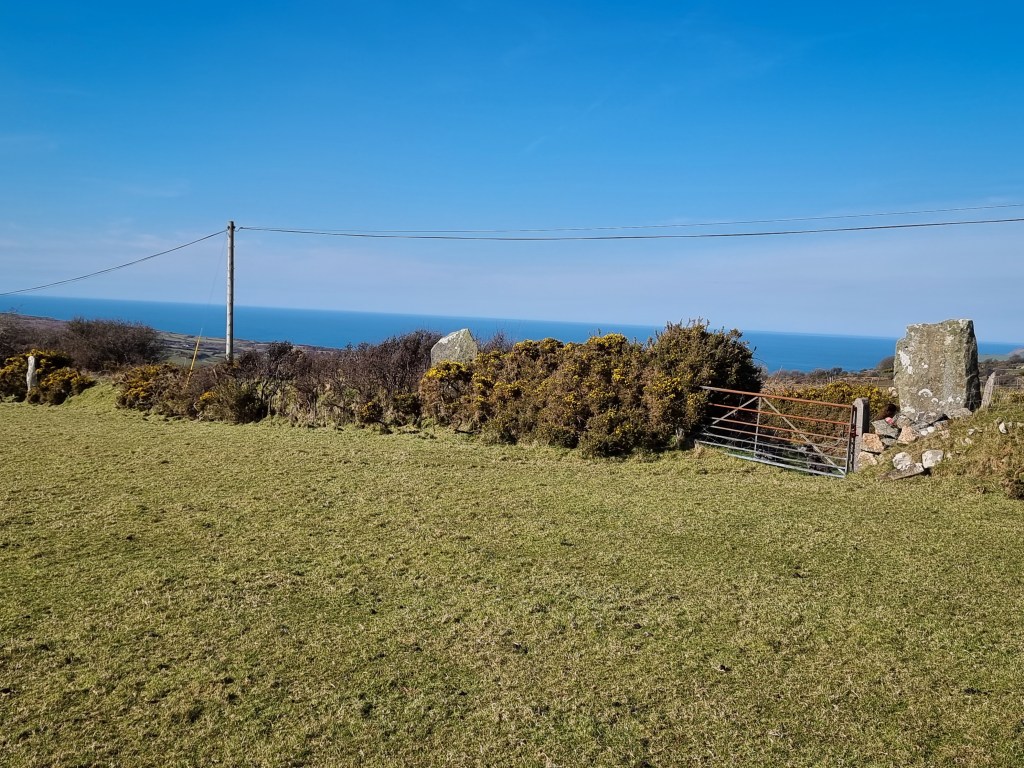
Parc y Meirw Stone Alignment
This site in considered to be the longest Bronze Age stone row in Wales. The name translates to Field of the Dead, and is located within the parish of Llanllawer (older-Llanllawern) in Pembrokeshire. Today, the site consists of four standing stones and two prostrate stones with the tallest 2.7m high. They are set within a…
-
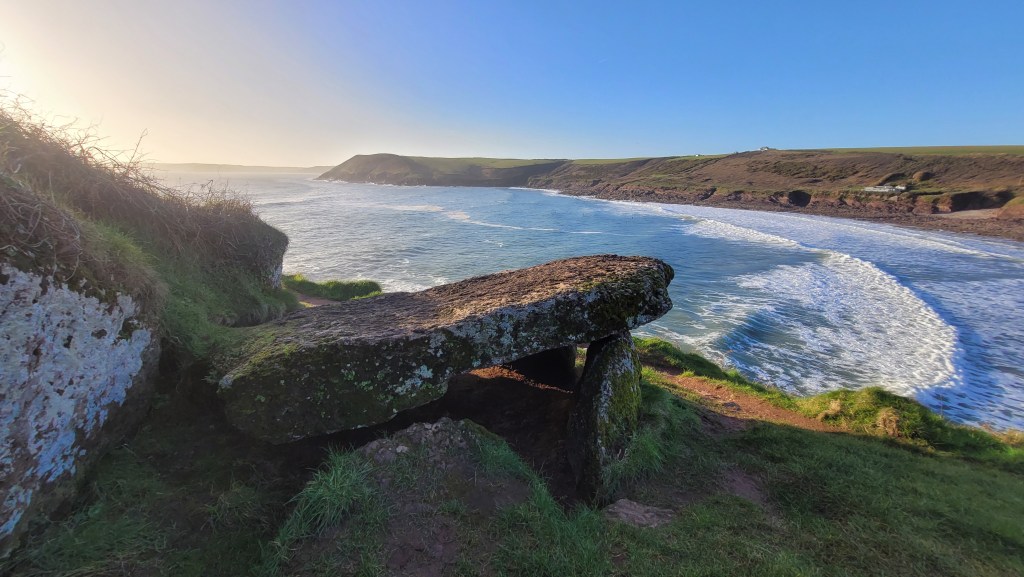
King’s Quoit Cromlech in Manorbier
The King’s Quoit, a Neolithic Cromlech overlooking the beautiful Manorbier Beach.. Just a short walk from a car park overlooking the sea. The capstone is a massive slab of maroon sandstone, raised upon two small uprights. As you walk across the sand towards the Coastal Path up the cliffs, you can look inland towards the…
-
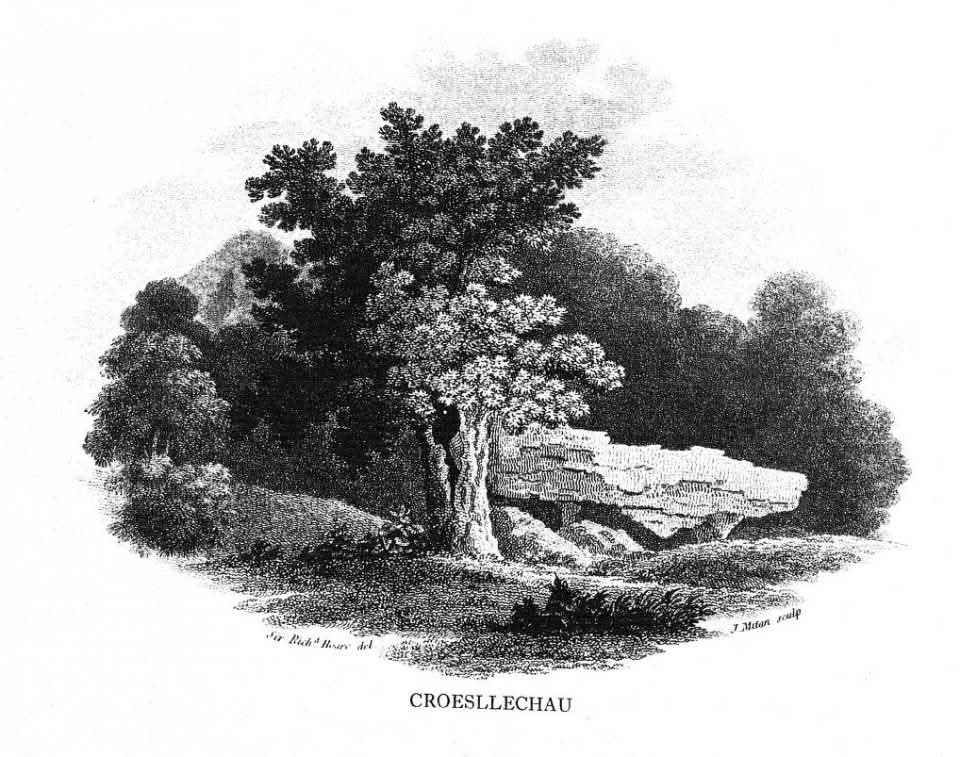
Croes-llechau, Bronllys, Wales.
Sadly this cromlech is now in ruin, but we do have an account from 1809 by Theophilus Jones in the ‘History of the County of Brecknock volume 2’: “In a field called Croeslechau about two miles eastward of this town or village [Talgarth] but in the parish of Bronllys and on a farm called Bryn-y-groes,…
-
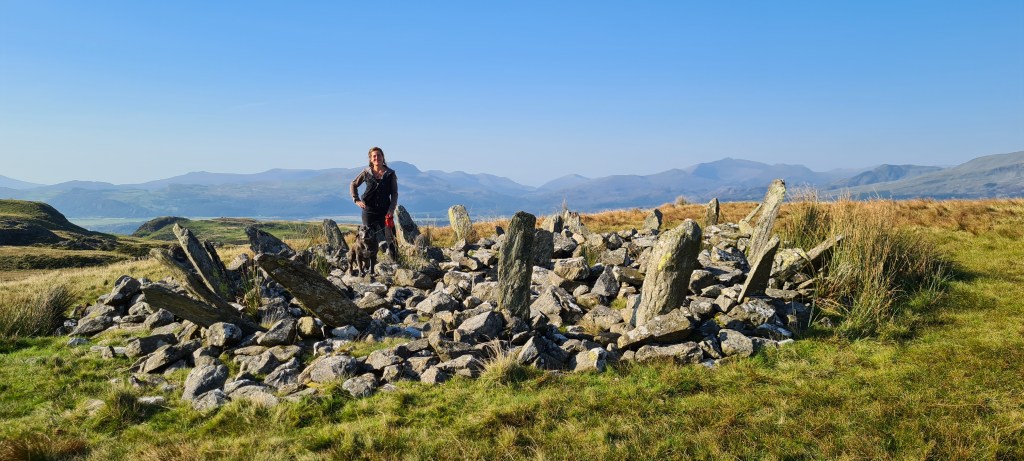
Bryn Cader Faner – Gwynedd, Wales
In this post we’ll be exploring the iconic Bronze Age Cairn.. Bryn Cader Faner. This is a stunning monument situated in Eryri (Snowdonia) National Park.. boasting spectacular views of the surrounding mountain landscape. Sadly, the structure has been badly damaged over the years.. From being pillaged by treasure hunters, used as target practice by the…
 CoralJackz - That History Couple