
dolmen
-

Dolmen de Confolens – France
Alternative Name: Dolmen de Périssac, Tombeau de Mme Gontier. This Neolithic dolmen is located in the cemetery of the town on Confolens. It was moved here in the 19th century to house the tomb of the wife of the sub-prefect Cecile-Jeanne-Marie Crevelier. The 10 tonne capstone was transported by a carter from Périssac to Confolens…
-
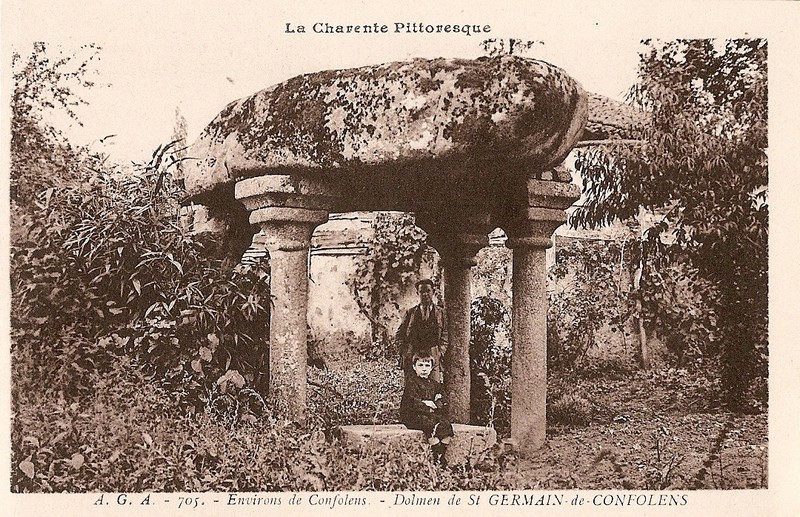
Dolmen of Sainte-Madeleine in France
This dolmen was transformed in the Middle Ages into a chapel, with columns surmounted by carved capitals. Excavations carried out in 1878 made it possible to discover a medieval burial ground with a jug and a terracotta altar-cruet. This unusual chapel was classified as a historic monument in 1900. According to local legend St. Madeleine…
-
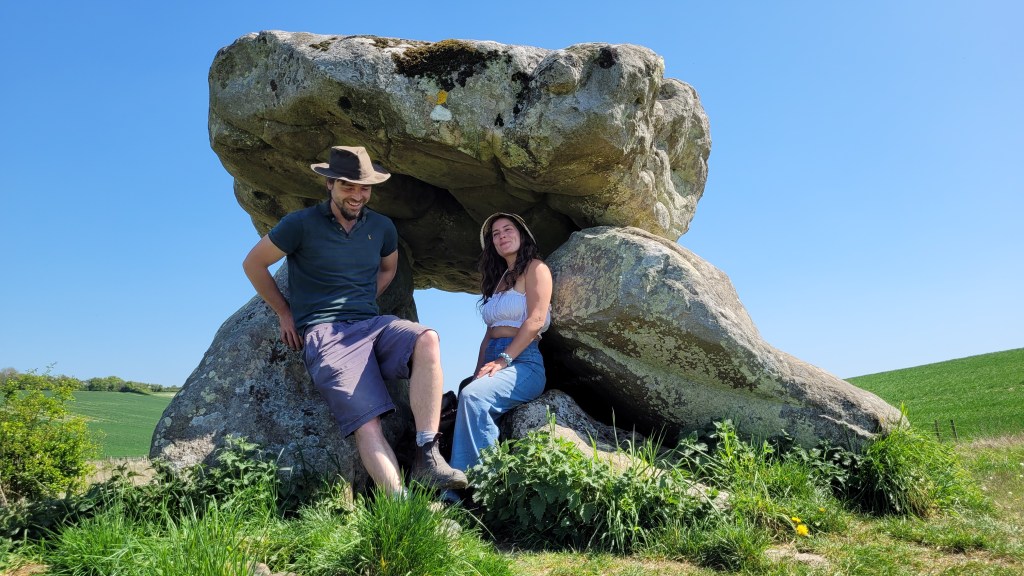
The Devil’s Den
We recently took a trip to Wiltshire, England to see some prehistoric sites. First stop was The Devil’s Den, a neolithic structure in Clatford Bottom. Some refer to this structure as a Dolmen which never had a covering mound, others believe this is the remains of a long barrow… We parked at the “Up On…
-
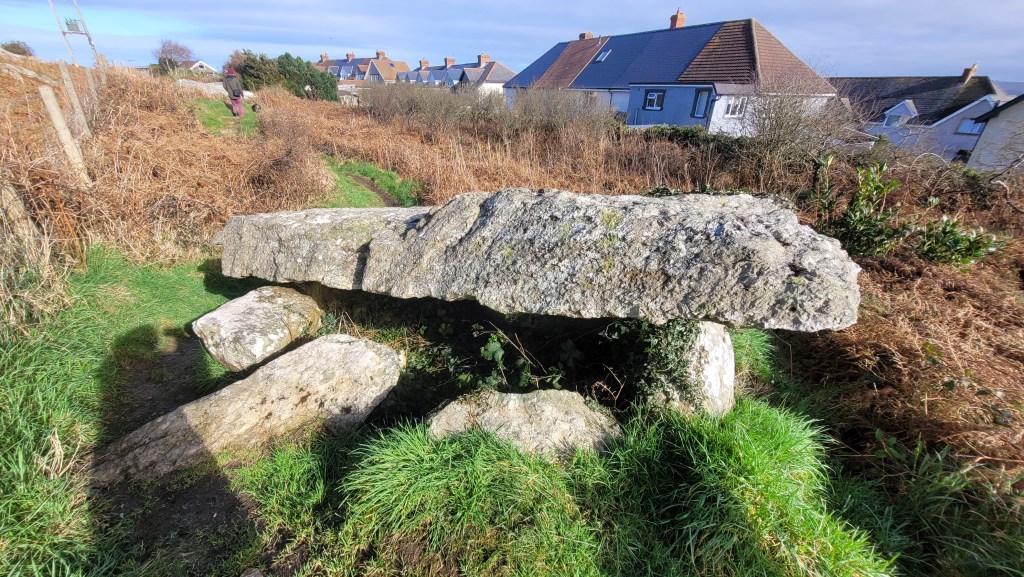
The Garn Wen Neolithic ‘Cemetery’
Behind a row of houses in Goodwick, Pembrokeshire is this row of neolithic chamber ‘tombs’.. Estimated to date back to at least 4,400 BC – 2,900 BC. Up until around 2016, this site was inaccessible due to overgrowth, and accounts online say the field was sadly being used by some to dump rubbish and ride…
-

Cefn Isaf – Cromlech in Rhoslan
This Neolithic Cromlech is near Criccieth in Gwynedd, Wales. It’s pretty easy to access, with a public footpath leading to the field just a short distance from the village of Rhoslan. The following is quoted from Arch. Camb Vol.(XV 1869 p. 137): This Cromlech lies in a field on the farm called Cefn Isaf, about…
-
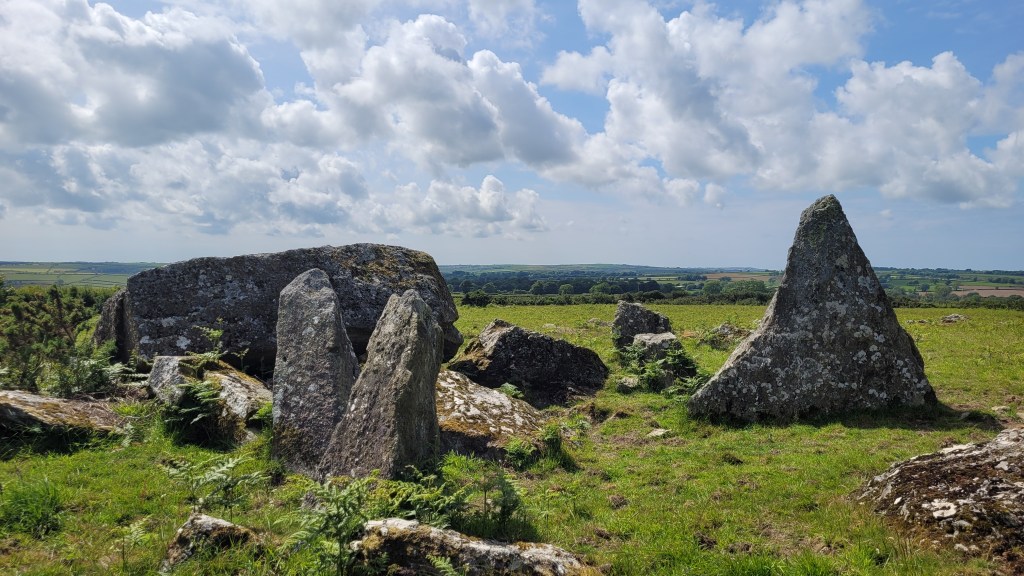
Garn Turne
Garn Turne is a neolithic monument in Pembrokeshire, Wales. In old records the site also goes by Carn Turne, Garne Tarne and Old Coldstone. This is one of three cromlech remains which are clustered around the Hamlet of Colston. The others being The Altar and Parc-y-Llun. The fallen capstone of the cromlech itself is 5m…
-
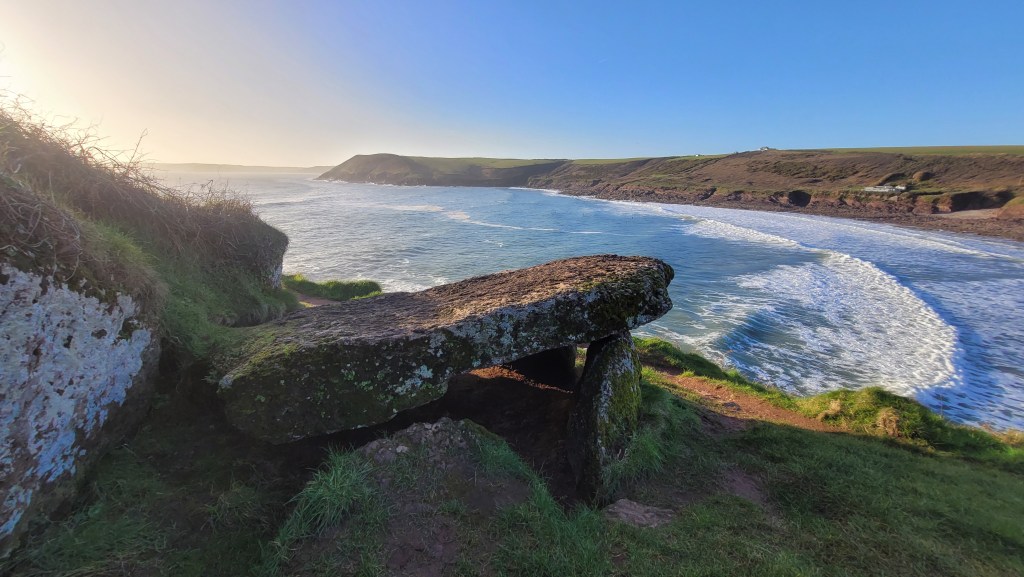
King’s Quoit Cromlech in Manorbier
The King’s Quoit, a Neolithic Cromlech overlooking the beautiful Manorbier Beach.. Just a short walk from a car park overlooking the sea. The capstone is a massive slab of maroon sandstone, raised upon two small uprights. As you walk across the sand towards the Coastal Path up the cliffs, you can look inland towards the…
-
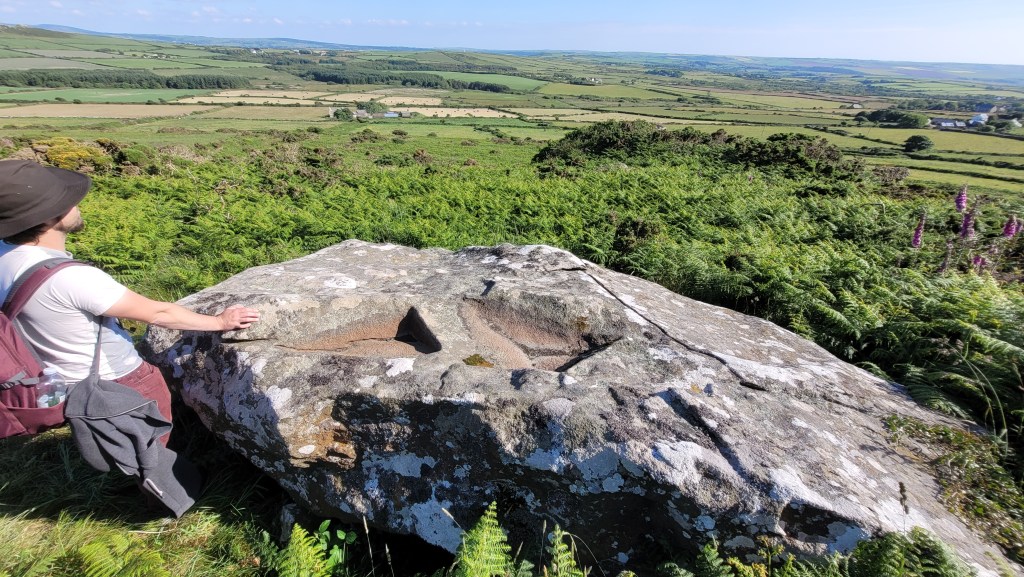
Garn Gilfach Neolithic Cromlech
Strumble Head in Pembrokeshire, Wales is home to numerous neolithic remains. On the rocky hill named Garn Gilfach sits an interesting monument classified as a ‘chambered cairn’.. Upon the capstone are triangular markings which have sparked much curiosity.. We parked our car near the red arrow.. However, the public footpath that goes up the track…
-
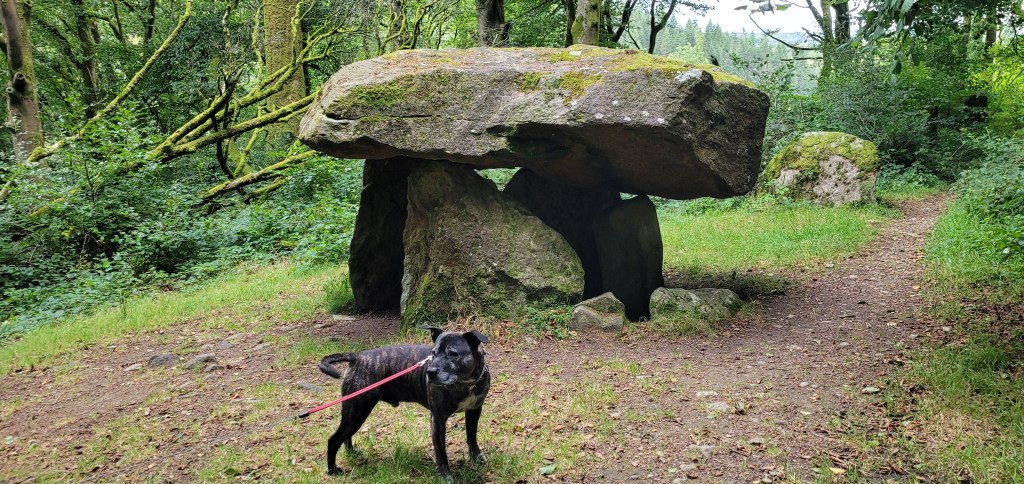
Gwal y Filiast – Carmarthenshire, Wales
A stunning Neolithic cromlech/dolmen situated on a public footpath in a wooded valley. This is a wonderful site, and is steeped in legends.. Earliest records:The earliest record we could find of Gwal y Filiast is from Edward LLuyd in 1695, who notes – ”Gwaly Viliast or Bwrdh Arthur in Llan Boudy parish, is…a rude stone…
-

The Blessing/Answering Stone – St Dogmaels, Wales
‘The Blessing/Answering Stone’Carreg y Fendith/Ateb – St Dogmaels – Pembrokeshire, Wales The stone was rediscovered in 1960 and lies beside the bank of the River Teifi in St Dogmaels. It’s said to be made of spotted dolerite (bluestone) and some believe this is the capstone from a prehistoric dolmen which would have once stood around…

