
history
-

The Blessing/Answering Stone – St Dogmaels, Wales
‘The Blessing/Answering Stone’Carreg y Fendith/Ateb – St Dogmaels – Pembrokeshire, Wales The stone was rediscovered in 1960 and lies beside the bank of the River Teifi in St Dogmaels. It’s said to be made of spotted dolerite (bluestone) and some believe this is the capstone from a prehistoric dolmen which would have once stood around…
-
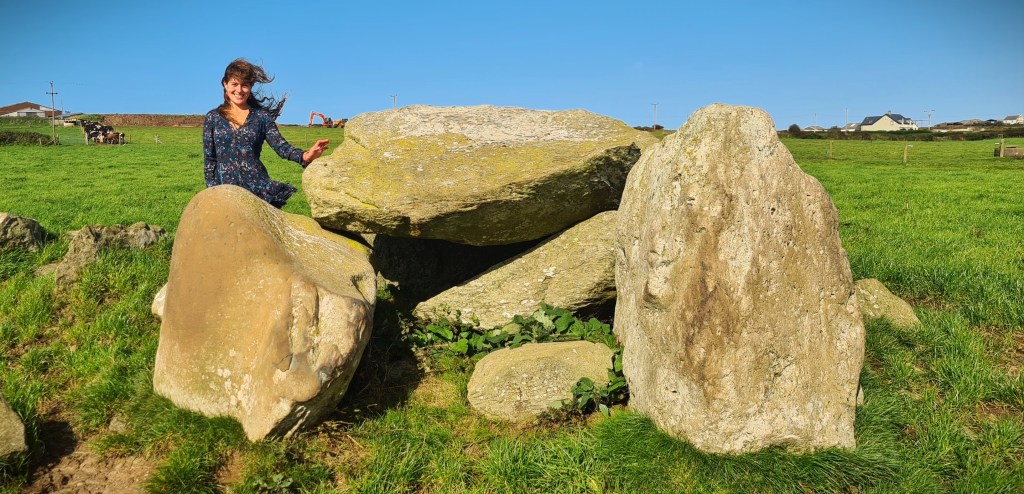
Trellyffaint – Pembrokeshire, Wales
This collapsed neolithic monument is a fascinating site estimated to be at least 6,000 years old. It features ancient rock art and has yielded important finds relating to the earliest evidence of dairy production in Wales.. It also has some very old legends attached to it!Trellyffaint is on private land (and a busy working farm)…
-
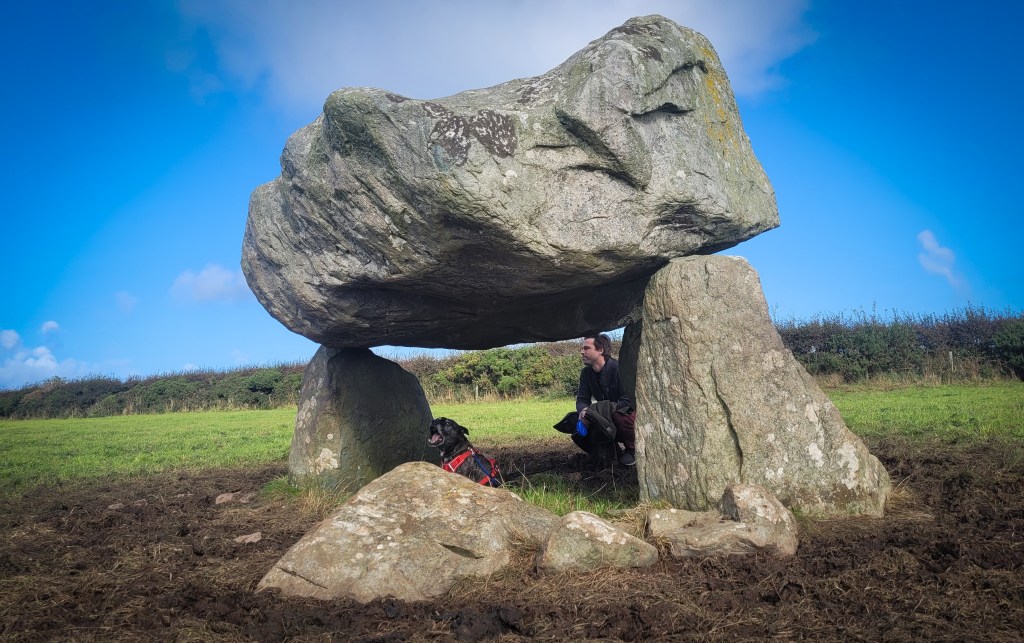
Llech y Drybedd – Pembrokeshire, Wales
Llech y Drybedd is an impressive Neolithic cromlech near Moylegrove in Pembrokeshire. Coflein describes the site as.. “A free standing megalithic chamber, with earthfast stones supporting a substantial capstone: no traces of a mound are mentioned.” There is no designated parking at this site, so we park in Moylegrove and walk along the road. Here…
-
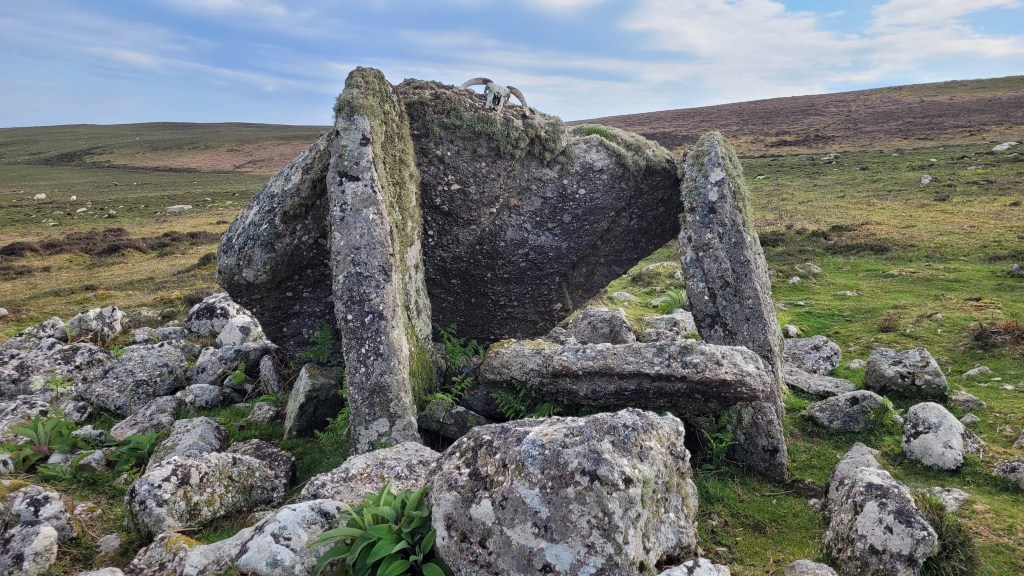
Sweyne’s Howes – Gower, Wales
Sweyne’s Howes is a Neolithic site on Rhossili Downs in Gower, Wales. Today, the site comprises of two ruined cromlechs. In this post we will cover the archaeology of the site, as well as the Viking legends associated with the name.. The North Cairn – The northern of the two is the slightly better preserved..…
-
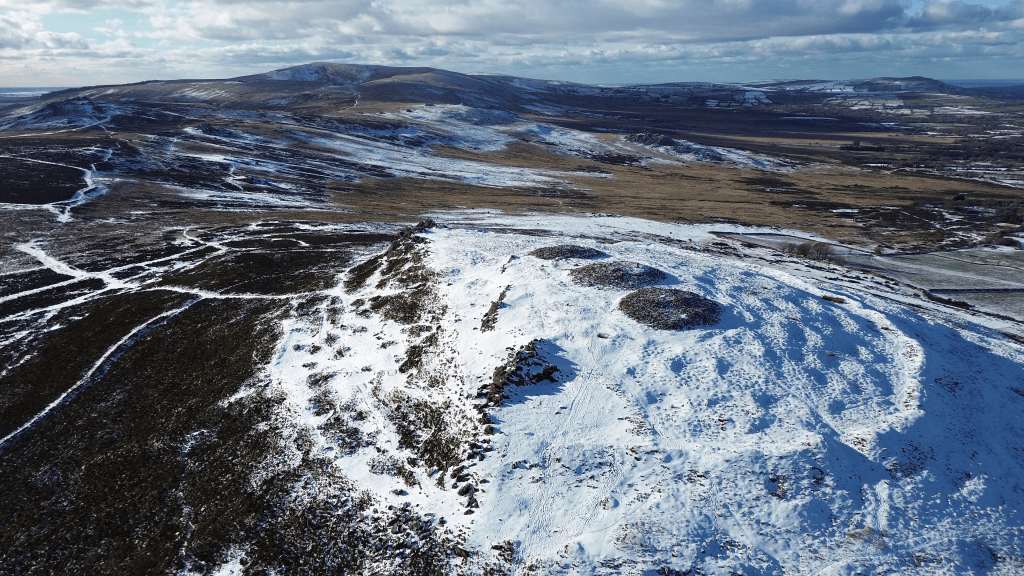
Foel Drygarn Hillfort
Foel Drygarn sits 1.5 miles from the village of Crymych in Pembrokeshire.. It’s classified as an Iron Age hillfort, within which lies three cairns which pre-date the fort and are thought to be from the Bronze Age. Within the ramparts there are around 227 hut platforms.. built around three large cairns at the summit of…
-
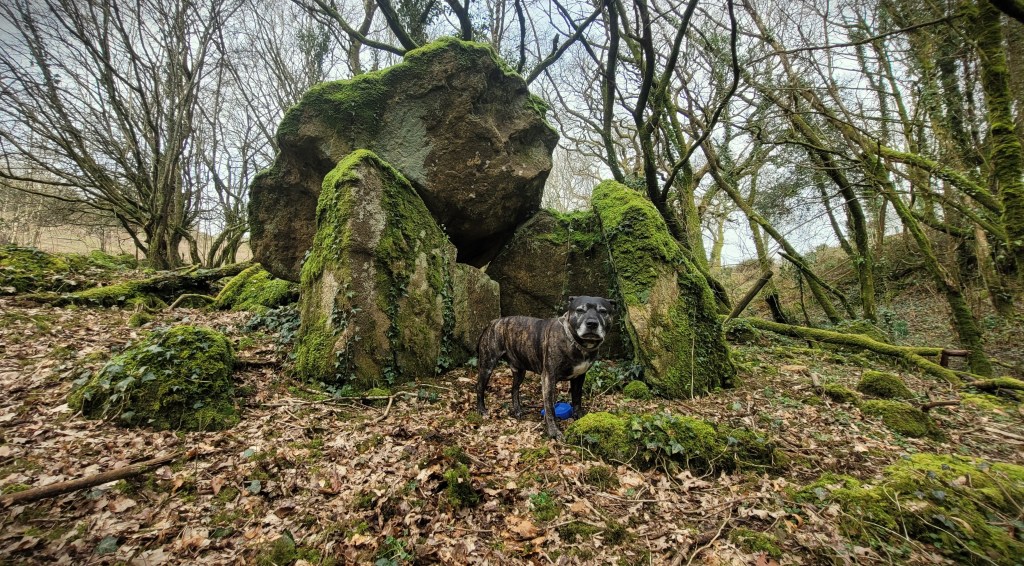
Twlc y Filiast
This disturbed neolithic megalith sits in a woodland in the small village of Llangynog in Carmarthenshire, Wales. In this post we’ll cover the excavations that took place here in the 1950s, as well as delve into the legends surrounding its name… Excavation of the site:The site was excavated in 1953 by Hubert N. Savory. The…
 CoralJackz - That History Couple