
Neolithic Period
-
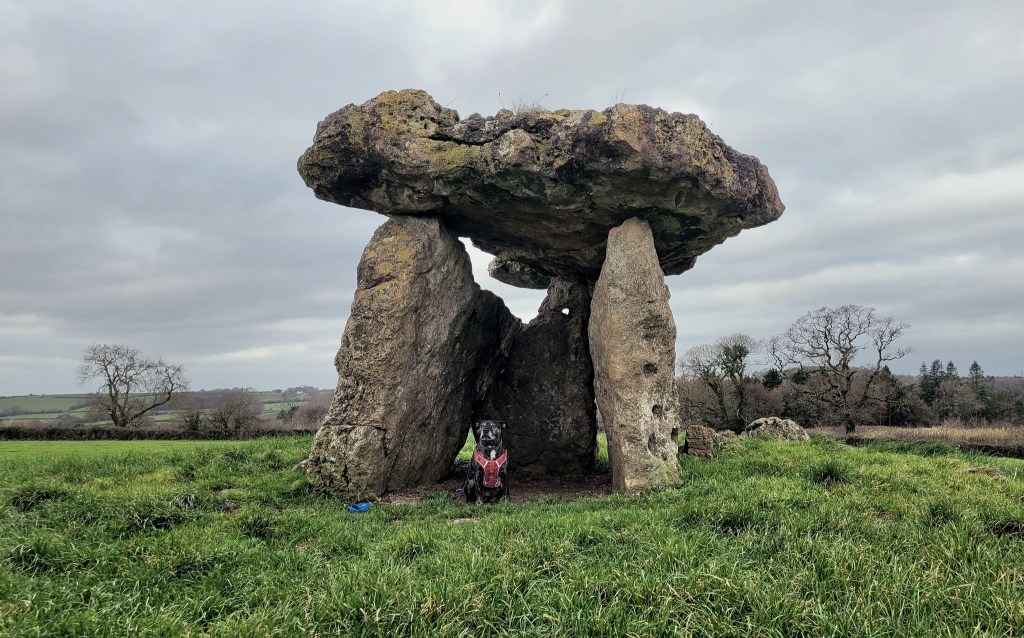
St Lythans Dolmen/Cromlech
Less than 10 miles from Cardiff city centre in Wales is the village of St. Lythans. Here is where we find a neolithic cromlech, otherwise known as Maes y felin (The mill field), named after the field in which it sits. Another name for the monument is Gwal y filiast, a name shared by a…
-
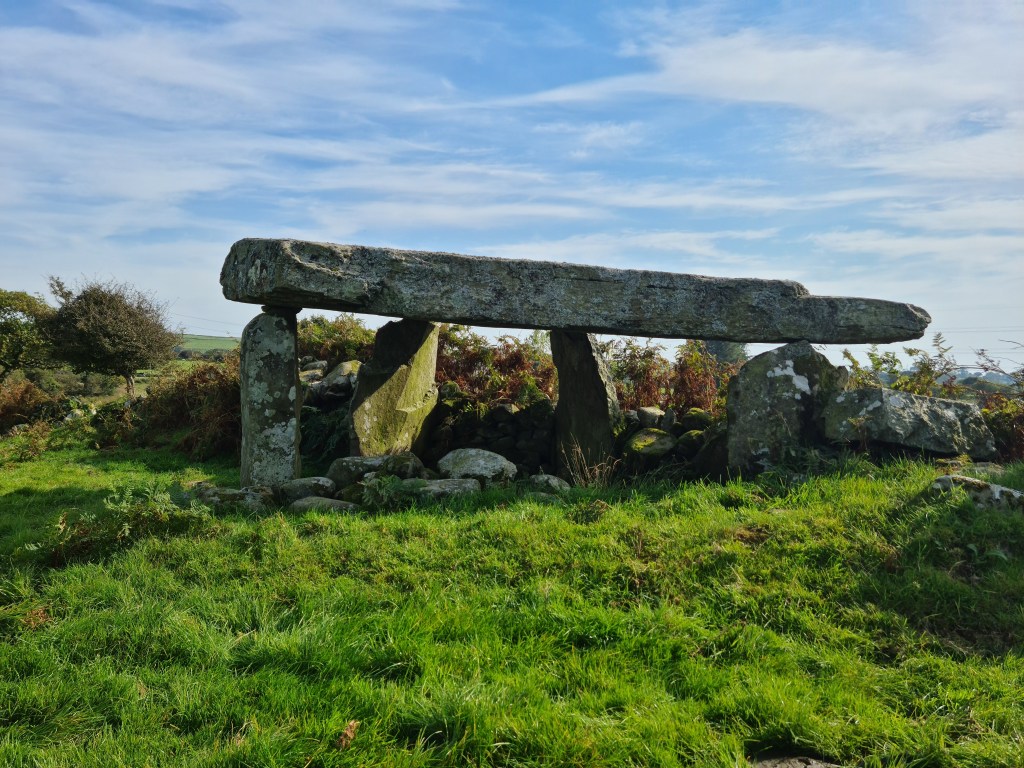
Ystum Cegid Isaf
Neolithic site near Criccieth – Gwynedd, Wales. Today it is an impressive monument with four large uprights supporting a single huge capstone, but it hasn’t always looked like this… Back in the 1700’s there were around 13 uprights, and 3 capstones, forming a much larger and more complex structure. But by 1816, the two smaller…
-
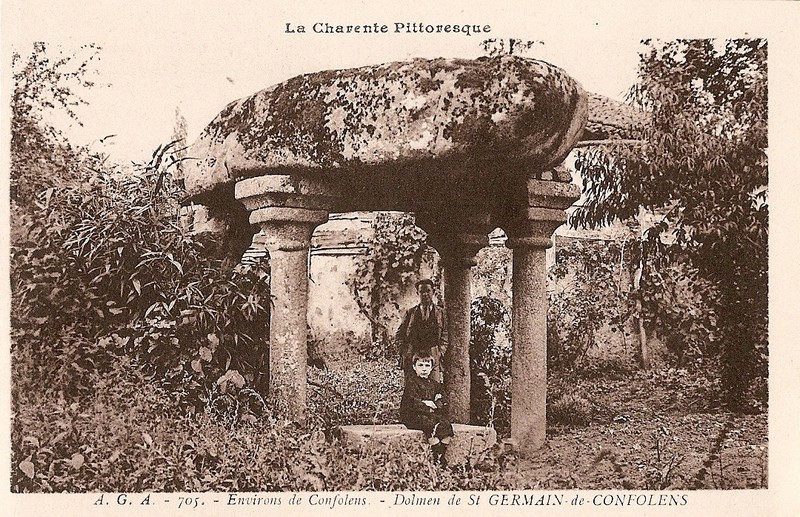
Dolmen of Sainte-Madeleine in France
This dolmen was transformed in the Middle Ages into a chapel, with columns surmounted by carved capitals. Excavations carried out in 1878 made it possible to discover a medieval burial ground with a jug and a terracotta altar-cruet. This unusual chapel was classified as a historic monument in 1900. According to local legend St. Madeleine…
-
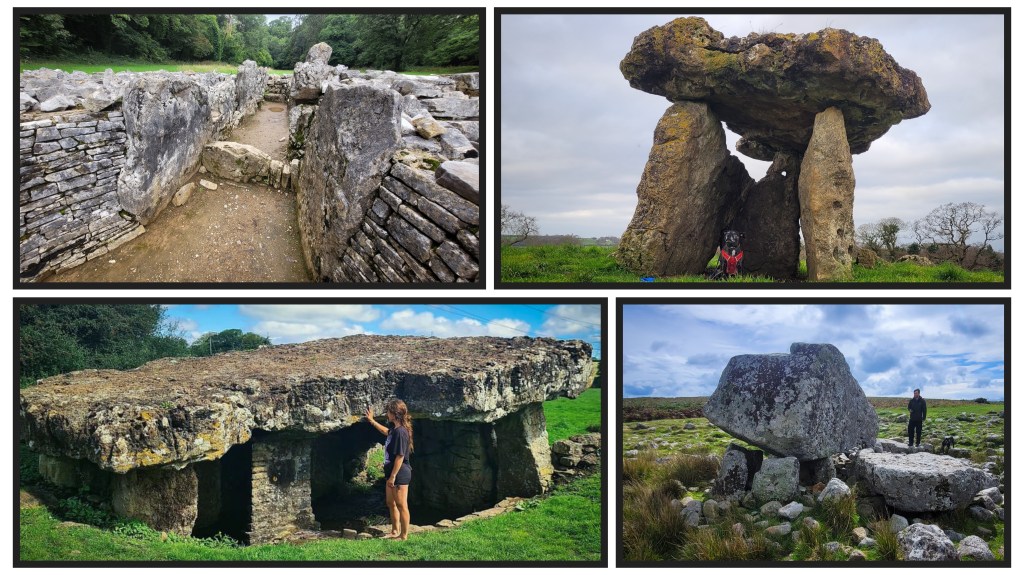
Walks in South Wales – The best neolithic monuments!
Here is a list of some of the most impressive, and easiest to access Neolithic sites in South Wales. Parc Le Breos – Parc Cwm Long Cairn – The Giant’s Grave in Swansea. About the site:Parc Le Breos estate is a former medieval deer park located on the Gower Peninsula. Whilst workmen were digging for…
-
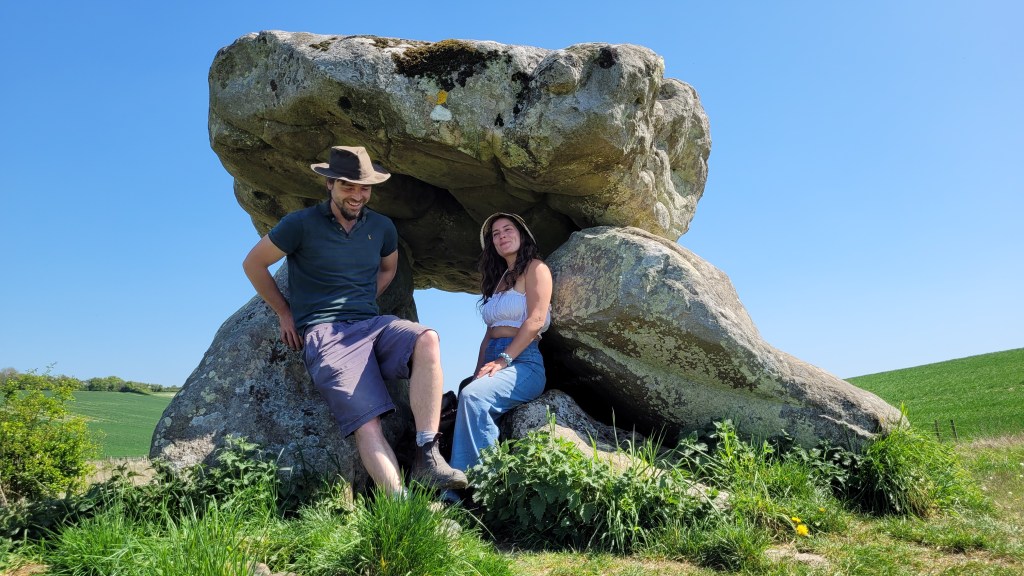
The Devil’s Den
We recently took a trip to Wiltshire, England to see some prehistoric sites. First stop was The Devil’s Den, a neolithic structure in Clatford Bottom. Some refer to this structure as a Dolmen which never had a covering mound, others believe this is the remains of a long barrow… We parked at the “Up On…
-

Cefn Isaf – Cromlech in Rhoslan
This Neolithic Cromlech is near Criccieth in Gwynedd, Wales. It’s pretty easy to access, with a public footpath leading to the field just a short distance from the village of Rhoslan. The following is quoted from Arch. Camb Vol.(XV 1869 p. 137): This Cromlech lies in a field on the farm called Cefn Isaf, about…
-
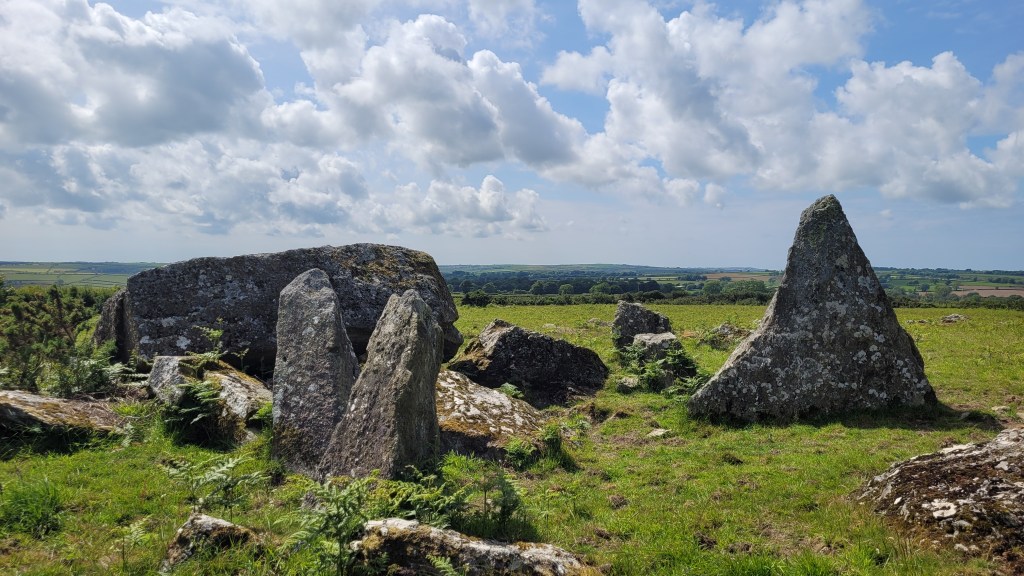
Garn Turne
Garn Turne is a neolithic monument in Pembrokeshire, Wales. In old records the site also goes by Carn Turne, Garne Tarne and Old Coldstone. This is one of three cromlech remains which are clustered around the Hamlet of Colston. The others being The Altar and Parc-y-Llun. The fallen capstone of the cromlech itself is 5m…
-
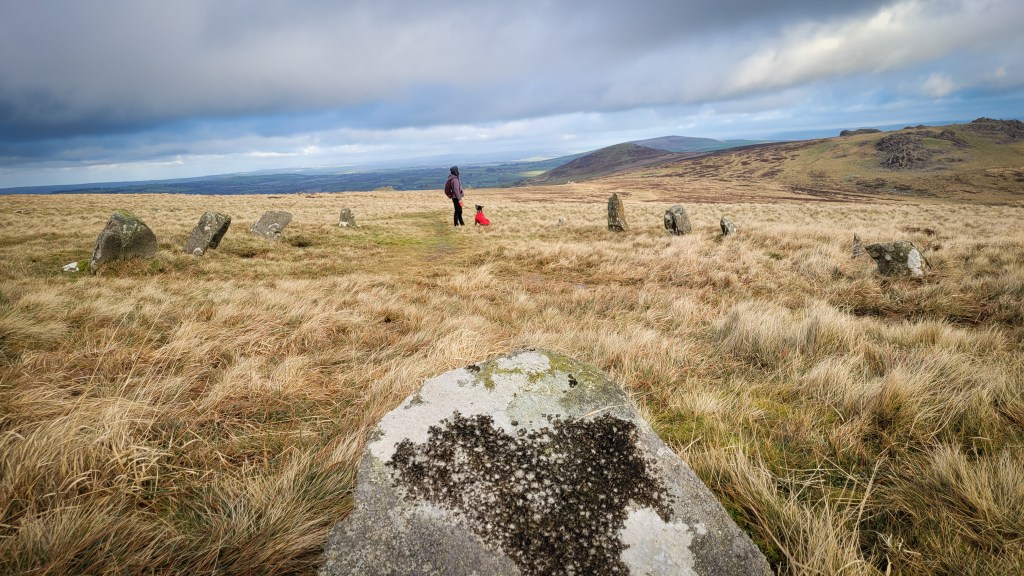
Bedd Arthur – Arthur’s Grave – Pembrokeshire, Wales
Bedd Arthur, or Arthur’s Grave in the Preseli Hills.. one of many sites claimed to be the being the final resting place of King Arthur.. This site boasts spectacular views of the surrounding hills. Thought to be from the neolithic period.. This subrectangular, or horseshoe enclosure 18m by 7m. consists of thirteen upright stones and…
-
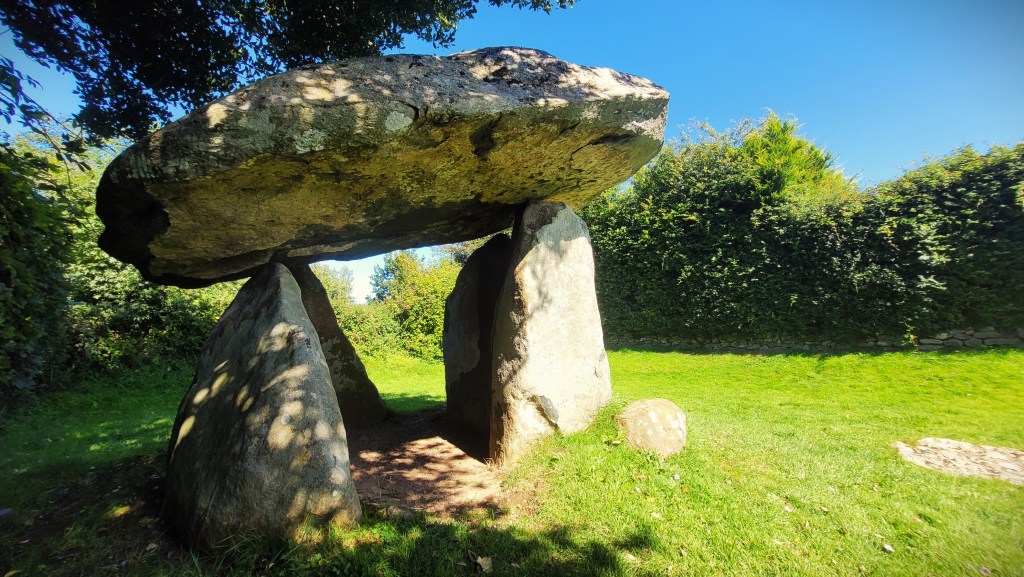
Carreg Coetan Arthur – Pembrokeshire, Wales
This neolithic structure is situated next to some bungalows on the outskirts of Newport town. It’s composed of four upright stones topped by a very large capstone. Despite it’s appearance, a close up look shows that only two of the upright stones actually support the capstone. The ‘coetan’ part of its name is supposedly a…
-
The Alter/Colston Stones – Pembrokeshire, Wales
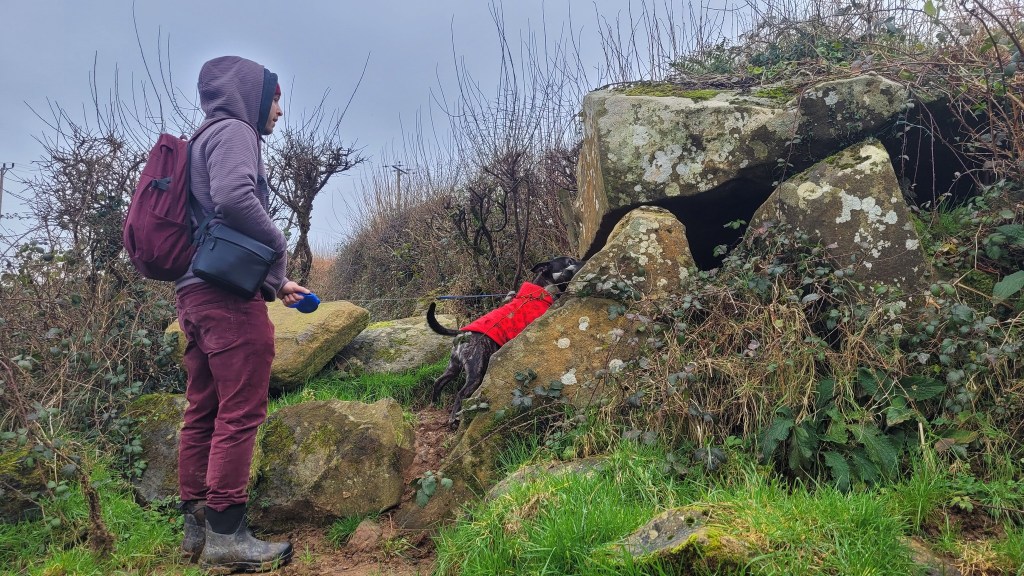
Today this cromlech lies in ruin in a field boundary near Little Newcastle in Pembrokeshire. There is a short Coflein entry: “Colston Burial Chamber. A burial chamber consisting of a capstone, 2.0m by 2.0m by 0.6m, resting on two upright stones and set upon probable barrow, 30m in diameter. Up to two other burial chambers…
 CoralJackz - That History Couple