
richard fenton
-
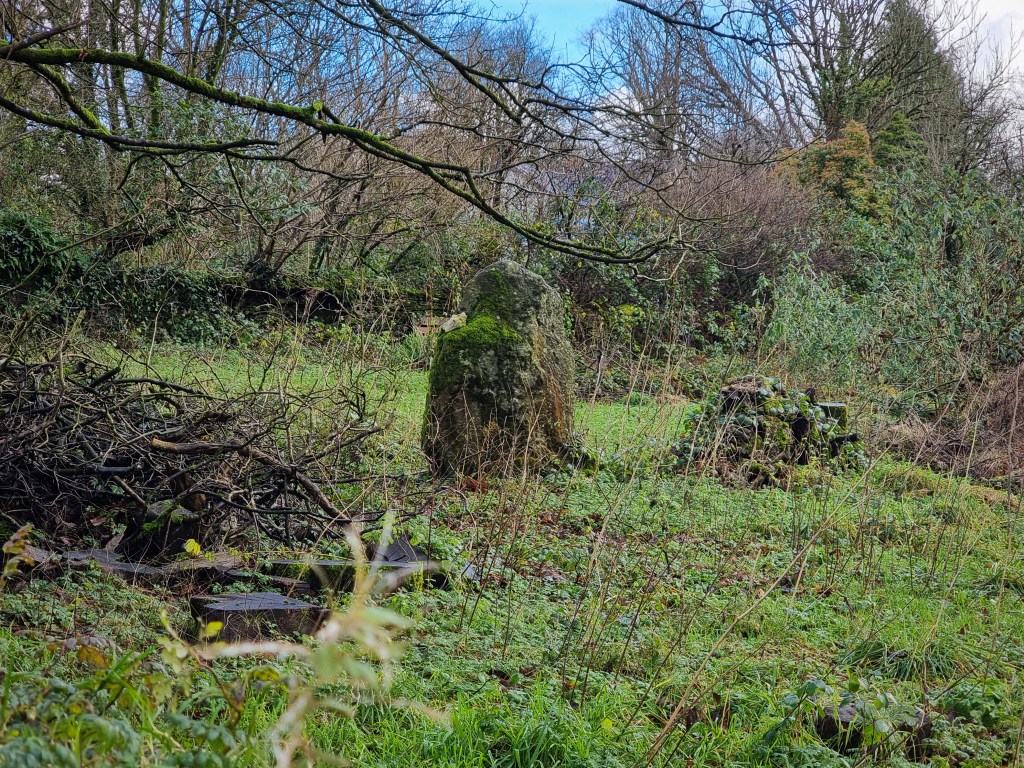
Temple Druid Neolithic/Bronze Age remains
Temple Druid and Prysg Farm are home to a complex of Late Neolithic and Bronze Age monuments, including a possible henge enclosure, standing stones which are now scattered about, as well as the remains of one or more neolithic cromlechs. Temple Druid is a grade II listed John Nash house. The present house is not…
-
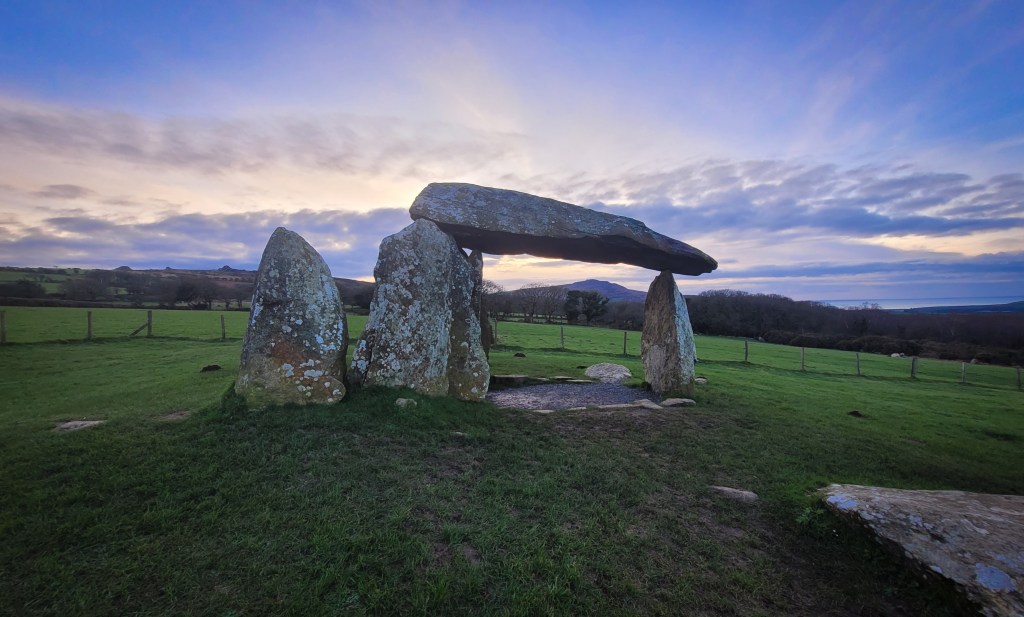
Pentre Ifan Old Records & Images
Pentre Ifan is a neolithic Portal Dolmen in Pembrokeshire, Wales. In this post, we’ll be covering the early antiquarian records of the monument, as well as the oldest photographs and illustrations. We will do a more general post regarding Pentre Ifan and its archaeology and legends. We cover the excavations that took place here in…
-

Llawhaden Village & Castle
LLawhaden in Pembrokeshire, Wales. This village not only contains the remains of an impressive castle, but also a medieval hospital and chapel, making this an important place for understanding the growth and decline of medieval towns. During the Middle Ages, the diocese of St Davids was the largest and richest in Wales. It’s bishops were…
-
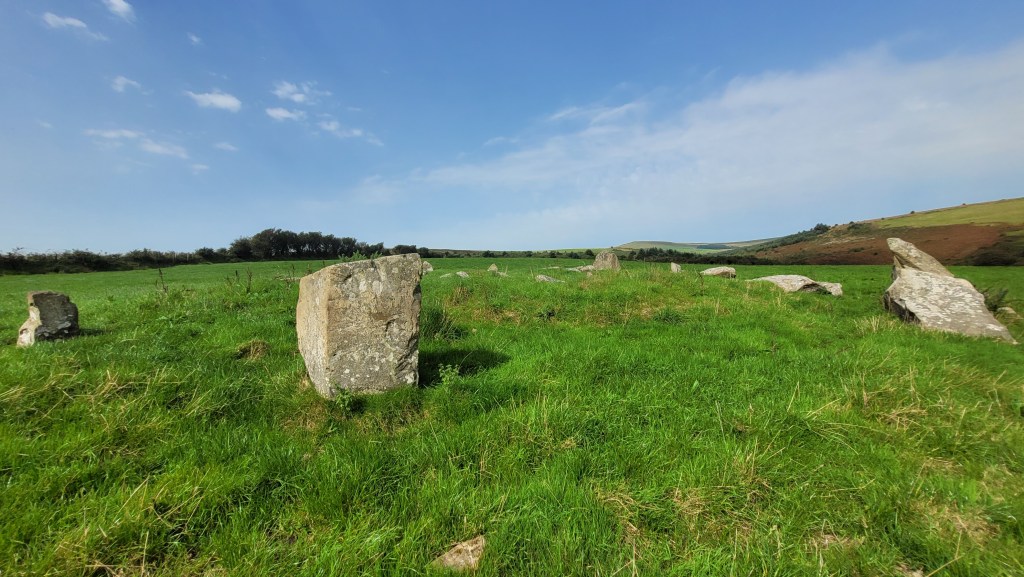
Dyffryn Stones
Bronze Age circle in Henry’s Moat – Pembrokeshire, Wales.Otherwise known as Dyffryn Synfynwy or Garn Ochr Cairn. On one of our visits to this site, we spoke to a local farmer who said that around 60 years ago, a farmer was caught demolishing the stones. One of the stones that was broken was cemented back…
-
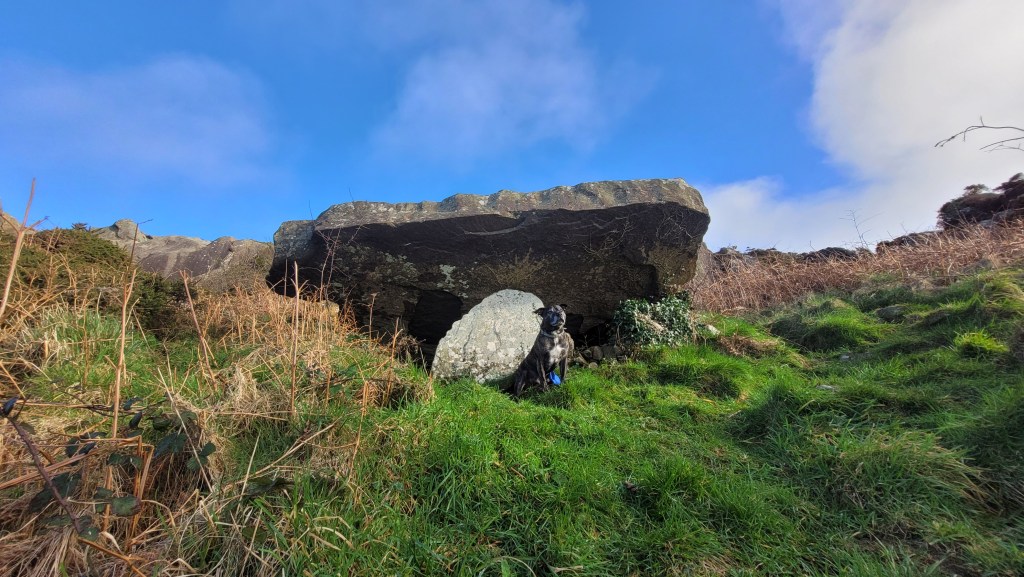
Garn Wnda Neolithic monument
On a rocky outcrop overlooking the village of Llanwnda in Pembrokeshire is Garn Wnda. Similar to other sites dotted about this headland, Garn Wnda is classified as an “earth fast” chambered monument, in that it is comprised of a large stone slab or capstone propped up by a single stone upright, with the southern end…
-
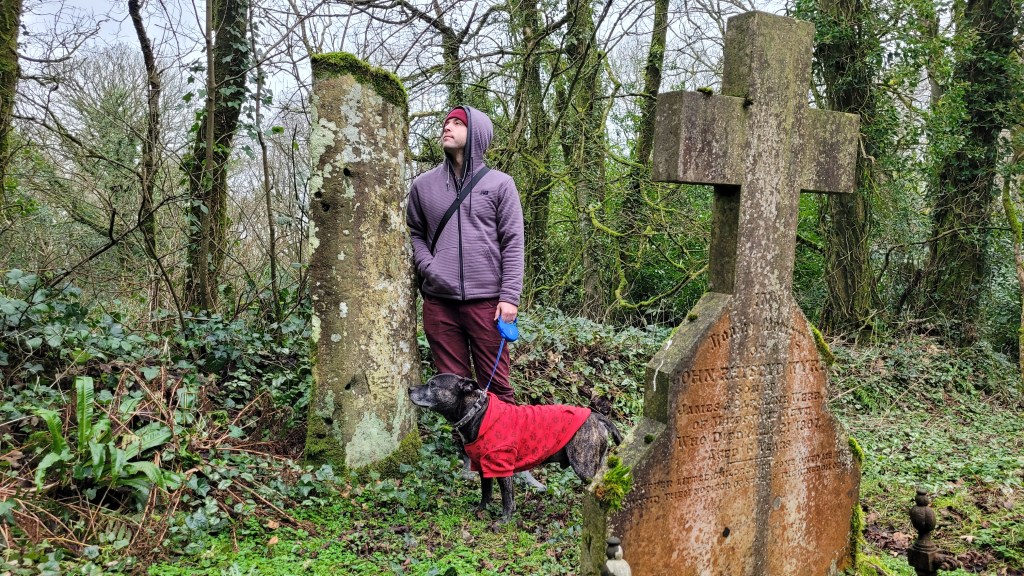
The Hogtivis Stone – St. Dogwells
St. Dogwell’s in Pembrokeshire sits just 2 miles from Casblaidd (Wolf’s Castle), where folklore tells of the last wolf in Pembrokeshire having been killed there. Local lore also states that St. Dogwells was the birth and resting place of Owain ap Gruffydd – known as Owain Glyndwr, the last native Welshman to hold the title…
-
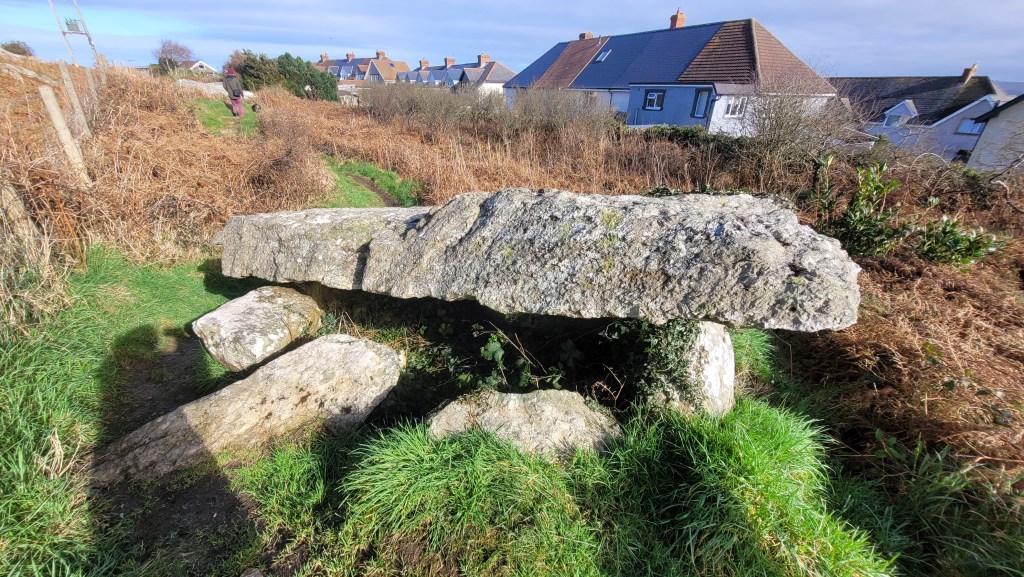
The Garn Wen Neolithic ‘Cemetery’
Behind a row of houses in Goodwick, Pembrokeshire is this row of neolithic chamber ‘tombs’.. Estimated to date back to at least 4,400 BC – 2,900 BC. Up until around 2016, this site was inaccessible due to overgrowth, and accounts online say the field was sadly being used by some to dump rubbish and ride…
-
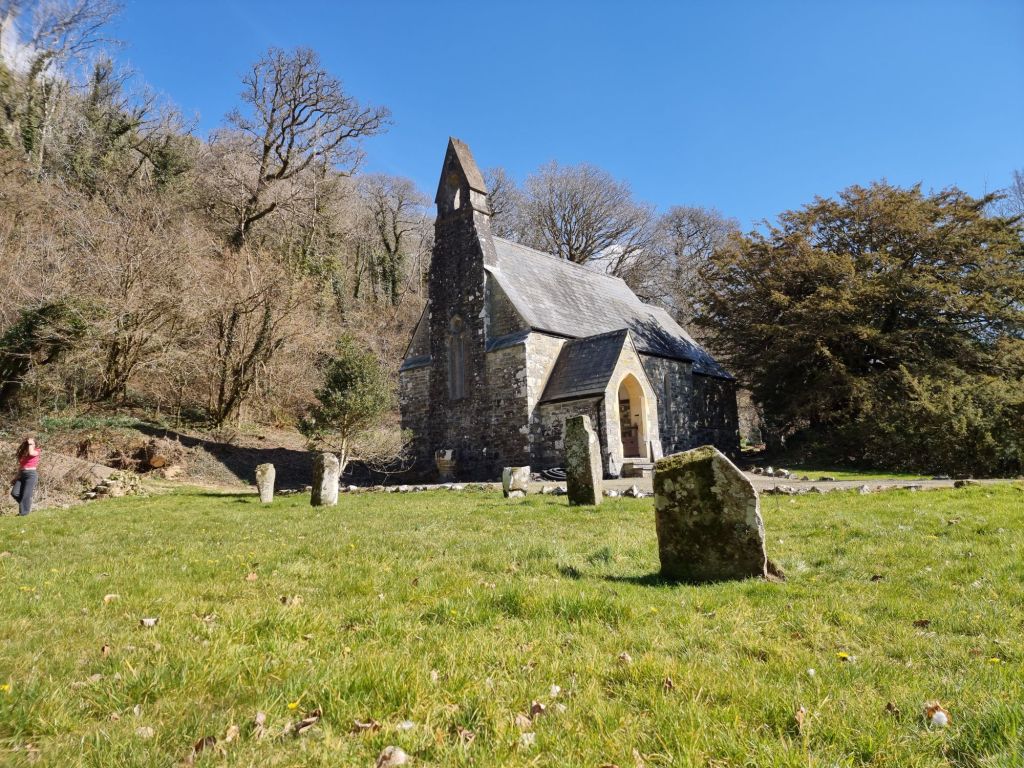
The Pillar Stones – Llanychlwydog
In St David’s Churchyard stands what are marked on OS maps as the ‘Pillar Stones’.. a group of early-christian inscribed stones.A medieval church at this site was demolished in 1864 and entirely rebuilt in the 19th century. The church is now in private ownership, but before the building was converted, permission was granted for excavation…
-
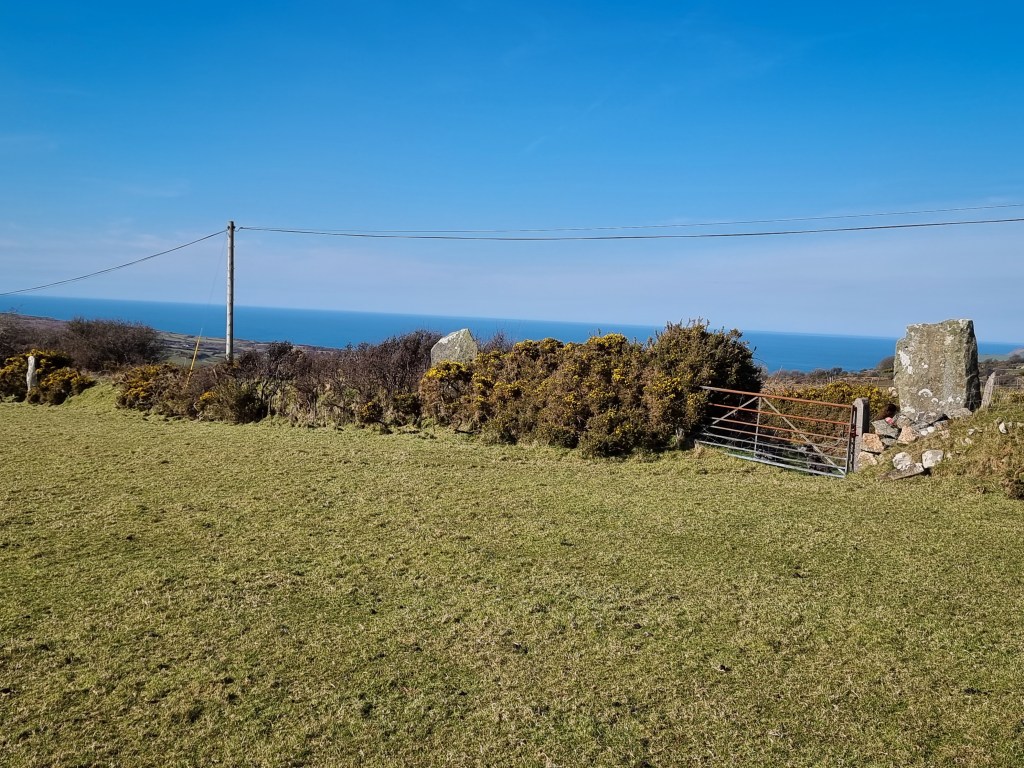
Parc y Meirw Stone Alignment
This site in considered to be the longest Bronze Age stone row in Wales. The name translates to Field of the Dead, and is located within the parish of Llanllawer (older-Llanllawern) in Pembrokeshire. Today, the site consists of four standing stones and two prostrate stones with the tallest 2.7m high. They are set within a…
-
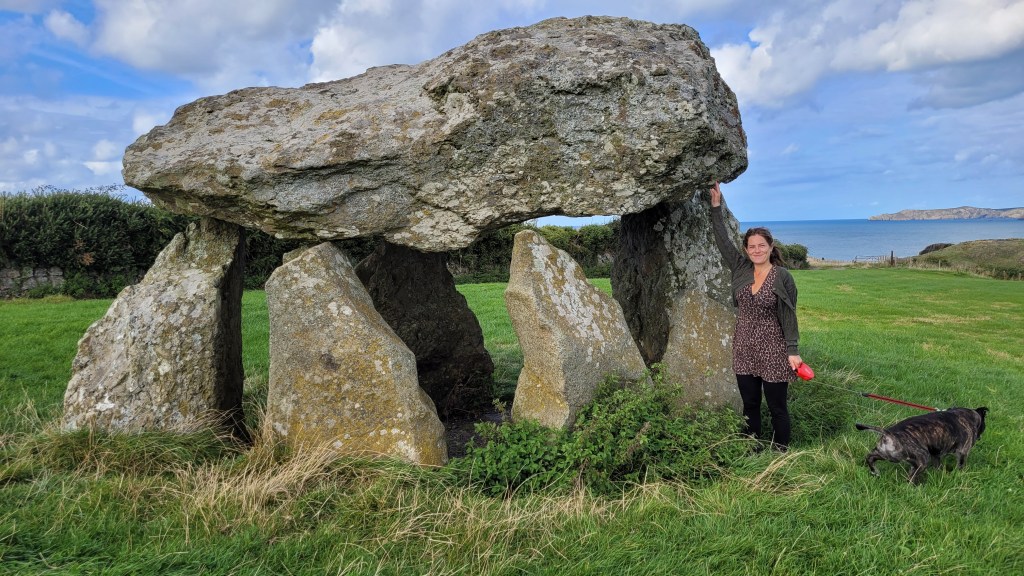
Carreg Samson – Pembrokeshire, Wales
This beautiful Cromlech sits in a field overlooking Abercastle Harbour and the Irish Sea. It’s fat, rounded capstone is perched on only three out of the six large upright stones. The structure is estimated to be around 5000 years old, dating back to the Neolithic Period. Early records of Carreg Samson & old images: The…
 CoralJackz - That History Couple