
Wales
-
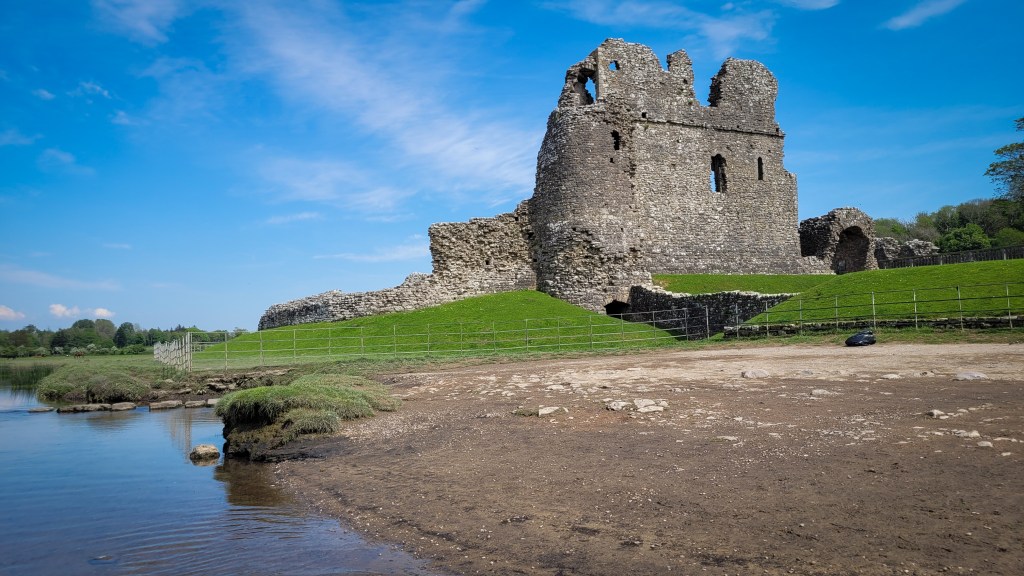
Ogmore Castle
Ogmore Castle (Castell Ogwr) is located in the Vale of Glamorgan, Wales. The Castle was built by the Normans in the 12th century to guard Glamorgan against attacks from the Welsh in the west. This was part of a trio of castles including Newport and Coity. Construction began around the year 1106, first as an…
-
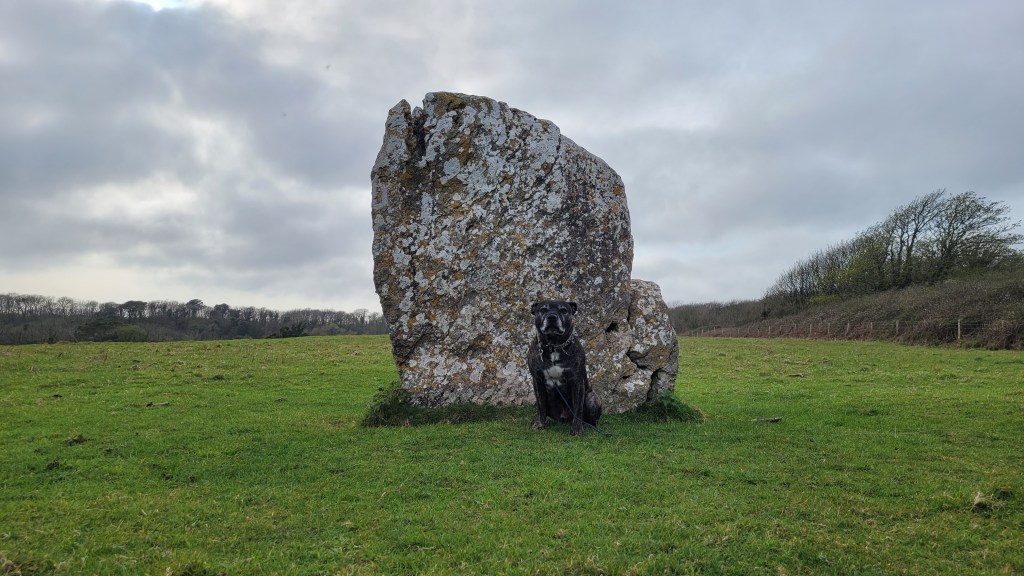
Devil’s Quoit – Stackpole
Grid Reference: SR9810095060 The Devil’s Quoit is a prehistoric standing stone, 1.7m tall, located in the Stackpole Warren Nature Reserve in Pembrokeshire, Wales. The landscape of Stackpole is rich in prehistoric history, and in the 1970s was subject to extensive excavations which revealed occupation from the Mesolithic Period through to the Romano-British Period and beyond.…
-
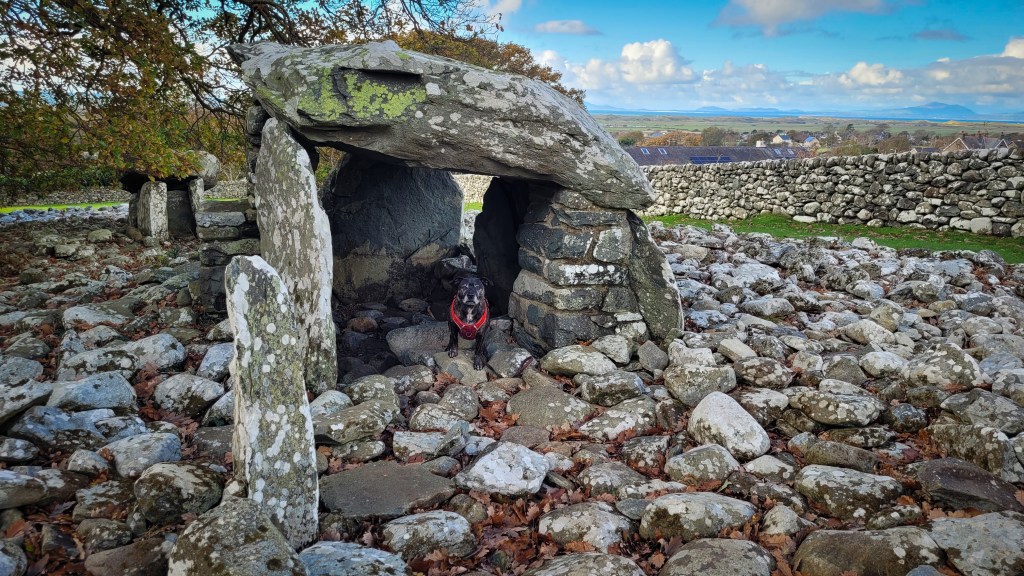
Dyffryn Ardudwy Neolithic Monument
On this page we provide historical records and images of the site, as well as archaeological information and excavation details.Grid Reference: SH58862284 Situated in the village of Dyffryn Ardudwy in Gwynedd, Wales are a pair of dolmens, (or cromlechs as they are often called in Wales), estimated to date to around 3500BC. Excavations in the…
-
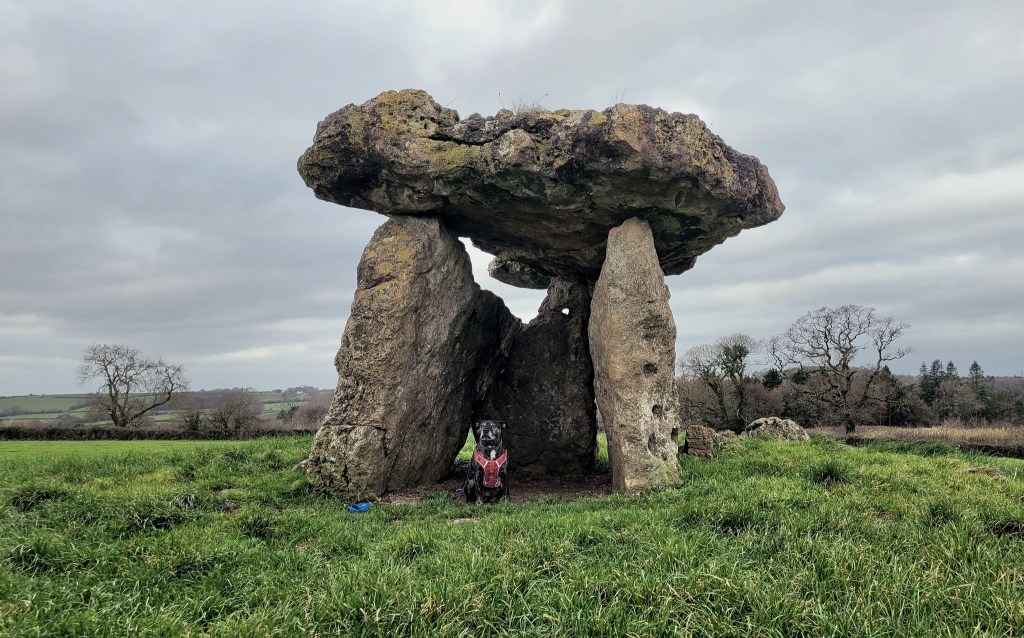
St Lythans Dolmen/Cromlech
Less than 10 miles from Cardiff city centre in Wales is the village of St. Lythans. Here is where we find a neolithic cromlech, otherwise known as Maes y felin (The mill field), named after the field in which it sits. Another name for the monument is Gwal y filiast, a name shared by a…
-
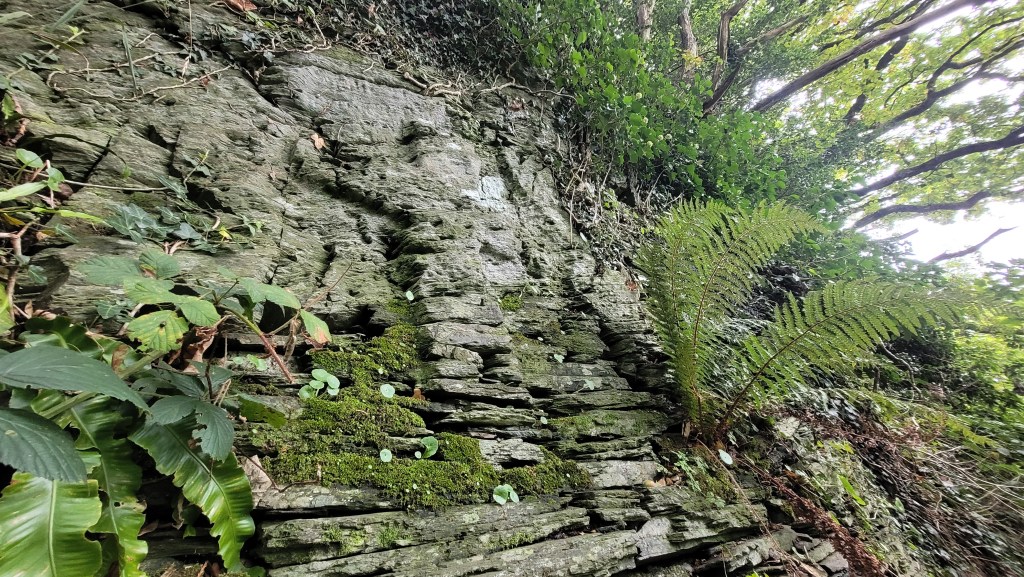
The Pilgrim’s Cross
The village of Nevern (Nanhyfer) in Pembrokeshire, Wales is steeped in history and legends. Carved directly into the rock face high above the village, the Pilgrim’s Cross is believed to date back to the early medieval period, when Nevern seems to have been an incredibly important spiritual place. In the medieval period, pilgrimage was a…
-
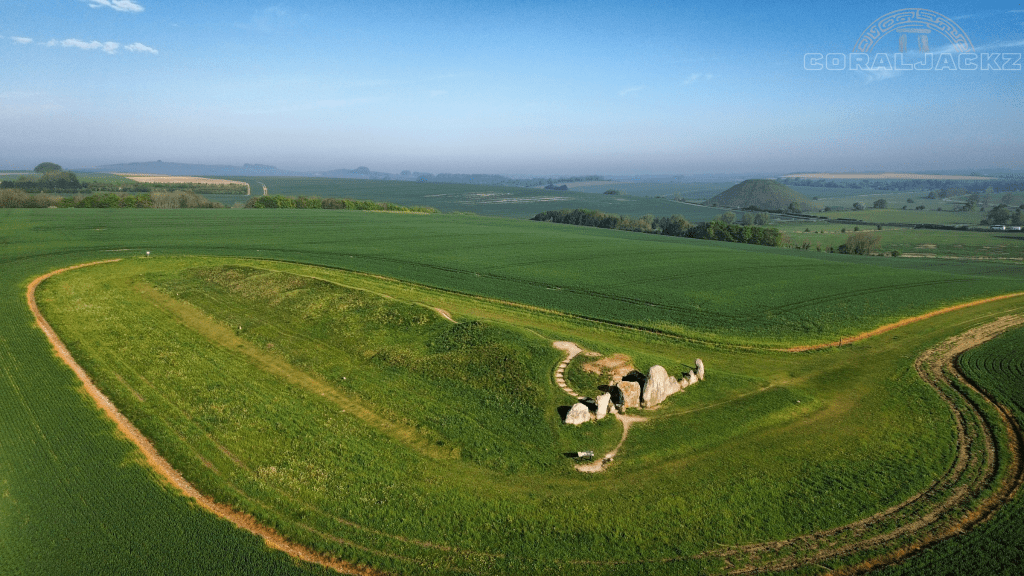
West Kennet Long Barrow
Located in Wiltshire, England. West Kennet is the largest chambered long barrow in Britain. The monument as we see it today is the result of reconstruction work after excavations took place in the 1950’s. Radio carbon dates from remains found during excavations in the 1950’s go back as far as 3600BCE to 3700BCE. Experts believe…
-
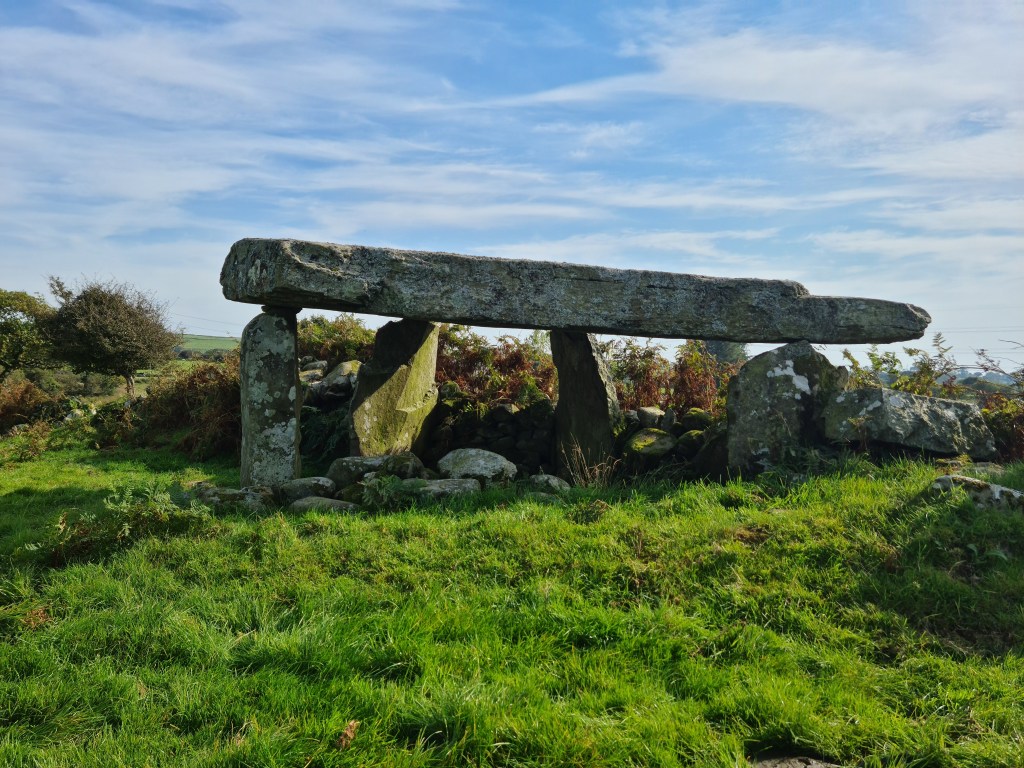
Ystum Cegid Isaf
Neolithic site near Criccieth – Gwynedd, Wales. Today it is an impressive monument with four large uprights supporting a single huge capstone, but it hasn’t always looked like this… Back in the 1700’s there were around 13 uprights, and 3 capstones, forming a much larger and more complex structure. But by 1816, the two smaller…
-
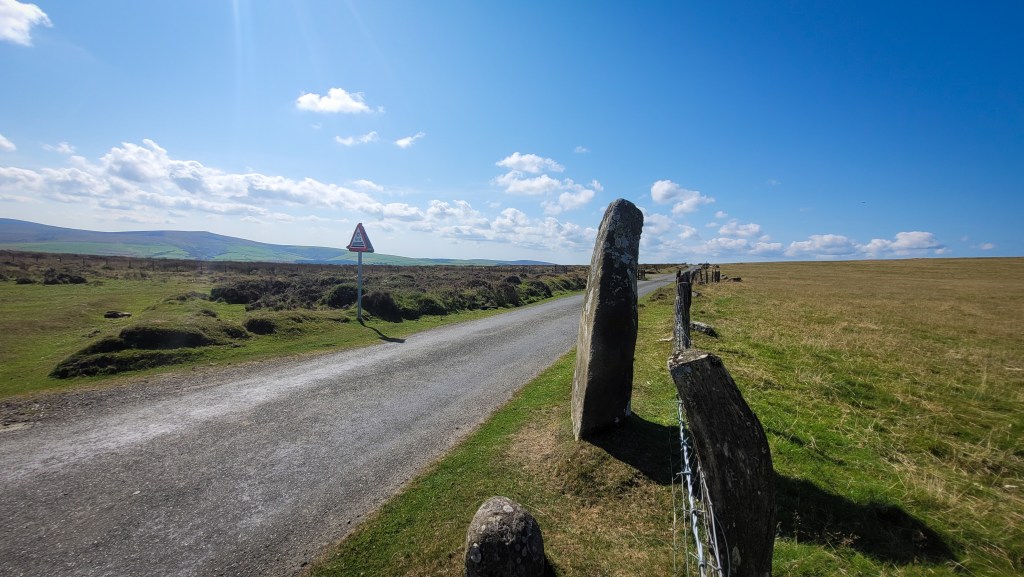
Bedd Morris – Grave of Morris
Prehistoric Standing stone in Pembrokeshire, Wales. The 6ft tall stone has inscriptions indicating that it was used in recent centuries as a boundary marker between the parishes of Newport and Llanychlwyddog. It is believed by experts to have been erected in the Bronze Age, but Coflein states that its antiquity is in doubt, due to…
-

Llawhaden Village & Castle
LLawhaden in Pembrokeshire, Wales. This village not only contains the remains of an impressive castle, but also a medieval hospital and chapel, making this an important place for understanding the growth and decline of medieval towns. During the Middle Ages, the diocese of St Davids was the largest and richest in Wales. It’s bishops were…
-
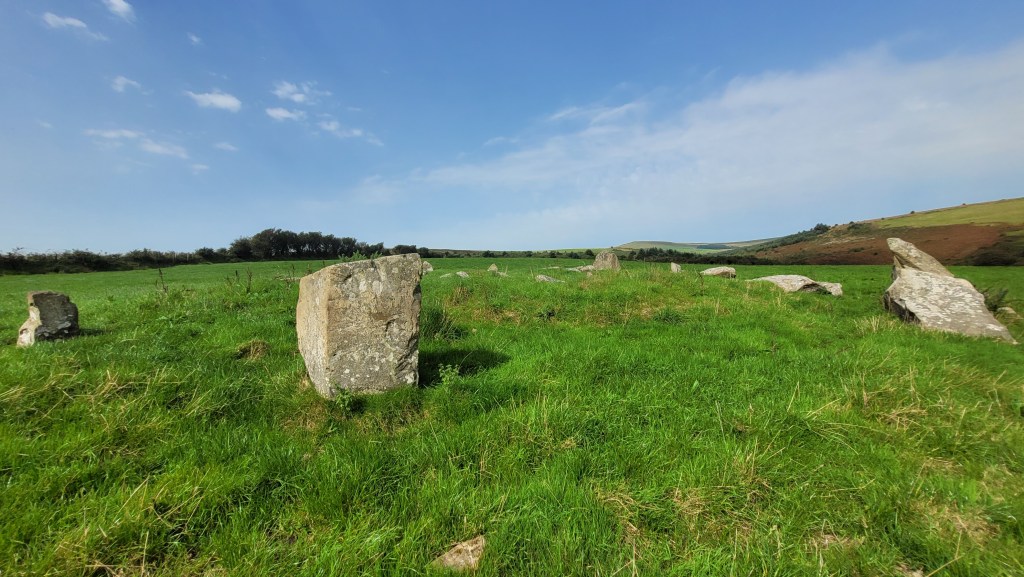
Dyffryn Stones
Bronze Age circle in Henry’s Moat – Pembrokeshire, Wales.Otherwise known as Dyffryn Synfynwy or Garn Ochr Cairn. On one of our visits to this site, we spoke to a local farmer who said that around 60 years ago, a farmer was caught demolishing the stones. One of the stones that was broken was cemented back…
 CoralJackz - That History Couple