
CoralJackz
-
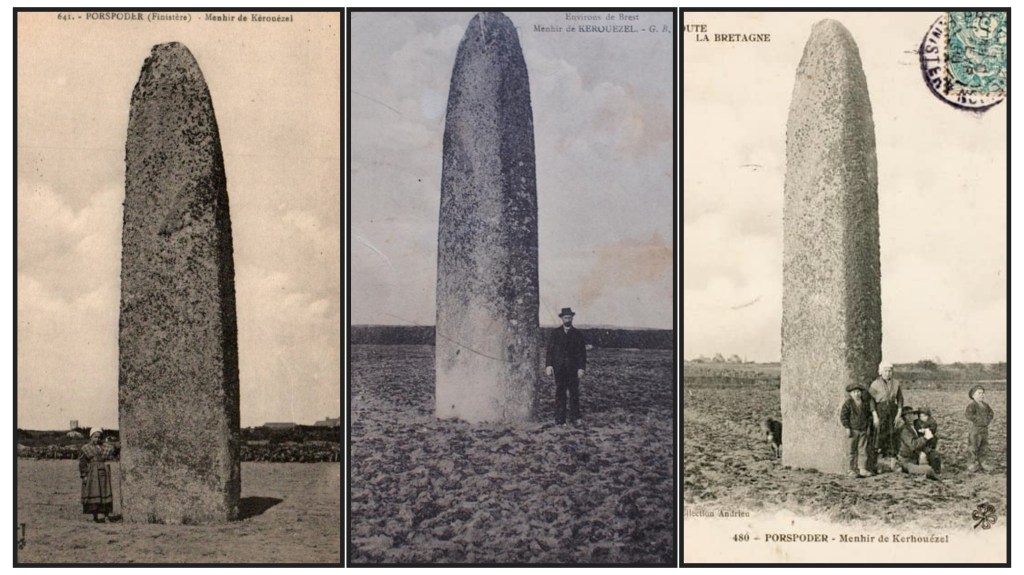
Menhir de Kerhouézel
An almost 7m tall Menhir located in the commune of Porspoder, in the department of Finistère in Brittany, France. This stone is thought to have been erected during the neolithic period, and is still standing today. Georges Guénin relates in his book Legend Stones of Brittany/Pierres à Légendes de la Bretagne ( 1936 ) :…
-

Trecastle (Y Pigwn) Circles
Bronze Age stone circles near the village of Trecastle, situated on the edge of Parc Cenedlaethol Bannau Brycheiniog in Powys, Wales. The mountain is known for its Roman remains, including marching camps and a Roman road. There are also the remains of Iron Age structures, stone alignments as well as the Bronze Age stones circles.…
-
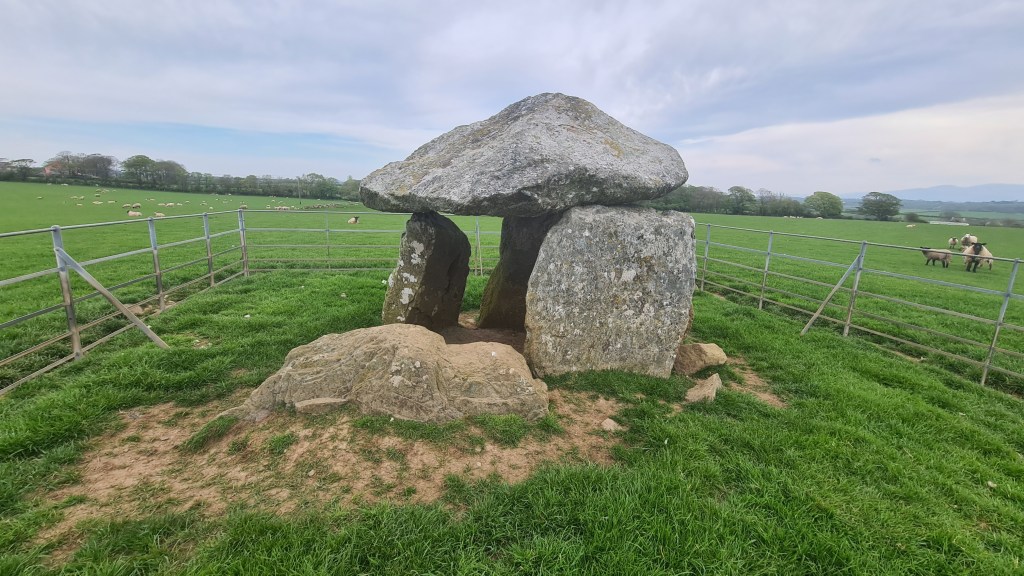
Bodowyr Cromlech
On Bodowyr farm on the Isle of Anglesey, Wales is Bodowyr cromlech, sometimes known as the ‘mushroom cromlech’. The oldest record mentioning Bodowyr Cromlech is from Camden’s Britannia, volume 4, Wales, published in 1610:“In Bodowyr, which lieson the northside of the same round fort, at a further distance, we find a remarkablecromlech, which several, as…
-
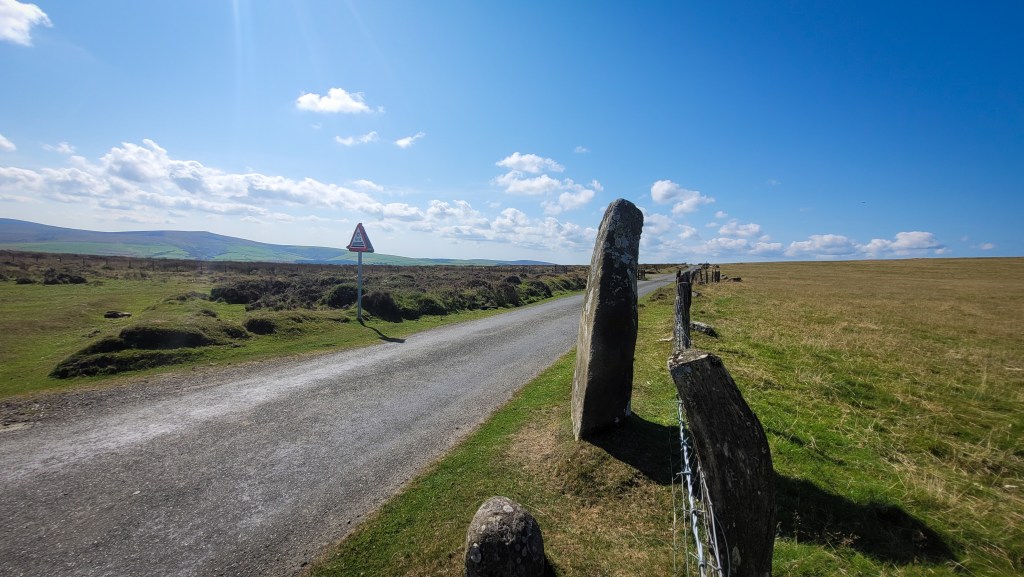
Bedd Morris – Grave of Morris
Prehistoric Standing stone in Pembrokeshire, Wales. The 6ft tall stone has inscriptions indicating that it was used in recent centuries as a boundary marker between the parishes of Newport and Llanychlwyddog. It is believed by experts to have been erected in the Bronze Age, but Coflein states that its antiquity is in doubt, due to…
-

Waen Llechi Standing Stone
Situated within Bannau Brycheiniog (Brecon Beacons National Parc) in Powys, Wales. Alternative names: Waun Leuci, Waun Lleuci, Fforest Fawr. This stone boasts stunning views of the Tawe Valley. It’s one of many prehistoric sites dotted about this landscape. We will return to explore the other sites soon and hopefully get some drone shots. It is…
-
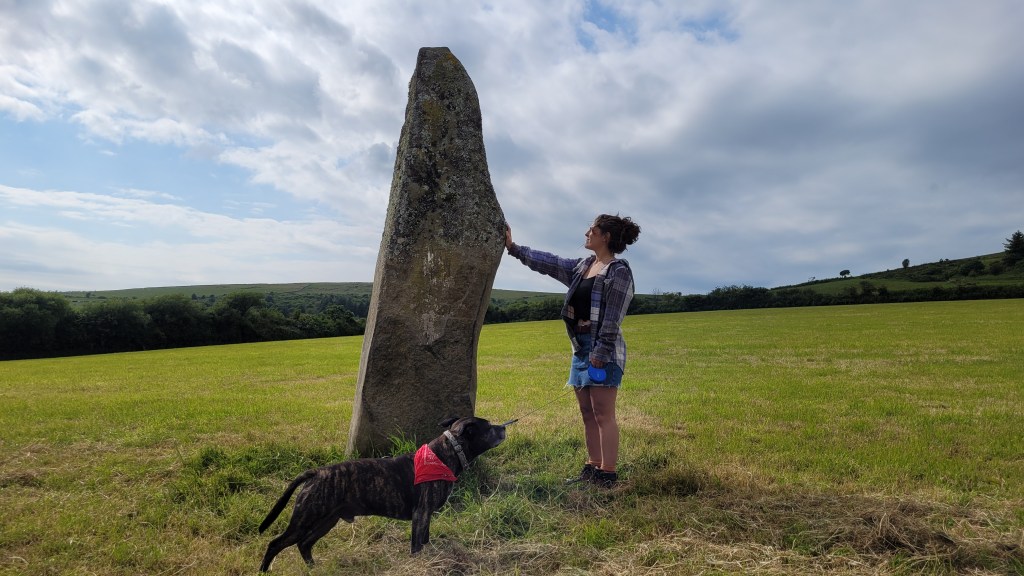
Budloy Stone – Pembrokeshire, Wales
The Budloy Stone.. A monolith standing at 2.6m tall.We walked here following the public footpath that leads past the Dyffryn Stones, through some beautiful country lanes toward the Budloy Stone.
-

Find us on Patreon!
If you’ve enjoyed following our journey through historic sites and would like to support what we do, we’d love for you to check out our Patreon. Over there, we share bonus videos and early location previews, share some of the more personal moments—like life on the road and what goes on behind the scenes. Becoming…
-

Llawhaden Village & Castle
LLawhaden in Pembrokeshire, Wales. This village not only contains the remains of an impressive castle, but also a medieval hospital and chapel, making this an important place for understanding the growth and decline of medieval towns. During the Middle Ages, the diocese of St Davids was the largest and richest in Wales. It’s bishops were…
-

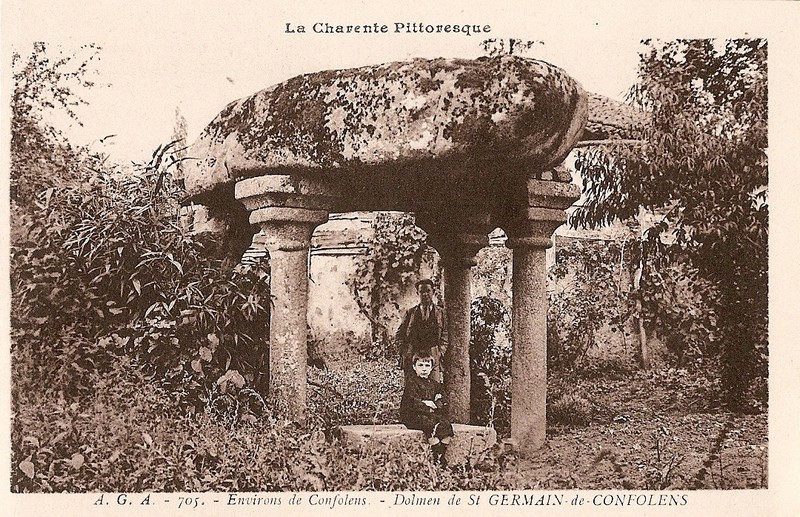
Dolmen de Confolens – France
Alternative Name: Dolmen de Périssac, Tombeau de Mme Gontier. This Neolithic dolmen is located in the cemetery of the town on Confolens. It was moved here in the 19th century to house the tomb of the wife of the sub-prefect Cecile-Jeanne-Marie Crevelier. The 10 tonne capstone was transported by a carter from Périssac to Confolens…
-
Dolmen of Sainte-Madeleine in France
This dolmen was transformed in the Middle Ages into a chapel, with columns surmounted by carved capitals. Excavations carried out in 1878 made it possible to discover a medieval burial ground with a jug and a terracotta altar-cruet. This unusual chapel was classified as a historic monument in 1900. According to local legend St. Madeleine…
 CoralJackz - That History Couple