
CoralJackz
-
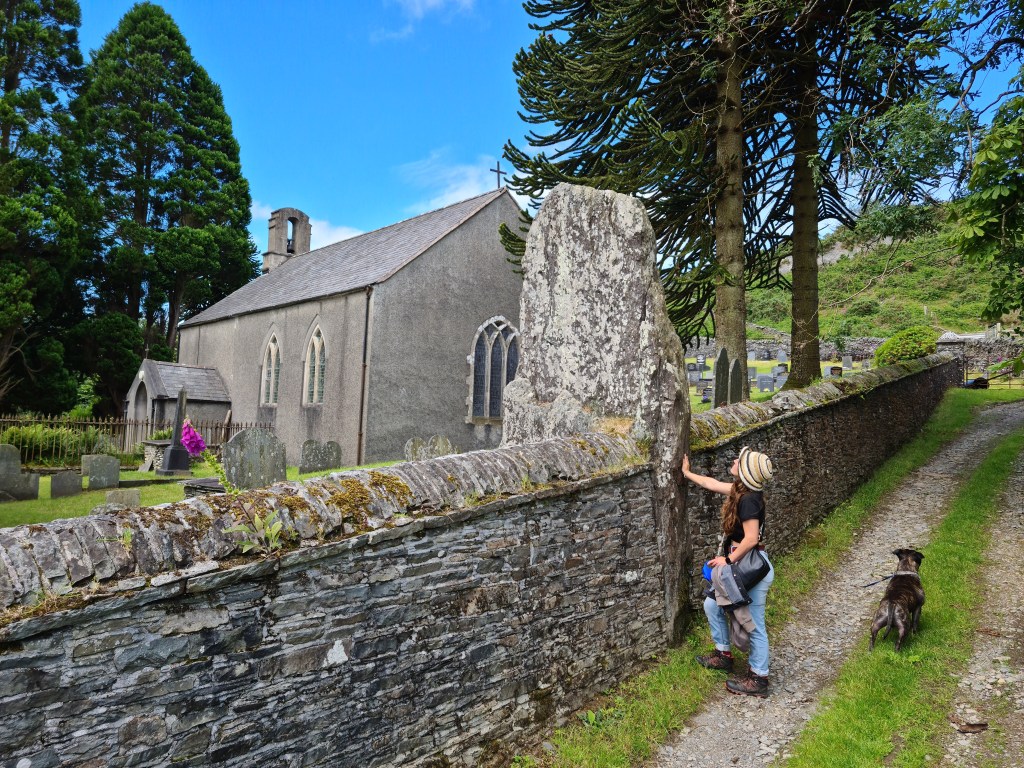
Ysbyty Cynfyn – Ceredigion, Wales
St Johns church in the tiny village of Ysbyty Cynfyn is curiously built upon an ancient site – perhaps an embanked stone circle, of which some huge stones remain. Today, this villages comprises of a church and farm. The form of the medieval church which is said to have been here prior is not known.…
-
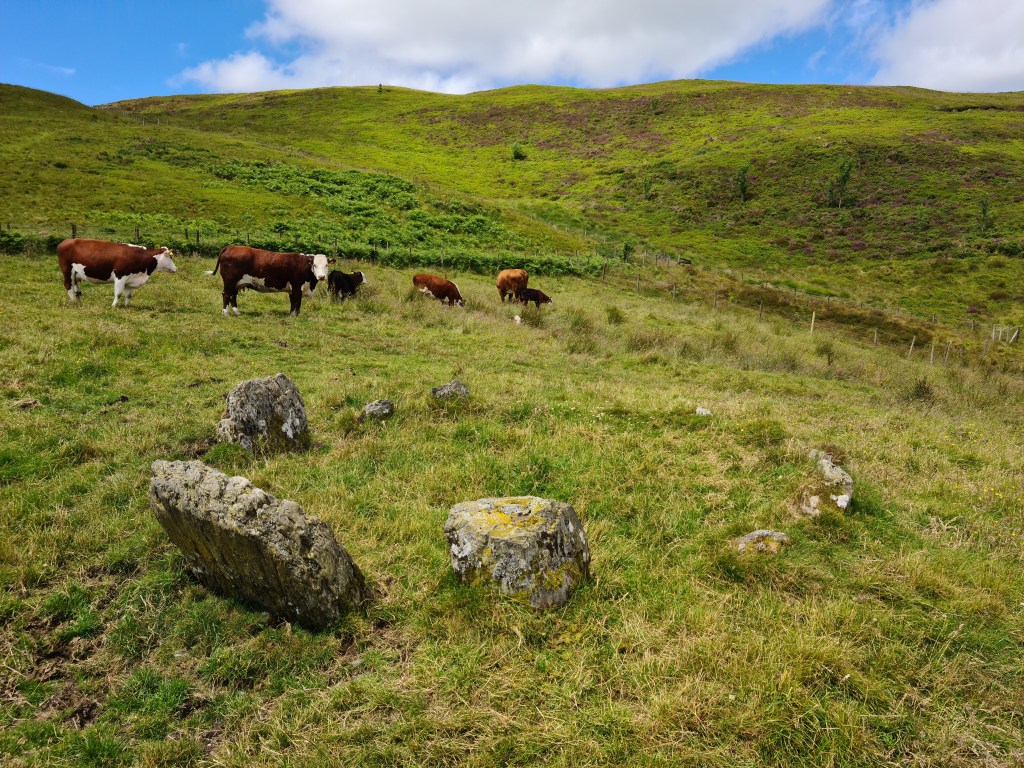
Dol y Gamfa Stone Circle
This is a Bronze Age cairn-circle in Ceredigion, Wales.CADW/Coflein’s description of the stones at Dolgamfa is as follows: “One of the finest small Bronze Age cairn-circles in north Ceredigion. Rather than being a true stone circle, the monument would originally have been a cairn or mound of stones encircled by a ring of upright stones.…
-
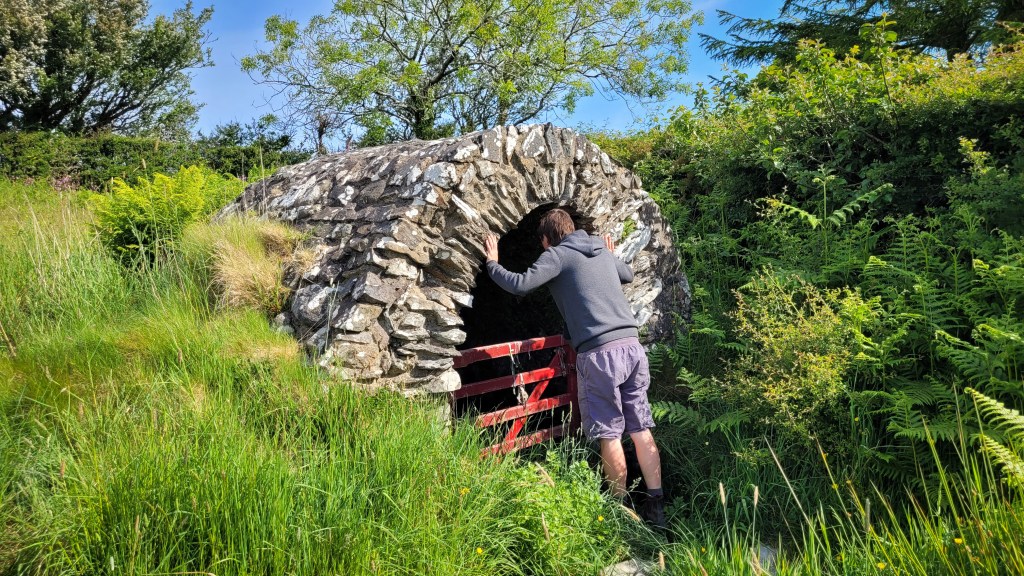
Llanllawer Holy Well & Church
St David’s Church in Llanllawer – Pembrokeshire, Wales. (Older name – Llanllawern) The church stands of a promontory above the River Gwaun and the village of Llanychaer. At this church are four medieval inscribed stones – two used as gate posts and two others incorporated into the church building itself. The stones are thought to…
-
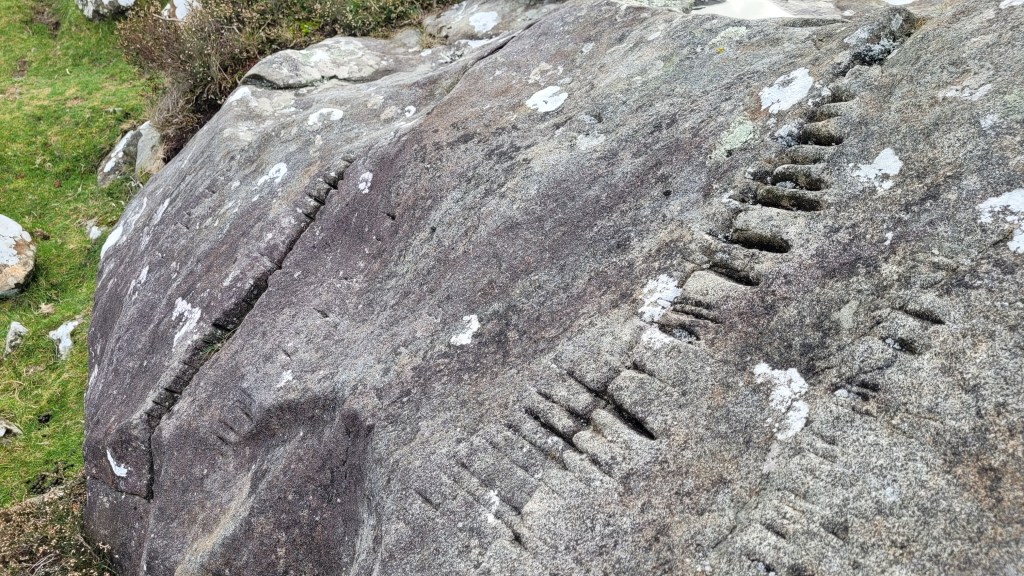
Carn Enoch
Preshistoric carvings, or a natural feature?.. Situated on Mynydd Dinas in Pembrokeshire, Wales – This rocky outcrop in Pembrokeshire often stirs up debate when mentioned online. For directions on how to visit Carn Enoch, scroll to the bottom of this page. Opinions vary, with suggestions of their origin ranging from Ogham, tool sharpening, tally marks,…
-
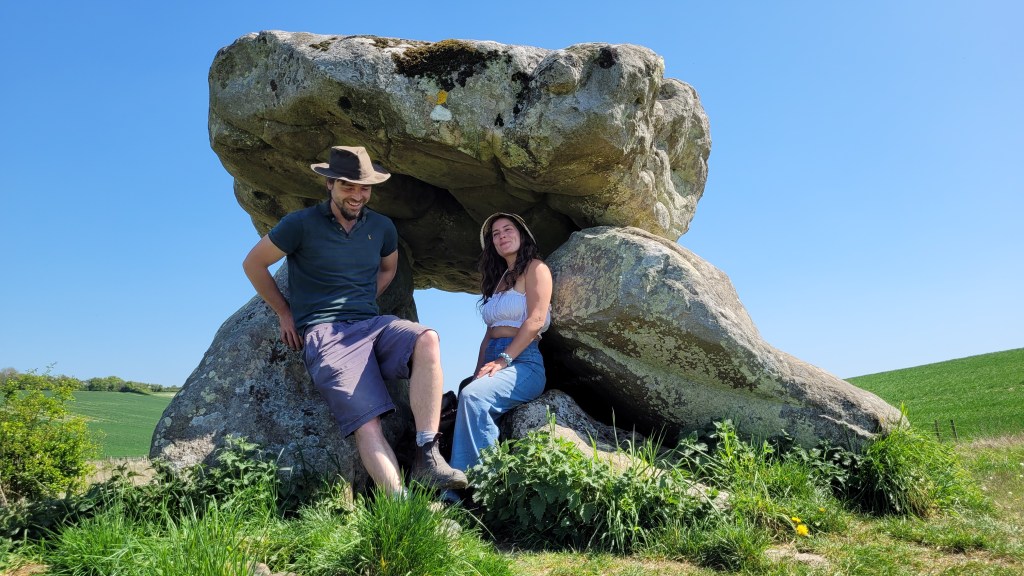
The Devil’s Den
We recently took a trip to Wiltshire, England to see some prehistoric sites. First stop was The Devil’s Den, a neolithic structure in Clatford Bottom. Some refer to this structure as a Dolmen which never had a covering mound, others believe this is the remains of a long barrow… We parked at the “Up On…
-
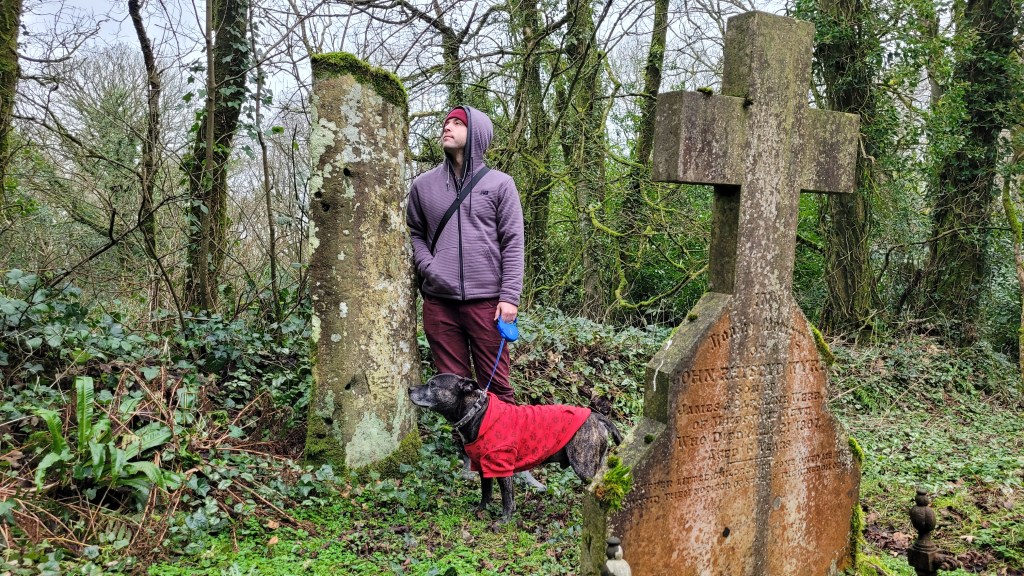
The Hogtivis Stone – St. Dogwells
St. Dogwell’s in Pembrokeshire sits just 2 miles from Casblaidd (Wolf’s Castle), where folklore tells of the last wolf in Pembrokeshire having been killed there. Local lore also states that St. Dogwells was the birth and resting place of Owain ap Gruffydd – known as Owain Glyndwr, the last native Welshman to hold the title…
-
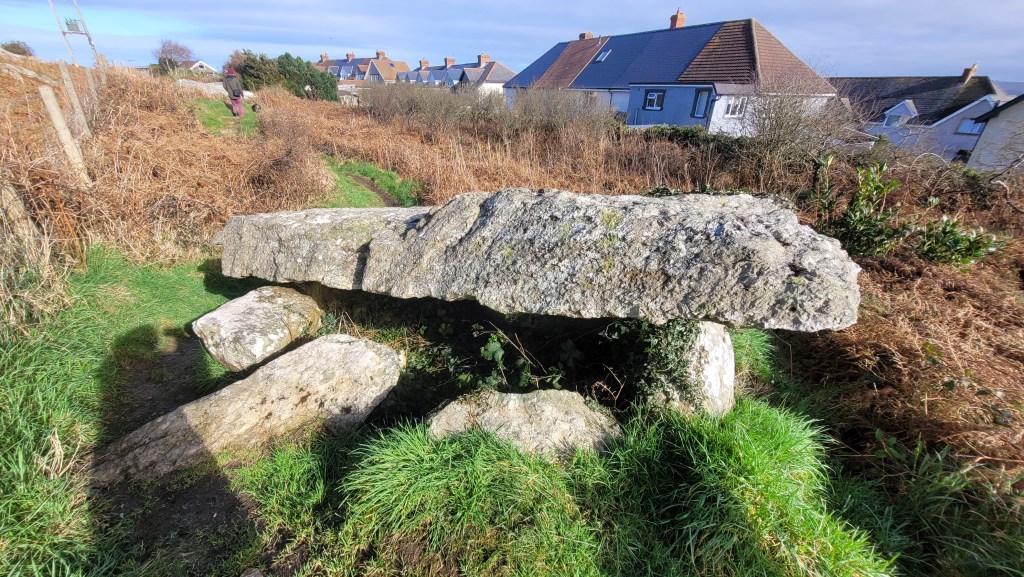
The Garn Wen Neolithic ‘Cemetery’
Behind a row of houses in Goodwick, Pembrokeshire is this row of neolithic chamber ‘tombs’.. Estimated to date back to at least 4,400 BC – 2,900 BC. Up until around 2016, this site was inaccessible due to overgrowth, and accounts online say the field was sadly being used by some to dump rubbish and ride…
-
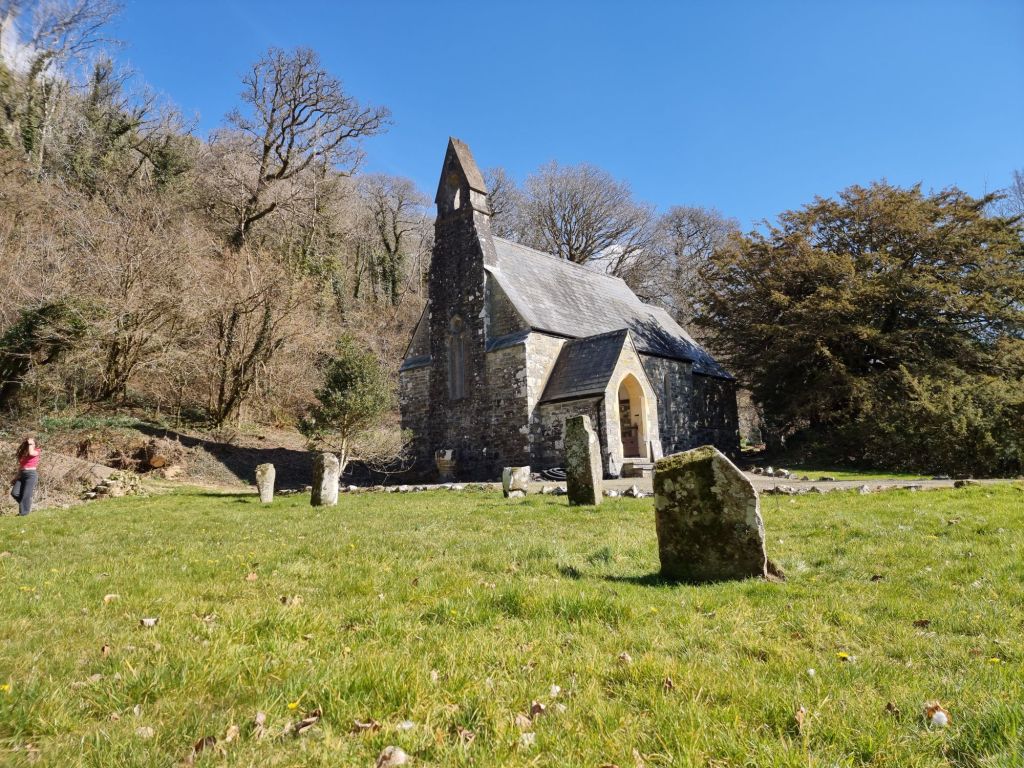
The Pillar Stones – Llanychlwydog
In St David’s Churchyard stands what are marked on OS maps as the ‘Pillar Stones’.. a group of early-christian inscribed stones.A medieval church at this site was demolished in 1864 and entirely rebuilt in the 19th century. The church is now in private ownership, but before the building was converted, permission was granted for excavation…
-
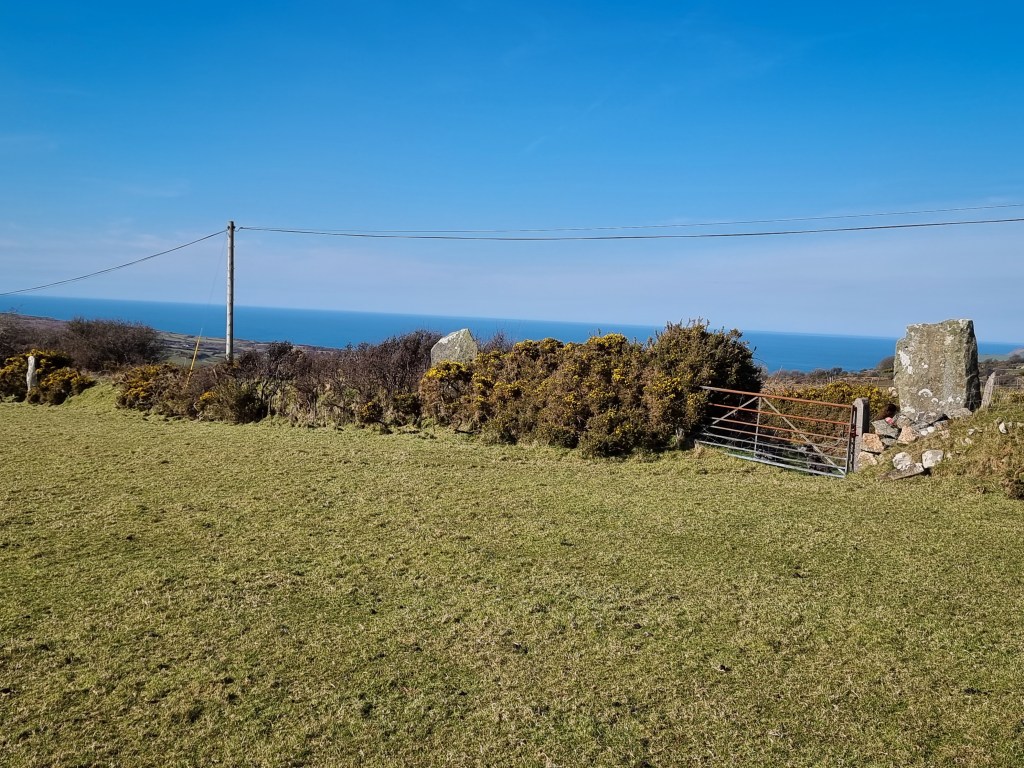
Parc y Meirw Stone Alignment
This site in considered to be the longest Bronze Age stone row in Wales. The name translates to Field of the Dead, and is located within the parish of Llanllawer (older-Llanllawern) in Pembrokeshire. Today, the site consists of four standing stones and two prostrate stones with the tallest 2.7m high. They are set within a…
-

Cefn Isaf – Cromlech in Rhoslan
This Neolithic Cromlech is near Criccieth in Gwynedd, Wales. It’s pretty easy to access, with a public footpath leading to the field just a short distance from the village of Rhoslan. The following is quoted from Arch. Camb Vol.(XV 1869 p. 137): This Cromlech lies in a field on the farm called Cefn Isaf, about…
 CoralJackz - That History Couple