
Legends & Folklore
-
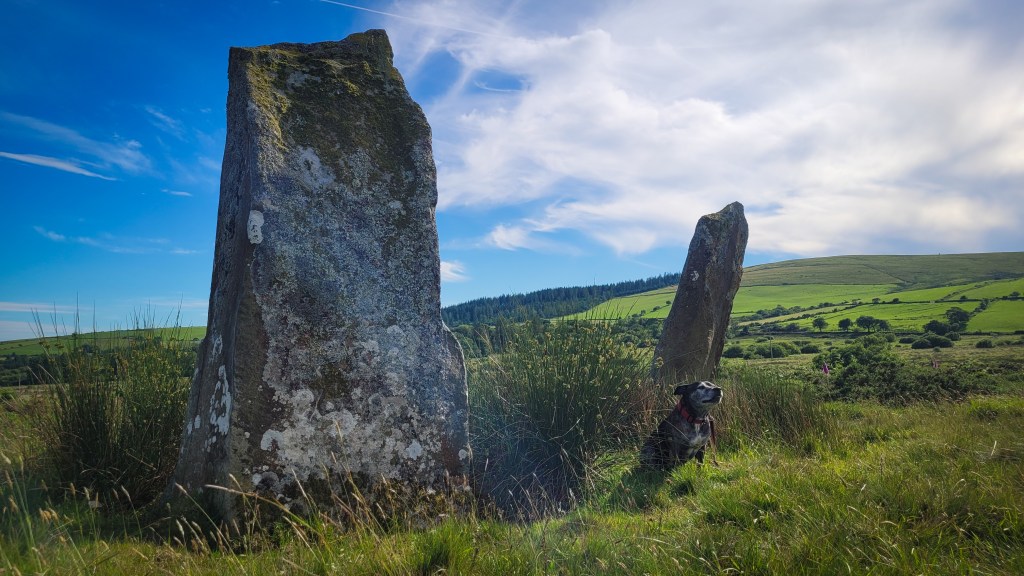
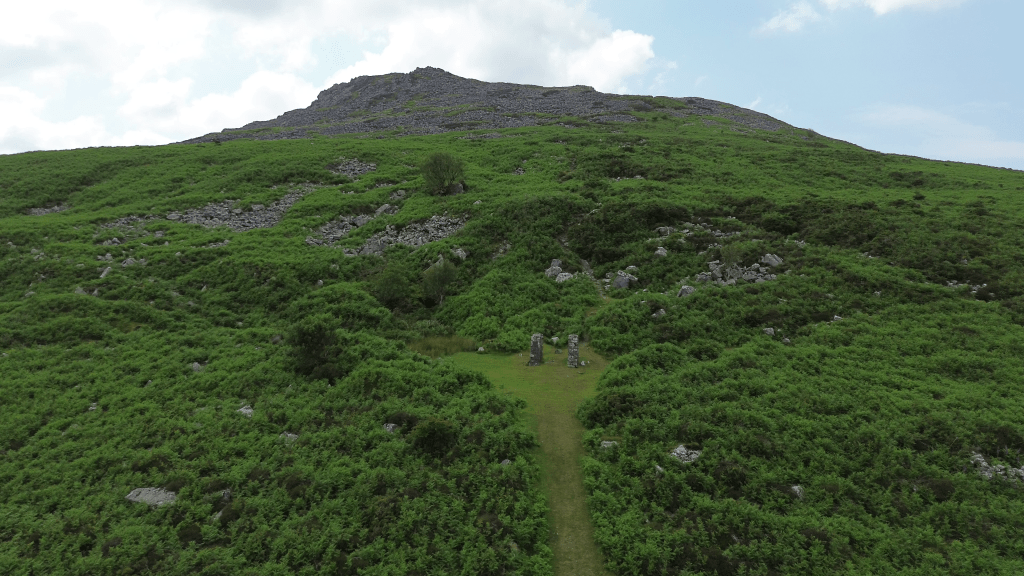
Cerrig Meibion Arthur
Map Ref: SN11823102 Cerrig Meibion Arthur, meaning ‘Stones of the sons of Arthur’ are two standing stones (menhirs) situated below Foel Cwmcerwyn, the highest point of the Preseli Mountains in Pembrokeshire, Wales. In a story told in “Culhwch and Olwen” in The Mabinogion, the legendary King Arthur and his knights fought savage battles against the…
-
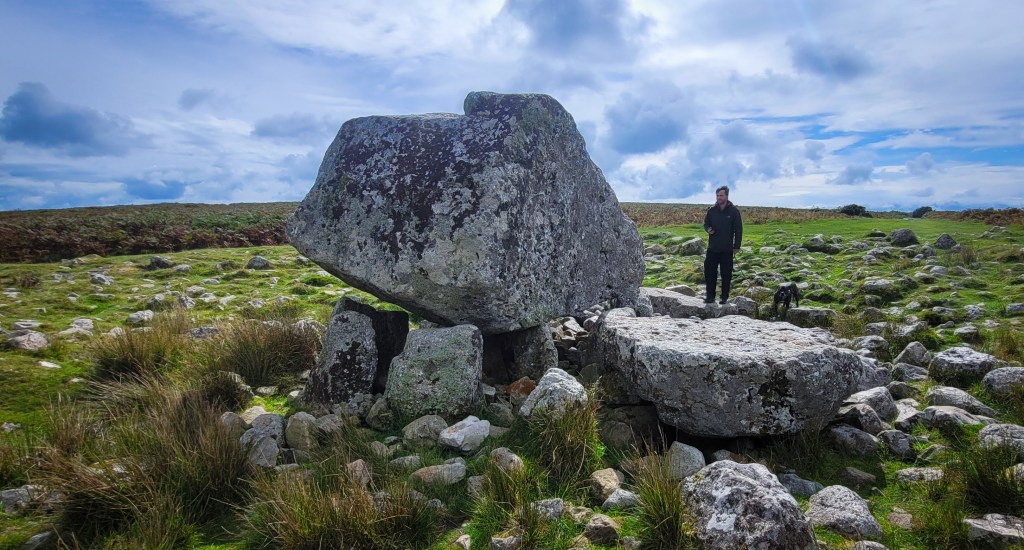
Arthurs Stone/Maen Cetti
An iconic Neolithic monument in Gower Peninsula in Wales is situated on the ancient ridgeway of Cefn Bryn, known locally as the Backbone of the Gower. The monument is named Maen Cetti, meaning ‘The Stone of Cetti’. Its commonly used name today is Arthur’s stone, linking to a popular story that the capstone is a…
-
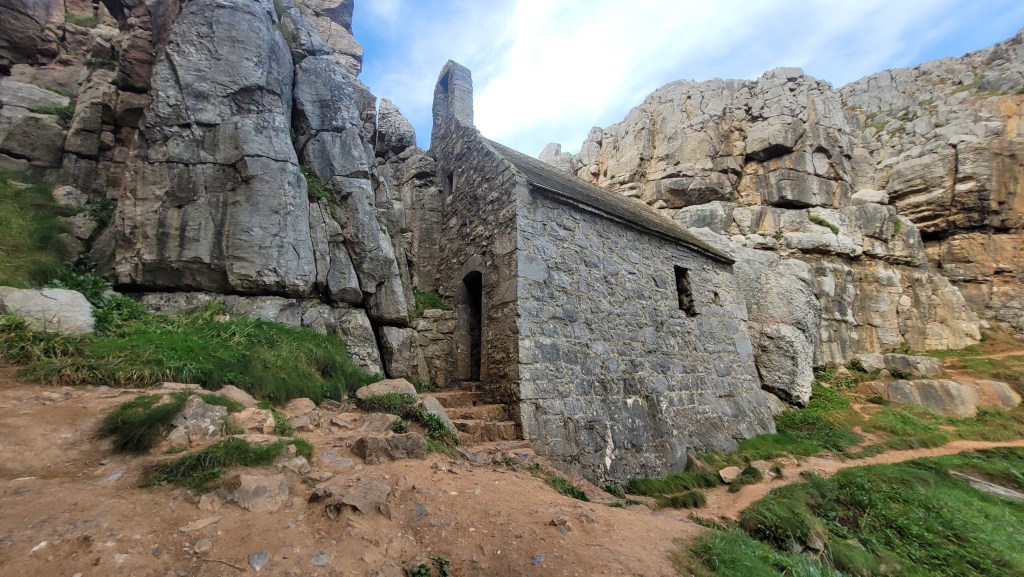
St Govan’s Chapel
St Govan’s Chapel – Pembrokeshire, Wales The ancient chapel is dedicated to St. Govan, thought to have been a celtic missionary from Ireland, who sailed to Wales late in his life to live as a hermit in a cave where the chapel now stands. There are some who believe Govan was actually Sir Gawain, the…
-
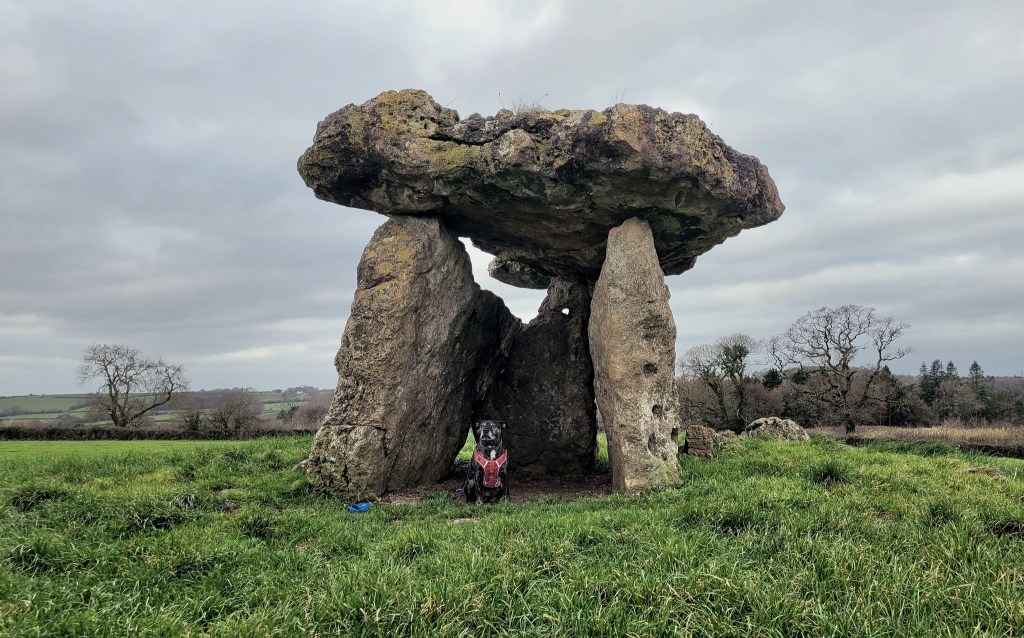
St Lythans Dolmen/Cromlech
Less than 10 miles from Cardiff city centre in Wales is the village of St. Lythans. Here is where we find a neolithic cromlech, otherwise known as Maes y felin (The mill field), named after the field in which it sits. Another name for the monument is Gwal y filiast, a name shared by a…
-
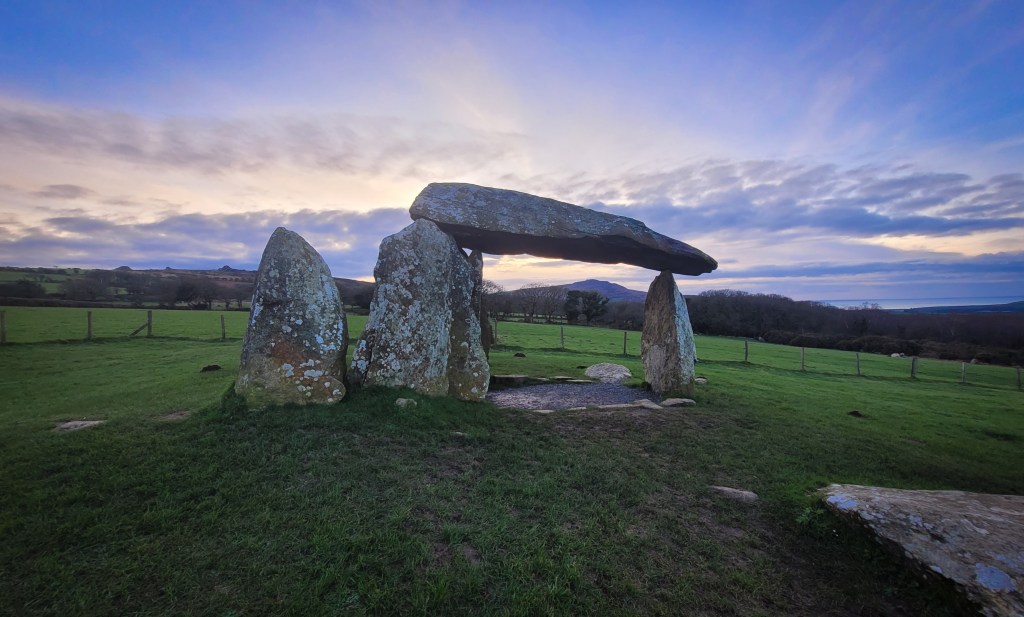
Pentre Ifan Old Records & Images
Pentre Ifan is a neolithic Portal Dolmen in Pembrokeshire, Wales. In this post, we’ll be covering the early antiquarian records of the monument, as well as the oldest photographs and illustrations. We will do a more general post regarding Pentre Ifan and its archaeology and legends. We cover the excavations that took place here in…
-
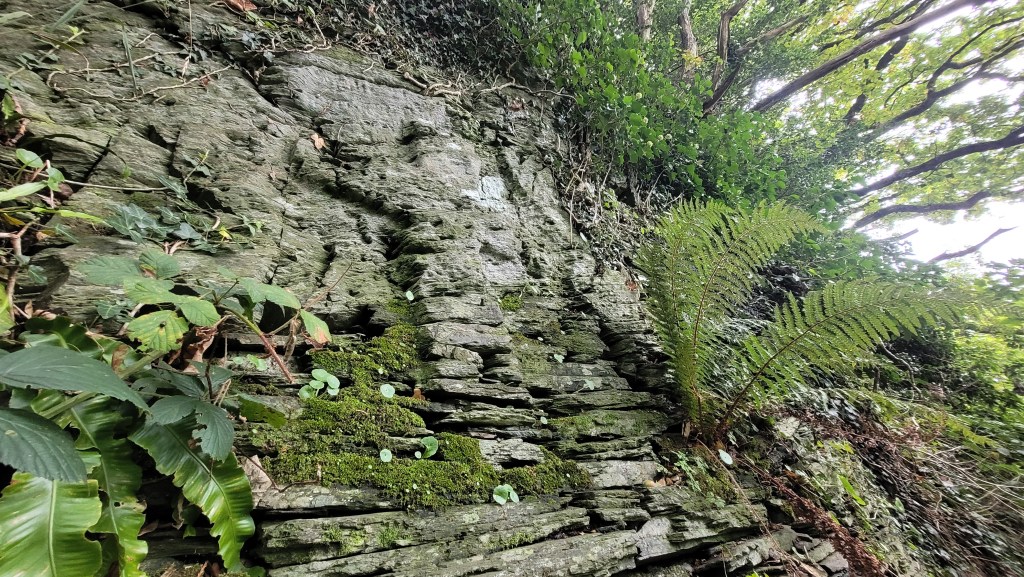
The Pilgrim’s Cross
The village of Nevern (Nanhyfer) in Pembrokeshire, Wales is steeped in history and legends. Carved directly into the rock face high above the village, the Pilgrim’s Cross is believed to date back to the early medieval period, when Nevern seems to have been an incredibly important spiritual place. In the medieval period, pilgrimage was a…
-
Carn Ingli – Angel Mountain
Mynydd Carningli is in the Preseli Hills of Pembrokeshire, Wales. This is an ancient volcano with a striking silhouette dominating the surrounding landscape. At the summit sits a vast Iron Age hillfort.. Amongst the lower slopes are scattered remains of Bronze Age occupation. Some features of the mountain may even go as far back as…
-
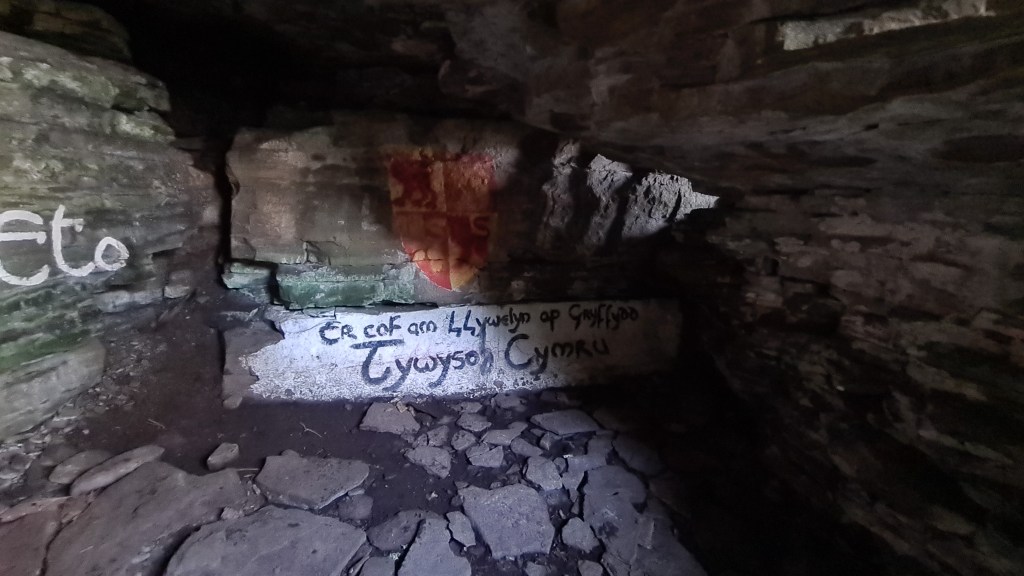
Ogof Llewelyn – Llewelyn’s cave
Local legend says that this cave in the small village of Aberedw, Wales is the place where Llywelyn ap Gruffydd, the last Prince of an independent Wales, spent his final night in hiding before being killed. There is another story that says he asked a local blacksmith to put the shoes on his horse to…
-
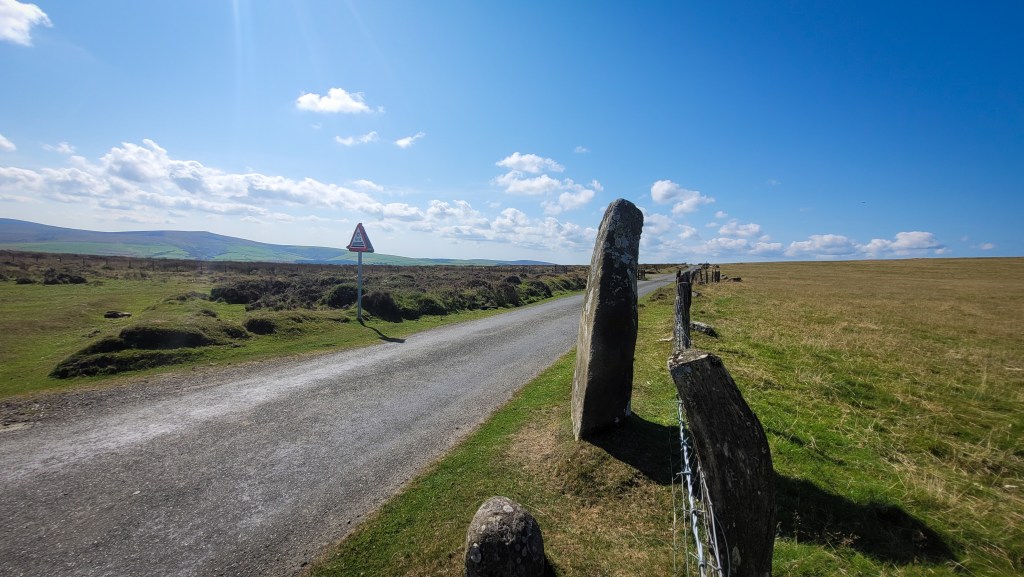
Bedd Morris – Grave of Morris
Prehistoric Standing stone in Pembrokeshire, Wales. The 6ft tall stone has inscriptions indicating that it was used in recent centuries as a boundary marker between the parishes of Newport and Llanychlwyddog. It is believed by experts to have been erected in the Bronze Age, but Coflein states that its antiquity is in doubt, due to…
-

Dolmen de Confolens – France
Alternative Name: Dolmen de Périssac, Tombeau de Mme Gontier. This Neolithic dolmen is located in the cemetery of the town on Confolens. It was moved here in the 19th century to house the tomb of the wife of the sub-prefect Cecile-Jeanne-Marie Crevelier. The 10 tonne capstone was transported by a carter from Périssac to Confolens…

