
Pembrokeshire
-
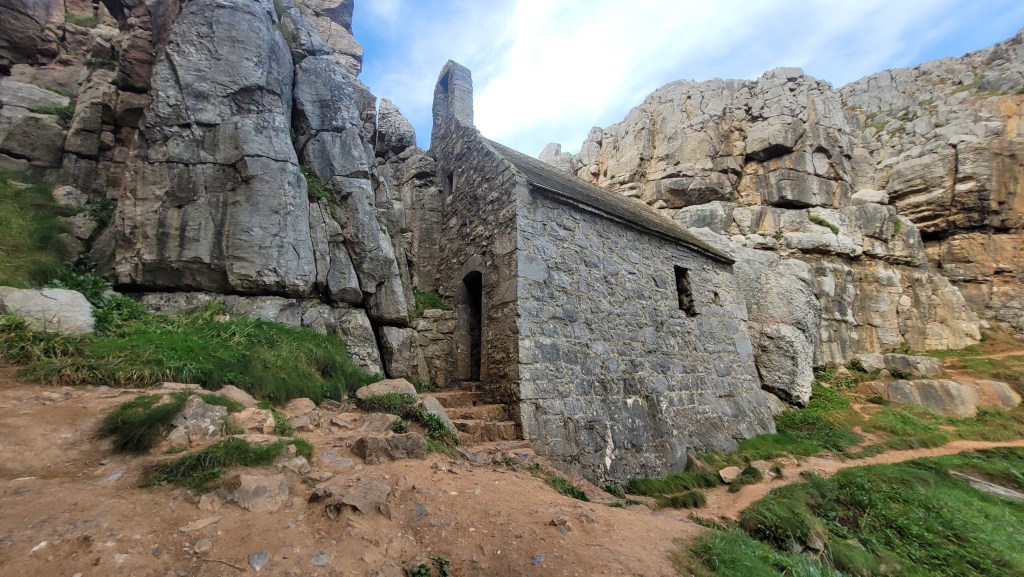
St Govan’s Chapel
St Govan’s Chapel – Pembrokeshire, Wales The ancient chapel is dedicated to St. Govan, thought to have been a celtic missionary from Ireland, who sailed to Wales late in his life to live as a hermit in a cave where the chapel now stands. There are some who believe Govan was actually Sir Gawain, the…
-
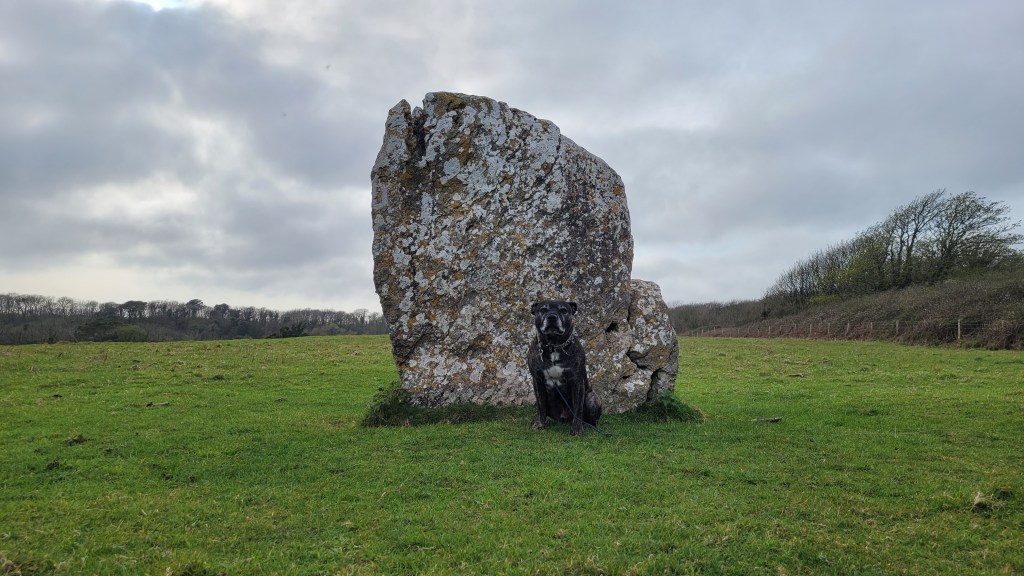
Devil’s Quoit – Stackpole
Grid Reference: SR9810095060 The Devil’s Quoit is a prehistoric standing stone, 1.7m tall, located in the Stackpole Warren Nature Reserve in Pembrokeshire, Wales. The landscape of Stackpole is rich in prehistoric history, and in the 1970s was subject to extensive excavations which revealed occupation from the Mesolithic Period through to the Romano-British Period and beyond.…
-
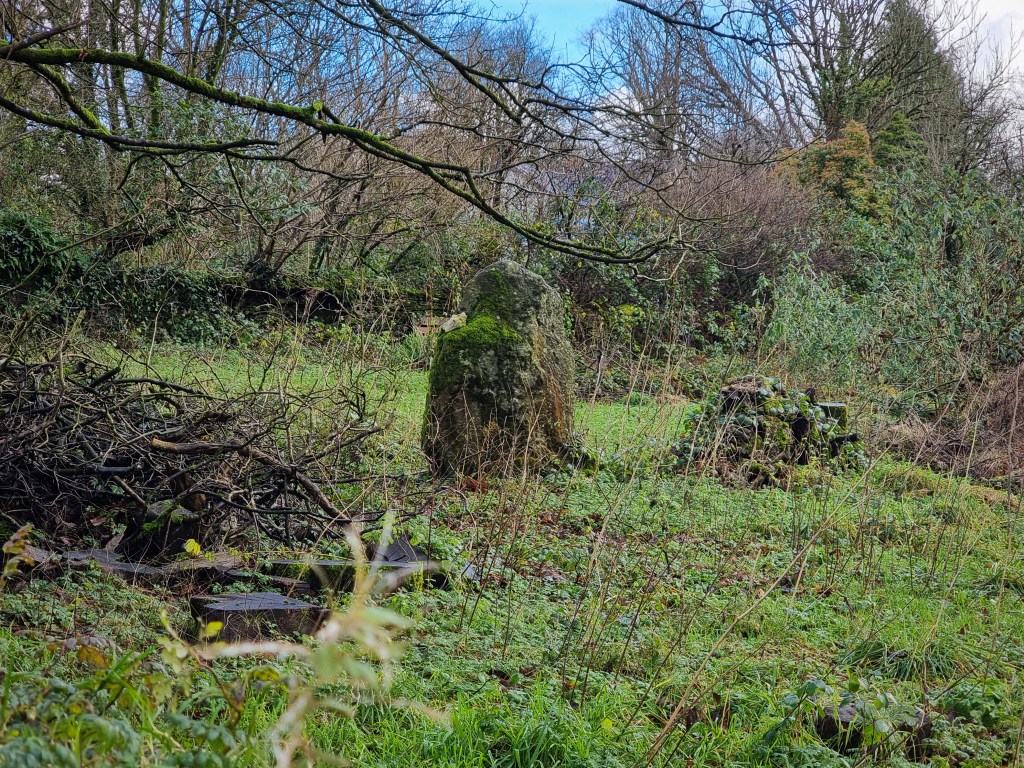
Temple Druid Neolithic/Bronze Age remains
Temple Druid and Prysg Farm are home to a complex of Late Neolithic and Bronze Age monuments, including a possible henge enclosure, standing stones which are now scattered about, as well as the remains of one or more neolithic cromlechs. Temple Druid is a grade II listed John Nash house. The present house is not…
-
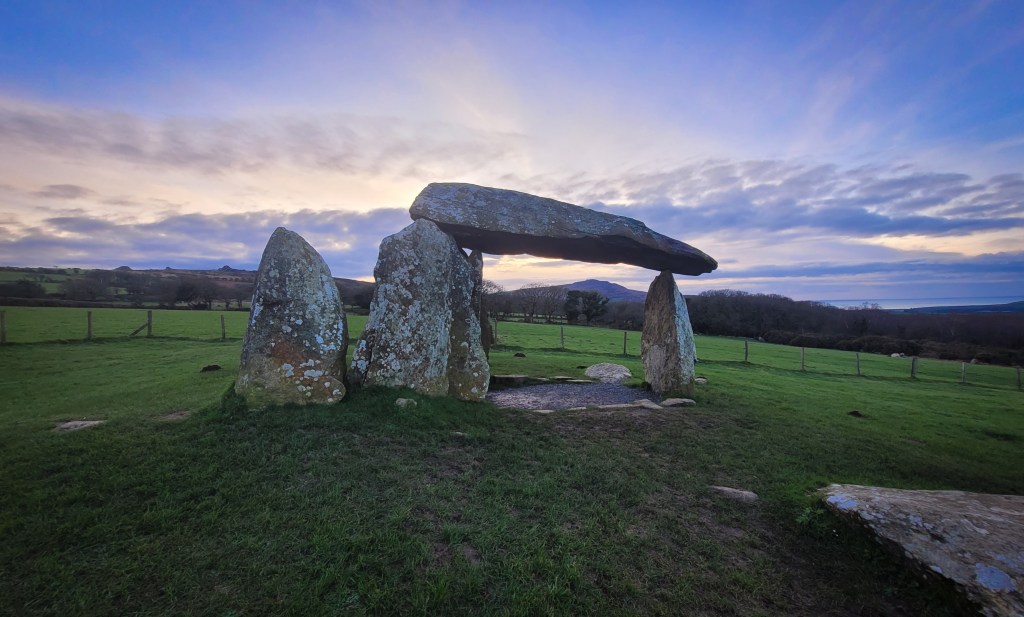
Pentre Ifan Old Records & Images
Pentre Ifan is a neolithic Portal Dolmen in Pembrokeshire, Wales. In this post, we’ll be covering the early antiquarian records of the monument, as well as the oldest photographs and illustrations. We will do a more general post regarding Pentre Ifan and its archaeology and legends. We cover the excavations that took place here in…
-
The Pilgrim’s Cross
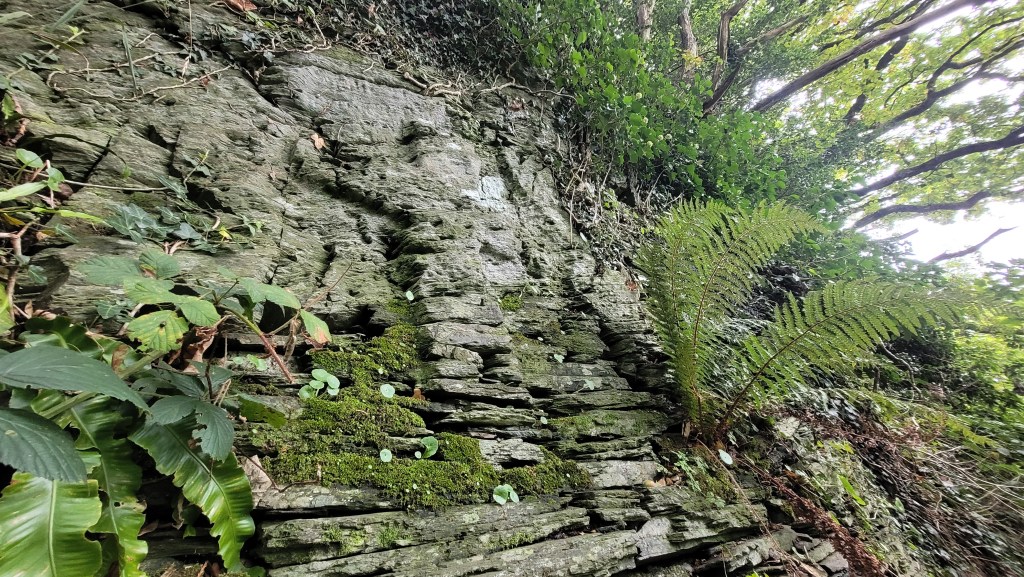
The village of Nevern (Nanhyfer) in Pembrokeshire, Wales is steeped in history and legends. Carved directly into the rock face high above the village, the Pilgrim’s Cross is believed to date back to the early medieval period, when Nevern seems to have been an incredibly important spiritual place. In the medieval period, pilgrimage was a…
-
Carn Ingli – Angel Mountain
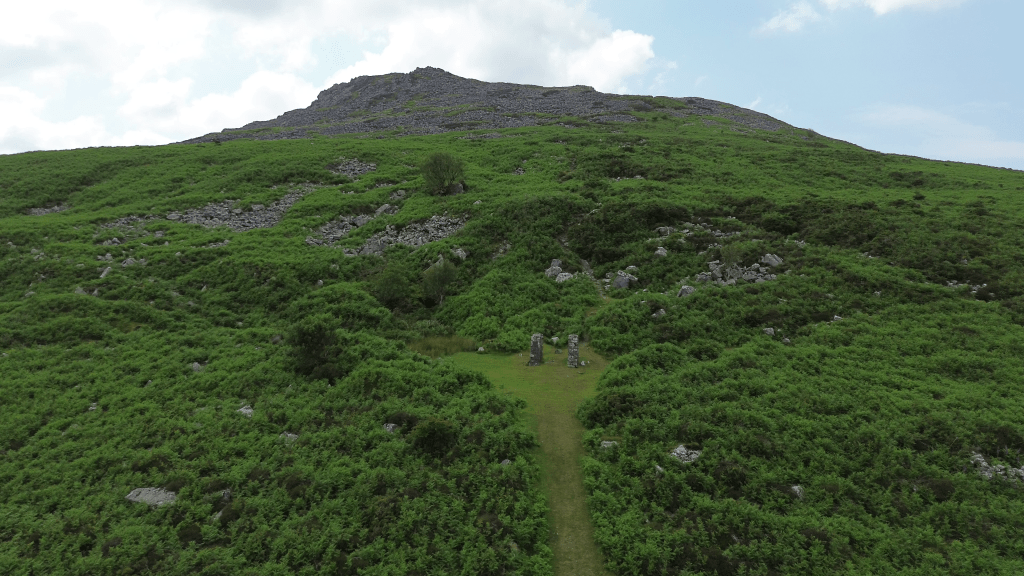
Mynydd Carningli is in the Preseli Hills of Pembrokeshire, Wales. This is an ancient volcano with a striking silhouette dominating the surrounding landscape. At the summit sits a vast Iron Age hillfort.. Amongst the lower slopes are scattered remains of Bronze Age occupation. Some features of the mountain may even go as far back as…
-
Carew Cross
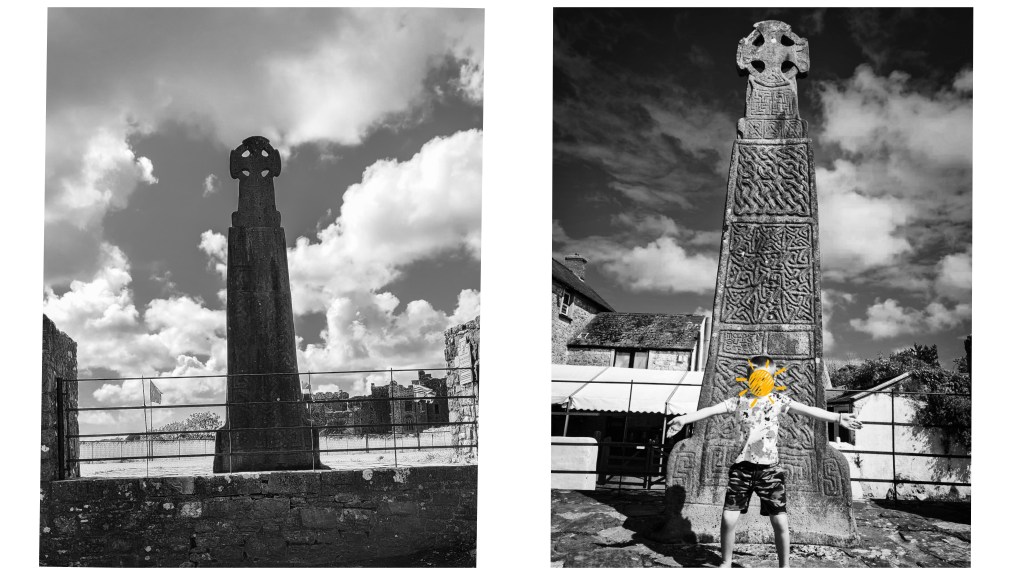
The Carew Cross is an 11th century carved stone that today stands in the grounds of Carew Castle in Pembrokeshire, Wales. It stands at around 4 metres tall and is richly decorated with intricate patterns of interlacing knotwork, spirals and geometric motifs. The stone is thought to have been carved to commemorate Maredudd ab Edwin,…
-
Trefael Cup-marked Stone
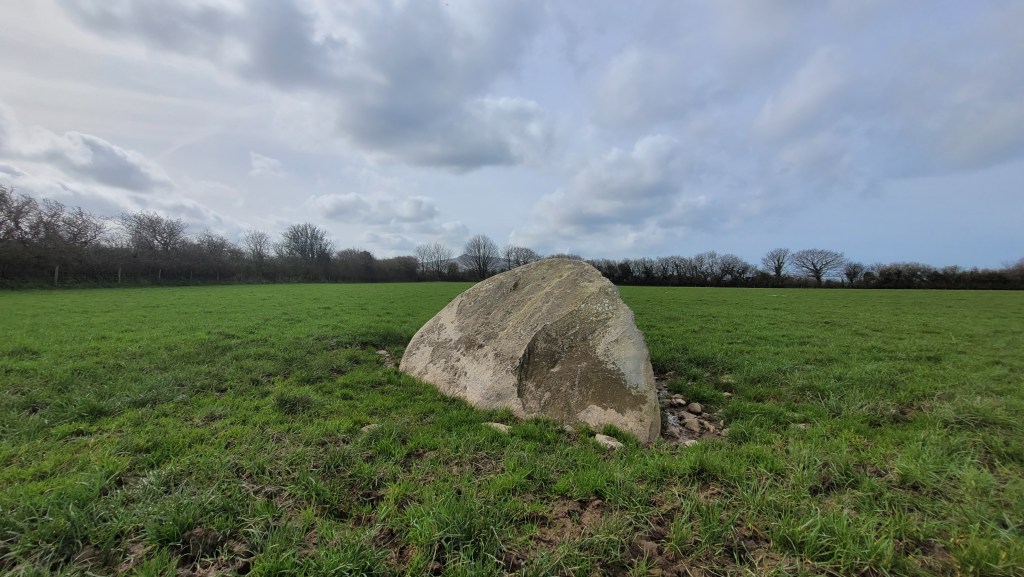
Near the village of Nevern in Pembrokeshire, Wales is the Trefael Stone. The stone is comprised of silicified sandstone, measuring around 2.3m by 2m and is covered in a form of prehistoric rock art known as ‘cupmarks’. Previously just 45 cupmarks were recorded on the upper surface of the stone, each with a mean diameter…
-
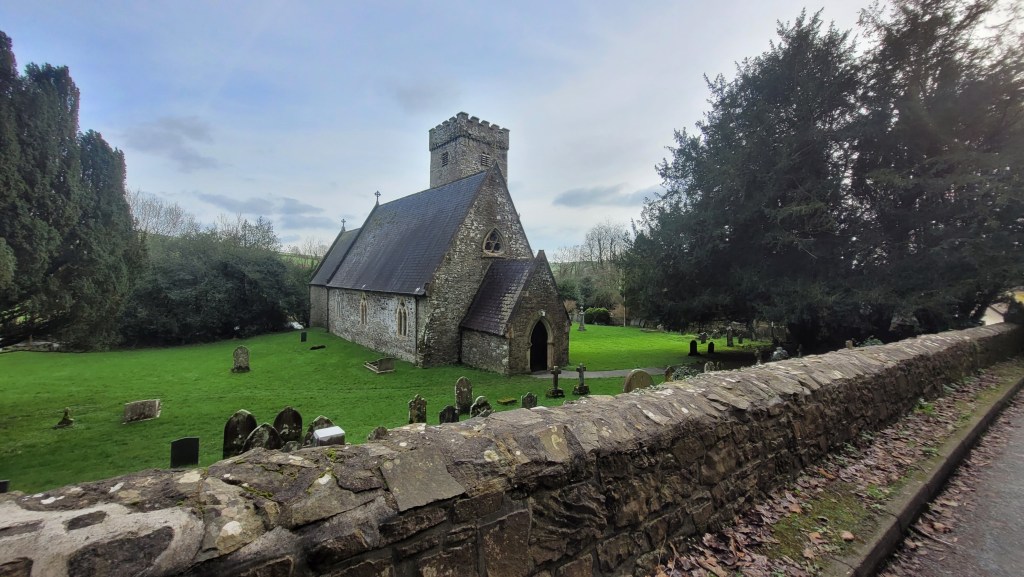
St. Aidan’s Church
In the village of Llawhaden in Pembrokeshire, Wales is St. Aidan’s Church. Llawhaden has a fascinating history and if you would like to learn about the medieval castle and chapel, here is the link to that post – https://thathistorycouple.co.uk/2025/07/18/llawhaden-village-castle/ At the back of the church is an early medieval inscribed stone. Here is a description…
-
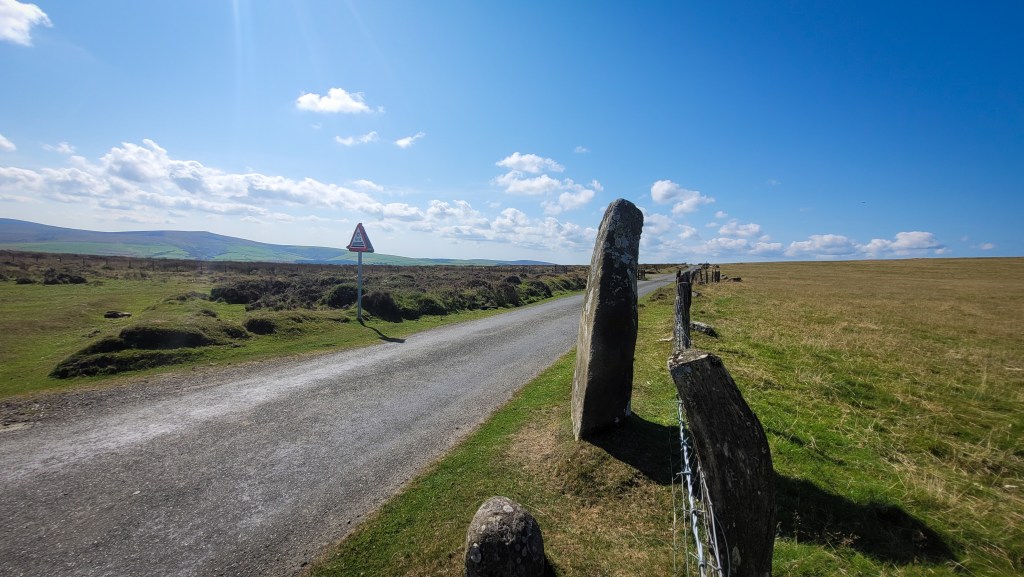
Bedd Morris – Grave of Morris
Prehistoric Standing stone in Pembrokeshire, Wales. The 6ft tall stone has inscriptions indicating that it was used in recent centuries as a boundary marker between the parishes of Newport and Llanychlwyddog. It is believed by experts to have been erected in the Bronze Age, but Coflein states that its antiquity is in doubt, due to…
 CoralJackz - That History Couple