
churches
-
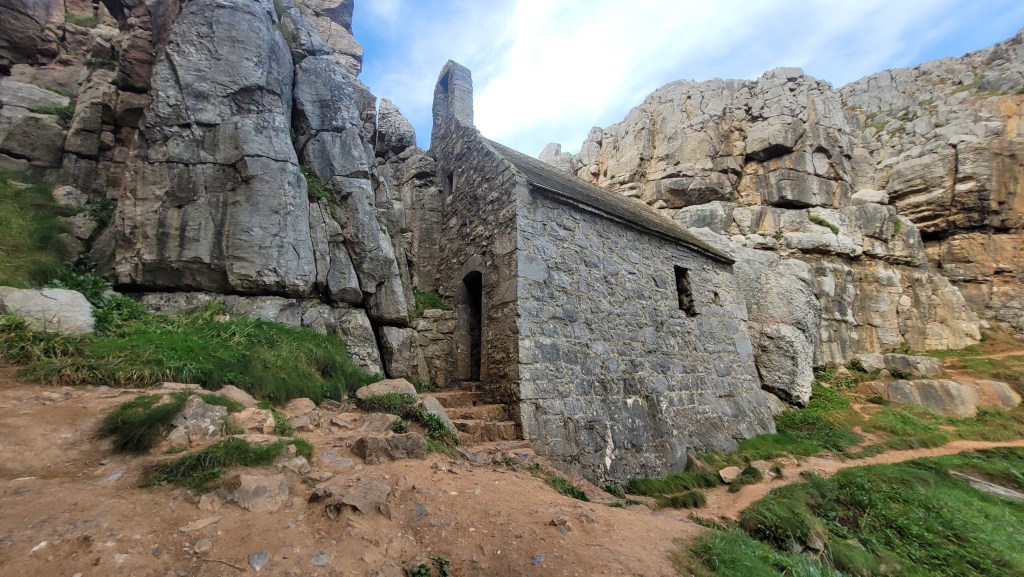
St Govan’s Chapel
St Govan’s Chapel – Pembrokeshire, Wales The ancient chapel is dedicated to St. Govan, thought to have been a celtic missionary from Ireland, who sailed to Wales late in his life to live as a hermit in a cave where the chapel now stands. There are some who believe Govan was actually Sir Gawain, the…
-

All Saints Church Sarsen Stones
In the village of Alton Priors in Wiltshire, England is All Saints Church. The church dates to the 12th century but has undergone major refurbishments since. Within the church are two sandstone Sarsen stones concealed beneath trapdoors. Some believe these stones were part of a prehistoric stone circle upon which the medieval church was built.…
-
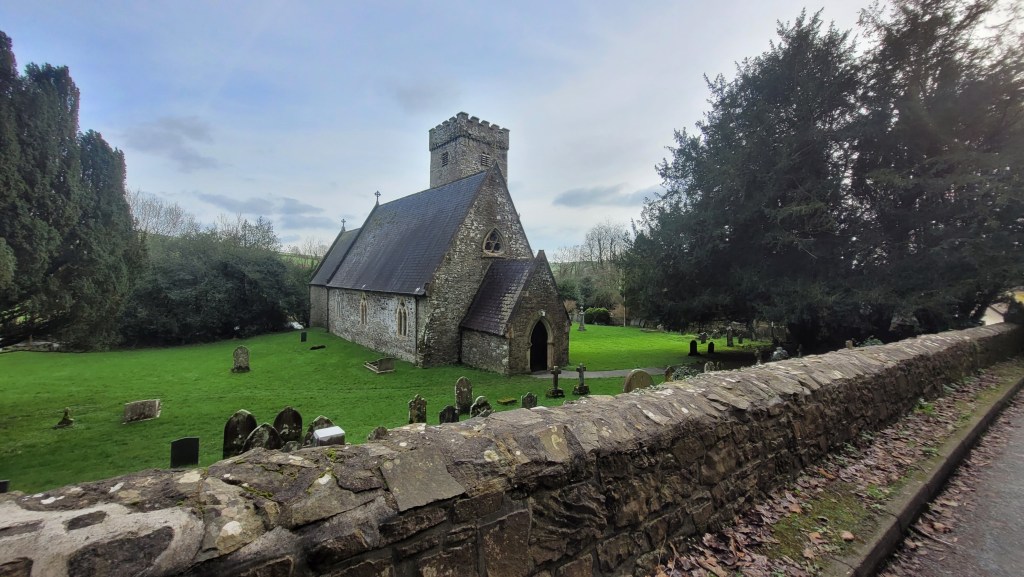
St. Aidan’s Church
In the village of Llawhaden in Pembrokeshire, Wales is St. Aidan’s Church. Llawhaden has a fascinating history and if you would like to learn about the medieval castle and chapel, here is the link to that post – https://thathistorycouple.co.uk/2025/07/18/llawhaden-village-castle/ At the back of the church is an early medieval inscribed stone. Here is a description…
-
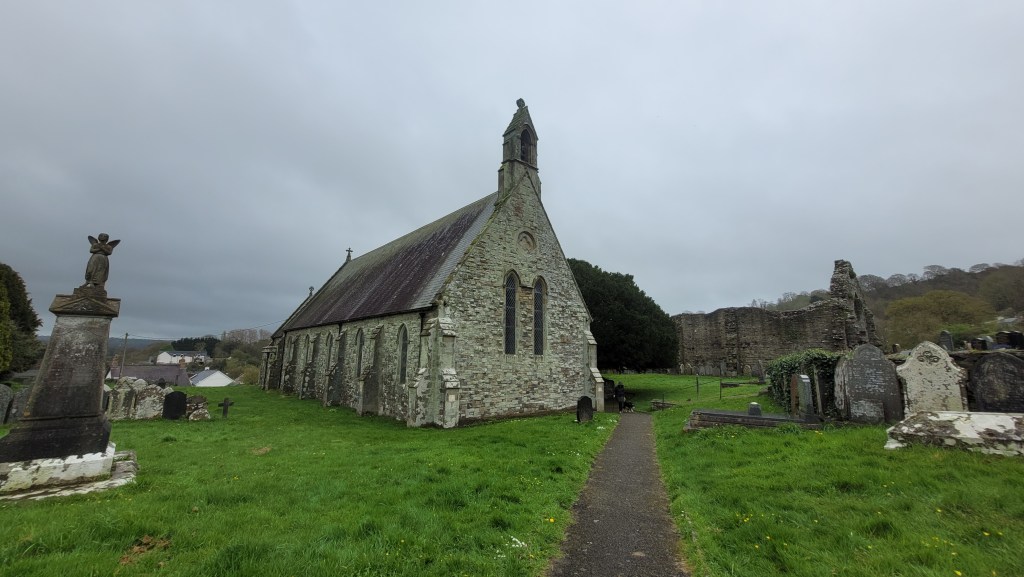
The Sagranus Ogham and Latin inscribed Stone
The Sagranus Ogham and Latin inscribed Stone – St Thomas Church – St Dogmaels.Pembrokeshire, Wales The present church of St Thomas the Apostle is a modern construction, having been built within St Dogmaels Abbey precincts in 1847 using materials from the ruined buildings. Within the church is the Sagranus Stone, inscribed in both Latin and…
-
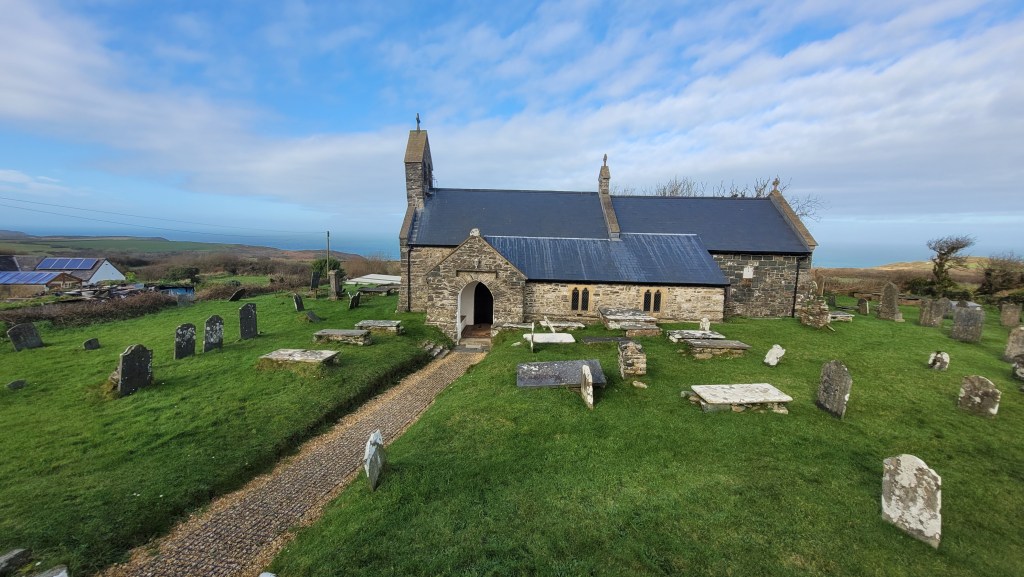
St Gwyndaf’s Church
In the village of LLanwnda in Pembrokeshire, Wales is St Gwyndaf’s Church. This is an interesting village full of history. We originally visited here to see the Neolithic cromlech Garn Wnda, but soon discovered that the church also has an interesting past.. A short walk north west of the church is Carregwastad Point. In 1797,…
-
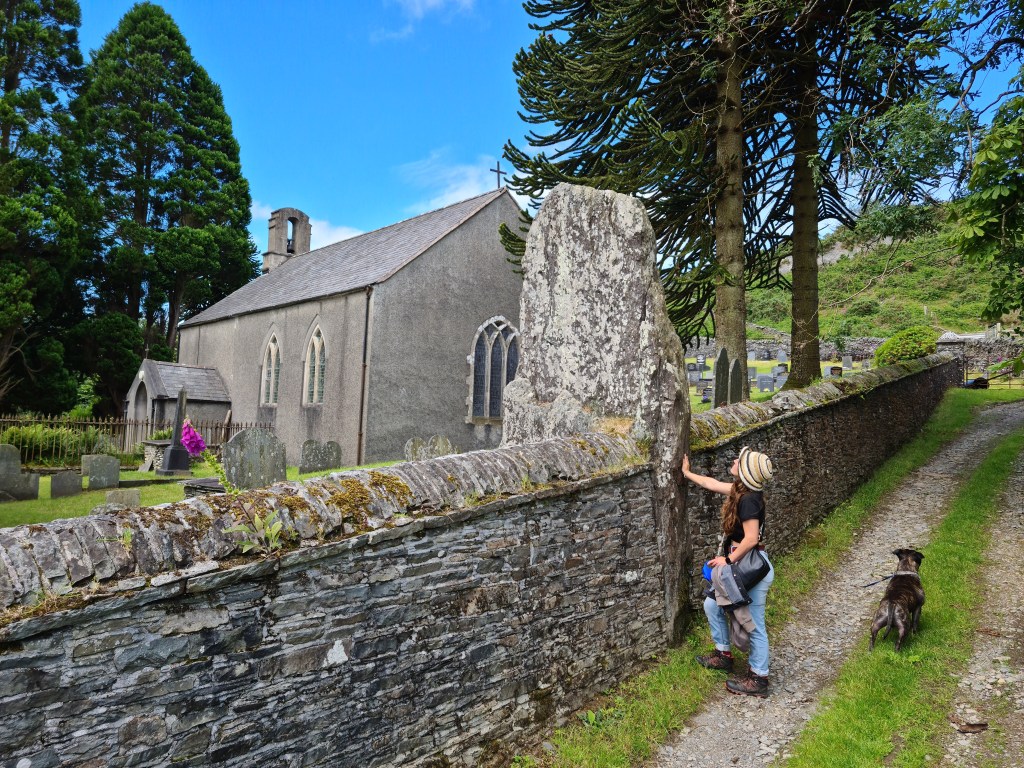
Ysbyty Cynfyn – Ceredigion, Wales
St Johns church in the tiny village of Ysbyty Cynfyn is curiously built upon an ancient site – perhaps an embanked stone circle, of which some huge stones remain. Today, this villages comprises of a church and farm. The form of the medieval church which is said to have been here prior is not known.…
-
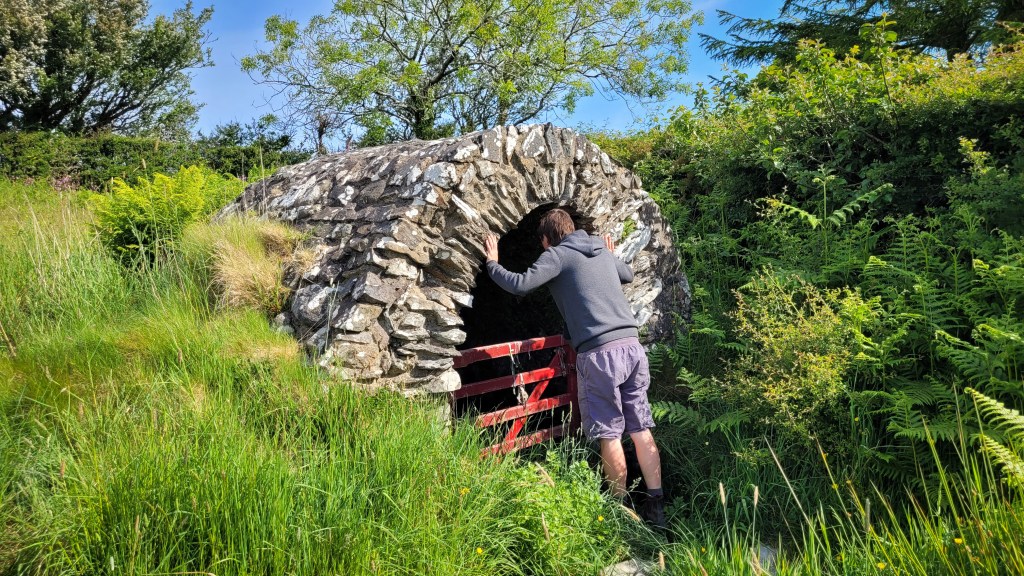
Llanllawer Holy Well & Church
St David’s Church in Llanllawer – Pembrokeshire, Wales. (Older name – Llanllawern) The church stands of a promontory above the River Gwaun and the village of Llanychaer. At this church are four medieval inscribed stones – two used as gate posts and two others incorporated into the church building itself. The stones are thought to…
-
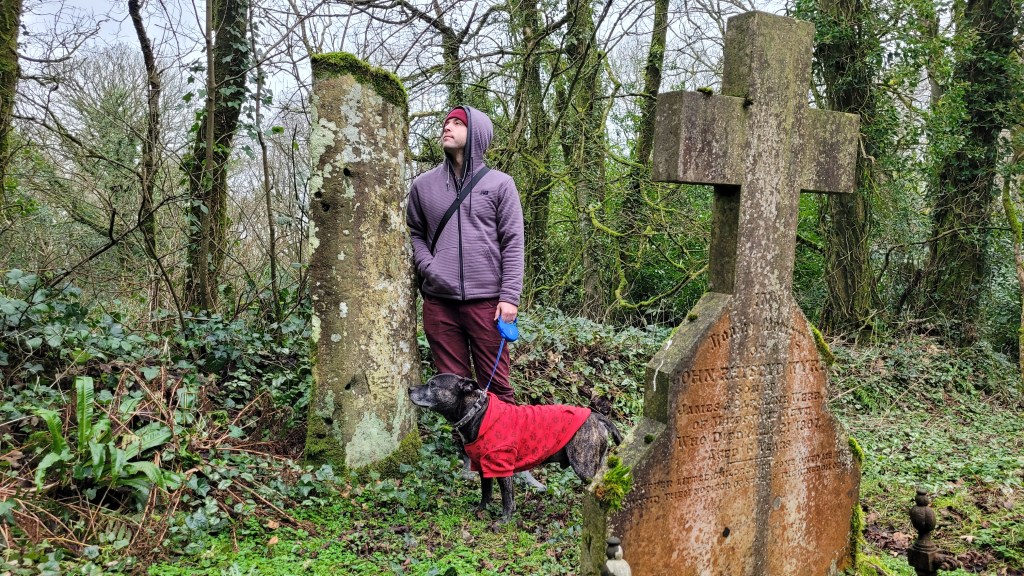
The Hogtivis Stone – St. Dogwells
St. Dogwell’s in Pembrokeshire sits just 2 miles from Casblaidd (Wolf’s Castle), where folklore tells of the last wolf in Pembrokeshire having been killed there. Local lore also states that St. Dogwells was the birth and resting place of Owain ap Gruffydd – known as Owain Glyndwr, the last native Welshman to hold the title…
-
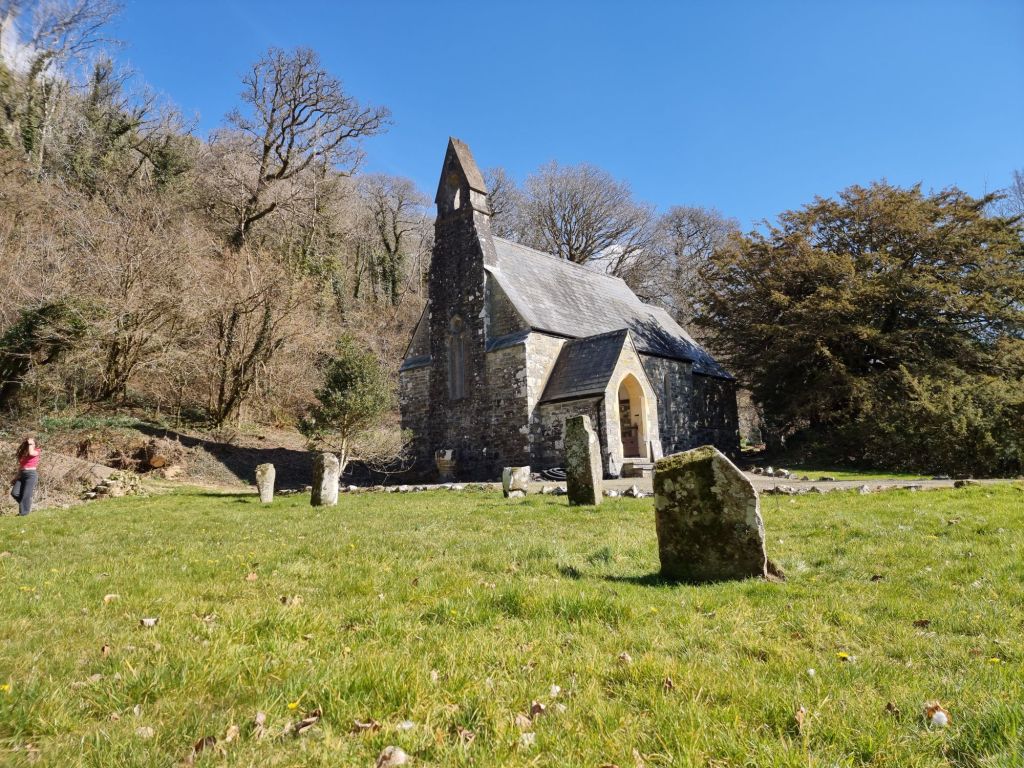
The Pillar Stones – Llanychlwydog
In St David’s Churchyard stands what are marked on OS maps as the ‘Pillar Stones’.. a group of early-christian inscribed stones.A medieval church at this site was demolished in 1864 and entirely rebuilt in the 19th century. The church is now in private ownership, but before the building was converted, permission was granted for excavation…
-
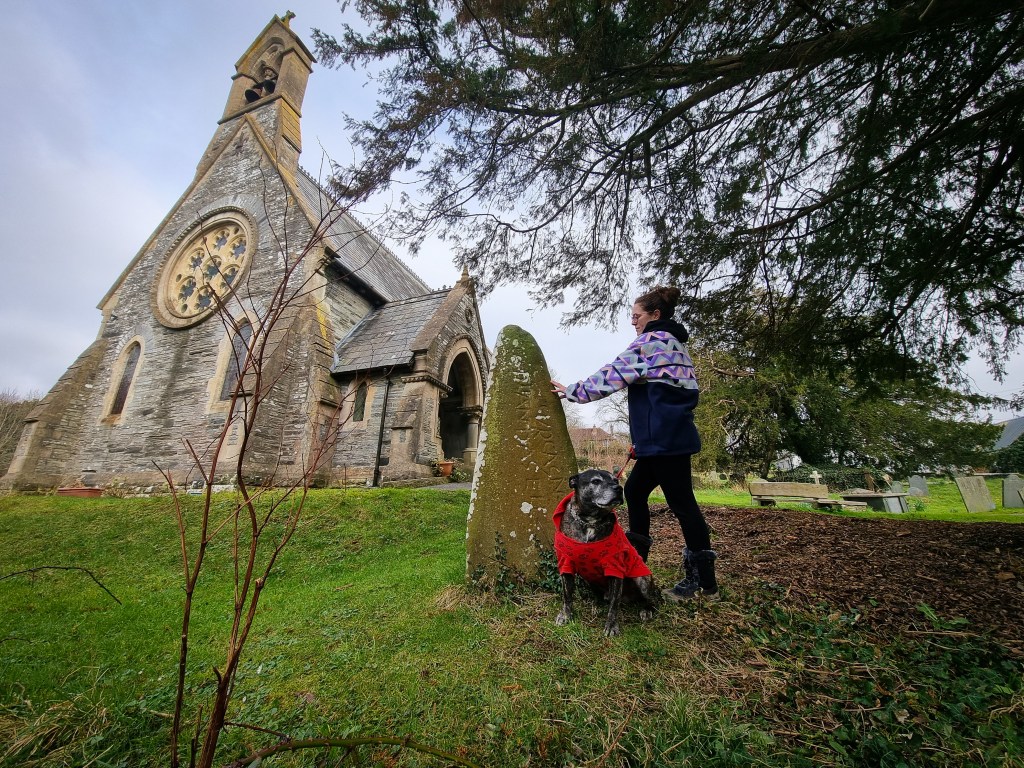
The Gellidywyll Stone in Cenarth
The Gellidydwyll Stone. Inscribed Stone in Cenarth. Carmarthenshire, Wales. This stone now stands in St Llawddog’s Churchyard in Cenarth. The Latin inscription is thought to date to the 6th century and translates to ‘Curcagnus, son of Andagelli’. In 1743 this stone was recorded as standing on the roadside adjacent to Temple Druid, around 20 miles…
 CoralJackz - That History Couple