
Cromlechs/Dolmens
-
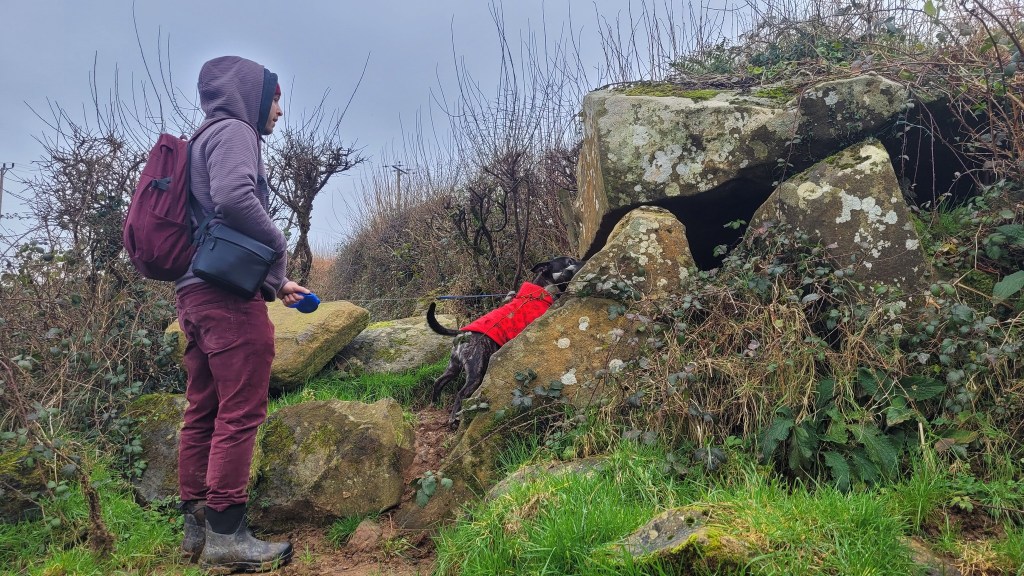
The Alter/Colston Stones – Pembrokeshire, Wales
Today this cromlech lies in ruin in a field boundary near Little Newcastle in Pembrokeshire. There is a short Coflein entry: “Colston Burial Chamber. A burial chamber consisting of a capstone, 2.0m by 2.0m by 0.6m, resting on two upright stones and set upon probable barrow, 30m in diameter. Up to two other burial chambers…
-
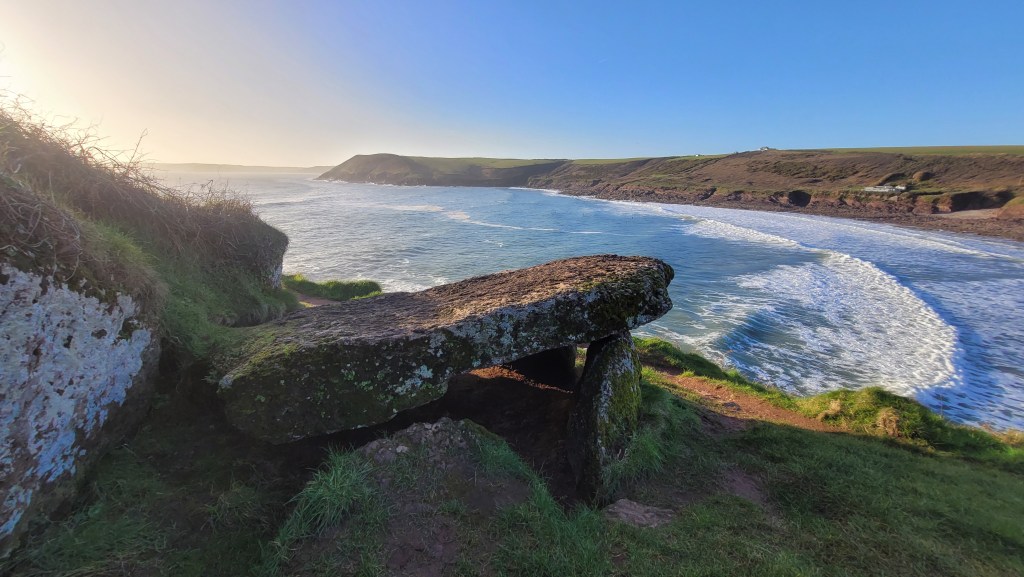
King’s Quoit Cromlech in Manorbier
The King’s Quoit, a Neolithic Cromlech overlooking the beautiful Manorbier Beach.. Just a short walk from a car park overlooking the sea. The capstone is a massive slab of maroon sandstone, raised upon two small uprights. As you walk across the sand towards the Coastal Path up the cliffs, you can look inland towards the…
-
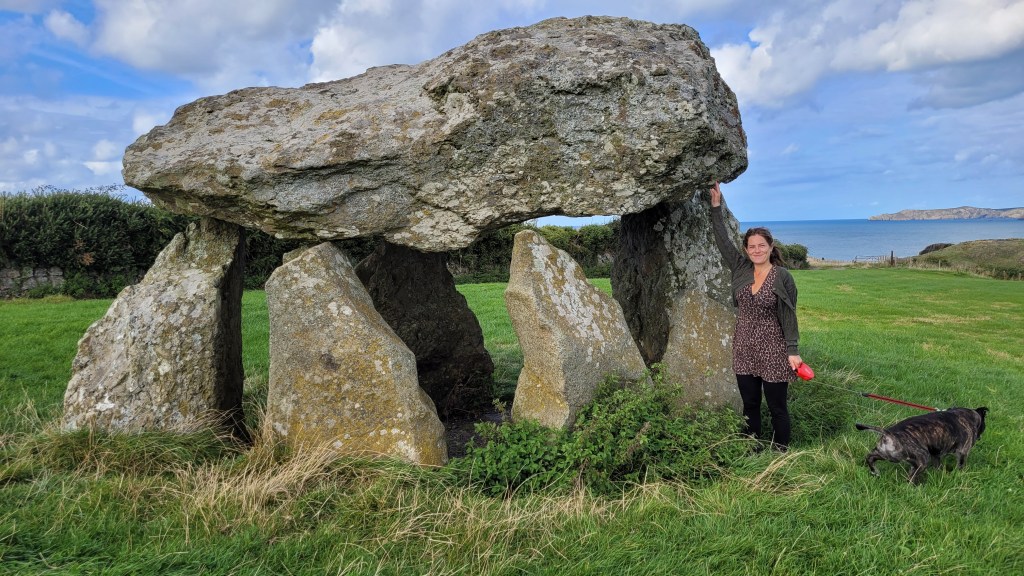
Carreg Samson – Pembrokeshire, Wales
This beautiful Cromlech sits in a field overlooking Abercastle Harbour and the Irish Sea. It’s fat, rounded capstone is perched on only three out of the six large upright stones. The structure is estimated to be around 5000 years old, dating back to the Neolithic Period. Early records of Carreg Samson & old images: The…
-
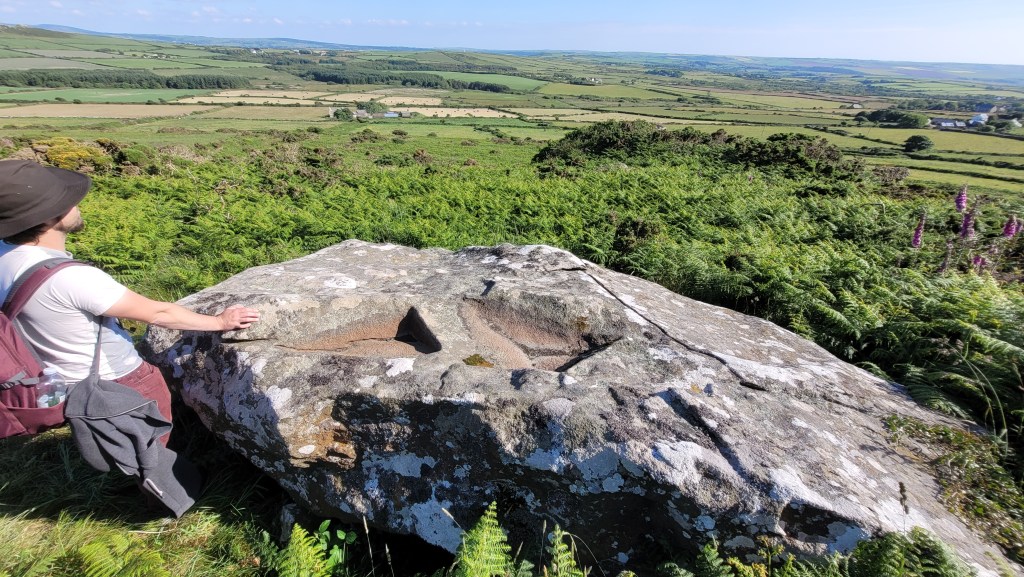
Garn Gilfach Neolithic Cromlech
Strumble Head in Pembrokeshire, Wales is home to numerous neolithic remains. On the rocky hill named Garn Gilfach sits an interesting monument classified as a ‘chambered cairn’.. Upon the capstone are triangular markings which have sparked much curiosity.. We parked our car near the red arrow.. However, the public footpath that goes up the track…
-
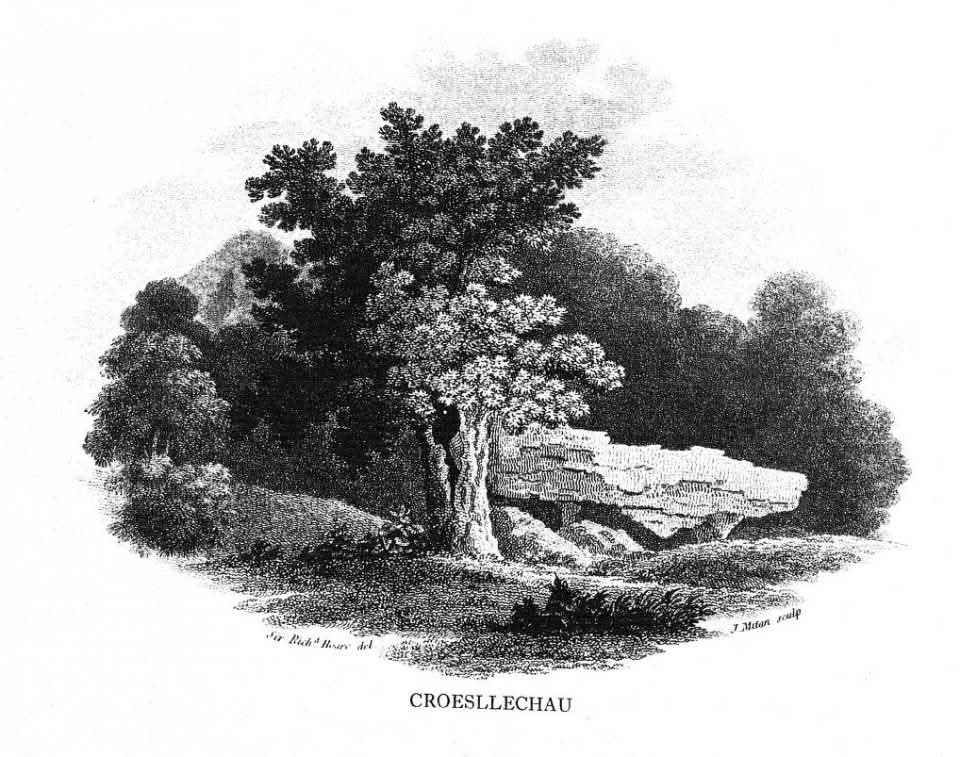
Croes-llechau, Bronllys, Wales.
Sadly this cromlech is now in ruin, but we do have an account from 1809 by Theophilus Jones in the ‘History of the County of Brecknock volume 2’: “In a field called Croeslechau about two miles eastward of this town or village [Talgarth] but in the parish of Bronllys and on a farm called Bryn-y-groes,…
-
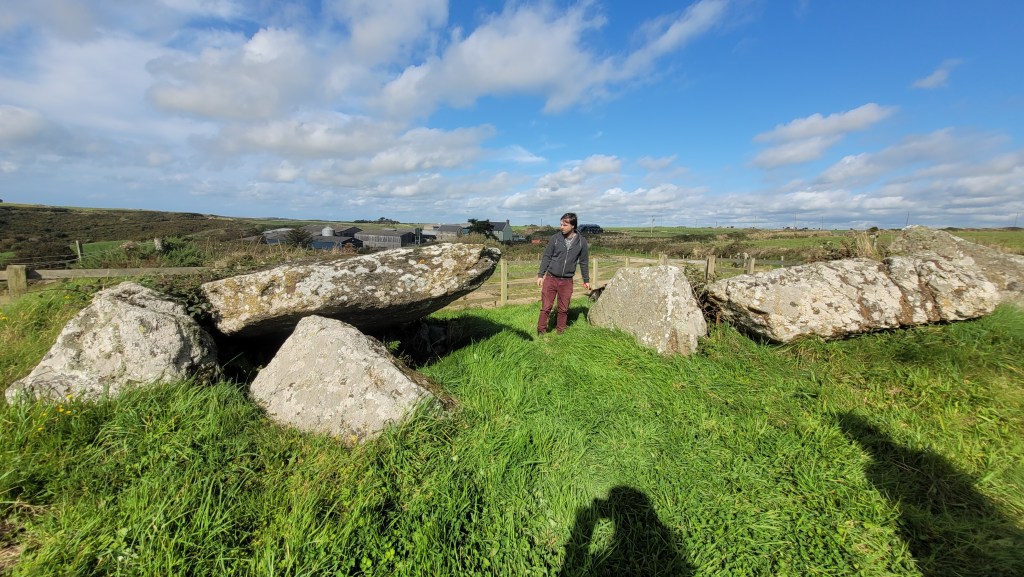
St Elvis – Pembrokeshire, Wales
Remains of a Neolithic ‘double cromlech’ near Solva.. About the site:The remains of two chambers can be discerned; on the W side is a large capstone measuring ca 3.3m x 2.4m x 0.7m which is supported on the S side by a stone 0.7m high and surrounded by several smaller stones, some partly buried. The…
-
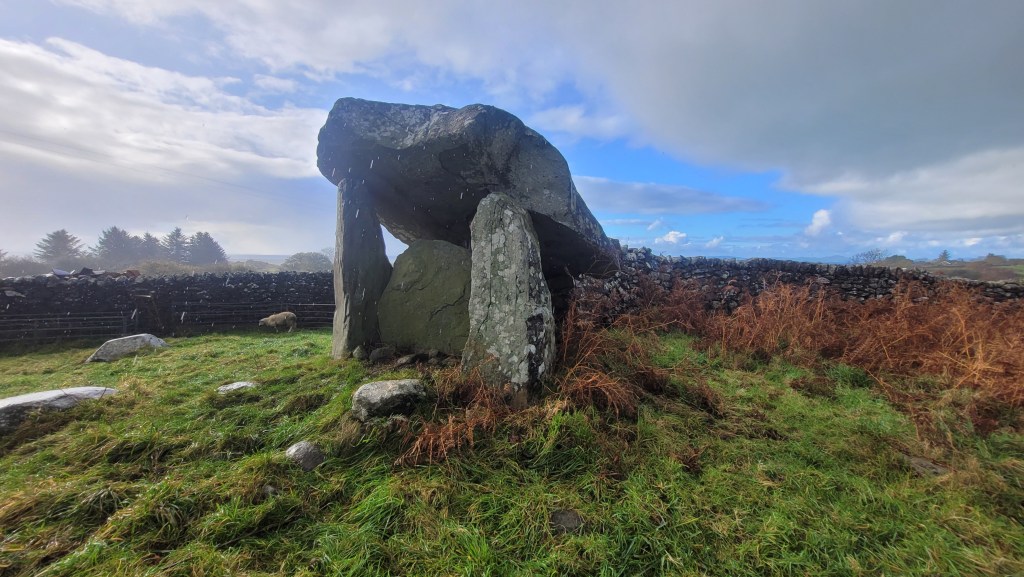
Gwern Einion
Neolithic cromlech/dolmen in Gwynedd, Wales. This monument was at some point incorporated into a wall next to a now ruined farmstead and wasbeen reported as being used as a pigsty. In the book named “An Inventory of The Ancient Monuments in Wales and Monmouthshire”, published in 1921, the author writes: “This cromlech occupies a site…
-

Cors y Gedol – Neolithic Site in Gwynedd, Wales
This cromlech is situated in the old parish of Llanddwywe. Its a beautiful site with stunning views of Eryri and Bae Ceredigion. The name Cors y Gedol comes from the 16th century manor house nearby, who’s estate would have once covered a larger area of land here. Some old records of this monument also refer…
-
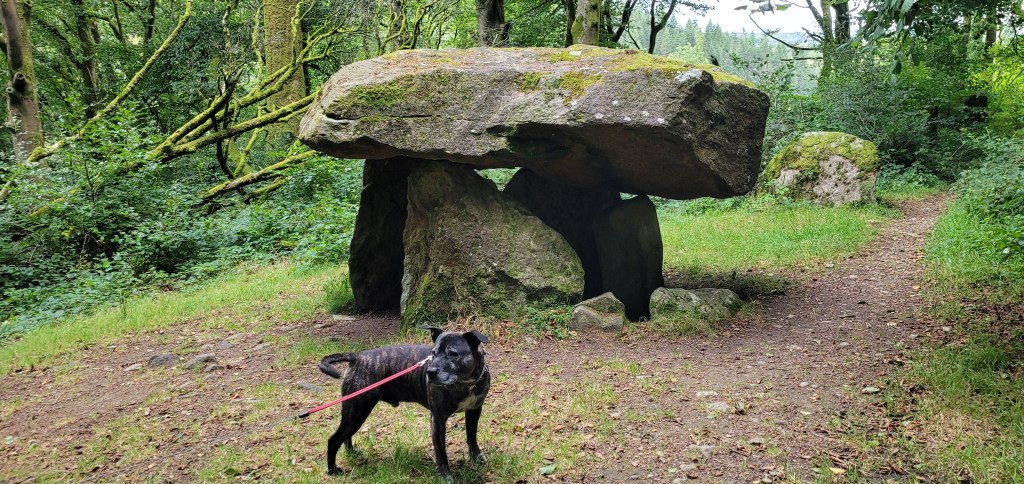
Gwal y Filiast – Carmarthenshire, Wales
A stunning Neolithic cromlech/dolmen situated on a public footpath in a wooded valley. This is a wonderful site, and is steeped in legends.. Earliest records:The earliest record we could find of Gwal y Filiast is from Edward LLuyd in 1695, who notes – ”Gwaly Viliast or Bwrdh Arthur in Llan Boudy parish, is…a rude stone…
-
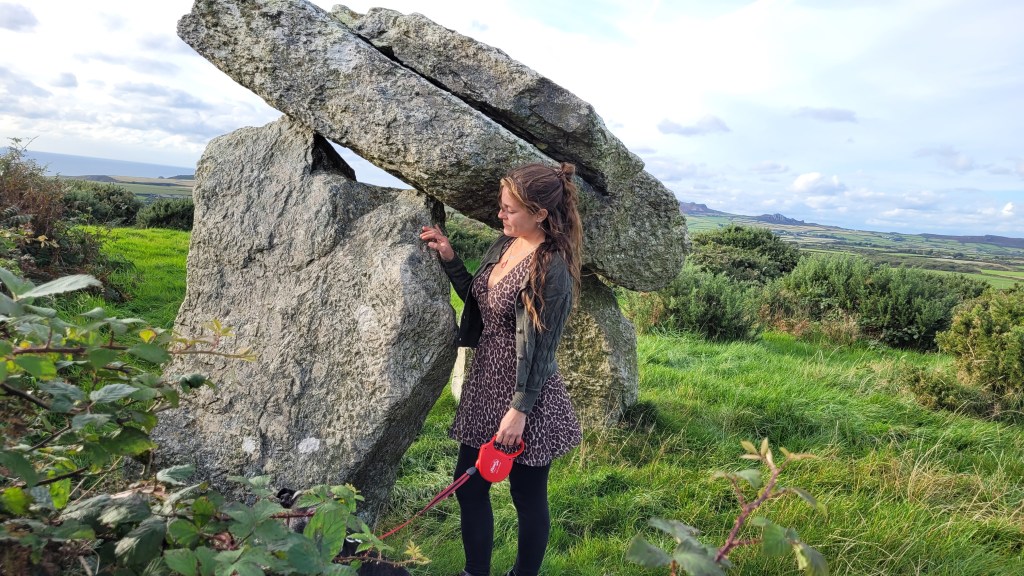
Ffyst Samson – Pembrokeshire, Wales
Otherwise known as Trellys.. All that stands today of this neolithic monument is a capstone perched upon two uprights. The following is a very short description quoted from ‘A Historical Tour Through Pembrokeshire’, published in 1810 by Richard Fenton:“..just above the village of Trellys, is a cromlech, and, what is not commonly seen in a…

