
Cromlechs/Dolmens
-
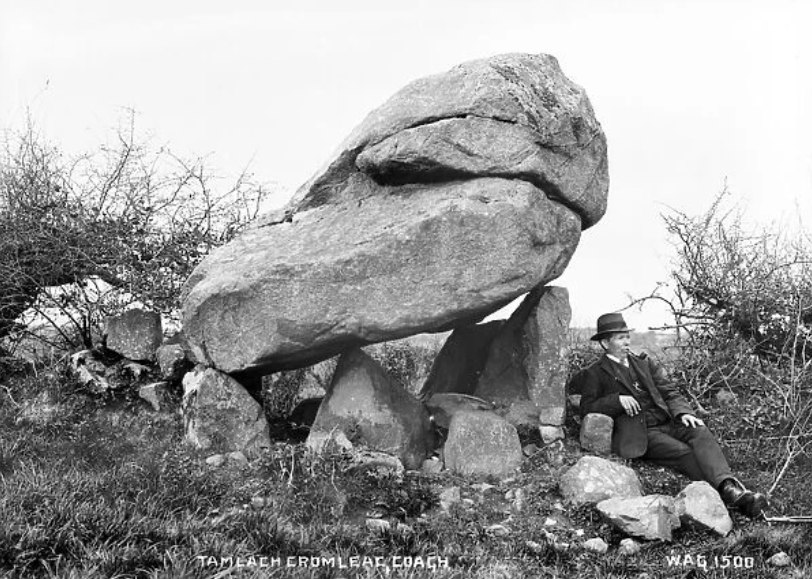
Tamlaght Cromlech, Coagh
This neolithic dolmen was photographed in 1914 by Robert John Welch. The stones had been used as a convenience for displaying notices of farm sales, so Welch used his skills in removing blemishes from glass negatives to remove the notices! We haven’t managed to find out much else regarding this monument, or if it even…
-
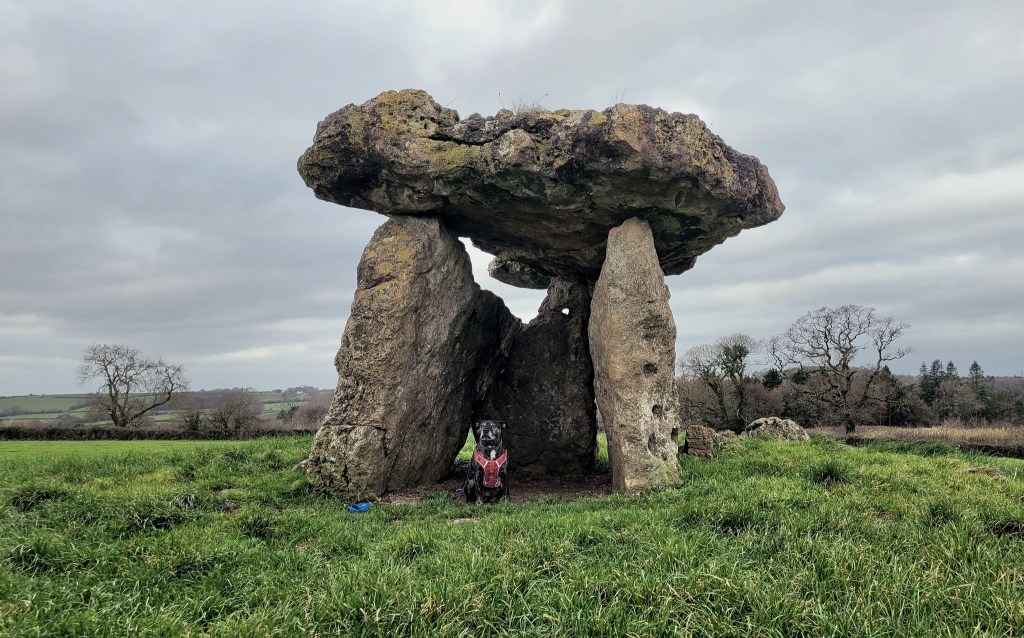
St Lythans Dolmen/Cromlech
Less than 10 miles from Cardiff city centre in Wales is the village of St. Lythans. Here is where we find a neolithic cromlech, otherwise known as Maes y felin (The mill field), named after the field in which it sits. Another name for the monument is Gwal y filiast, a name shared by a…
-
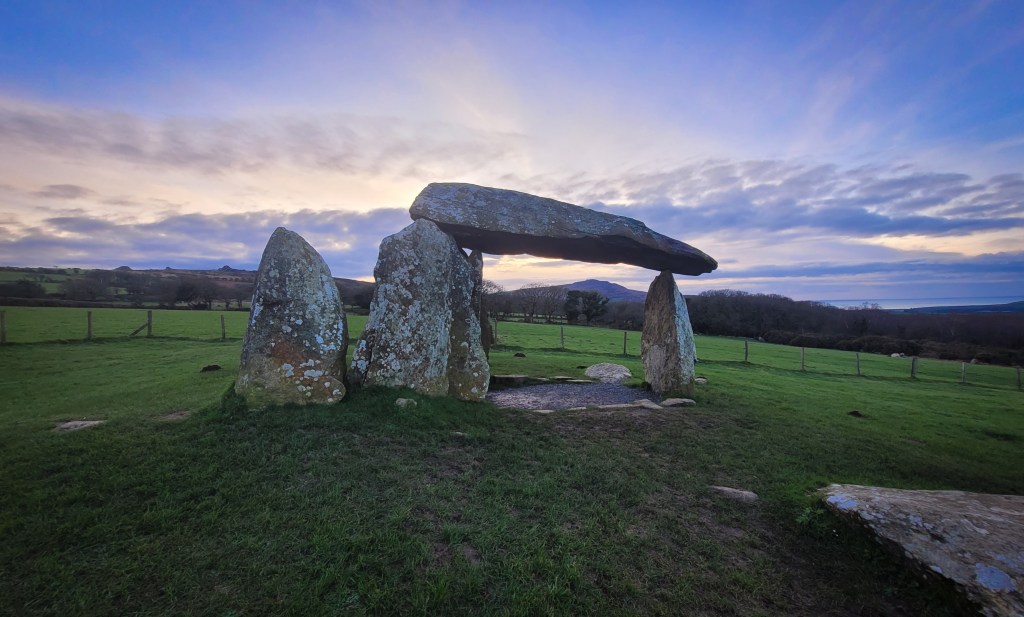
Pentre Ifan Old Records & Images
Pentre Ifan is a neolithic Portal Dolmen in Pembrokeshire, Wales. In this post, we’ll be covering the early antiquarian records of the monument, as well as the oldest photographs and illustrations. We will do a more general post regarding Pentre Ifan and its archaeology and legends. We cover the excavations that took place here in…
-
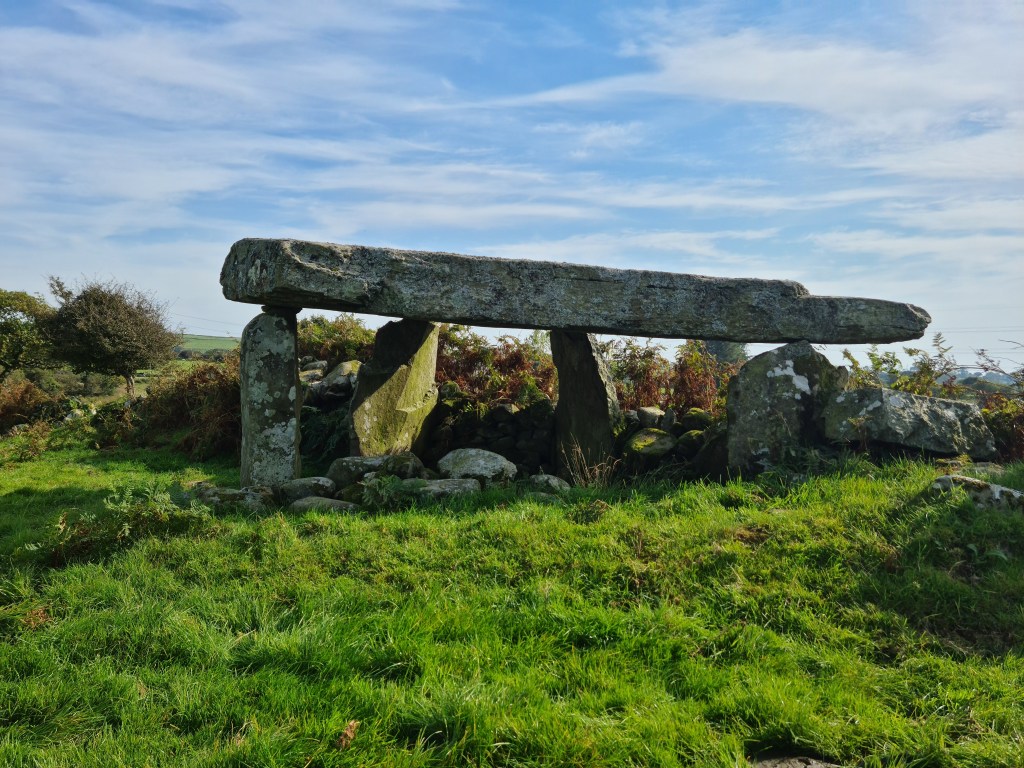
Ystum Cegid Isaf
Neolithic site near Criccieth – Gwynedd, Wales. Today it is an impressive monument with four large uprights supporting a single huge capstone, but it hasn’t always looked like this… Back in the 1700’s there were around 13 uprights, and 3 capstones, forming a much larger and more complex structure. But by 1816, the two smaller…
-
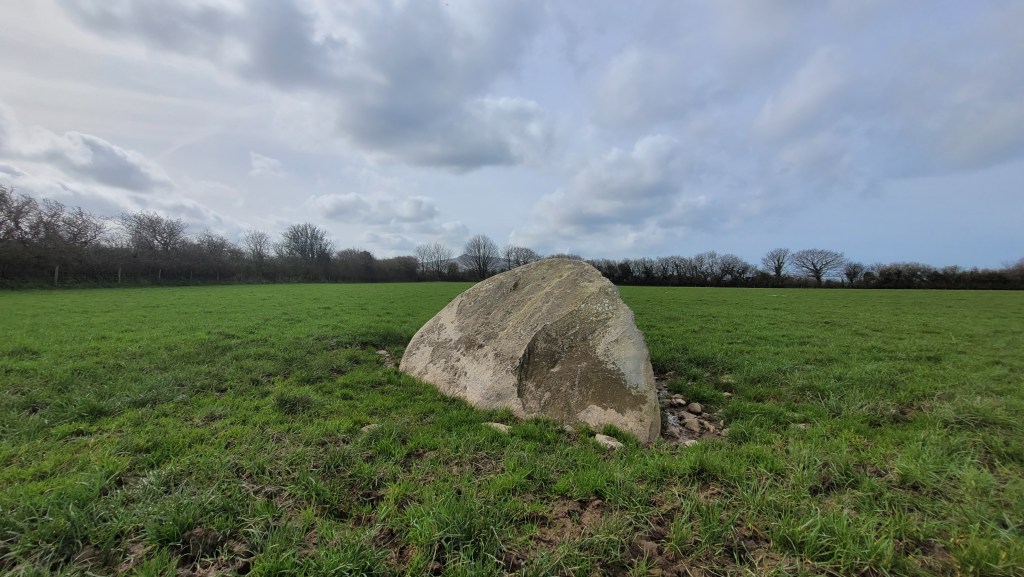
Trefael Cup-marked Stone
Near the village of Nevern in Pembrokeshire, Wales is the Trefael Stone. The stone is comprised of silicified sandstone, measuring around 2.3m by 2m and is covered in a form of prehistoric rock art known as ‘cupmarks’. Previously just 45 cupmarks were recorded on the upper surface of the stone, each with a mean diameter…
-
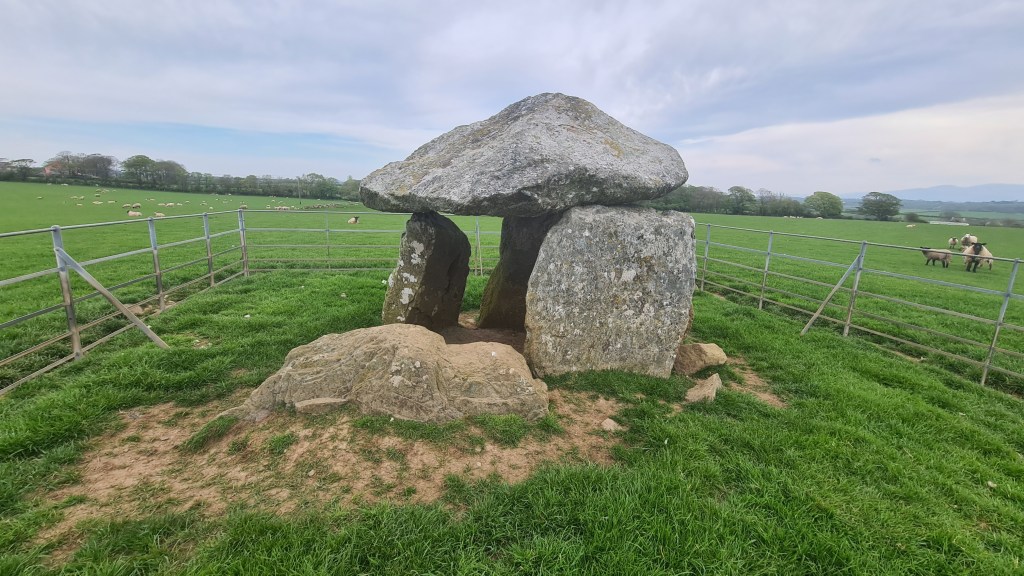
Bodowyr Cromlech
On Bodowyr farm on the Isle of Anglesey, Wales is Bodowyr cromlech, sometimes known as the ‘mushroom cromlech’. The oldest record mentioning Bodowyr Cromlech is from Camden’s Britannia, volume 4, Wales, published in 1610:“In Bodowyr, which lieson the northside of the same round fort, at a further distance, we find a remarkablecromlech, which several, as…
-

Dolmen de Confolens – France
Alternative Name: Dolmen de Périssac, Tombeau de Mme Gontier. This Neolithic dolmen is located in the cemetery of the town on Confolens. It was moved here in the 19th century to house the tomb of the wife of the sub-prefect Cecile-Jeanne-Marie Crevelier. The 10 tonne capstone was transported by a carter from Périssac to Confolens…
-
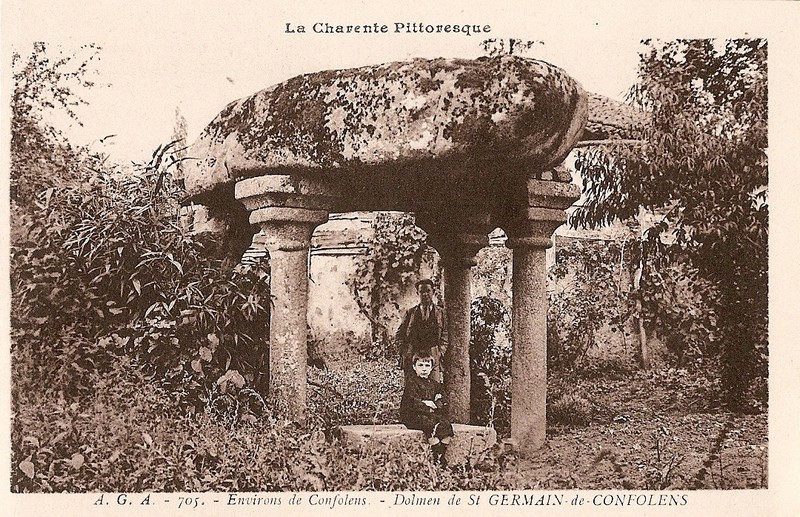
Dolmen of Sainte-Madeleine in France
This dolmen was transformed in the Middle Ages into a chapel, with columns surmounted by carved capitals. Excavations carried out in 1878 made it possible to discover a medieval burial ground with a jug and a terracotta altar-cruet. This unusual chapel was classified as a historic monument in 1900. According to local legend St. Madeleine…
-
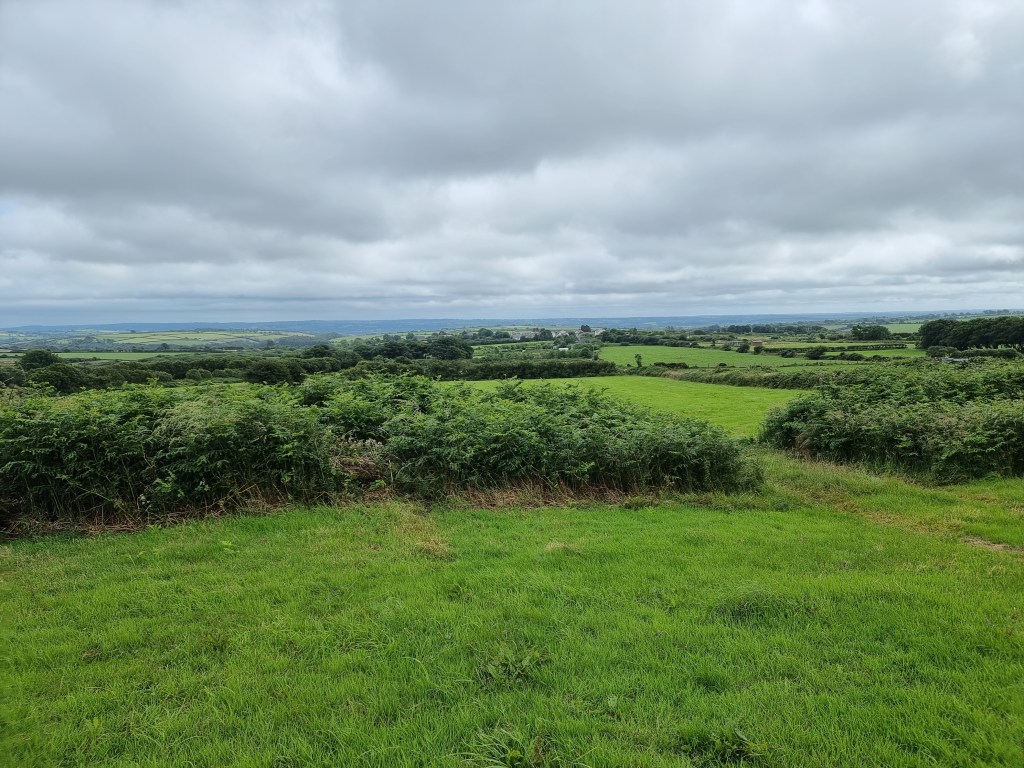
Eithbed – Destroyed Site in Pembrokeshire, Wales
Between the villages of Maenclochog and Rosebush is the Eithbed prehistoric ruins. In these fields there were once three stone cirlces as well as three cromlechs. Sadly, at the start of the 20th century, the monuments were destroyed by new land owners in an attempt at clearing the fields of stone. The following is from…
-
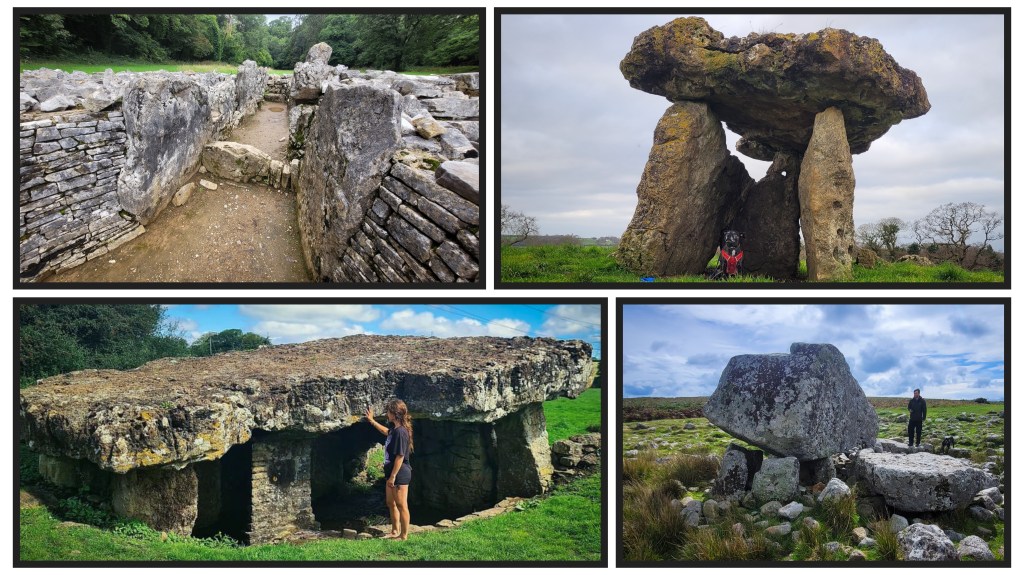
Walks in South Wales – The best neolithic monuments!
Here is a list of some of the most impressive, and easiest to access Neolithic sites in South Wales. Parc Le Breos – Parc Cwm Long Cairn – The Giant’s Grave in Swansea. About the site:Parc Le Breos estate is a former medieval deer park located on the Gower Peninsula. Whilst workmen were digging for…

