
archaeology
-
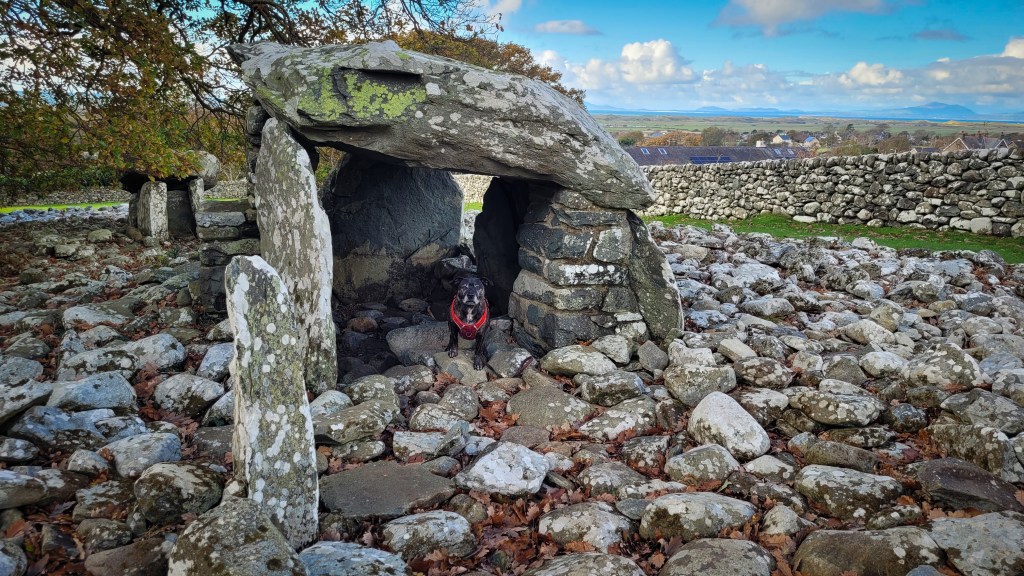
Dyffryn Ardudwy Neolithic Monument
On this page we provide historical records and images of the site, as well as archaeological information and excavation details.Grid Reference: SH58862284 Situated in the village of Dyffryn Ardudwy in Gwynedd, Wales are a pair of dolmens, (or cromlechs as they are often called in Wales), estimated to date to around 3500BC. Excavations in the…
-
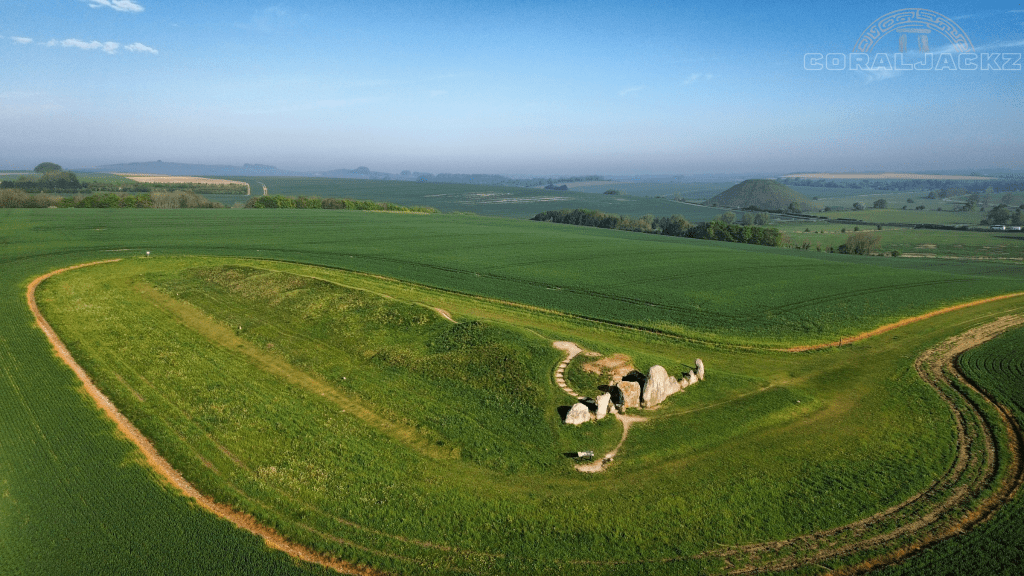
West Kennet Long Barrow
Located in Wiltshire, England. West Kennet is the largest chambered long barrow in Britain. The monument as we see it today is the result of reconstruction work after excavations took place in the 1950’s. Radio carbon dates from remains found during excavations in the 1950’s go back as far as 3600BCE to 3700BCE. Experts believe…
-

All Saints Church Sarsen Stones
In the village of Alton Priors in Wiltshire, England is All Saints Church. The church dates to the 12th century but has undergone major refurbishments since. Within the church are two sandstone Sarsen stones concealed beneath trapdoors. Some believe these stones were part of a prehistoric stone circle upon which the medieval church was built.…
-
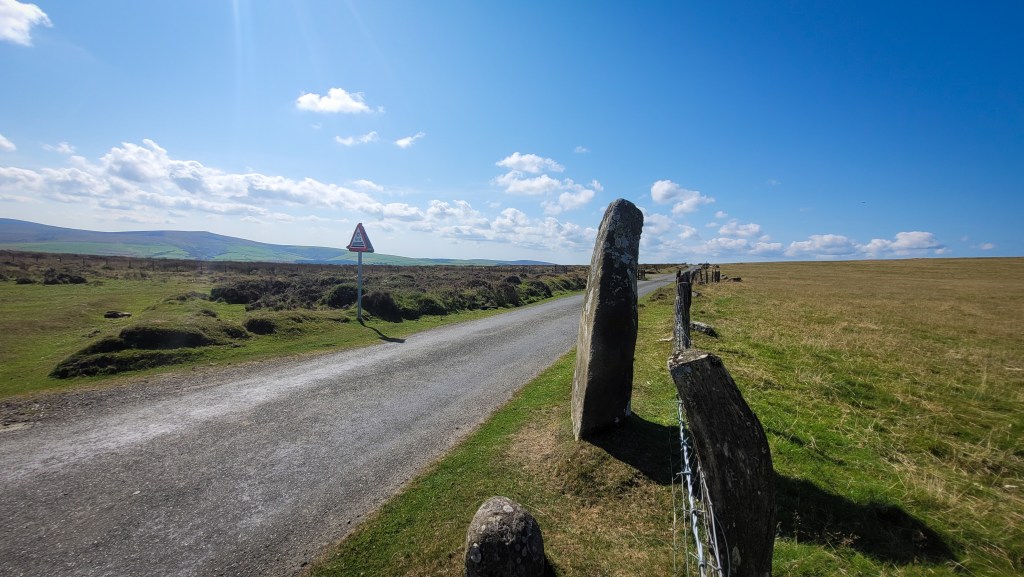
Bedd Morris – Grave of Morris
Prehistoric Standing stone in Pembrokeshire, Wales. The 6ft tall stone has inscriptions indicating that it was used in recent centuries as a boundary marker between the parishes of Newport and Llanychlwyddog. It is believed by experts to have been erected in the Bronze Age, but Coflein states that its antiquity is in doubt, due to…
-
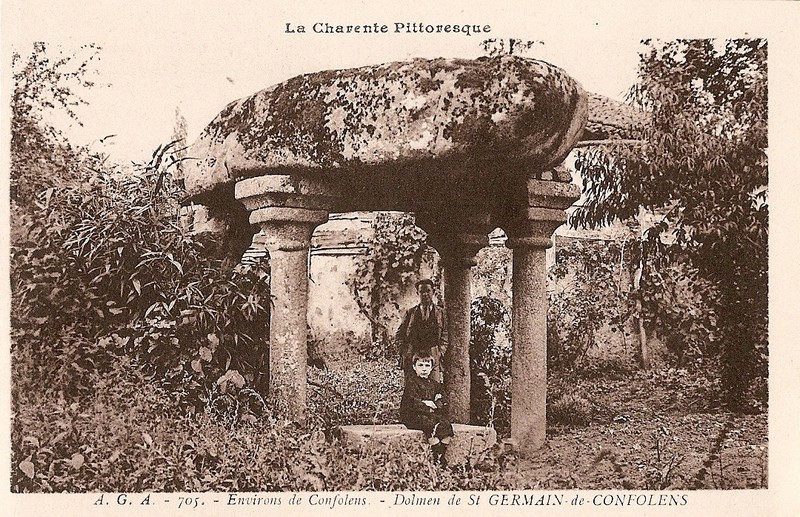
Dolmen of Sainte-Madeleine in France
This dolmen was transformed in the Middle Ages into a chapel, with columns surmounted by carved capitals. Excavations carried out in 1878 made it possible to discover a medieval burial ground with a jug and a terracotta altar-cruet. This unusual chapel was classified as a historic monument in 1900. According to local legend St. Madeleine…
-
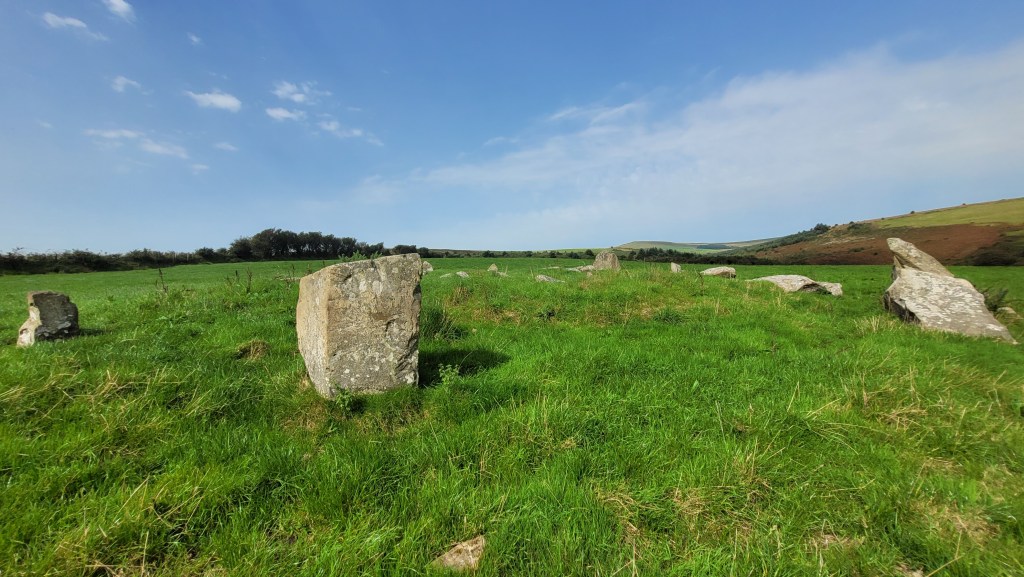
Dyffryn Stones
Bronze Age circle in Henry’s Moat – Pembrokeshire, Wales.Otherwise known as Dyffryn Synfynwy or Garn Ochr Cairn. On one of our visits to this site, we spoke to a local farmer who said that around 60 years ago, a farmer was caught demolishing the stones. One of the stones that was broken was cemented back…
-
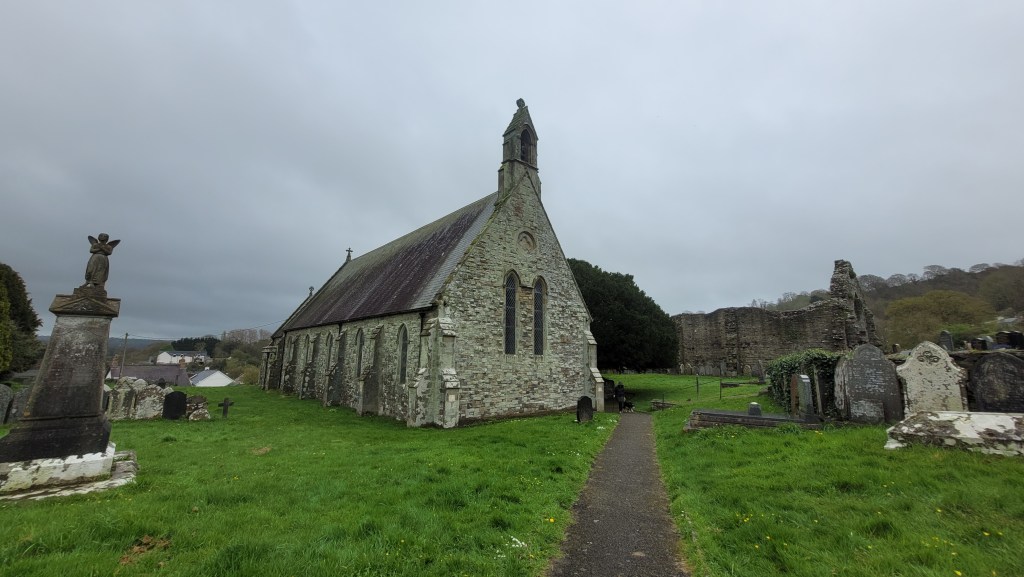
The Sagranus Ogham and Latin inscribed Stone
The Sagranus Ogham and Latin inscribed Stone – St Thomas Church – St Dogmaels.Pembrokeshire, Wales The present church of St Thomas the Apostle is a modern construction, having been built within St Dogmaels Abbey precincts in 1847 using materials from the ruined buildings. Within the church is the Sagranus Stone, inscribed in both Latin and…
-
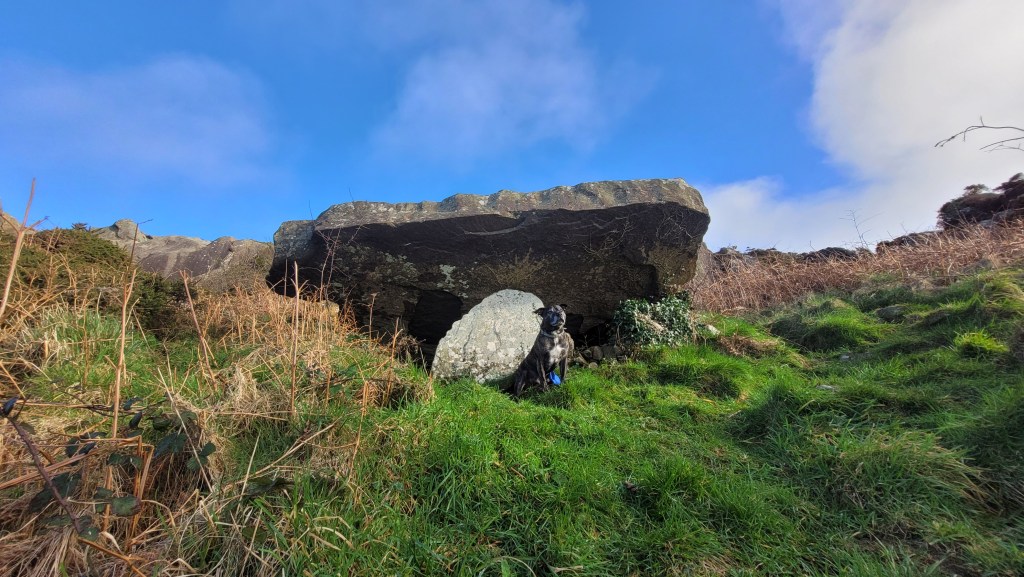
Garn Wnda Neolithic monument
On a rocky outcrop overlooking the village of Llanwnda in Pembrokeshire is Garn Wnda. Similar to other sites dotted about this headland, Garn Wnda is classified as an “earth fast” chambered monument, in that it is comprised of a large stone slab or capstone propped up by a single stone upright, with the southern end…
-
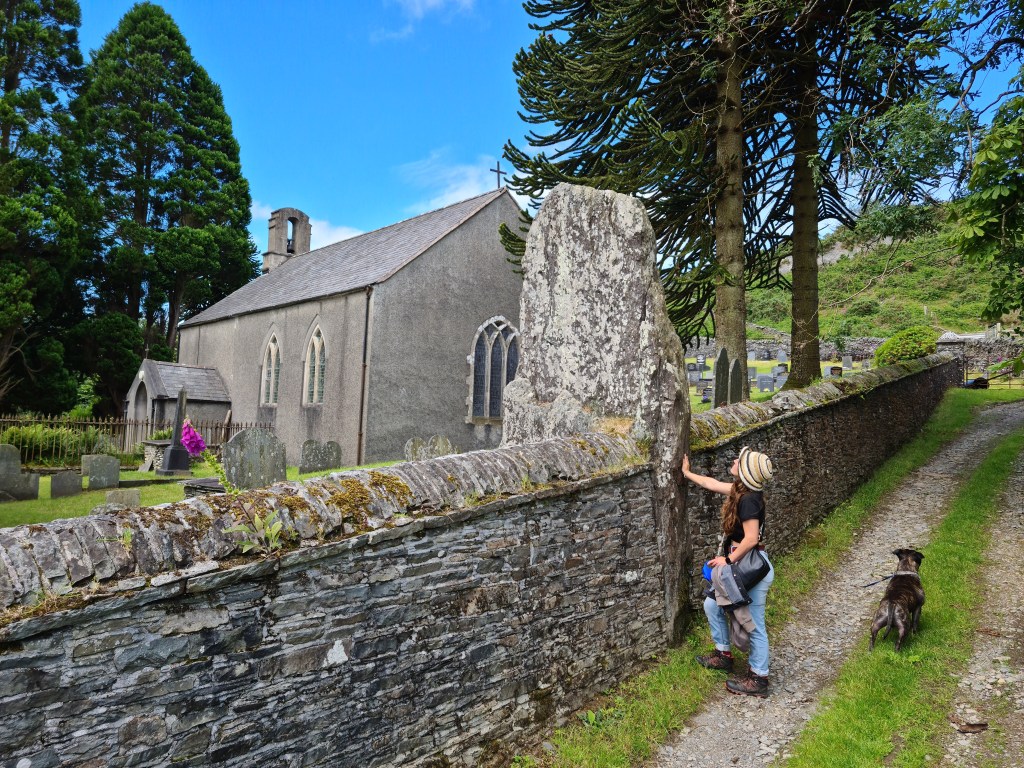
Ysbyty Cynfyn – Ceredigion, Wales
St Johns church in the tiny village of Ysbyty Cynfyn is curiously built upon an ancient site – perhaps an embanked stone circle, of which some huge stones remain. Today, this villages comprises of a church and farm. The form of the medieval church which is said to have been here prior is not known.…
-
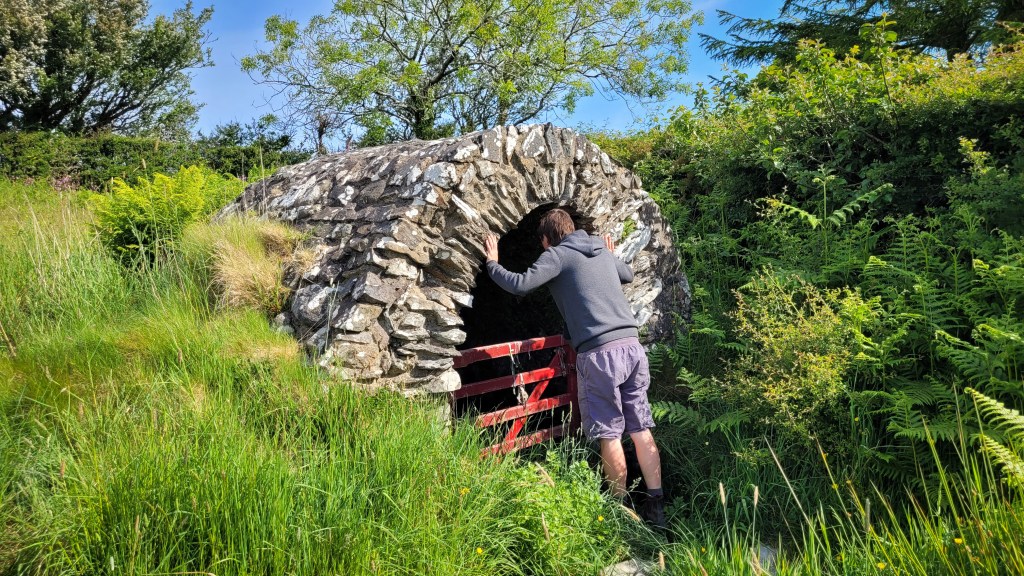
Llanllawer Holy Well & Church
St David’s Church in Llanllawer – Pembrokeshire, Wales. (Older name – Llanllawern) The church stands of a promontory above the River Gwaun and the village of Llanychaer. At this church are four medieval inscribed stones – two used as gate posts and two others incorporated into the church building itself. The stones are thought to…

