
churchyard
-
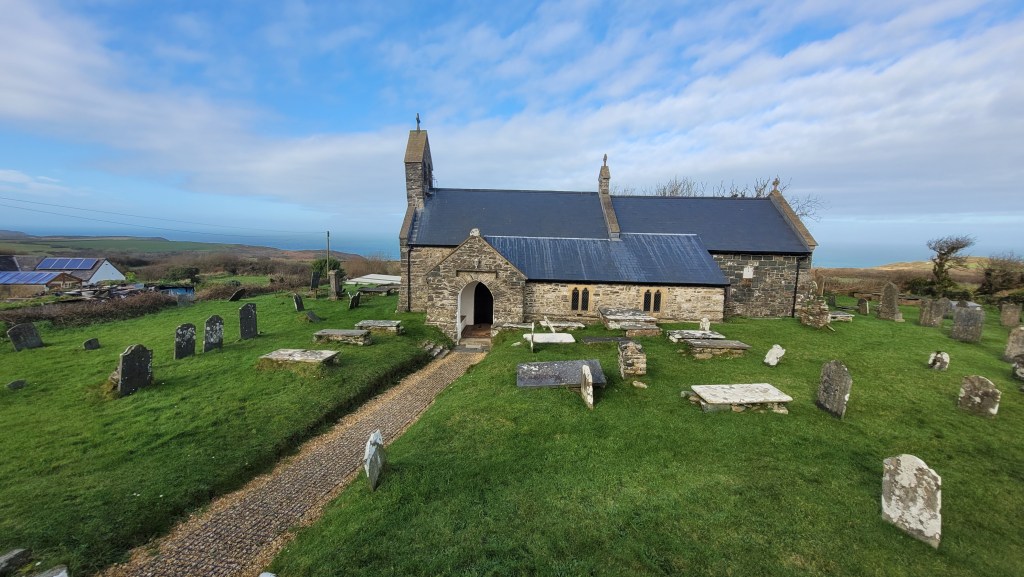
St Gwyndaf’s Church
In the village of LLanwnda in Pembrokeshire, Wales is St Gwyndaf’s Church. This is an interesting village full of history. We originally visited here to see the Neolithic cromlech Garn Wnda, but soon discovered that the church also has an interesting past.. A short walk north west of the church is Carregwastad Point. In 1797,…
-
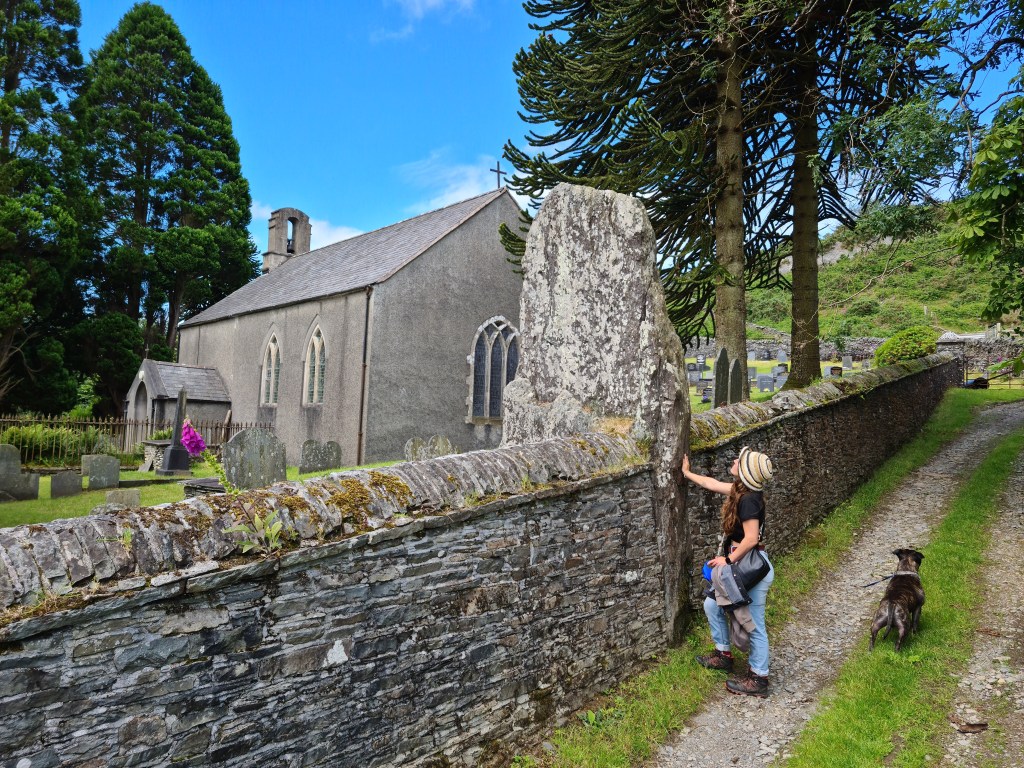
Ysbyty Cynfyn – Ceredigion, Wales
St Johns church in the tiny village of Ysbyty Cynfyn is curiously built upon an ancient site – perhaps an embanked stone circle, of which some huge stones remain. Today, this villages comprises of a church and farm. The form of the medieval church which is said to have been here prior is not known.…
-
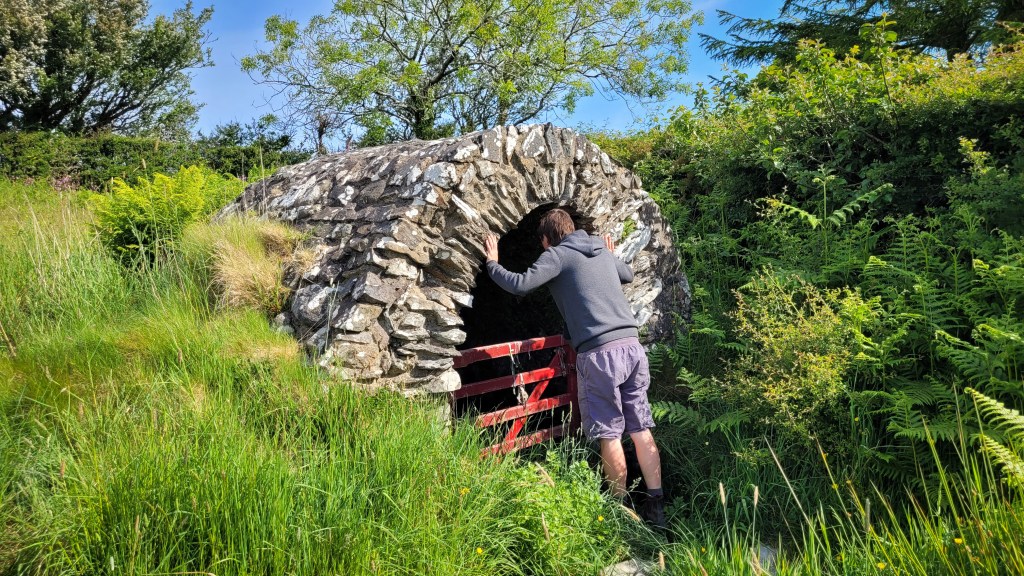
Llanllawer Holy Well & Church
St David’s Church in Llanllawer – Pembrokeshire, Wales. (Older name – Llanllawern) The church stands of a promontory above the River Gwaun and the village of Llanychaer. At this church are four medieval inscribed stones – two used as gate posts and two others incorporated into the church building itself. The stones are thought to…
-
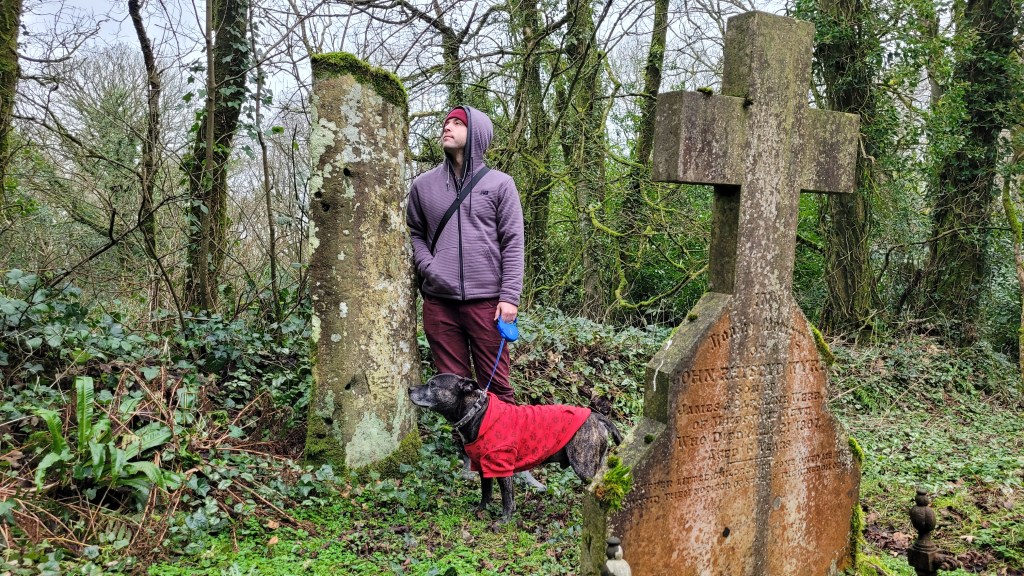
The Hogtivis Stone – St. Dogwells
St. Dogwell’s in Pembrokeshire sits just 2 miles from Casblaidd (Wolf’s Castle), where folklore tells of the last wolf in Pembrokeshire having been killed there. Local lore also states that St. Dogwells was the birth and resting place of Owain ap Gruffydd – known as Owain Glyndwr, the last native Welshman to hold the title…
-
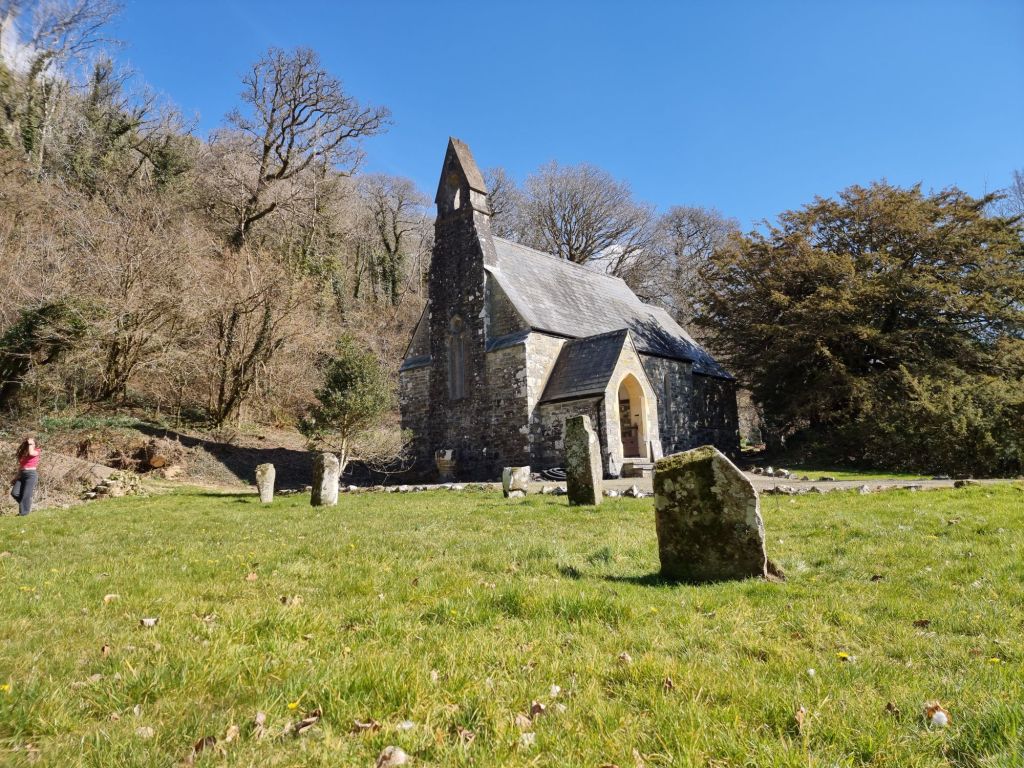
The Pillar Stones – Llanychlwydog
In St David’s Churchyard stands what are marked on OS maps as the ‘Pillar Stones’.. a group of early-christian inscribed stones.A medieval church at this site was demolished in 1864 and entirely rebuilt in the 19th century. The church is now in private ownership, but before the building was converted, permission was granted for excavation…
-
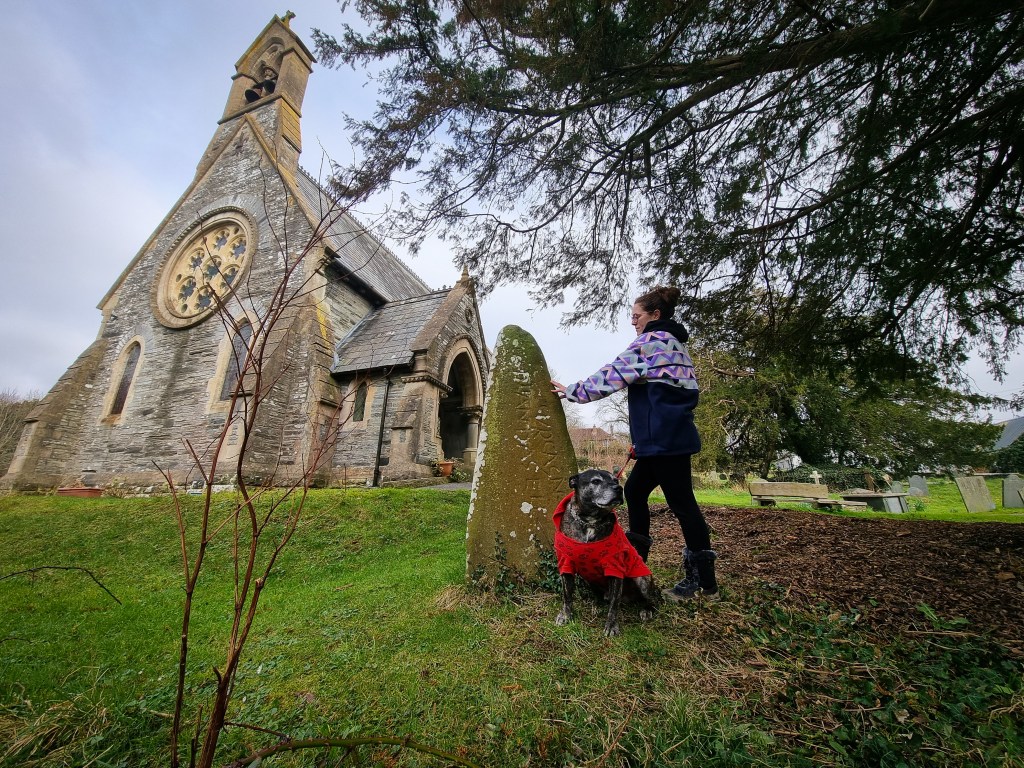
The Gellidywyll Stone in Cenarth
The Gellidydwyll Stone. Inscribed Stone in Cenarth. Carmarthenshire, Wales. This stone now stands in St Llawddog’s Churchyard in Cenarth. The Latin inscription is thought to date to the 6th century and translates to ‘Curcagnus, son of Andagelli’. In 1743 this stone was recorded as standing on the roadside adjacent to Temple Druid, around 20 miles…
-

Inscribed Stone at St Cledwyn’s Church – Carmarthenshire, Wales
St Cledwyn/St Clydwen’s is a medieval church in Carmarthenshire, Wales. The church sits on a hill overlooking the village of Llanglydwen, and a short walk from Gwal y Filiast neolithic cromlech. An incised stone decorated with a wheel-cross is located in the churchyard, thought to date to the 7th century. There are early records of…
-
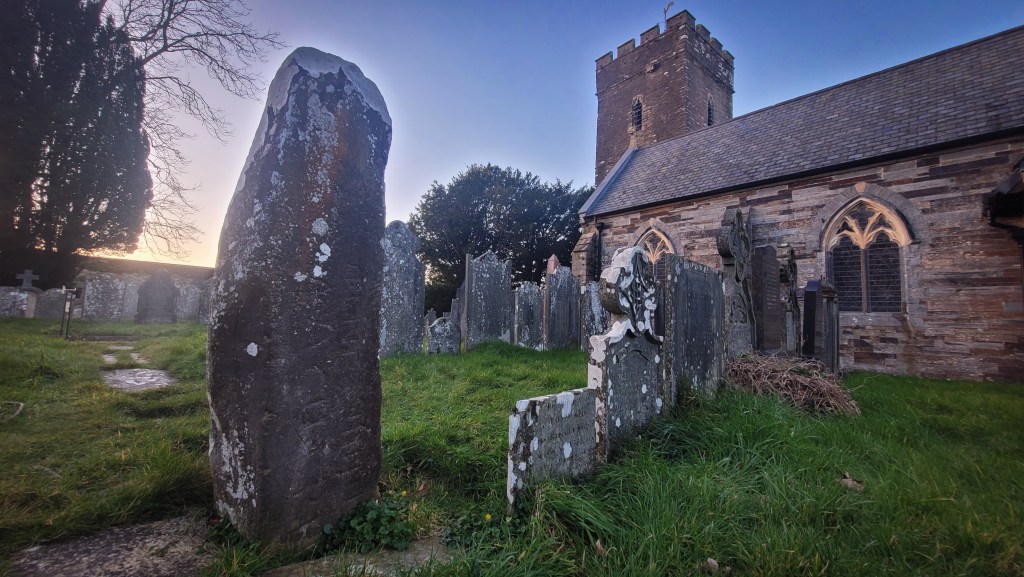
Ogham & Roman Latin Inscribed Stone in Cilgerran – Pembrokeshire, Wales
Within St Llawddog’s churchyard is a standing stone dated as early – medieval, containing Ogham as well as Roman Latin inscriptions. Professor Nancy Edwards translates the latin TRENEGUSSIFILI – MACUTRENIHICIACIT as ‘Treneguss son of Macus-Treni, here he lies’. The ogam inscription runs down the edge of the same face: (TREN)[A]GUS[.]MAQIMAQITRENI Edwards translates this to read…
-

Ogham inscribed stone in Glandwr.
Efessangus stone Ogham inscribed stone.Glandwr – Pembrokeshire, Wales The stone was visited by John Rhys, who reports in 1913 in the Archaeologia Cambrensis: `On the next day Dr. Owen motored me to Trehowel Farm, near Rhydowen Station, on the Whitland and Cardigan line of railway, to see an Ogam inscribed stone. We had with us…
 CoralJackz - That History Couple