
dolmen
-
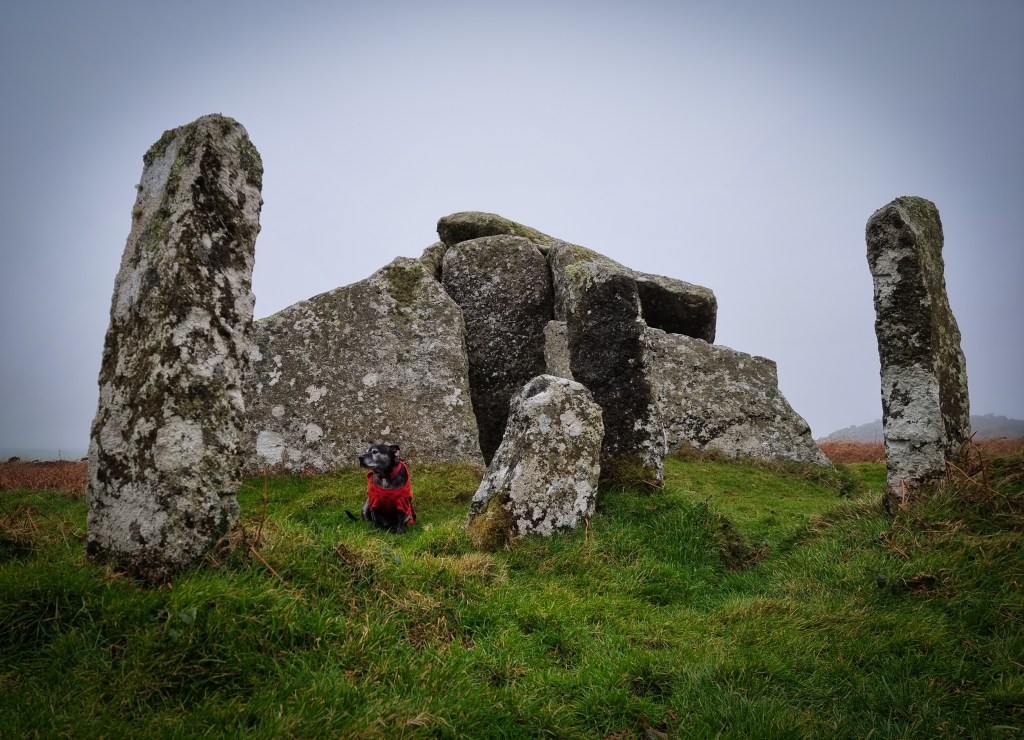
Zennor Quoit
Other names – Senor, Senar Quoit Zennor Quoit is an impressive neolithic monument in the village of Zennor (or Pluw Senar), in Cornwall. Unfortunately the massive cap-stone has fallen, which happened sometime between 1770 and 1765. Legend claims that any stone removed from the Quoit will find its way back overnight. This was put to…
-
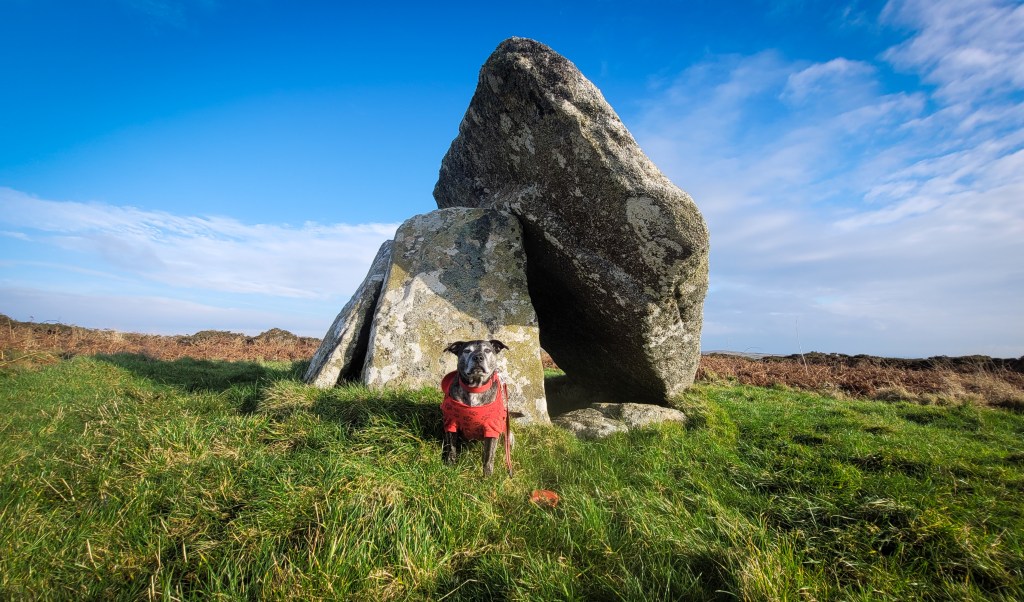
Mulfra Quoit
Neolithic cromlech on Mulfra Hill, Cornwall. It is unclear when the 5 tonne capstone slipped. There was a local story that the capstone fell during a thunderstorm in 1752. However, in the 19th century, antiquarian William Copeland Borlase confirms his great-great-grandfather, William Borlase had recorded the site in the same state as far back as…
-
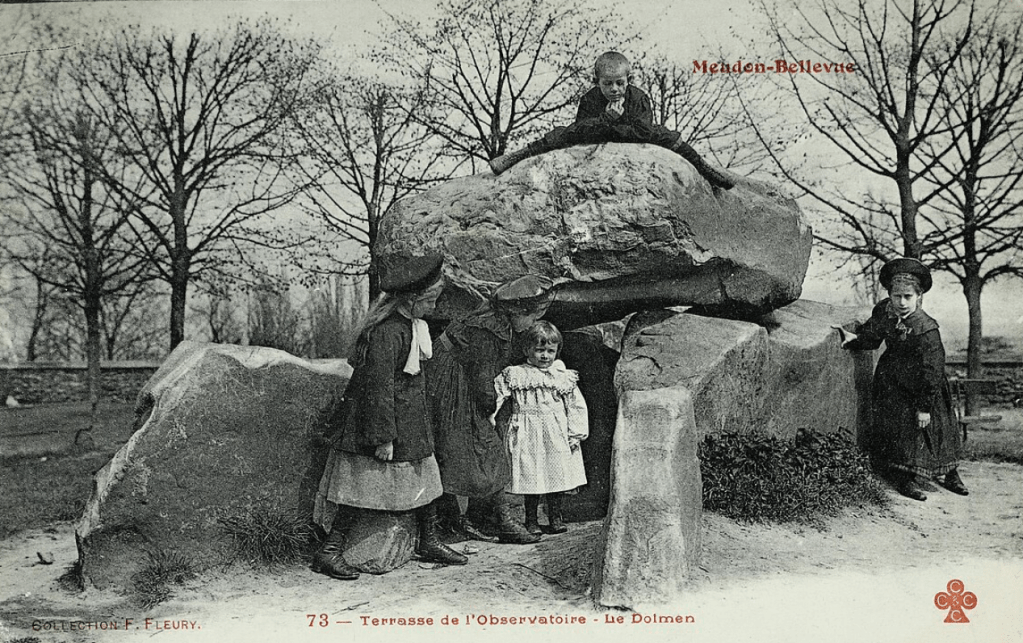
Dolmen dit la Pierre de Rabelais
The slabs that make up this pseudo-dolmen were once part of a Neolithic Allée couverte, or ‘covered driveway’ type of dolmen commonly found in Brittany, Île-de-France and Aquitaine. John Peek writes in his ‘Inventaire des mégalithes de France’ (1975) that the original monument was discovered in 1845 during work for the great avenue of the…
-
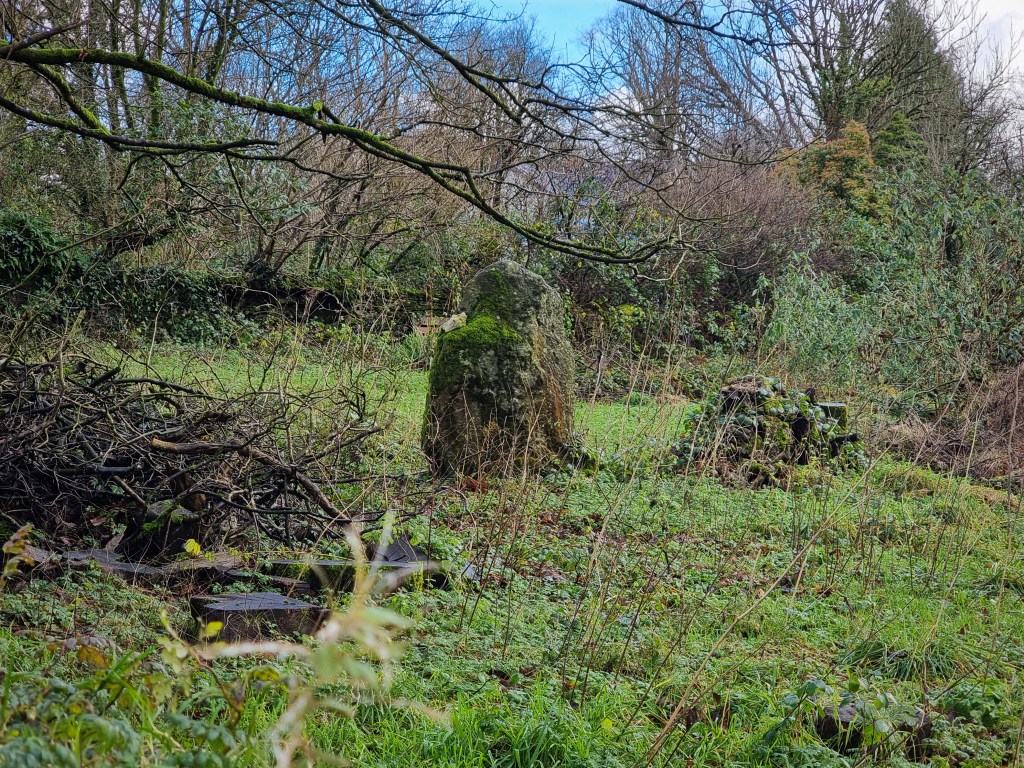
Temple Druid Neolithic/Bronze Age remains
Temple Druid and Prysg Farm are home to a complex of Late Neolithic and Bronze Age monuments, including a possible henge enclosure, standing stones which are now scattered about, as well as the remains of one or more neolithic cromlechs. Temple Druid is a grade II listed John Nash house. The present house is not…
-
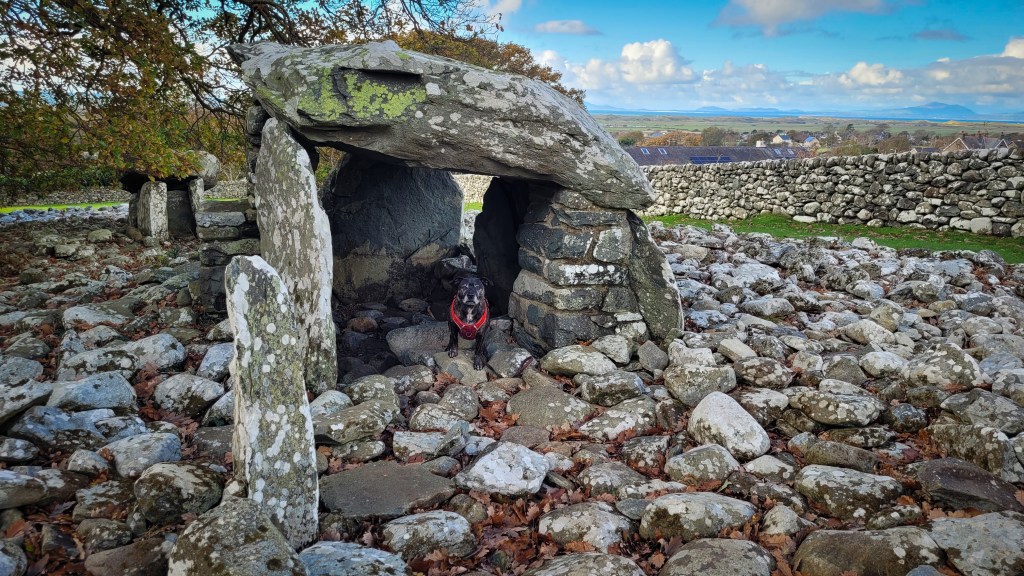
Dyffryn Ardudwy Neolithic Monument
On this page we provide historical records and images of the site, as well as archaeological information and excavation details.Grid Reference: SH58862284 Situated in the village of Dyffryn Ardudwy in Gwynedd, Wales are a pair of dolmens, (or cromlechs as they are often called in Wales), estimated to date to around 3500BC. Excavations in the…
-
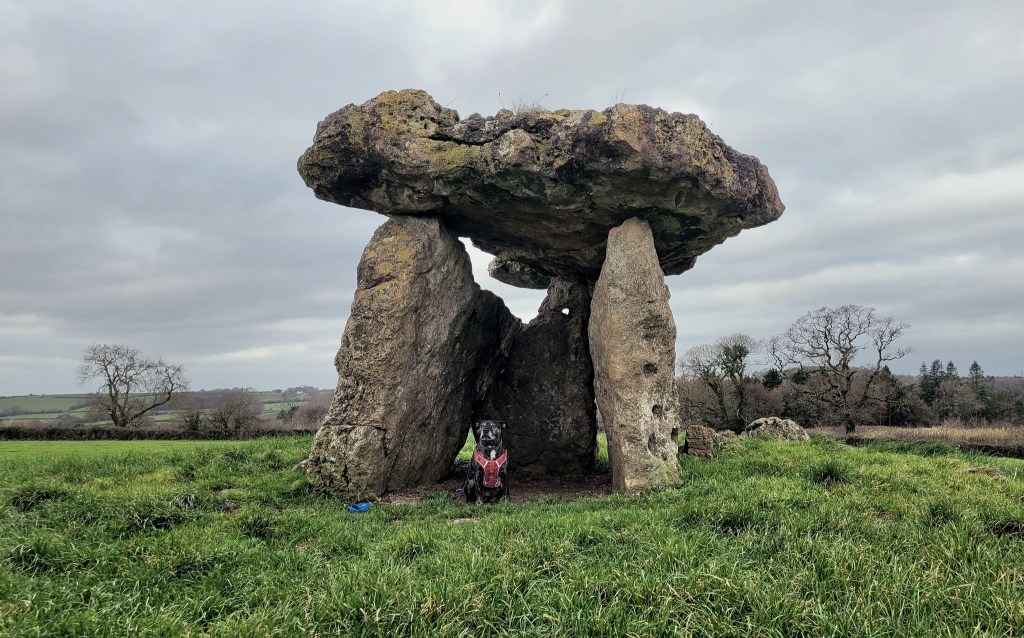
St Lythans Dolmen/Cromlech
Less than 10 miles from Cardiff city centre in Wales is the village of St. Lythans. Here is where we find a neolithic cromlech, otherwise known as Maes y felin (The mill field), named after the field in which it sits. Another name for the monument is Gwal y filiast, a name shared by a…
-
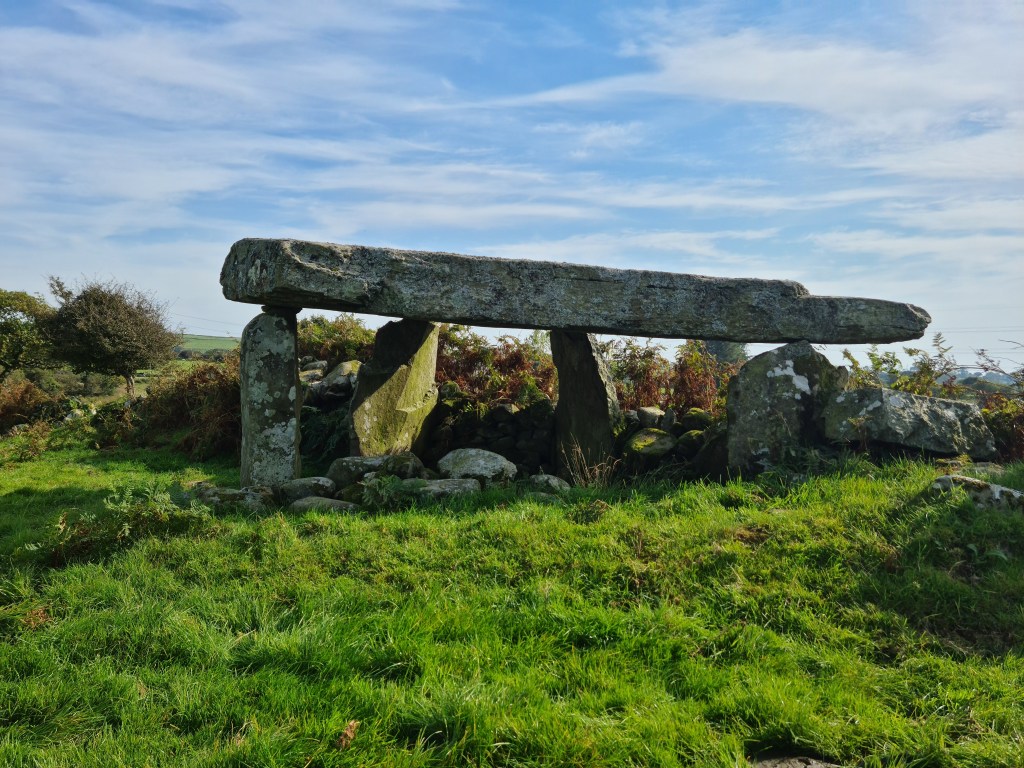
Ystum Cegid Isaf
Neolithic site near Criccieth – Gwynedd, Wales. Today it is an impressive monument with four large uprights supporting a single huge capstone, but it hasn’t always looked like this… Back in the 1700’s there were around 13 uprights, and 3 capstones, forming a much larger and more complex structure. But by 1816, the two smaller…
-

Dolmen de Confolens – France
Alternative Name: Dolmen de Périssac, Tombeau de Mme Gontier. This Neolithic dolmen is located in the cemetery of the town on Confolens. It was moved here in the 19th century to house the tomb of the wife of the sub-prefect Cecile-Jeanne-Marie Crevelier. The 10 tonne capstone was transported by a carter from Périssac to Confolens…
-
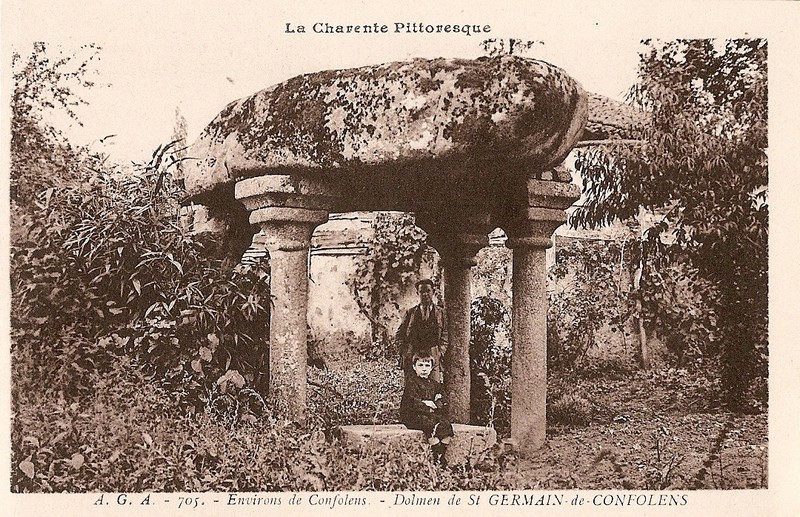
Dolmen of Sainte-Madeleine in France
This dolmen was transformed in the Middle Ages into a chapel, with columns surmounted by carved capitals. Excavations carried out in 1878 made it possible to discover a medieval burial ground with a jug and a terracotta altar-cruet. This unusual chapel was classified as a historic monument in 1900. According to local legend St. Madeleine…
-
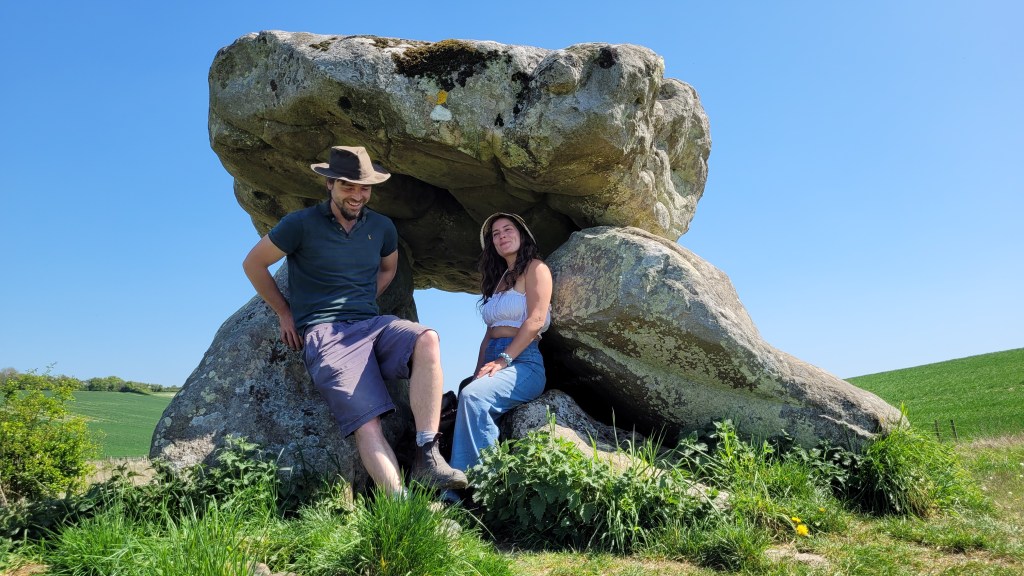
The Devil’s Den
We recently took a trip to Wiltshire, England to see some prehistoric sites. First stop was The Devil’s Den, a neolithic structure in Clatford Bottom. Some refer to this structure as a Dolmen which never had a covering mound, others believe this is the remains of a long barrow… We parked at the “Up On…
 CoralJackz - That History Couple