
Wales
-
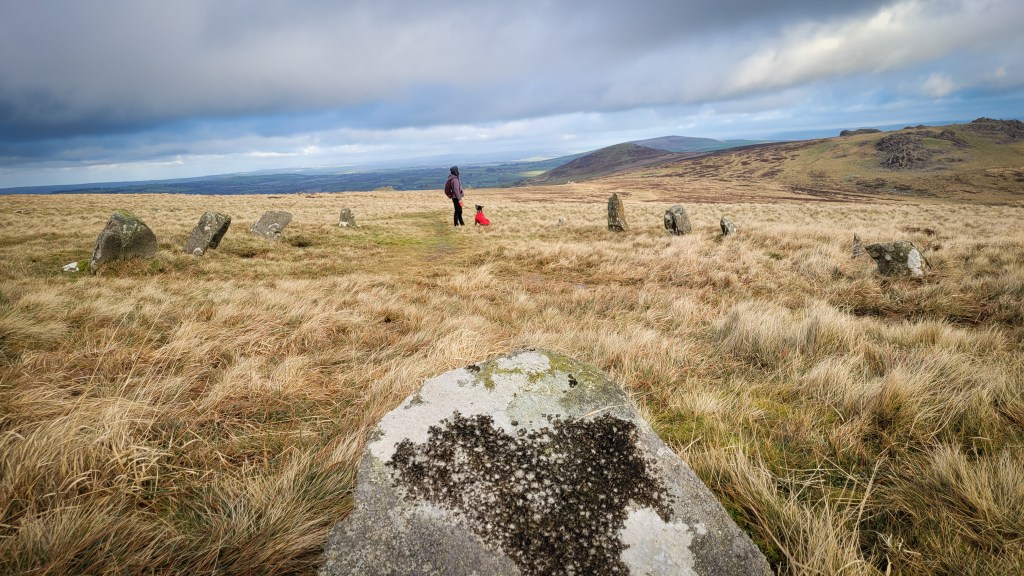
Bedd Arthur – Arthur’s Grave – Pembrokeshire, Wales
Bedd Arthur, or Arthur’s Grave in the Preseli Hills.. one of many sites claimed to be the being the final resting place of King Arthur.. This site boasts spectacular views of the surrounding hills. Thought to be from the neolithic period.. This subrectangular, or horseshoe enclosure 18m by 7m. consists of thirteen upright stones and…
-
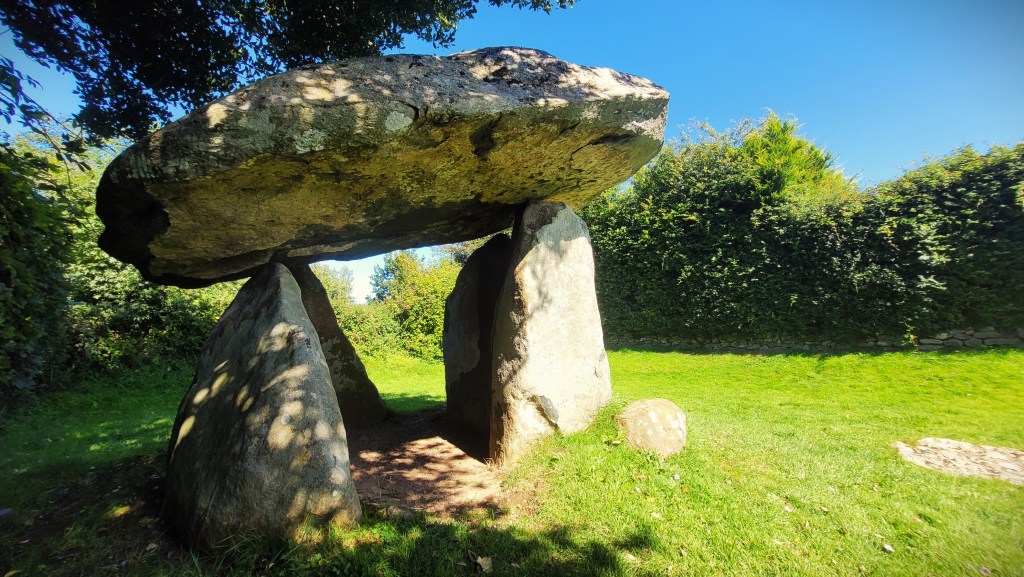
Carreg Coetan Arthur – Pembrokeshire, Wales
This neolithic structure is situated next to some bungalows on the outskirts of Newport town. It’s composed of four upright stones topped by a very large capstone. Despite it’s appearance, a close up look shows that only two of the upright stones actually support the capstone. The ‘coetan’ part of its name is supposedly a…
-

Ty Newydd – Neolithic cromlech – Anglesey, Wales
A number of descriptions of this monument have been put on record.. dating as far back as 1802. The site was once described as a ‘double cromlech’ but has since been subject to heavy damage. At present form the monument consists of a 12ft by 5ft capstone partially held up by brick supports which were…
-
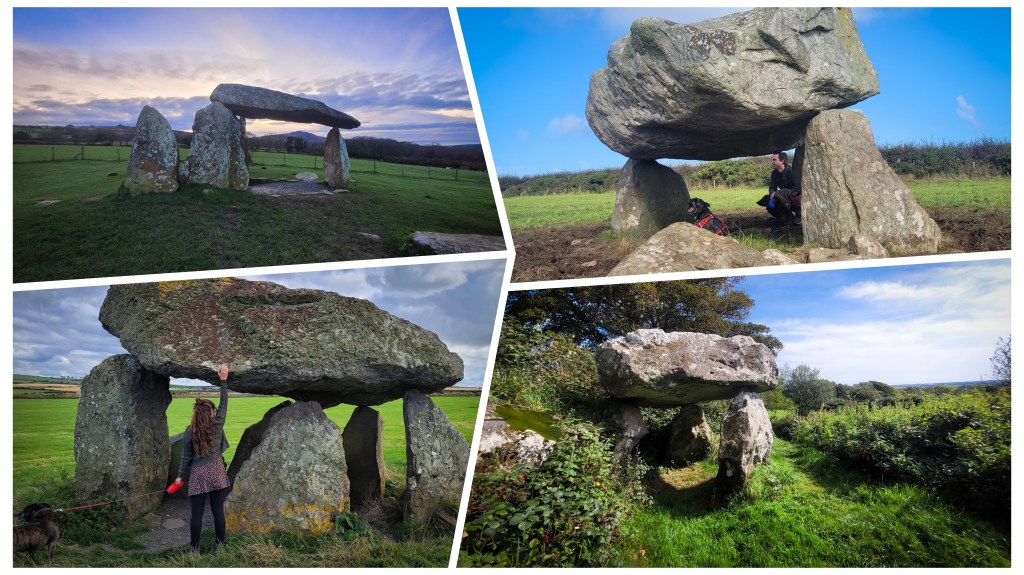
Walks in Wales! The must-see Neolithic Cromlechs in Pembrokeshire.
The Pembrokeshire landscape is filled with the remnants of our prehistoric past.. Neolithic cromlechs, or dolmens, being some of the most iconic of these sites. Sometimes it can be overwhelming trying to figure out which ones to visit first, so here’s a list we’ve put together of the most impressive cromlechi in the area.. 1.…
-
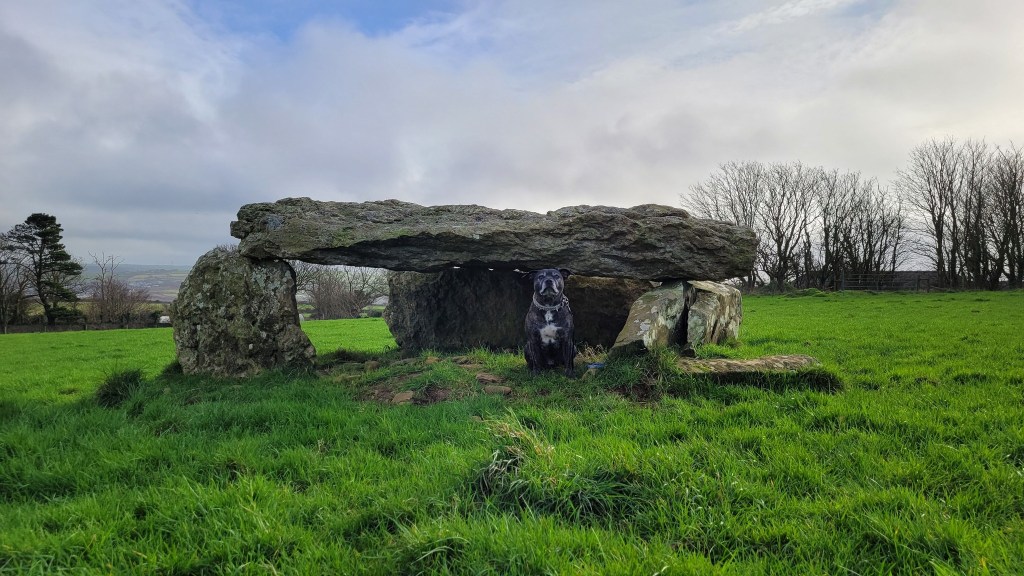
Neolithic Cromlech on Fferm Penrhiw
This neolithic monument stands in a field on Fferm Penrhiw in Goodwick – Pembrokeshire, Wales. A report from 1925 says: “On the field known as Parc y gromlech, next to Penrhiw farm-house stands a cromlech, the chamber of which is now filled with field gathered stones. The capstone has been overthrown and lies at the…
-
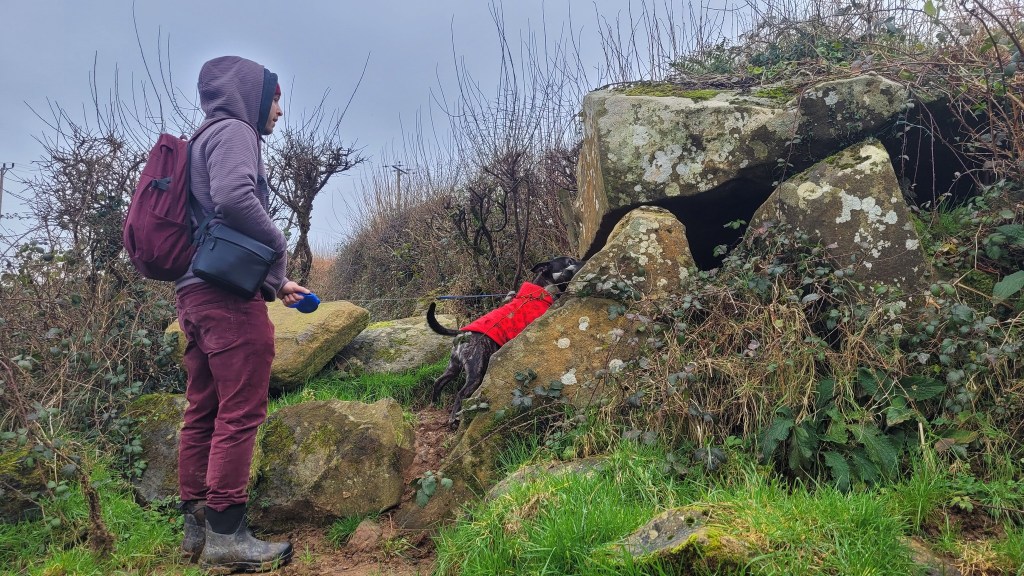
The Alter/Colston Stones – Pembrokeshire, Wales
Today this cromlech lies in ruin in a field boundary near Little Newcastle in Pembrokeshire. There is a short Coflein entry: “Colston Burial Chamber. A burial chamber consisting of a capstone, 2.0m by 2.0m by 0.6m, resting on two upright stones and set upon probable barrow, 30m in diameter. Up to two other burial chambers…
-
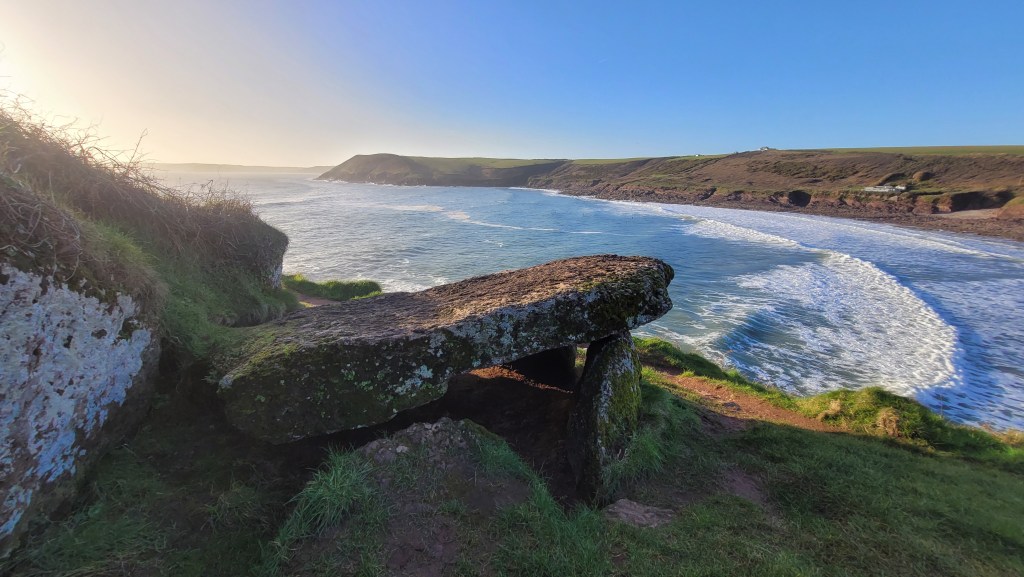
King’s Quoit Cromlech in Manorbier
The King’s Quoit, a Neolithic Cromlech overlooking the beautiful Manorbier Beach.. Just a short walk from a car park overlooking the sea. The capstone is a massive slab of maroon sandstone, raised upon two small uprights. As you walk across the sand towards the Coastal Path up the cliffs, you can look inland towards the…
-
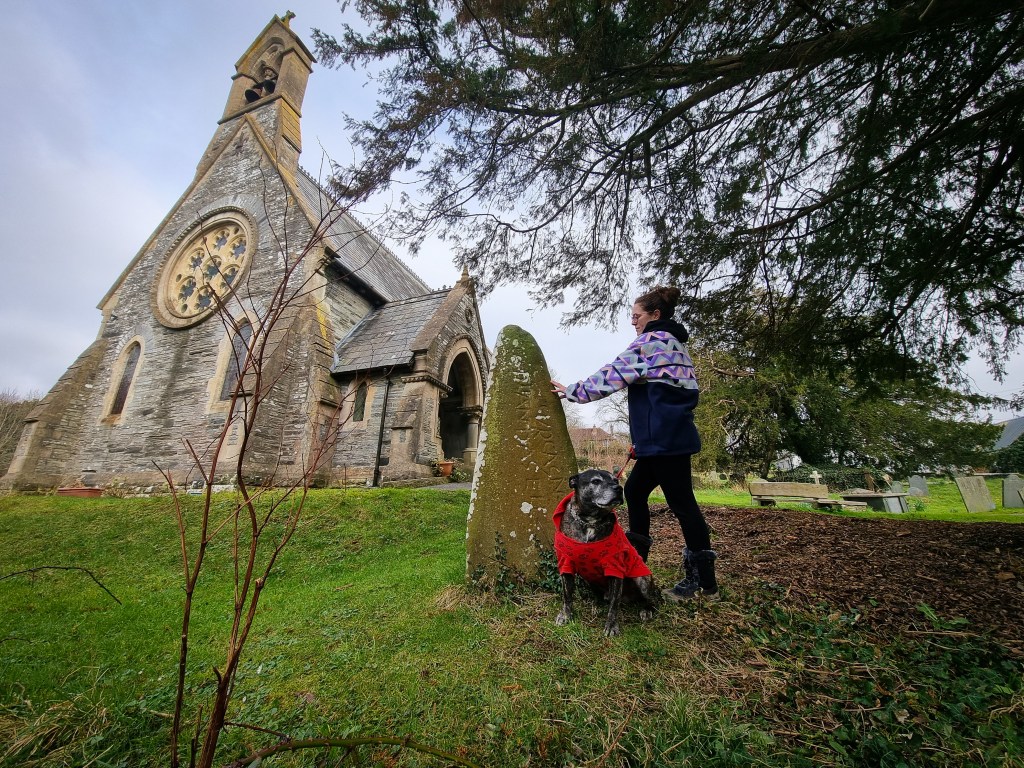
The Gellidywyll Stone in Cenarth
The Gellidydwyll Stone. Inscribed Stone in Cenarth. Carmarthenshire, Wales. This stone now stands in St Llawddog’s Churchyard in Cenarth. The Latin inscription is thought to date to the 6th century and translates to ‘Curcagnus, son of Andagelli’. In 1743 this stone was recorded as standing on the roadside adjacent to Temple Druid, around 20 miles…
-
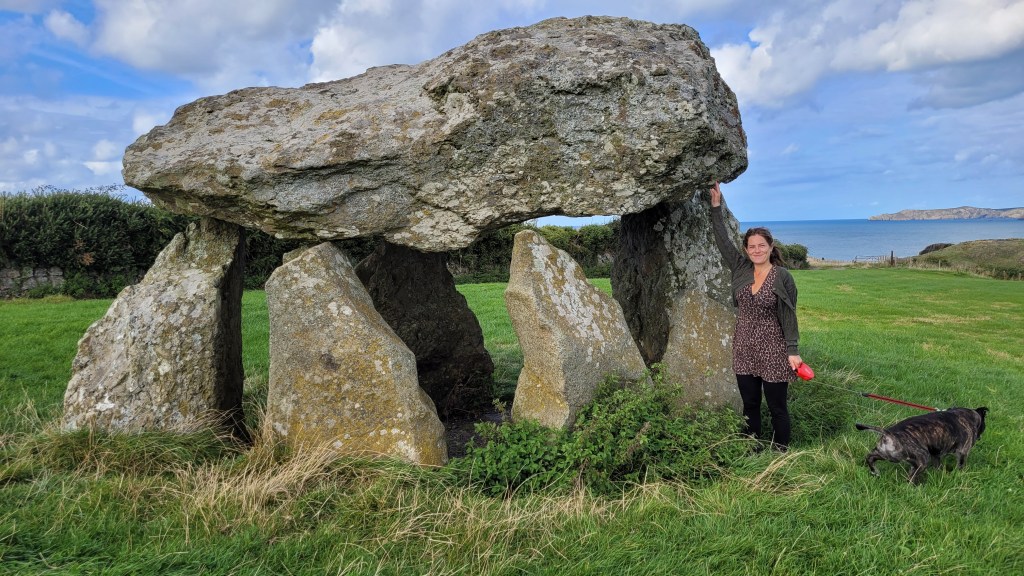
Carreg Samson – Pembrokeshire, Wales
This beautiful Cromlech sits in a field overlooking Abercastle Harbour and the Irish Sea. It’s fat, rounded capstone is perched on only three out of the six large upright stones. The structure is estimated to be around 5000 years old, dating back to the Neolithic Period. Early records of Carreg Samson & old images: The…
-
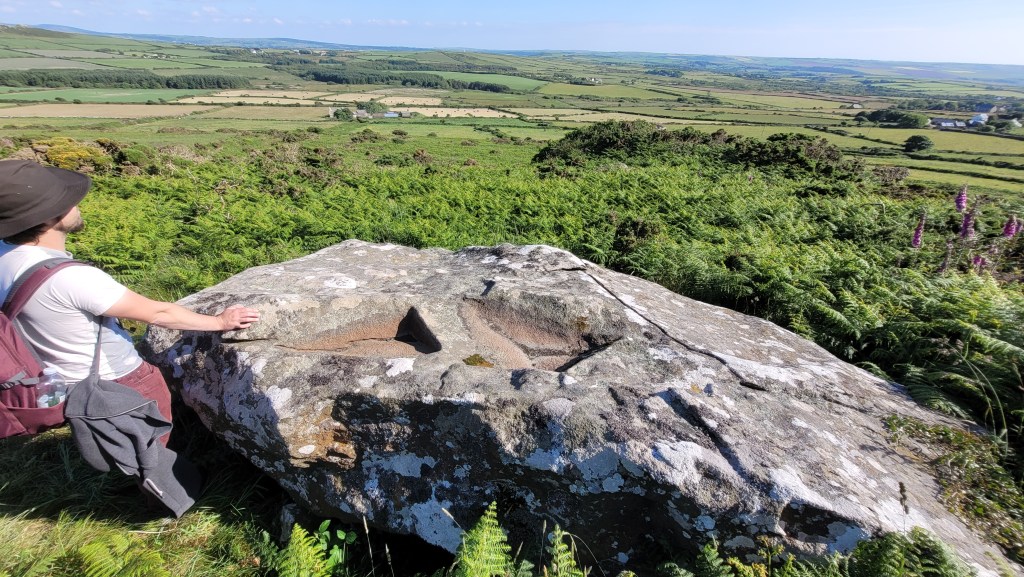
Garn Gilfach Neolithic Cromlech
Strumble Head in Pembrokeshire, Wales is home to numerous neolithic remains. On the rocky hill named Garn Gilfach sits an interesting monument classified as a ‘chambered cairn’.. Upon the capstone are triangular markings which have sparked much curiosity.. We parked our car near the red arrow.. However, the public footpath that goes up the track…

