
Wales
-
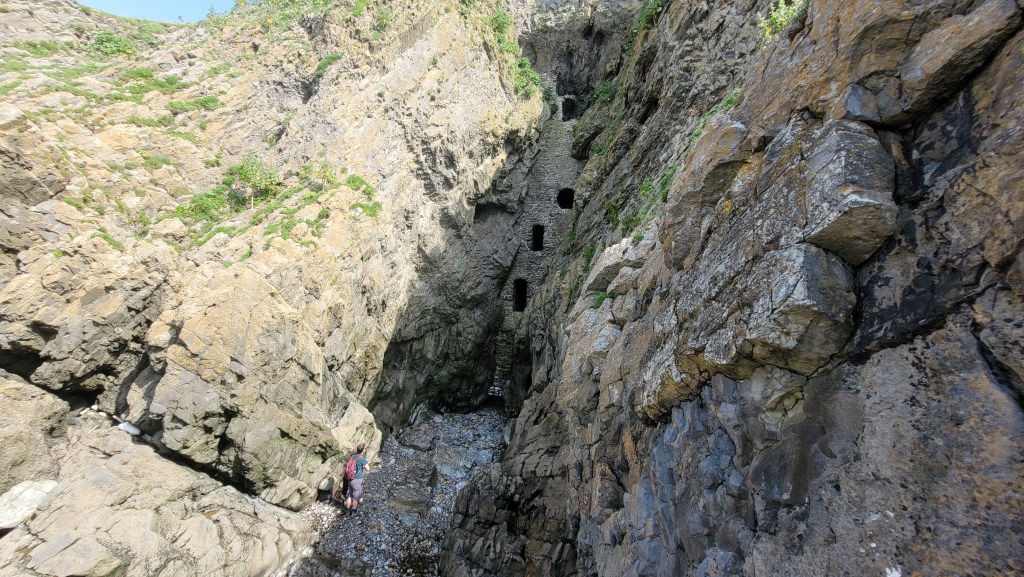
Culver Hole/The Smuggler’s Cove – Gower, Wales
We began our walk from Port Eynon beach car park. As you walk around the coastal path you will come first to the remains of The Salt House. According to local folklore, this building was fortified by legendary Gower pirate John Lucas in the 1700s, in order to further his unlawful activities, and that he…
-
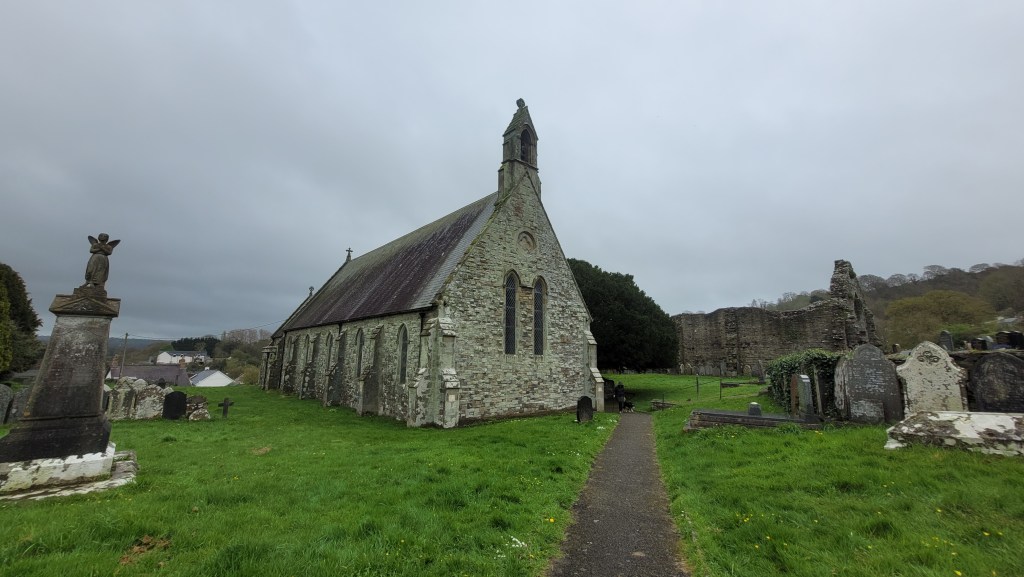
The Sagranus Ogham and Latin inscribed Stone
The Sagranus Ogham and Latin inscribed Stone – St Thomas Church – St Dogmaels.Pembrokeshire, Wales The present church of St Thomas the Apostle is a modern construction, having been built within St Dogmaels Abbey precincts in 1847 using materials from the ruined buildings. Within the church is the Sagranus Stone, inscribed in both Latin and…
-
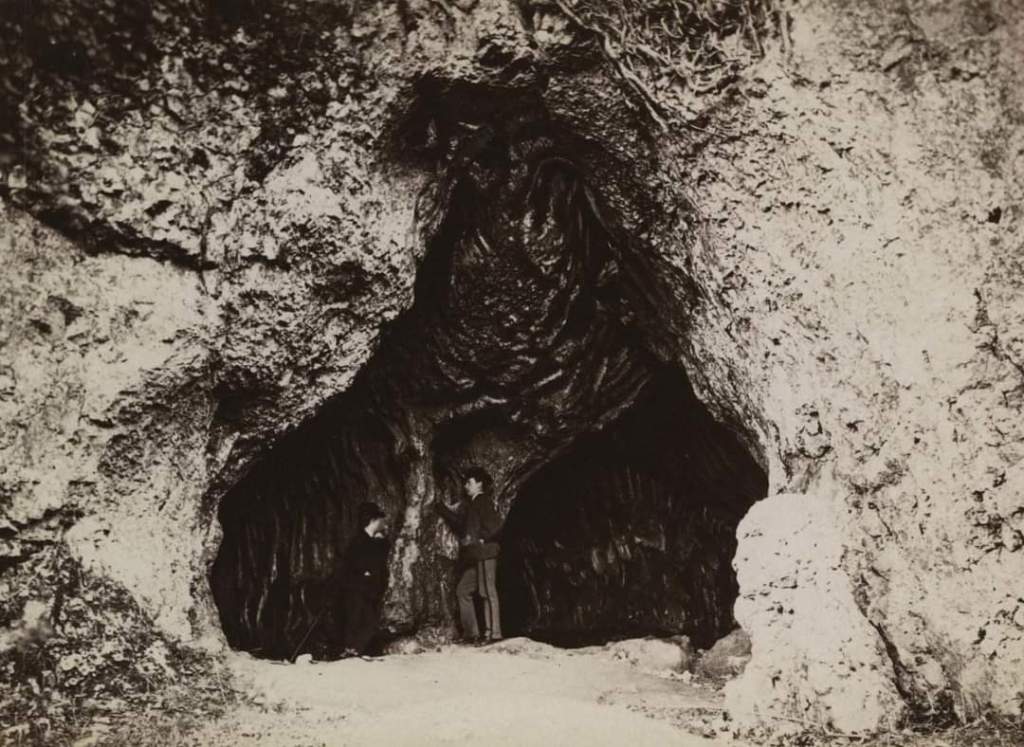
Hoyle’s Mouth Cave
Hoyle’s Mouth Cave in Tenby – Pembrokeshire, Wales. Situated in sloping woodland overlooking the valley.. The mouth of the cave is about 3m wide, 4m tall and leads into the main cavern where a narrow tunnel leads you further into the limestone. The passage we explored runs about 40m into the hill.. This cave is…
-
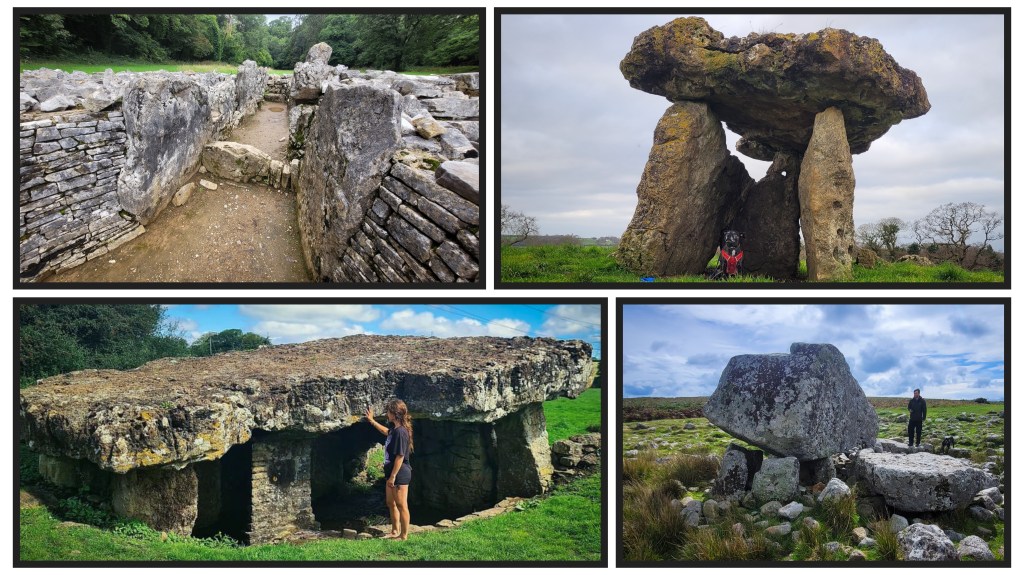
Walks in South Wales – The best neolithic monuments!
Here is a list of some of the most impressive, and easiest to access Neolithic sites in South Wales. Parc Le Breos – Parc Cwm Long Cairn – The Giant’s Grave in Swansea. About the site:Parc Le Breos estate is a former medieval deer park located on the Gower Peninsula. Whilst workmen were digging for…
-
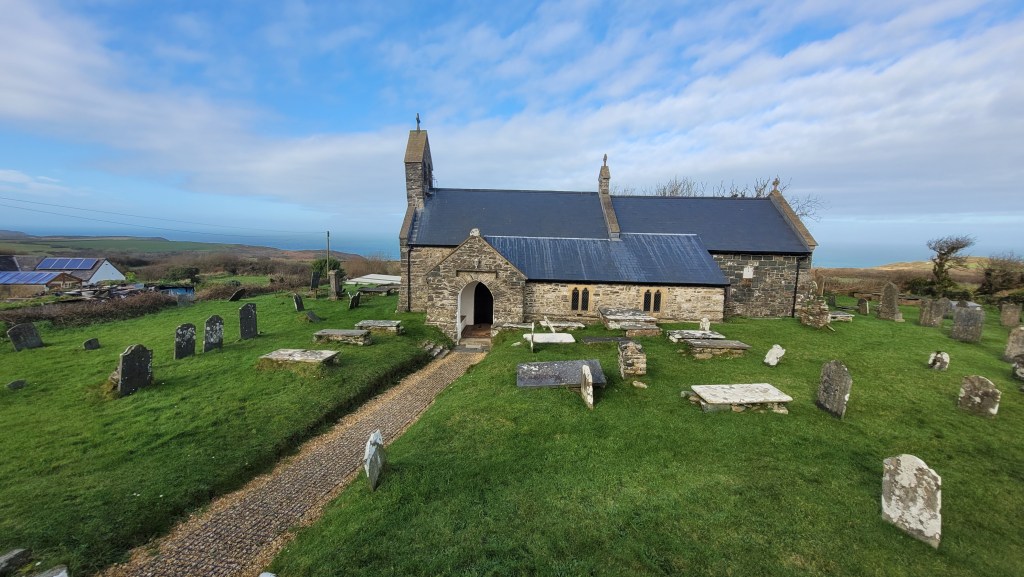
St Gwyndaf’s Church
In the village of LLanwnda in Pembrokeshire, Wales is St Gwyndaf’s Church. This is an interesting village full of history. We originally visited here to see the Neolithic cromlech Garn Wnda, but soon discovered that the church also has an interesting past.. A short walk north west of the church is Carregwastad Point. In 1797,…
-
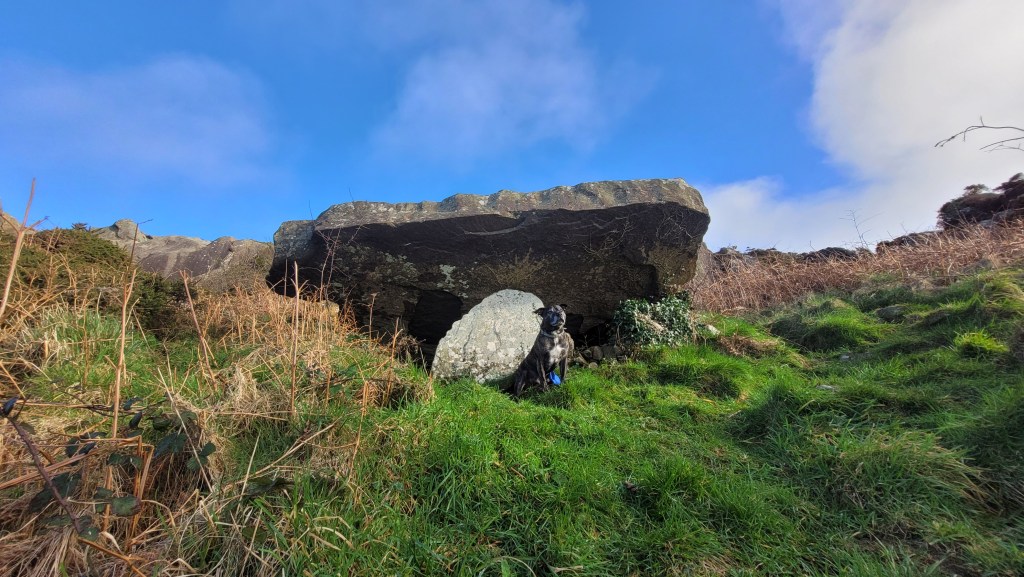
Garn Wnda Neolithic monument
On a rocky outcrop overlooking the village of Llanwnda in Pembrokeshire is Garn Wnda. Similar to other sites dotted about this headland, Garn Wnda is classified as an “earth fast” chambered monument, in that it is comprised of a large stone slab or capstone propped up by a single stone upright, with the southern end…
-
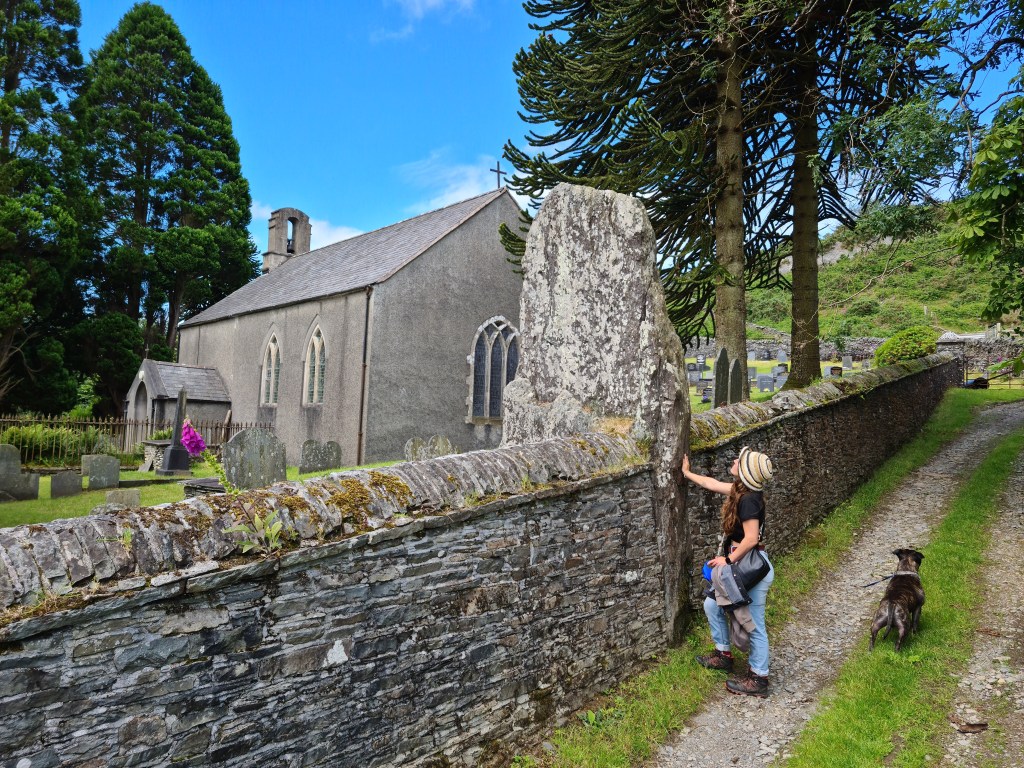
Ysbyty Cynfyn – Ceredigion, Wales
St Johns church in the tiny village of Ysbyty Cynfyn is curiously built upon an ancient site – perhaps an embanked stone circle, of which some huge stones remain. Today, this villages comprises of a church and farm. The form of the medieval church which is said to have been here prior is not known.…
-
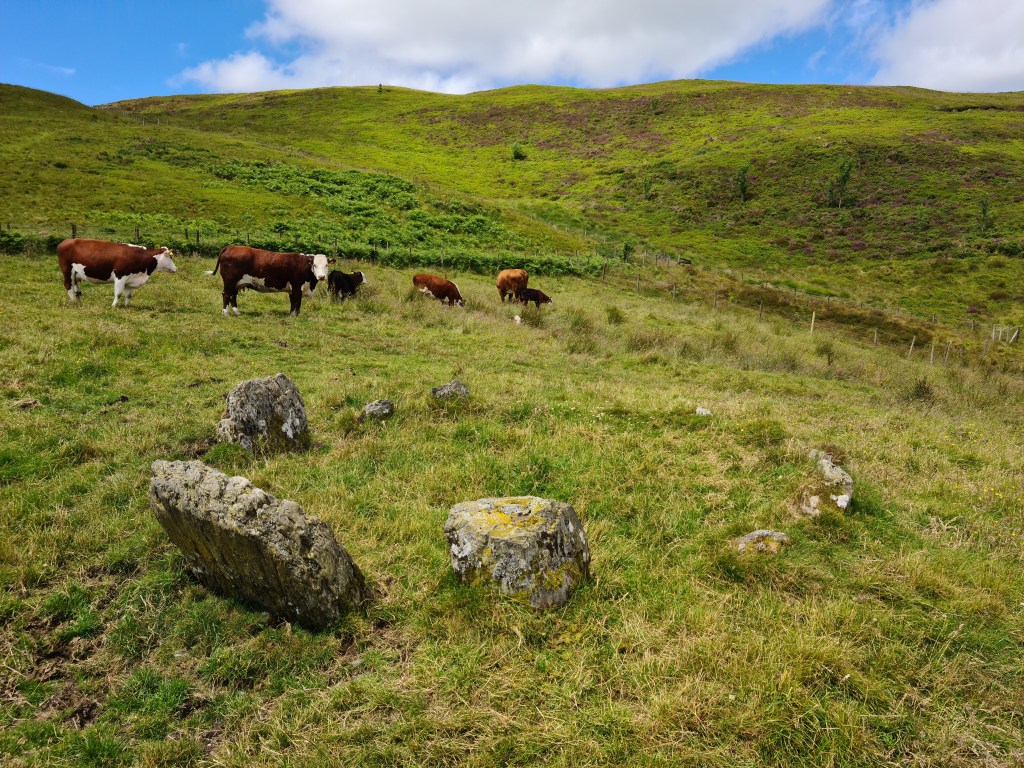
Dol y Gamfa Stone Circle
This is a Bronze Age cairn-circle in Ceredigion, Wales.CADW/Coflein’s description of the stones at Dolgamfa is as follows: “One of the finest small Bronze Age cairn-circles in north Ceredigion. Rather than being a true stone circle, the monument would originally have been a cairn or mound of stones encircled by a ring of upright stones.…
-
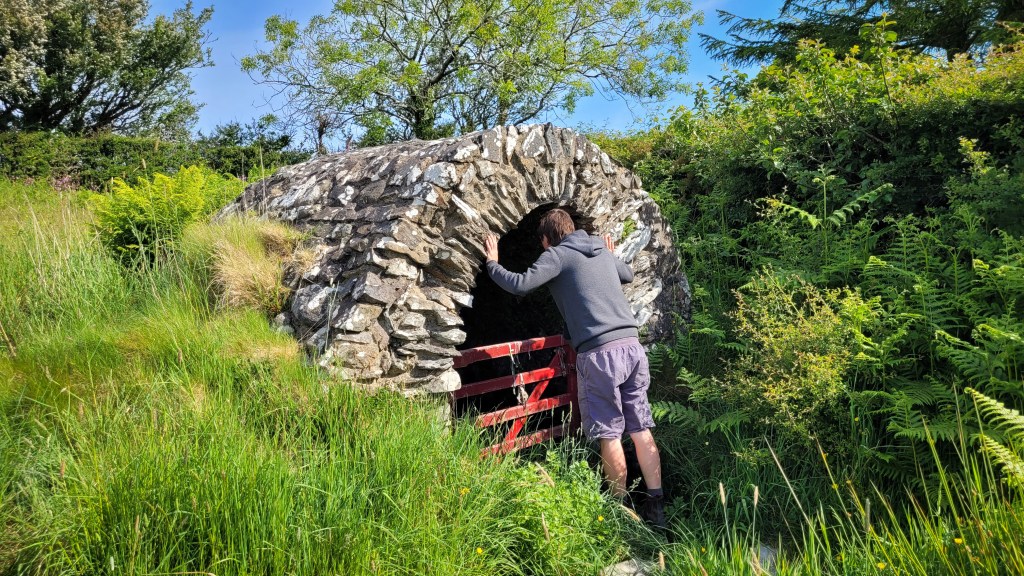
Llanllawer Holy Well & Church
St David’s Church in Llanllawer – Pembrokeshire, Wales. (Older name – Llanllawern) The church stands of a promontory above the River Gwaun and the village of Llanychaer. At this church are four medieval inscribed stones – two used as gate posts and two others incorporated into the church building itself. The stones are thought to…
-
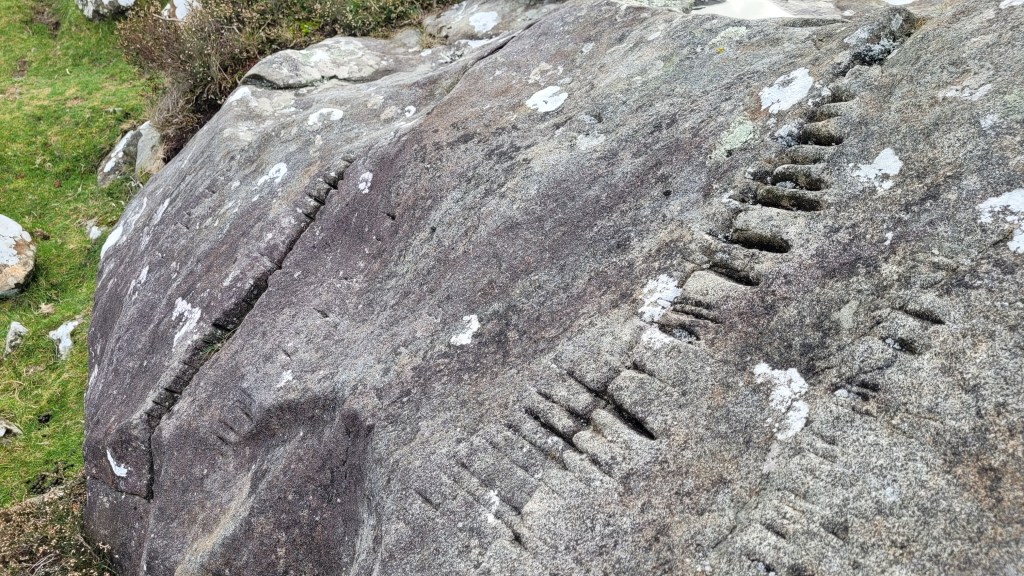
Carn Enoch
Preshistoric carvings, or a natural feature?.. Situated on Mynydd Dinas in Pembrokeshire, Wales – This rocky outcrop in Pembrokeshire often stirs up debate when mentioned online. For directions on how to visit Carn Enoch, scroll to the bottom of this page. Opinions vary, with suggestions of their origin ranging from Ogham, tool sharpening, tally marks,…

