
cymru
-
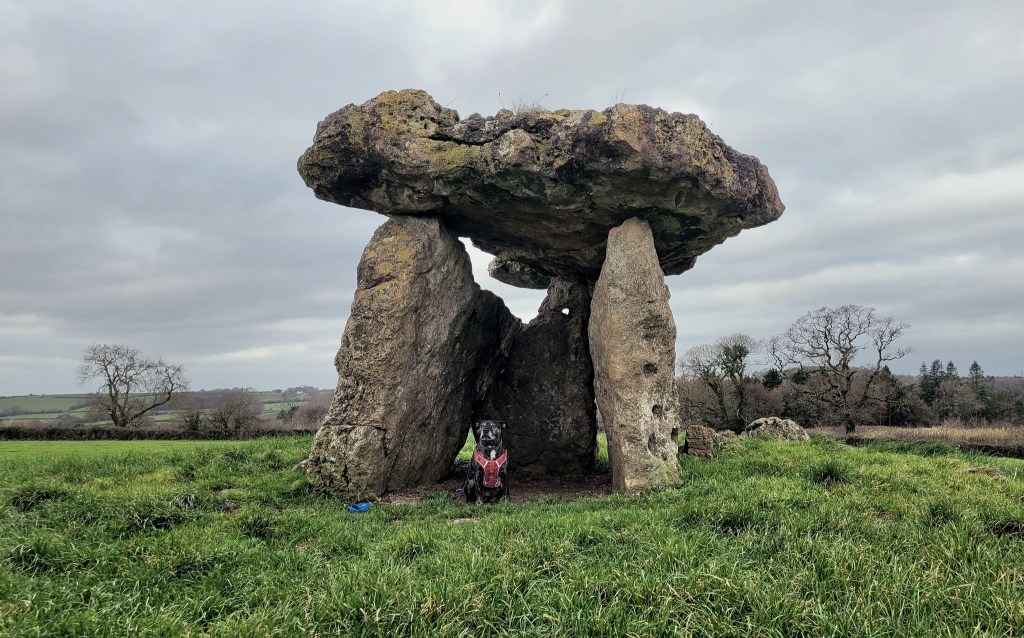
St Lythans Dolmen/Cromlech
Less than 10 miles from Cardiff city centre in Wales is the village of St. Lythans. Here is where we find a neolithic cromlech, otherwise known as Maes y felin (The mill field), named after the field in which it sits. Another name for the monument is Gwal y filiast, a name shared by a…
-
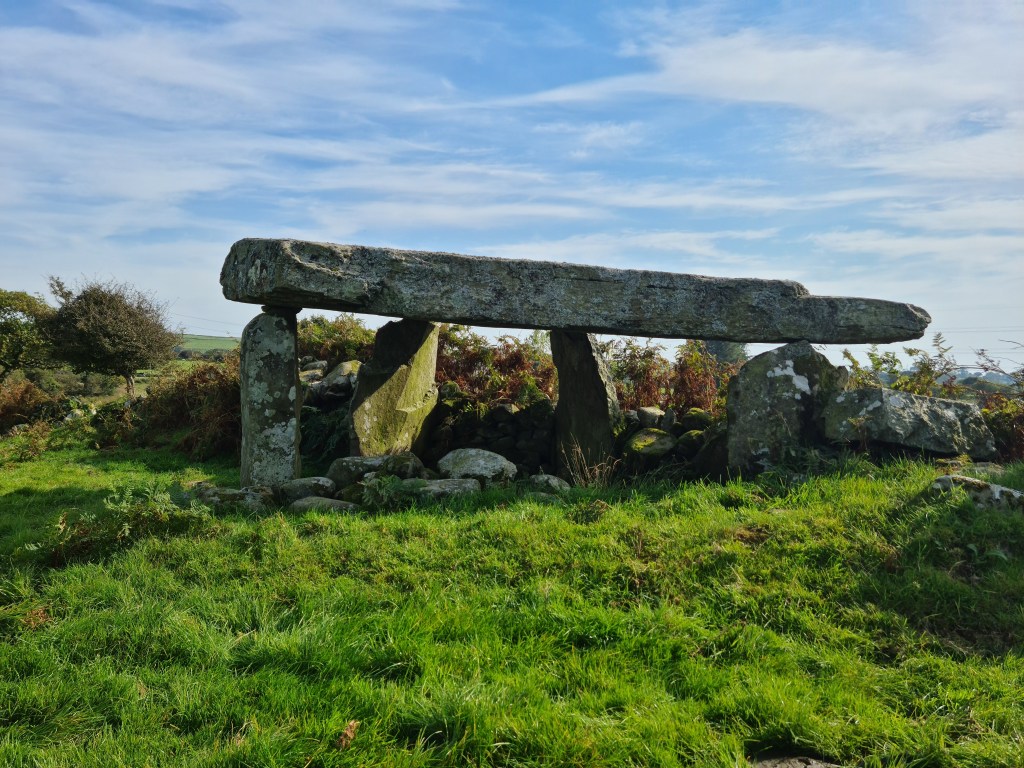
Ystum Cegid Isaf
Neolithic site near Criccieth – Gwynedd, Wales. Today it is an impressive monument with four large uprights supporting a single huge capstone, but it hasn’t always looked like this… Back in the 1700’s there were around 13 uprights, and 3 capstones, forming a much larger and more complex structure. But by 1816, the two smaller…
-
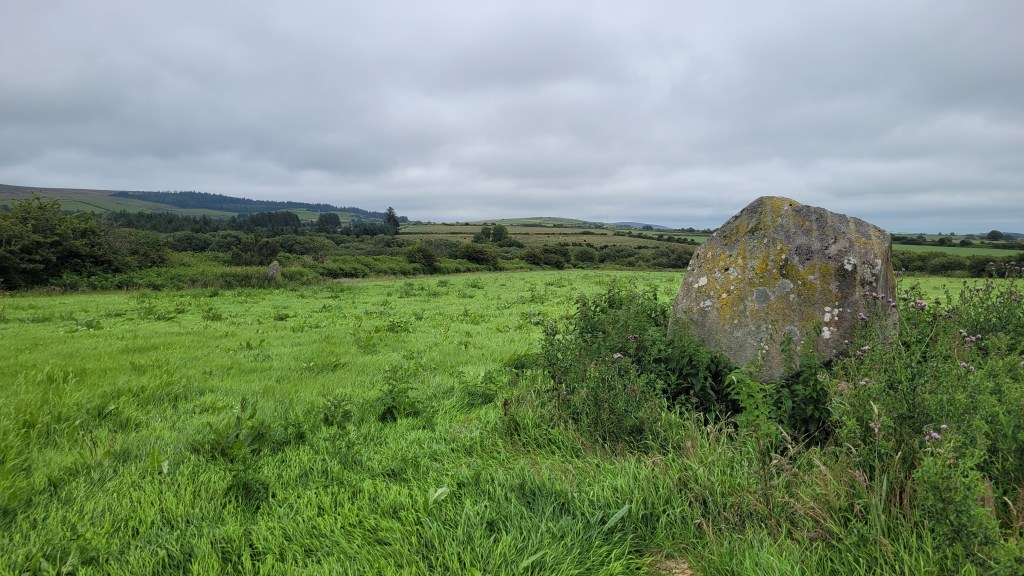
Cornel Bach – Maenclochog Standing Stones
Pair of Bronze Age standing stones in the village of Maenclochog in Pembrokeshire, Wales. This area is full of the remnants of prehistoric sites. Many were recorded in previous centuries but have since been destroyed. This pair of stones is recorded in Archaeologia Cambrensis, 1900 as follows:“Maenclochog SN 082279. Cornel Bach. Both stones are 6ft…
-
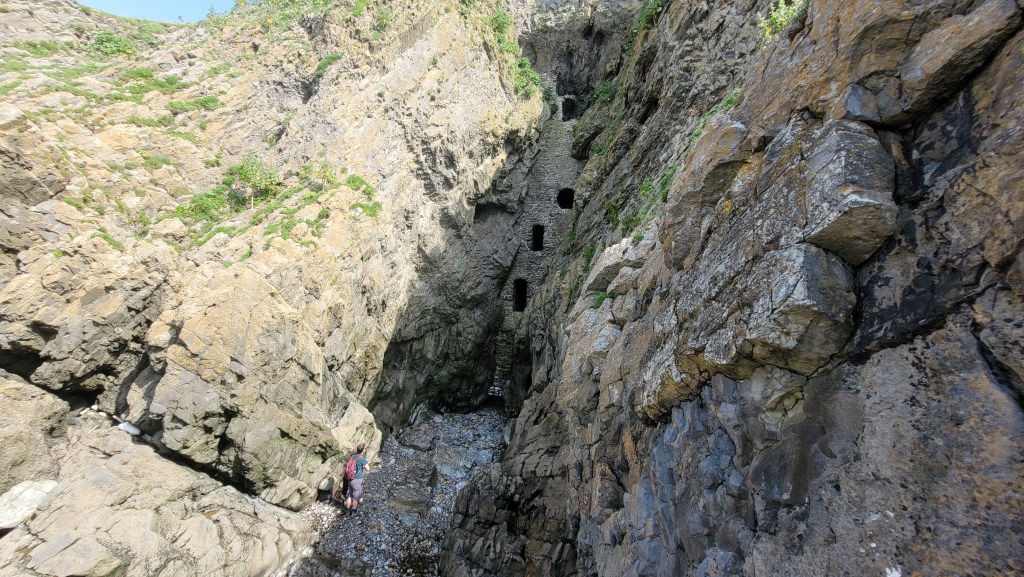
Culver Hole/The Smuggler’s Cove – Gower, Wales
We began our walk from Port Eynon beach car park. As you walk around the coastal path you will come first to the remains of The Salt House. According to local folklore, this building was fortified by legendary Gower pirate John Lucas in the 1700s, in order to further his unlawful activities, and that he…
-
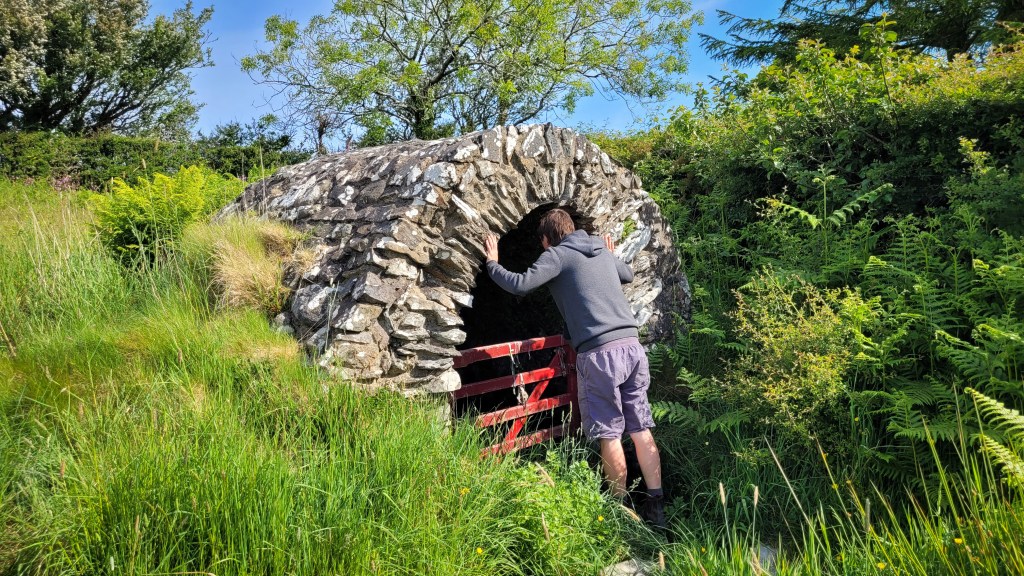
Llanllawer Holy Well & Church
St David’s Church in Llanllawer – Pembrokeshire, Wales. (Older name – Llanllawern) The church stands of a promontory above the River Gwaun and the village of Llanychaer. At this church are four medieval inscribed stones – two used as gate posts and two others incorporated into the church building itself. The stones are thought to…
-
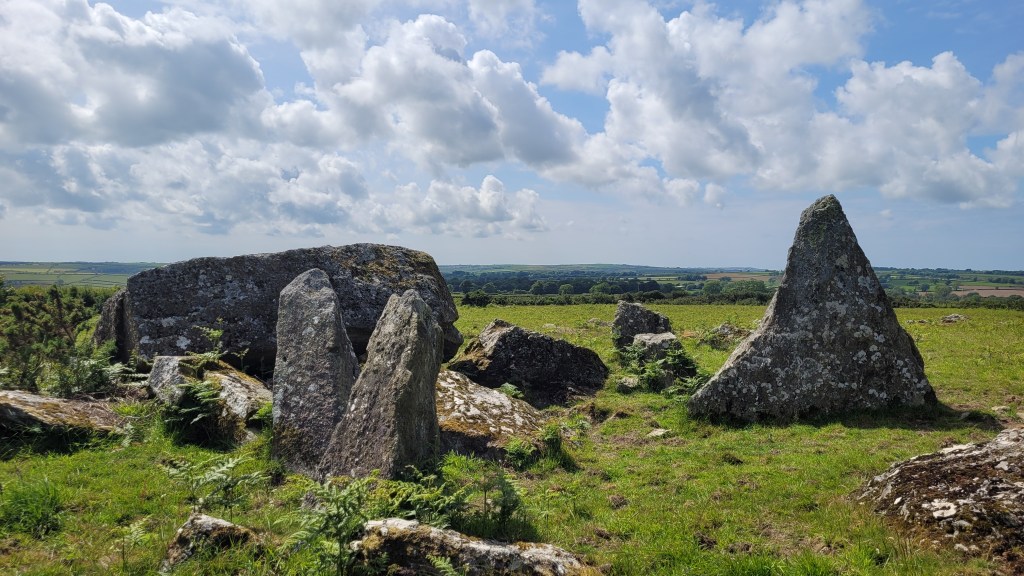
Garn Turne
Garn Turne is a neolithic monument in Pembrokeshire, Wales. In old records the site also goes by Carn Turne, Garne Tarne and Old Coldstone. This is one of three cromlech remains which are clustered around the Hamlet of Colston. The others being The Altar and Parc-y-Llun. The fallen capstone of the cromlech itself is 5m…
-
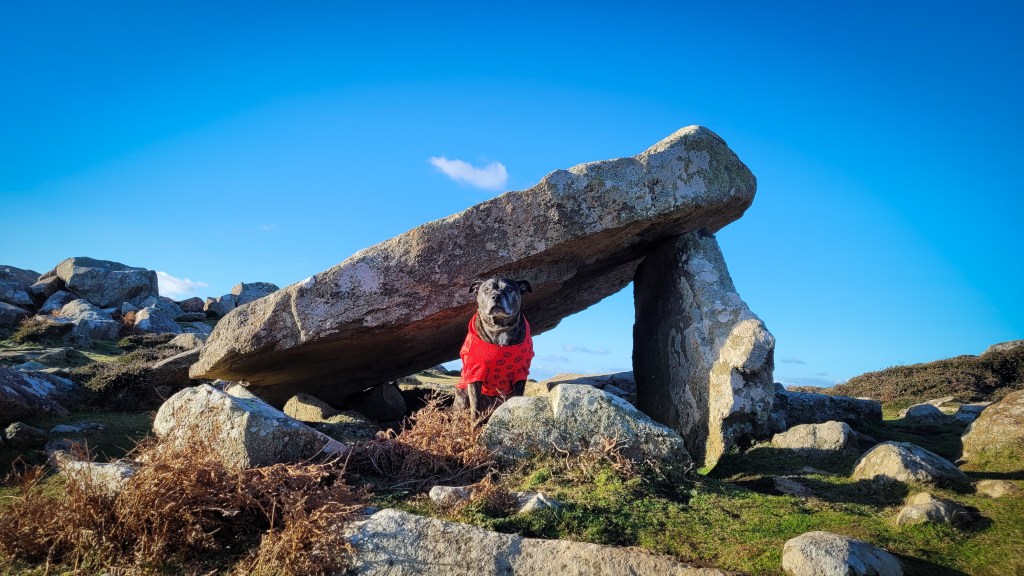
Coetan Arthur Cromlech on St David’s Head
This cromlech sits on a stunning slice of the Pembrokeshire coast.. Boasting views as far as the mountains of Ireland on a clear day. To reach the site we park at Porth Mawr (Whitesands Bay) and walk the Welsh coastal path toward St David’s Head at the base of Carn Llidi. As you ascend the…
-
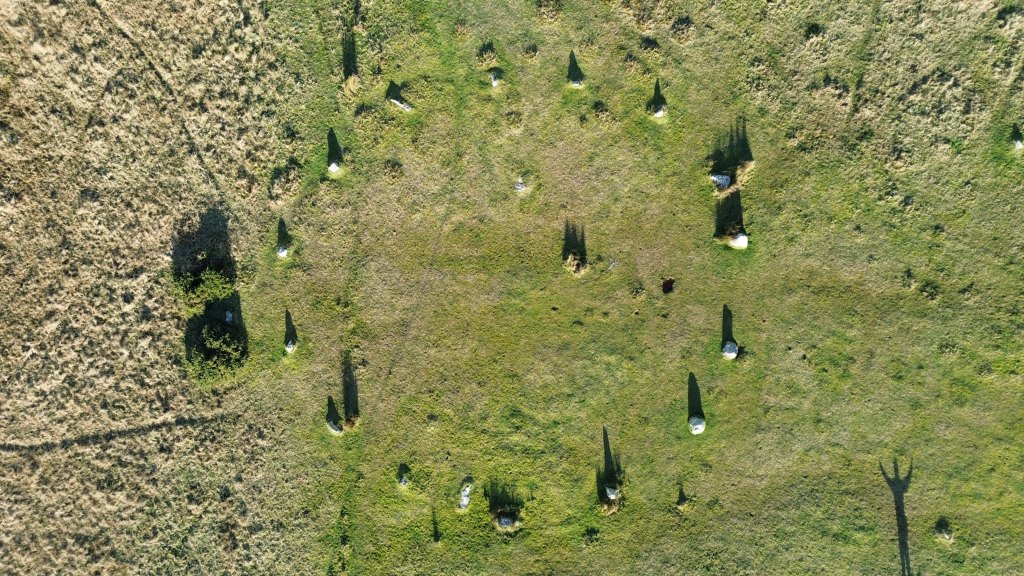
Gors Fawr Stone Circle
Gors Fawr Late Neolithic/Bronze Age Stone Circle – Pembrokeshire, Wales.Within Mynachlog-ddu, nestled amongst the rolling Preseli hills, is the level common named Gors Fawr… meaning Great Marsh.. Where we find a humble, but significant stone circle. Just over 20 meters in diameter, the 16 stones form a very regular circle, Coflein describes the stones as..…
-
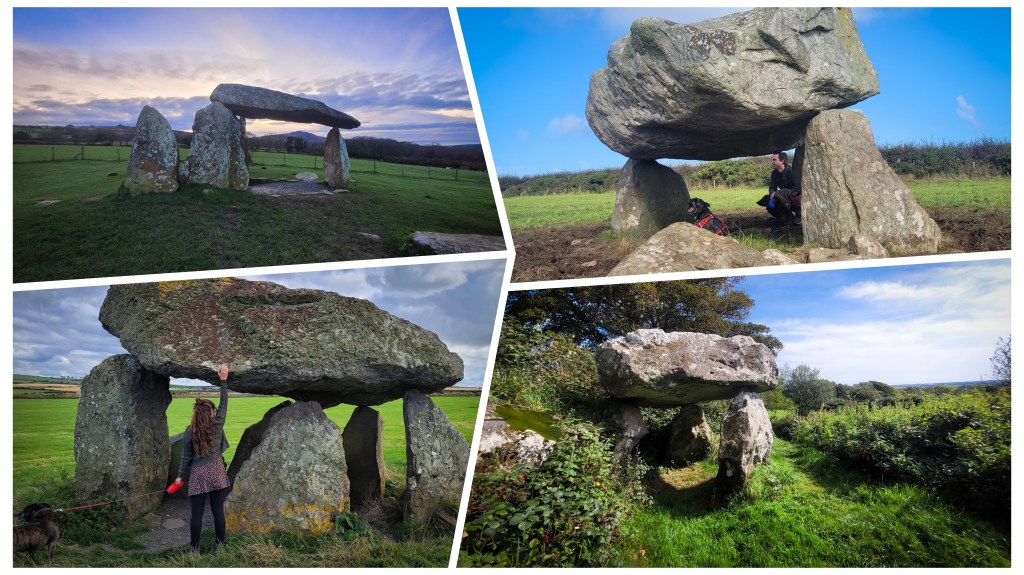
Walks in Wales! The must-see Neolithic Cromlechs in Pembrokeshire.
The Pembrokeshire landscape is filled with the remnants of our prehistoric past.. Neolithic cromlechs, or dolmens, being some of the most iconic of these sites. Sometimes it can be overwhelming trying to figure out which ones to visit first, so here’s a list we’ve put together of the most impressive cromlechi in the area.. 1.…
-
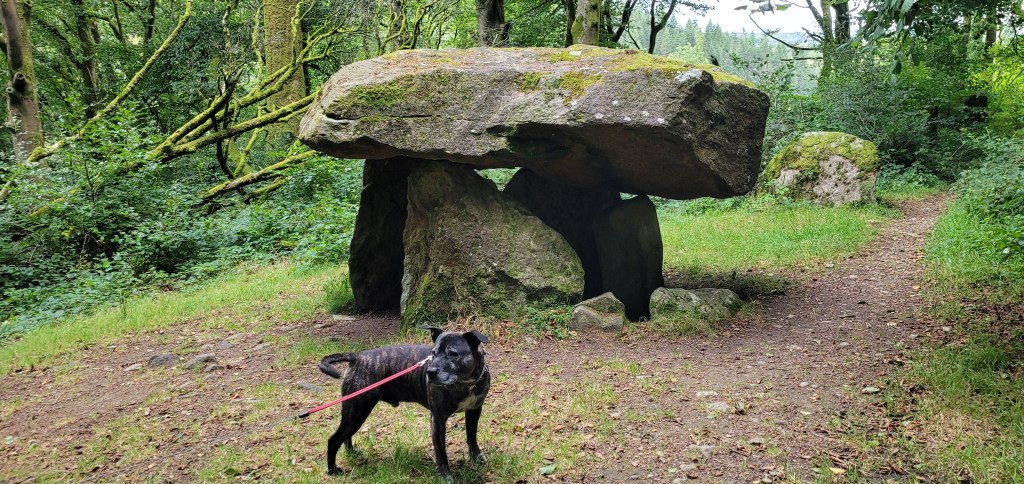
Gwal y Filiast – Carmarthenshire, Wales
A stunning Neolithic cromlech/dolmen situated on a public footpath in a wooded valley. This is a wonderful site, and is steeped in legends.. Earliest records:The earliest record we could find of Gwal y Filiast is from Edward LLuyd in 1695, who notes – ”Gwaly Viliast or Bwrdh Arthur in Llan Boudy parish, is…a rude stone…
 CoralJackz - That History Couple