
history
-
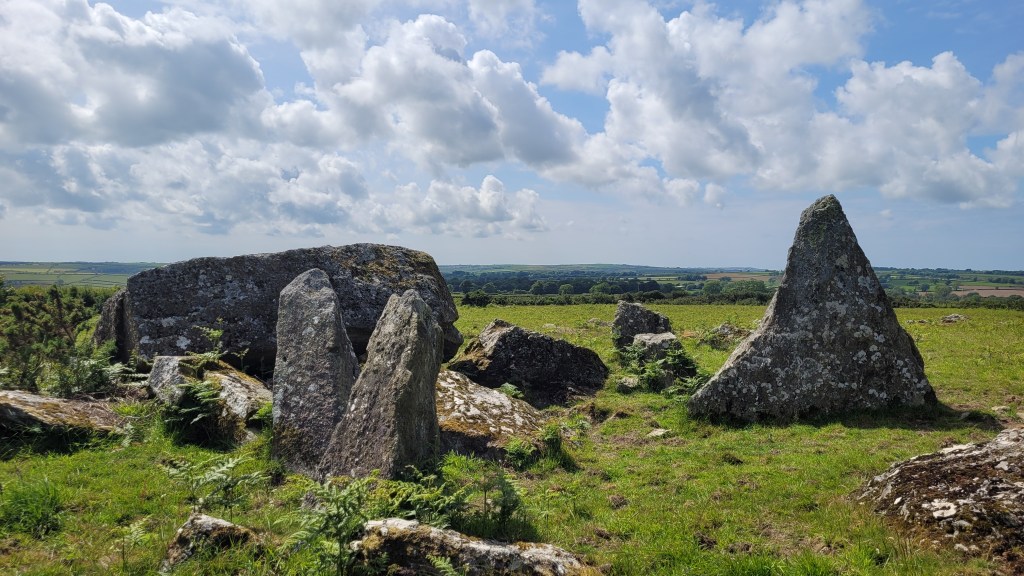
Garn Turne
Garn Turne is a neolithic monument in Pembrokeshire, Wales. In old records the site also goes by Carn Turne, Garne Tarne and Old Coldstone. This is one of three cromlech remains which are clustered around the Hamlet of Colston. The others being The Altar and Parc-y-Llun. The fallen capstone of the cromlech itself is 5m…
-
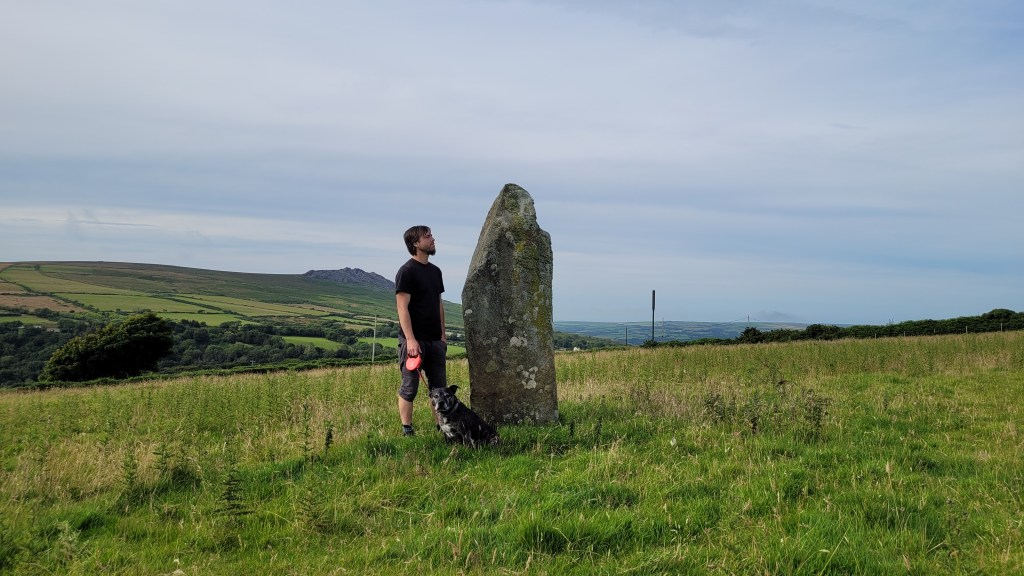
Y Garreg Hir/Trefach – Standing Stone
Standing stone in Pembrokeshire, Wales. A standing stone over 2m tall overlooking Carningli. The field is which it stands is full of large stones strewn about. Some have suggested there are the remains of a ‘chambered tomb’ in the field. Accessing the stone:We parked on a grassy verge on the side of the road between…
-
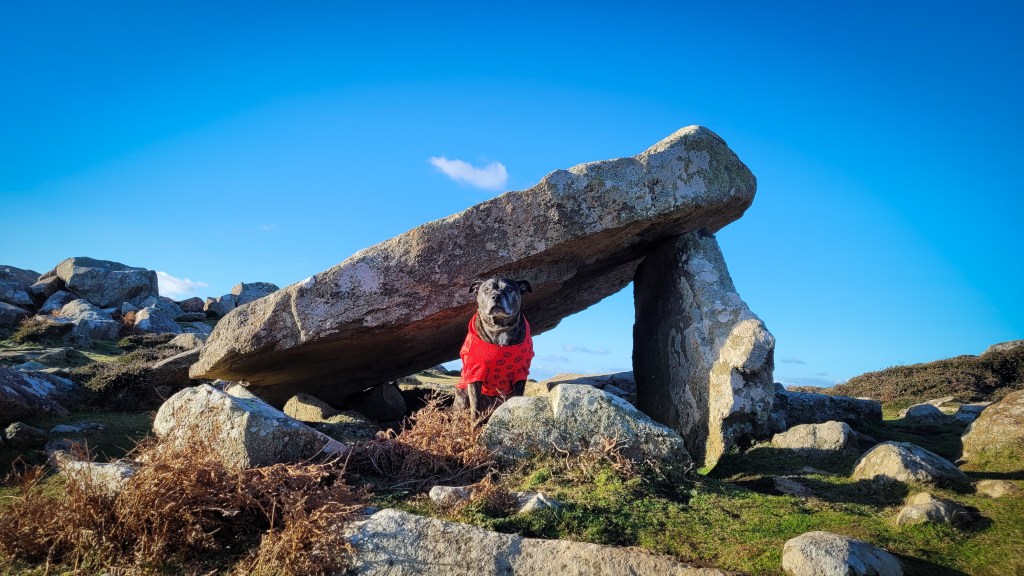
Coetan Arthur Cromlech on St David’s Head
This cromlech sits on a stunning slice of the Pembrokeshire coast.. Boasting views as far as the mountains of Ireland on a clear day. To reach the site we park at Porth Mawr (Whitesands Bay) and walk the Welsh coastal path toward St David’s Head at the base of Carn Llidi. As you ascend the…
-
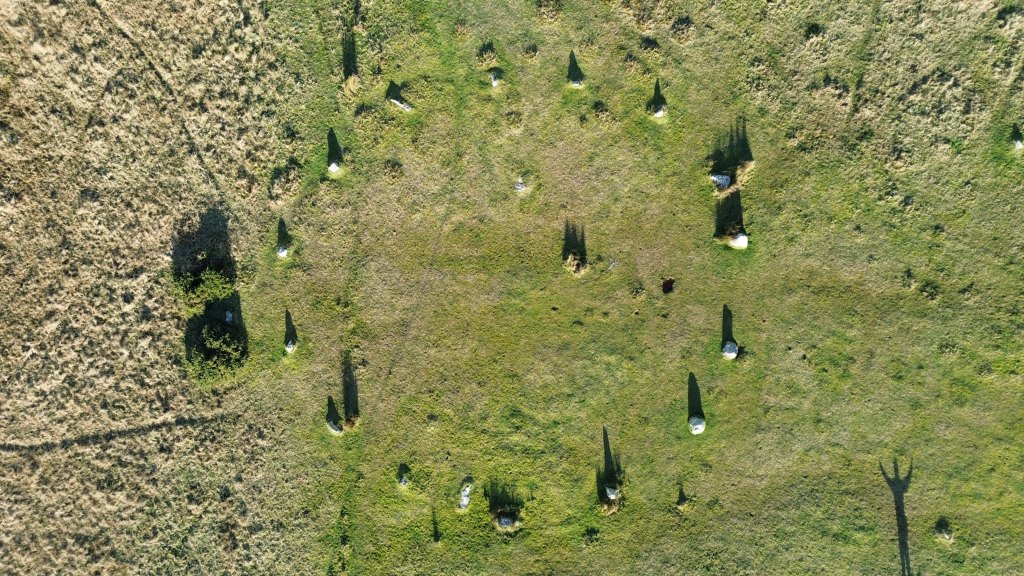
Gors Fawr Stone Circle
Gors Fawr Late Neolithic/Bronze Age Stone Circle – Pembrokeshire, Wales.Within Mynachlog-ddu, nestled amongst the rolling Preseli hills, is the level common named Gors Fawr… meaning Great Marsh.. Where we find a humble, but significant stone circle. Just over 20 meters in diameter, the 16 stones form a very regular circle, Coflein describes the stones as..…
-
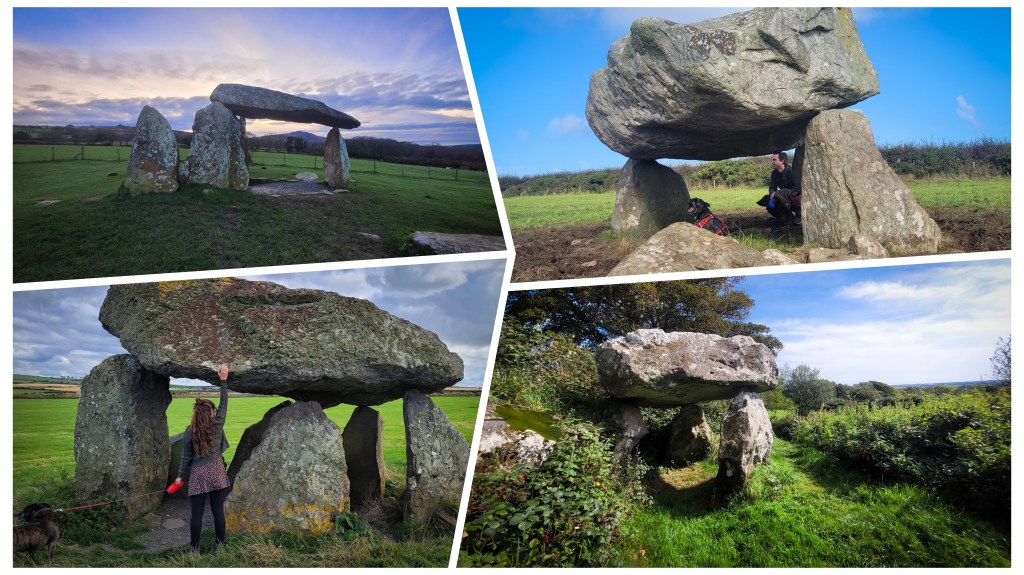
Walks in Wales! The must-see Neolithic Cromlechs in Pembrokeshire.
The Pembrokeshire landscape is filled with the remnants of our prehistoric past.. Neolithic cromlechs, or dolmens, being some of the most iconic of these sites. Sometimes it can be overwhelming trying to figure out which ones to visit first, so here’s a list we’ve put together of the most impressive cromlechi in the area.. 1.…
-
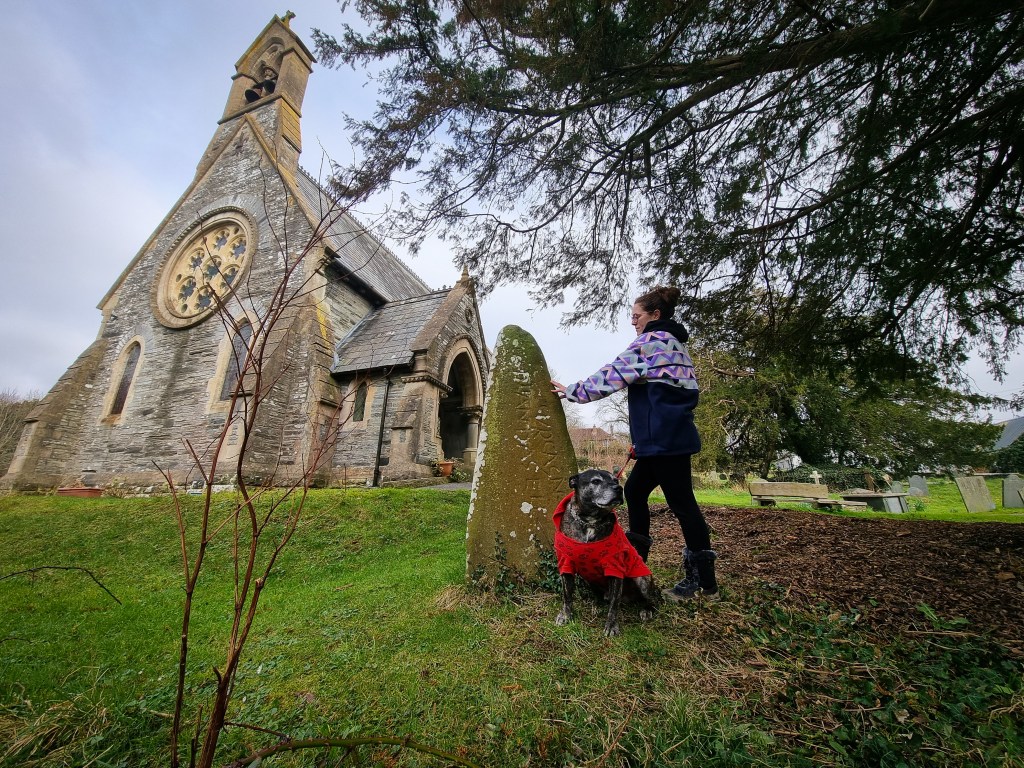
The Gellidywyll Stone in Cenarth
The Gellidydwyll Stone. Inscribed Stone in Cenarth. Carmarthenshire, Wales. This stone now stands in St Llawddog’s Churchyard in Cenarth. The Latin inscription is thought to date to the 6th century and translates to ‘Curcagnus, son of Andagelli’. In 1743 this stone was recorded as standing on the roadside adjacent to Temple Druid, around 20 miles…
-
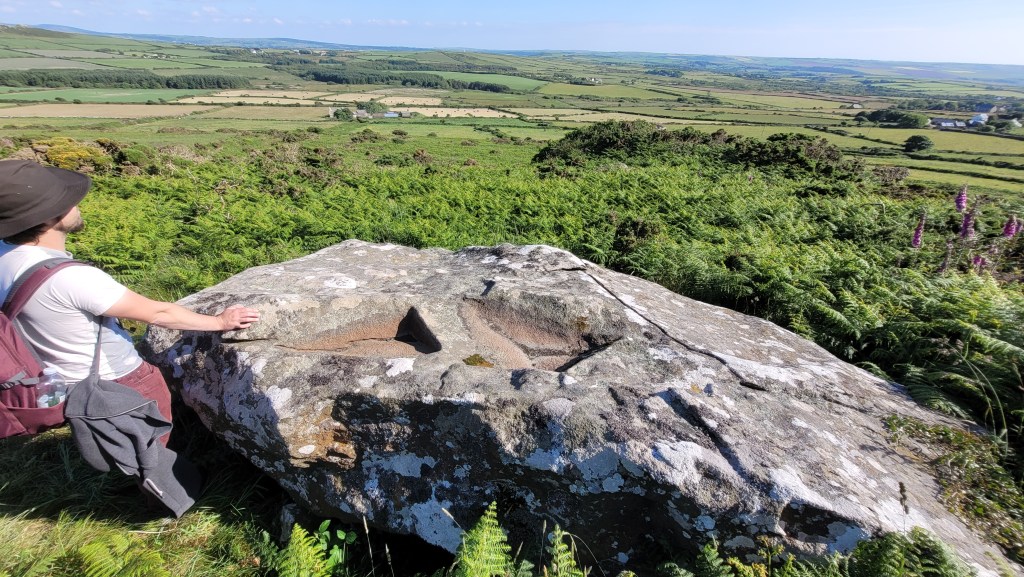
Garn Gilfach Neolithic Cromlech
Strumble Head in Pembrokeshire, Wales is home to numerous neolithic remains. On the rocky hill named Garn Gilfach sits an interesting monument classified as a ‘chambered cairn’.. Upon the capstone are triangular markings which have sparked much curiosity.. We parked our car near the red arrow.. However, the public footpath that goes up the track…
-
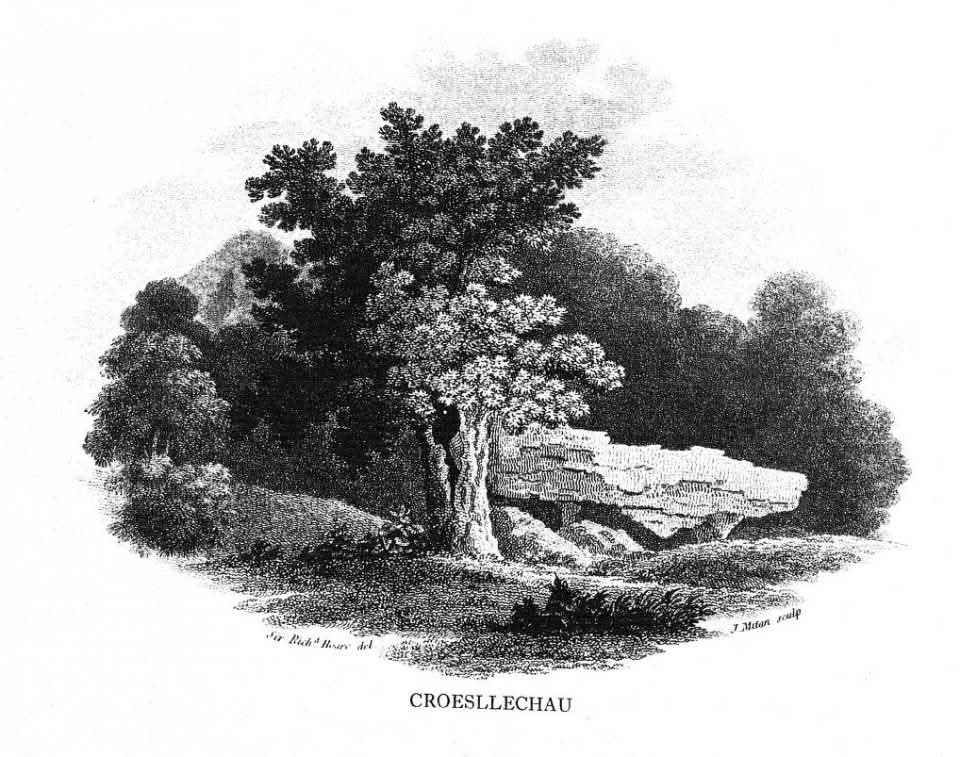
Croes-llechau, Bronllys, Wales.
Sadly this cromlech is now in ruin, but we do have an account from 1809 by Theophilus Jones in the ‘History of the County of Brecknock volume 2’: “In a field called Croeslechau about two miles eastward of this town or village [Talgarth] but in the parish of Bronllys and on a farm called Bryn-y-groes,…
-
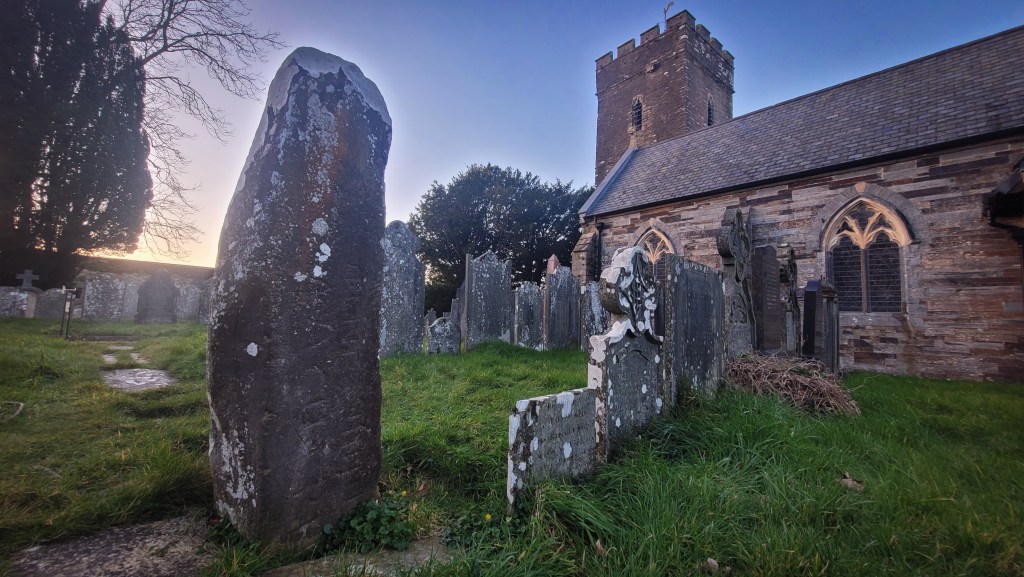
Ogham & Roman Latin Inscribed Stone in Cilgerran – Pembrokeshire, Wales
Within St Llawddog’s churchyard is a standing stone dated as early – medieval, containing Ogham as well as Roman Latin inscriptions. Professor Nancy Edwards translates the latin TRENEGUSSIFILI – MACUTRENIHICIACIT as ‘Treneguss son of Macus-Treni, here he lies’. The ogam inscription runs down the edge of the same face: (TREN)[A]GUS[.]MAQIMAQITRENI Edwards translates this to read…
-

Cors y Gedol – Neolithic Site in Gwynedd, Wales
This cromlech is situated in the old parish of Llanddwywe. Its a beautiful site with stunning views of Eryri and Bae Ceredigion. The name Cors y Gedol comes from the 16th century manor house nearby, who’s estate would have once covered a larger area of land here. Some old records of this monument also refer…
 CoralJackz - That History Couple