
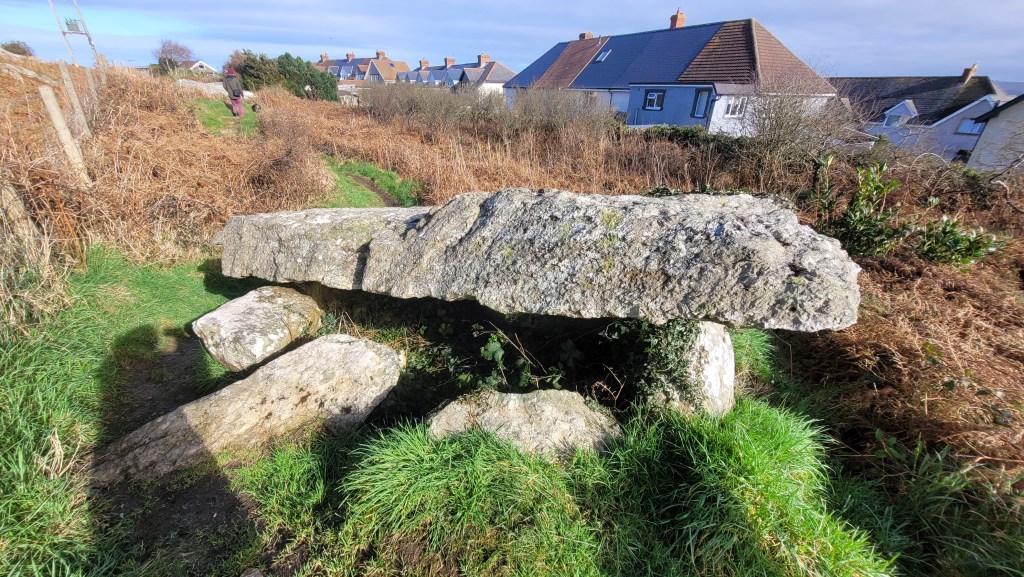

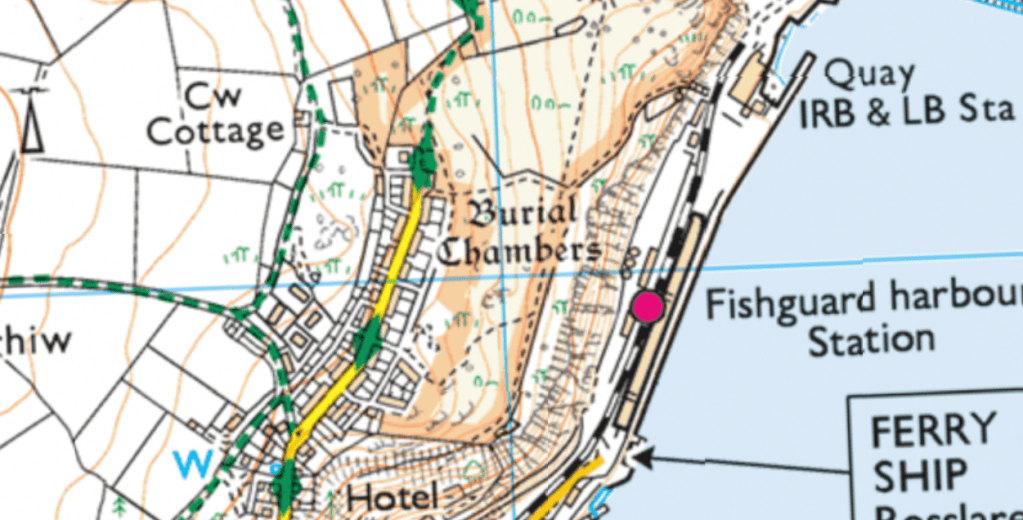
Behind a row of houses in Goodwick, Pembrokeshire is this row of neolithic chamber ‘tombs’.. Estimated to date back to at least 4,400 BC – 2,900 BC. Up until around 2016, this site was inaccessible due to overgrowth, and accounts online say the field was sadly being used by some to dump rubbish and ride motorbikes. Some locals were even unaware of their existence.
Nowadays the site is a bit clearer and you can get here via a public footpath. Unfortunately the path was still a bit of a mess with broken glass everywhere..
From A Reassessment of the Neolithic Chambered Tomb of South-West Wales by Christopher Barker (1989):
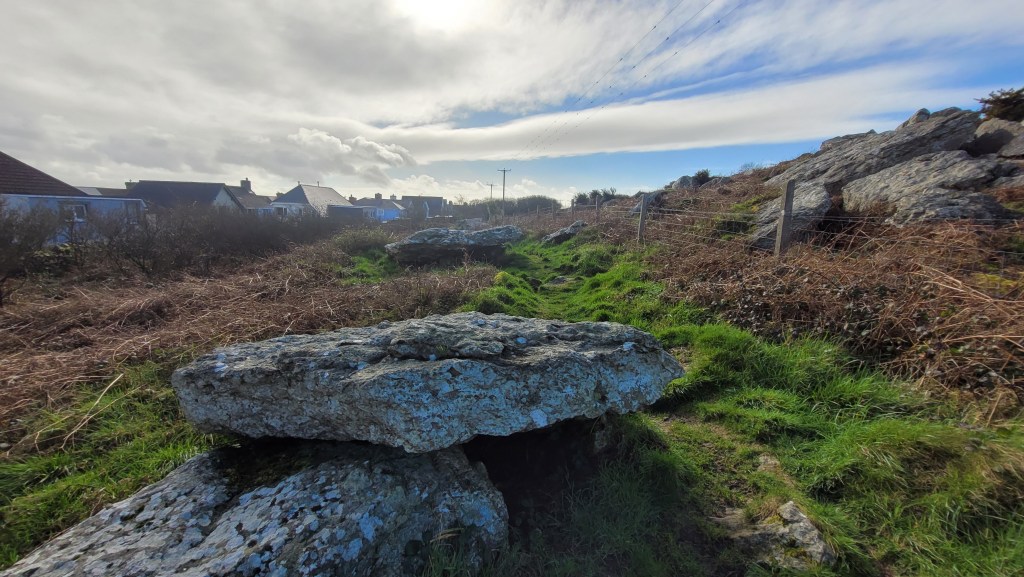
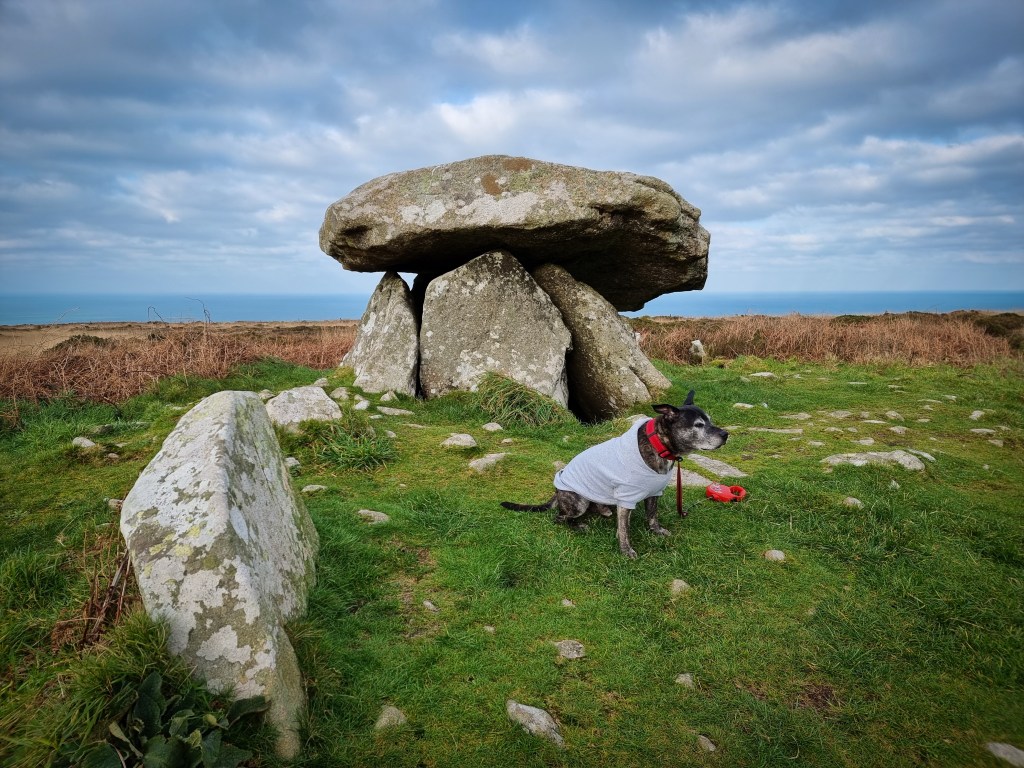
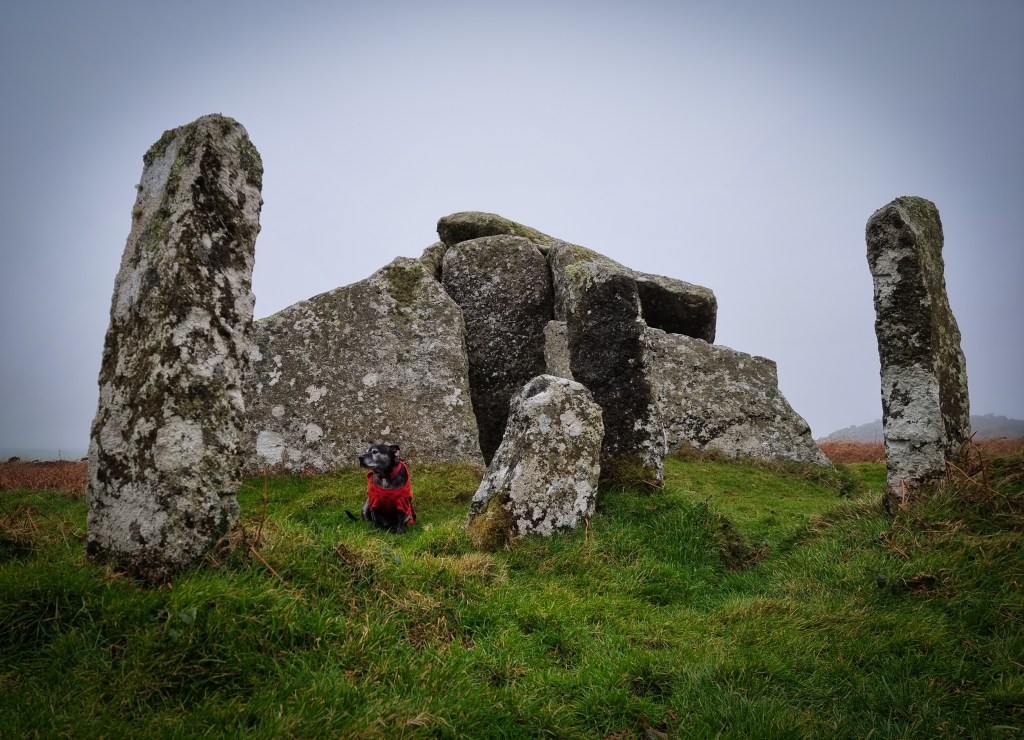
“The three chambers lie on the eastern side of a deeply fissured rock outcrop, high above the sheltered bay that is now Fishguard harbour. The northern chamber consists of a capstone resting upon a thick fallen slab, with a further small stone trapped beneath. At the middle chamber two large fallen stones underlie the SW edge of the capstone, with another displaced slab a metre to the W. Three small slabs remain (in situ) beneath the capstone – their original function is unclear, for they are rather low and slight in comparison with the fallen uprights.
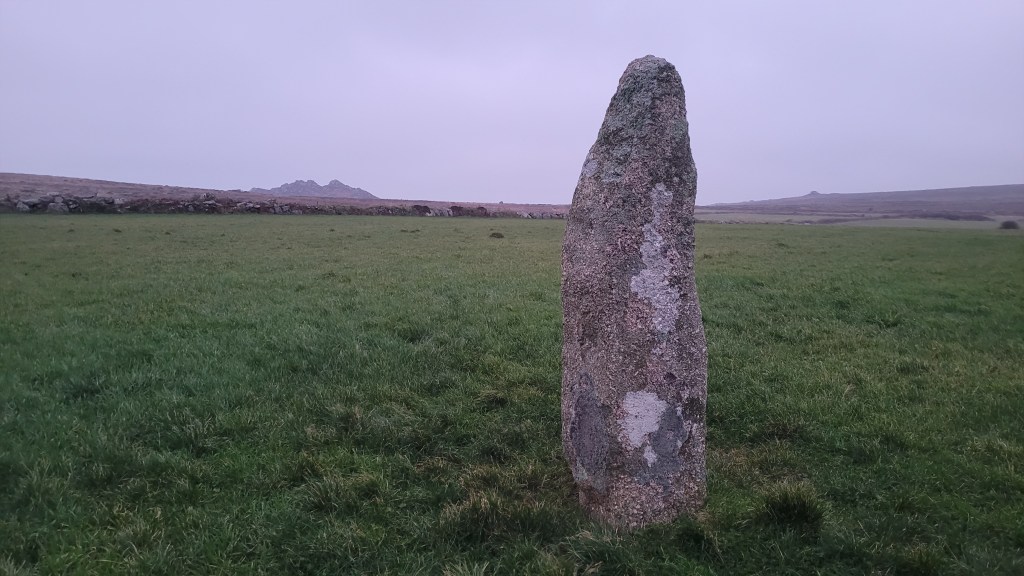
The southern chamber, locally known as ‘Carreg Samson’, is the best preserved of the three. Five uprights enclose a polygonal chamber; the capstone has been displaced towards the NE, from where a side-stone may have been removed. A single stone, 1.35m high, stands just beyond the burial chamber on its W side. Daniel (1950,200) has claimed that each of the burial chambers is set “in a small round barrow”; this assertion is not supported by present surface evidence.
In addition to the three “perfect” cromlechs, Owen Pughe (1855,274) recorded that “two others have been demolished for common purposes”. However, the total described in the PAS (“nine cromlechs more or less perfect”) must include several misidentified natural slabs, in which the area abounds” –
https://theses.gla.ac.uk/78041/1/11007320.pdf
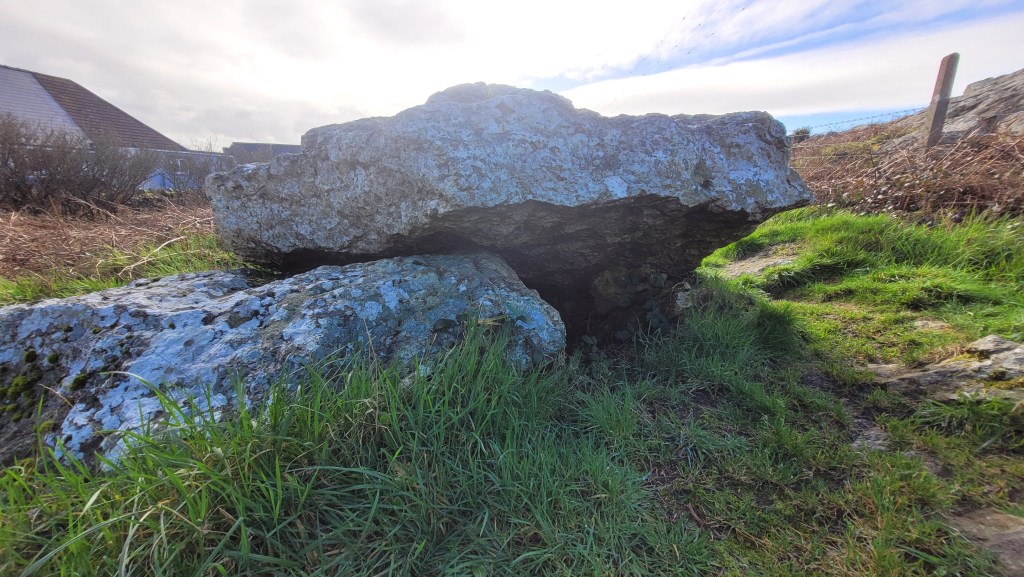
Children & Nash (1997) say they were individually covered by round mounds. They also suggest the remains of a fourth cromlech lies to the north, in line with the other three. The Pembrokeshire Archaeological survey (1897-1906) reported nine.
The following is quoted from Richard Fenton’s ‘A Historical Tour Through Pembrokeshire’ published in 1810:
“..Near the summit, occurs a rocking stone about five ton weight, so delicately poised, that it yields to the pressure of the little finger ; and this may be considered as marking the entrance into the druidical precinct, for a little beyond, numerous and majestic remains of their mysterious ceremonies appear. The most remarkable are three cromlechs in a line, one erect on columnar stones, the other two partly overturned. It appears as if they had in project here a much greater establishment, as the above monuments are close to a rock of the green serpentine of that country, of a nature to break off in vast lamina, some of which now appear half detatched by a process they seemingly made use of for that purpose..”
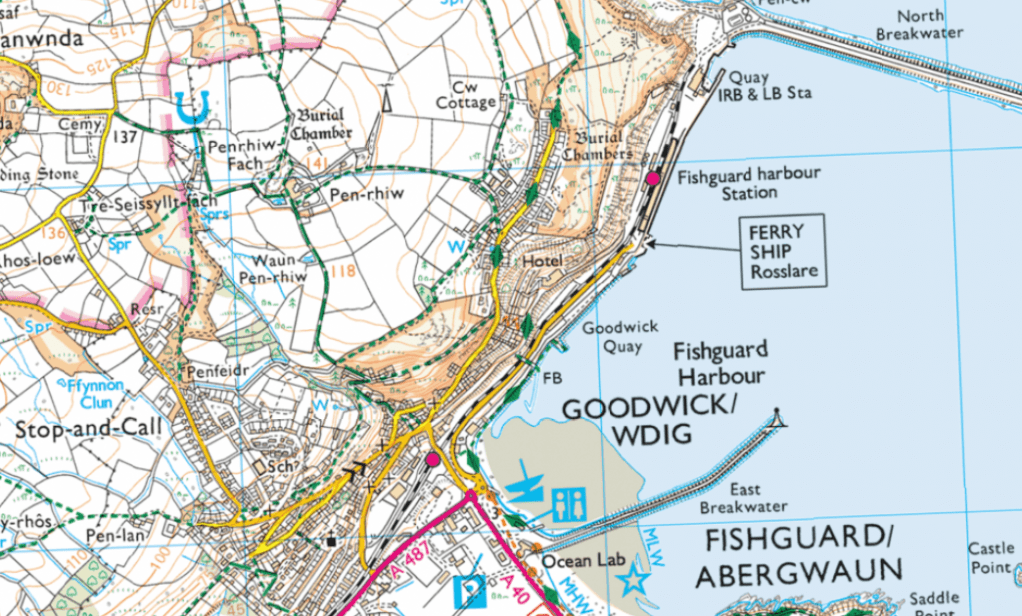
Here is a video we made where we explore the Garn Wen site, as well as other nearby cromlechs:
 CoralJackz - That History Couple
Leave a comment