
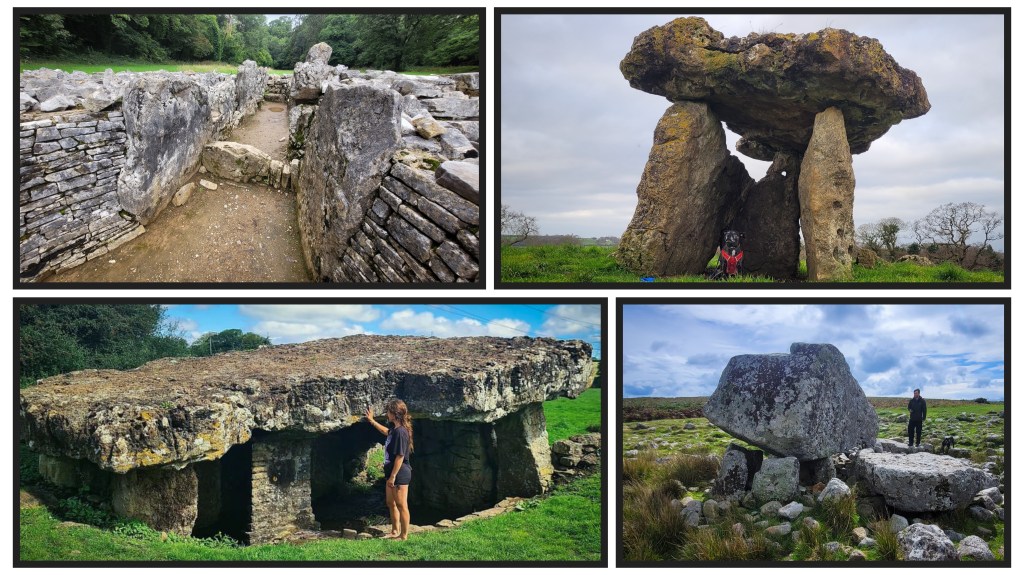

Here is a list of some of the most impressive, and easiest to access Neolithic sites in South Wales.
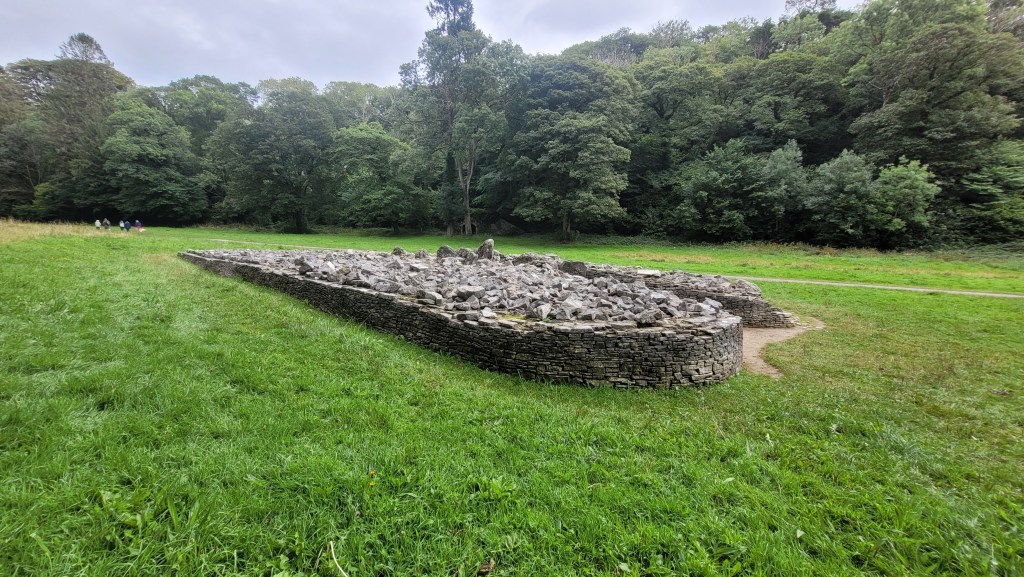
Parc Le Breos – Parc Cwm Long Cairn – The Giant’s Grave in Swansea.
About the site:
Parc Le Breos estate is a former medieval deer park located on the Gower Peninsula. Whilst workmen were digging for stone to use in road building, this monument was discovered. This was proceeded by an excavation in 1869, which revealed the remains of over 40 people, as well as animal remains and neolithic pottery. Some bones were contemporary with the monument, at around 6000 years old, but others were dated to be much older. It is thought that these older bones were moved here from nearby Cathole Cave.
The name ‘Giants Grave’ appears to stem from the 1869 report which notes males of “gigantic proportions”. But rather than being giants, further notes explain these big men were “particularly robust” when compared to the females.
How to access:
There is a carpark for Parc Le Breos and the monument is just a short walk away.
Our video:
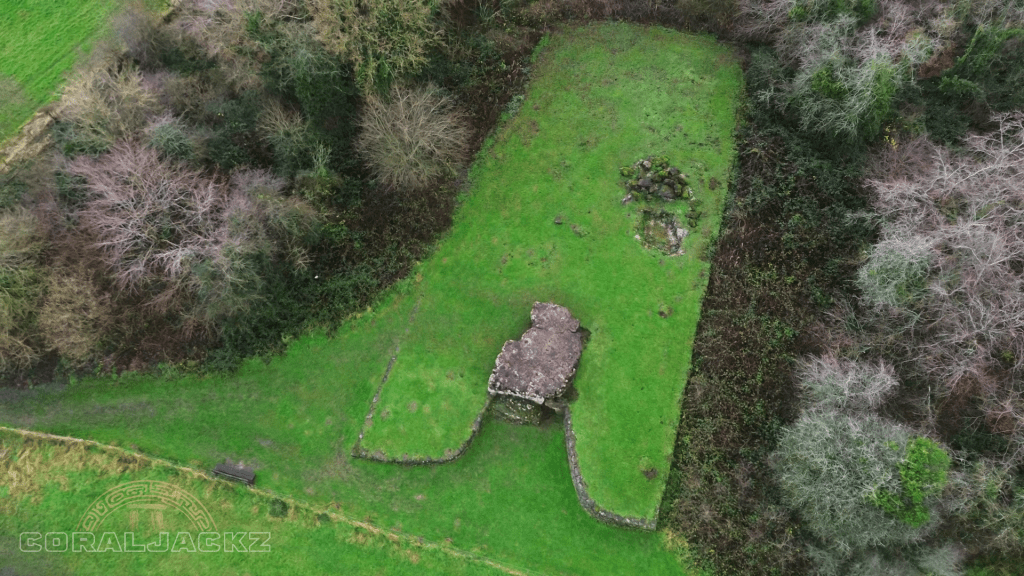
St Lythans Cromlech near Wenvoe in Cardiff

About the site:
Nestled in the small hamlet of St Lythans stands this impressive neolithic structure. The monument also goes by the name Gwal y Filiast, as well as Maes Y Felin. Maes Y Felin translates from Welsh to The Mill Field. Some suggest this relates to the legend that on Misummer’s Eve, the capstone of the dolmen spins three times before heading to the nearest river to bathe. This is often a reference to the positioning of the stones shadow on Midsummer’s Eve.. Does the shadow of St Lythan reach a stream?
The name Gwal y Filiast is thought to translate to something along the lines of “The lair of the female grey hound”. Several other prehistoric sites share this name.
In ‘Folklore and Folkstories of Wales’ (1909) Marie Trevelyan argued that these megalithic monuments were named in honour of the Welsh Goddess Ceridwen as a canine symbol. Others have speculated that Gwal-Y-Filiast itself is the site where Ceridwen transformed into the greyhound in her famous pursuit of Gwion.. An old Welsh tale found in the Mabinogion, set in the days of King Arthur. The story tells of Ceridwen and Taleisin.. To learn more about the legends of the name, check out our video –
How to access:
There is a small space to park next to the entrance to the field. Alternatively, you can park in the village and walk to the monument.
Tinkinswood Cromlech in St Nicholas near Cardiff
About the Site:
The capstone of this monument is the largest in all of Europe (although not the heaviest). During excavations in 1914, the remains of 50 people were found as well as animal bones and pottery.
Accessing the site:
There is parking for a few vehicles on the road next to the public footpath that leads to the monument. You then walk a short distance through some fields.
Our video covering the history and legends of Tinkinswood:
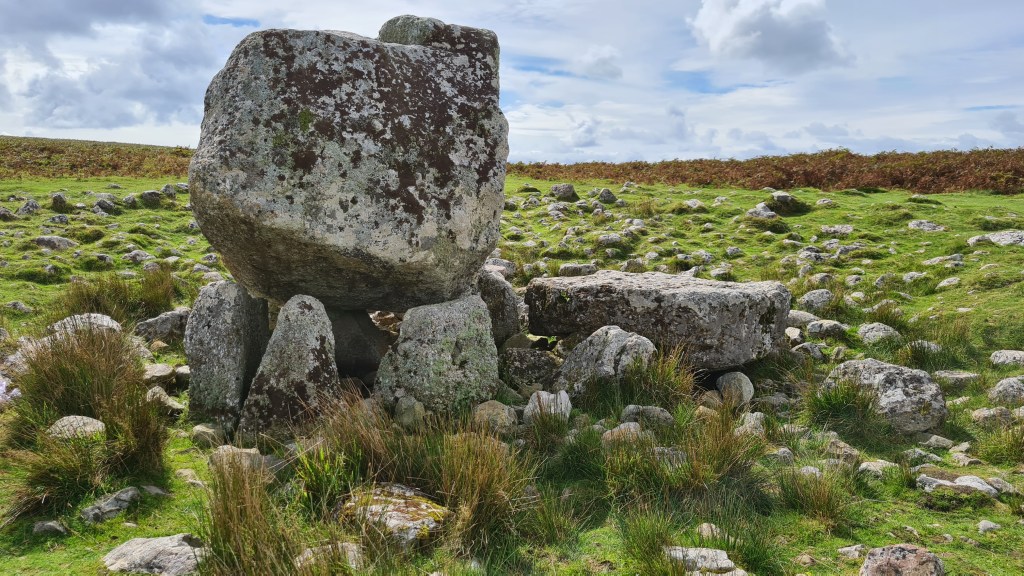
King Arthur’s Stone/Maen Ceti – Gower
About the site:
On the ancient ridgeway of Cefn Bryn is Maen Ceti, or King Arthur’s Stone. Construction is thought to date back around 4500 years ago, possibly further. The huge capstone is split in half and there are many old legends that tell of its destruction. One story is that St David split the stone with a sword, in an attempt to convert the pagan worship.
How to access:
There is a large free carpark within sight of the monument.
Our video:
 CoralJackz - That History Couple
Leave a comment