
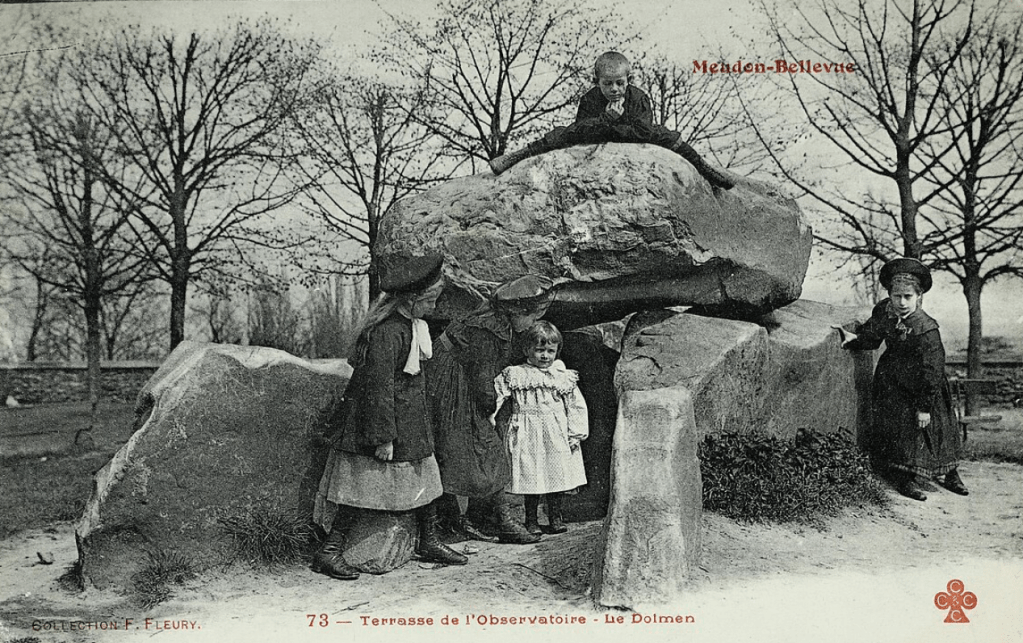

The slabs that make up this pseudo-dolmen were once part of a Neolithic Allée couverte, or ‘covered driveway’ type of dolmen commonly found in Brittany, Île-de-France and Aquitaine.
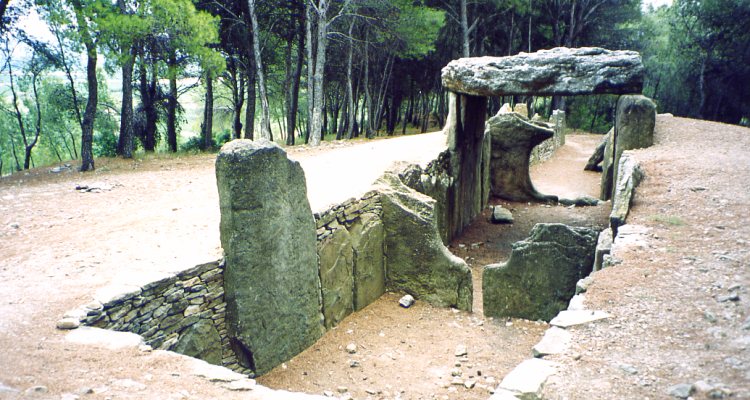
John Peek writes in his ‘Inventaire des mégalithes de France’ (1975) that the original monument was discovered in 1845 during work for the great avenue of the castle of Meudon. The monument was excavated and the remains of around 200 individuals were found as well as flint and bone tools and ceramics. During excavations it was also found that the original monument had been ‘violated’ during Roman times. Roman era pottery and a small bronze coin were also discovered.

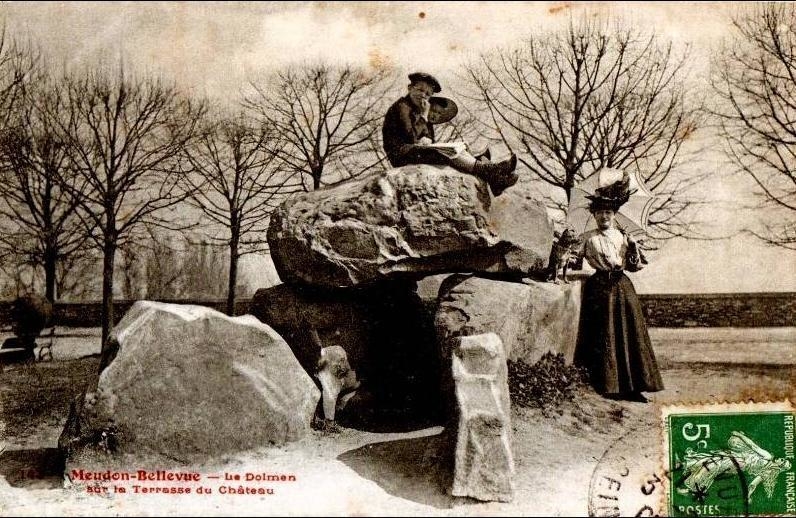
After excavation, these slabs were moved to the courtryard of the castle. At some point they were placed into the form of a pyramid that was overthrown by German troops in the War of 1870. Subsequently, Jules Janssen had this pseudo-dolmen built with the slabs in the same place, with no concern for identical restoration. To read the full description by John Peek, here’s the link – https://archive.org/details/inventairedesmeg0000unse_m4o0/page/117/mode/1up?q=Meudon

 CoralJackz - That History Couple

Leave a comment