
archaeology
-
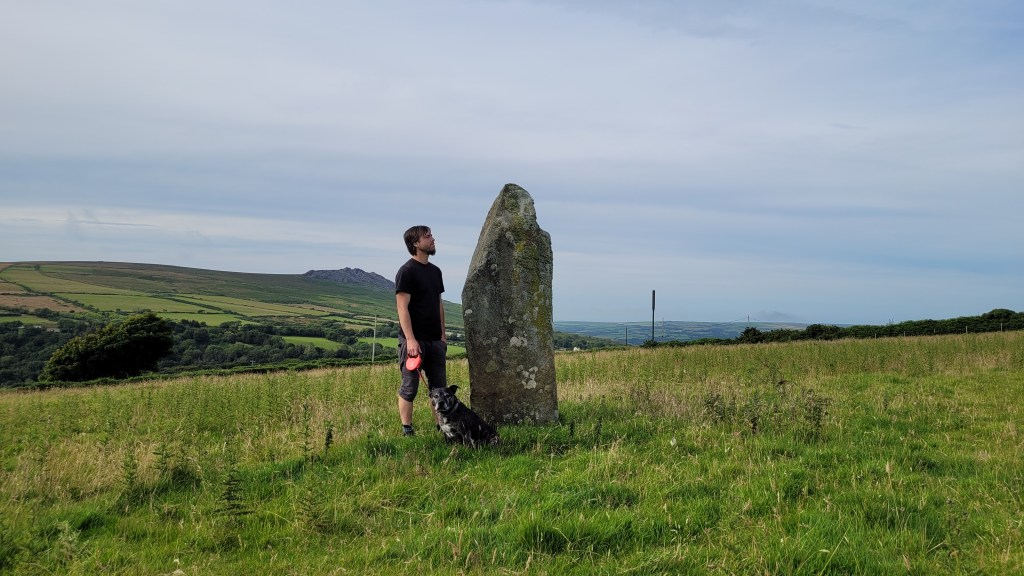
Y Garreg Hir/Trefach – Standing Stone
Standing stone in Pembrokeshire, Wales. A standing stone over 2m tall overlooking Carningli. The field is which it stands is full of large stones strewn about. Some have suggested there are the remains of a ‘chambered tomb’ in the field. Accessing the stone:We parked on a grassy verge on the side of the road between…
-
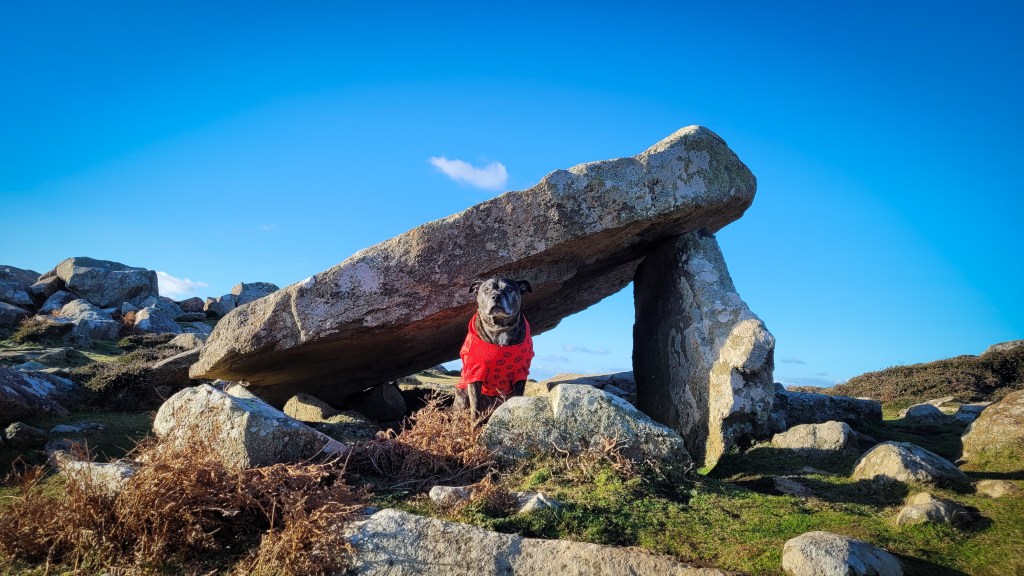
Coetan Arthur Cromlech on St David’s Head
This cromlech sits on a stunning slice of the Pembrokeshire coast.. Boasting views as far as the mountains of Ireland on a clear day. To reach the site we park at Porth Mawr (Whitesands Bay) and walk the Welsh coastal path toward St David’s Head at the base of Carn Llidi. As you ascend the…
-
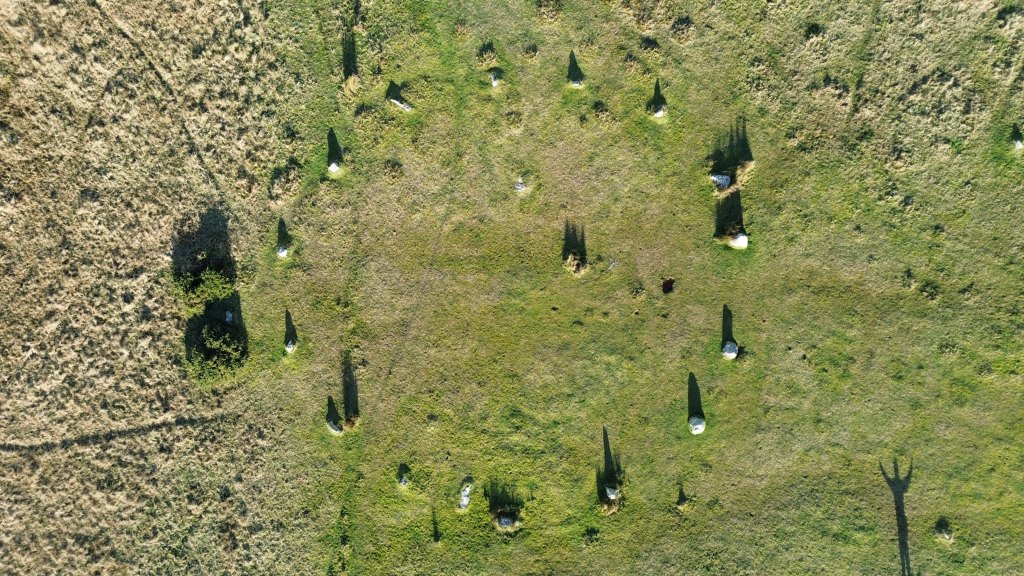
Gors Fawr Stone Circle
Gors Fawr Late Neolithic/Bronze Age Stone Circle – Pembrokeshire, Wales.Within Mynachlog-ddu, nestled amongst the rolling Preseli hills, is the level common named Gors Fawr… meaning Great Marsh.. Where we find a humble, but significant stone circle. Just over 20 meters in diameter, the 16 stones form a very regular circle, Coflein describes the stones as..…
-
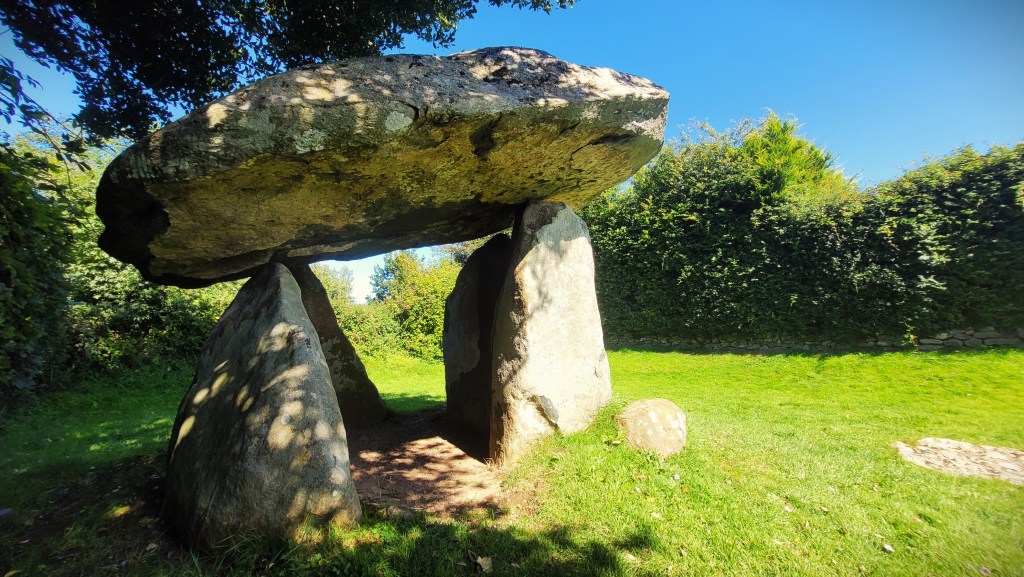
Carreg Coetan Arthur – Pembrokeshire, Wales
This neolithic structure is situated next to some bungalows on the outskirts of Newport town. It’s composed of four upright stones topped by a very large capstone. Despite it’s appearance, a close up look shows that only two of the upright stones actually support the capstone. The ‘coetan’ part of its name is supposedly a…
-
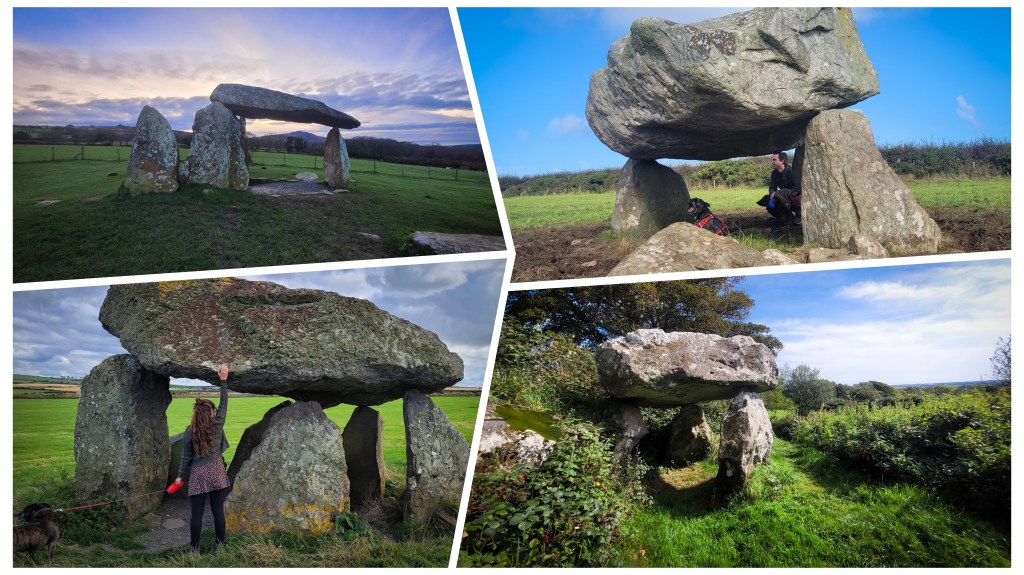
Walks in Wales! The must-see Neolithic Cromlechs in Pembrokeshire.
The Pembrokeshire landscape is filled with the remnants of our prehistoric past.. Neolithic cromlechs, or dolmens, being some of the most iconic of these sites. Sometimes it can be overwhelming trying to figure out which ones to visit first, so here’s a list we’ve put together of the most impressive cromlechi in the area.. 1.…
-
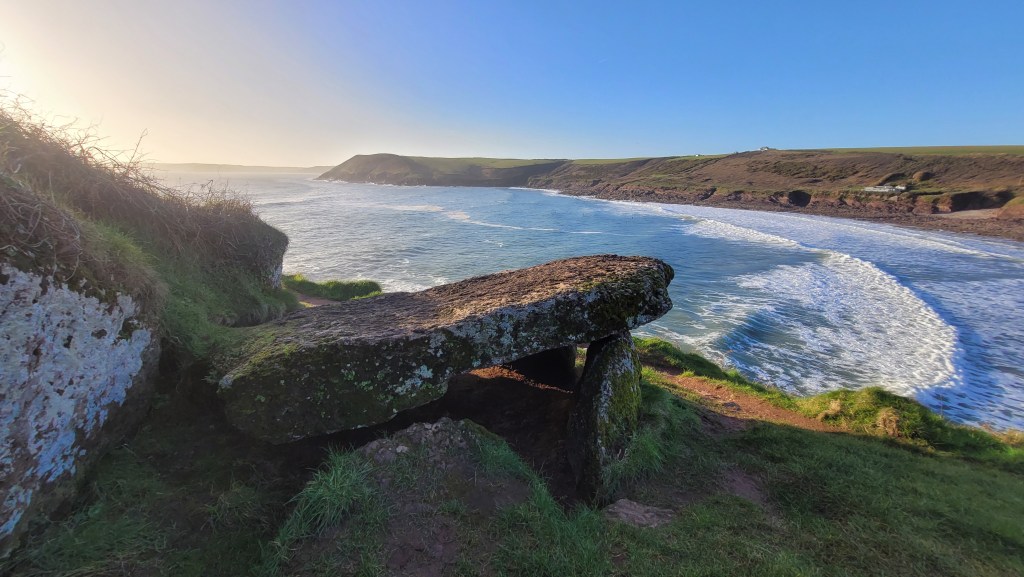
King’s Quoit Cromlech in Manorbier
The King’s Quoit, a Neolithic Cromlech overlooking the beautiful Manorbier Beach.. Just a short walk from a car park overlooking the sea. The capstone is a massive slab of maroon sandstone, raised upon two small uprights. As you walk across the sand towards the Coastal Path up the cliffs, you can look inland towards the…
-
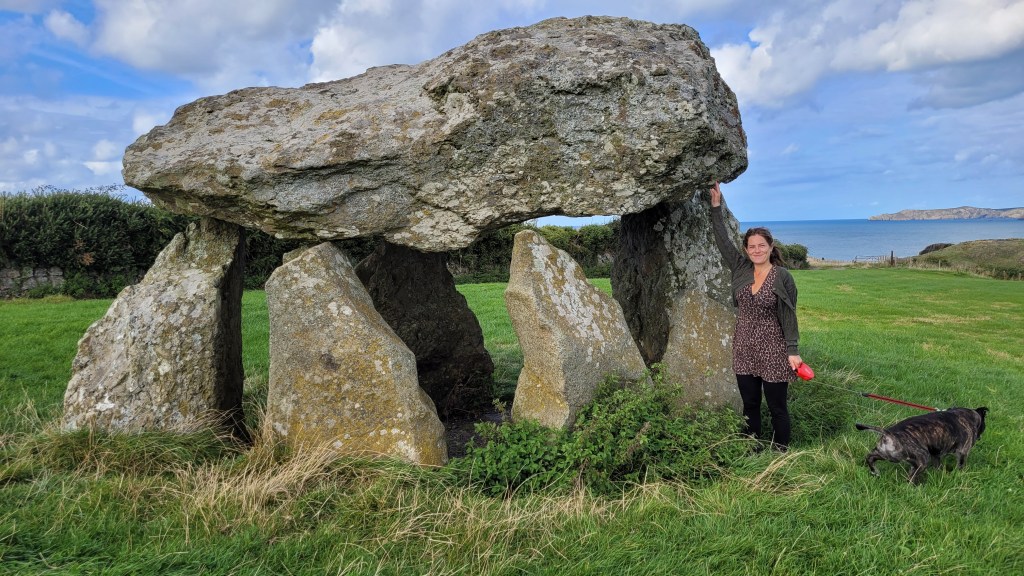
Carreg Samson – Pembrokeshire, Wales
This beautiful Cromlech sits in a field overlooking Abercastle Harbour and the Irish Sea. It’s fat, rounded capstone is perched on only three out of the six large upright stones. The structure is estimated to be around 5000 years old, dating back to the Neolithic Period. Early records of Carreg Samson & old images: The…
-
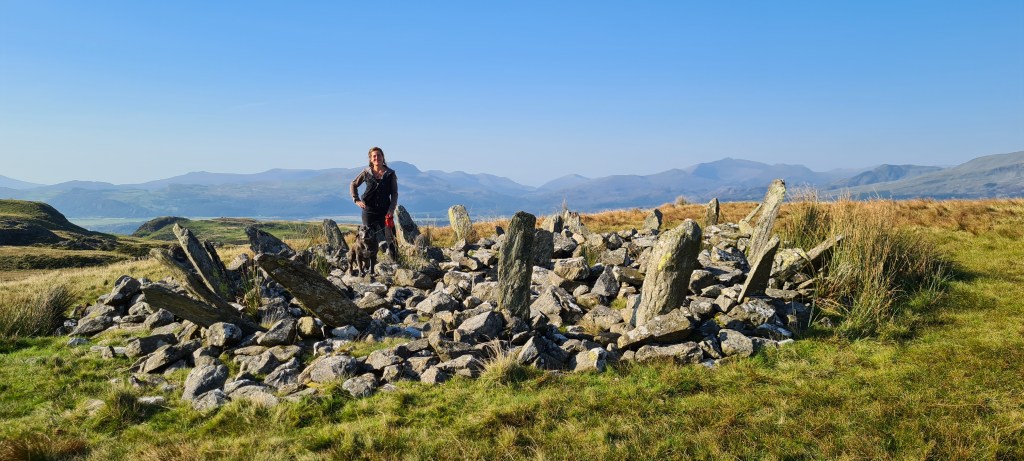
Bryn Cader Faner – Gwynedd, Wales
In this post we’ll be exploring the iconic Bronze Age Cairn.. Bryn Cader Faner. This is a stunning monument situated in Eryri (Snowdonia) National Park.. boasting spectacular views of the surrounding mountain landscape. Sadly, the structure has been badly damaged over the years.. From being pillaged by treasure hunters, used as target practice by the…
-
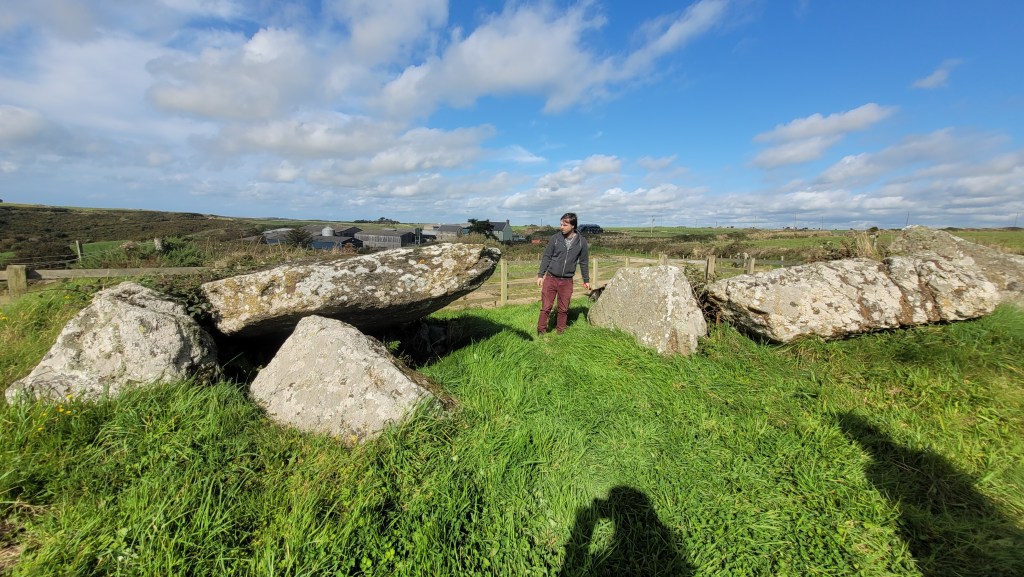
St Elvis – Pembrokeshire, Wales
Remains of a Neolithic ‘double cromlech’ near Solva.. About the site:The remains of two chambers can be discerned; on the W side is a large capstone measuring ca 3.3m x 2.4m x 0.7m which is supported on the S side by a stone 0.7m high and surrounded by several smaller stones, some partly buried. The…
-
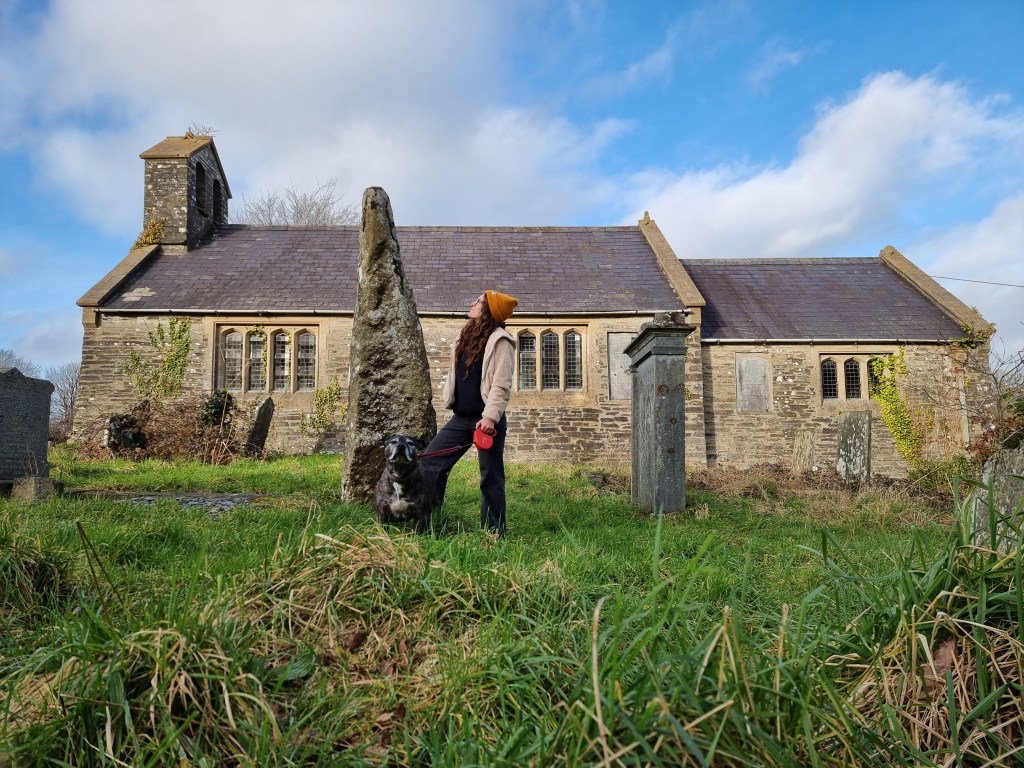
Nettasagri Ogham Stone – Bridell in Pembrokeshire, Wales
Within this churchyard is a 7ft tall spotted dolerite stone inscribed with 5th century Ogham markings as well as a cross, which was thought to have been added around the 9th or 10th centuries CE. A few people have also suggested there are prehistoric cup marks on one side of the stone. The Ogham is…
 CoralJackz - That History Couple