
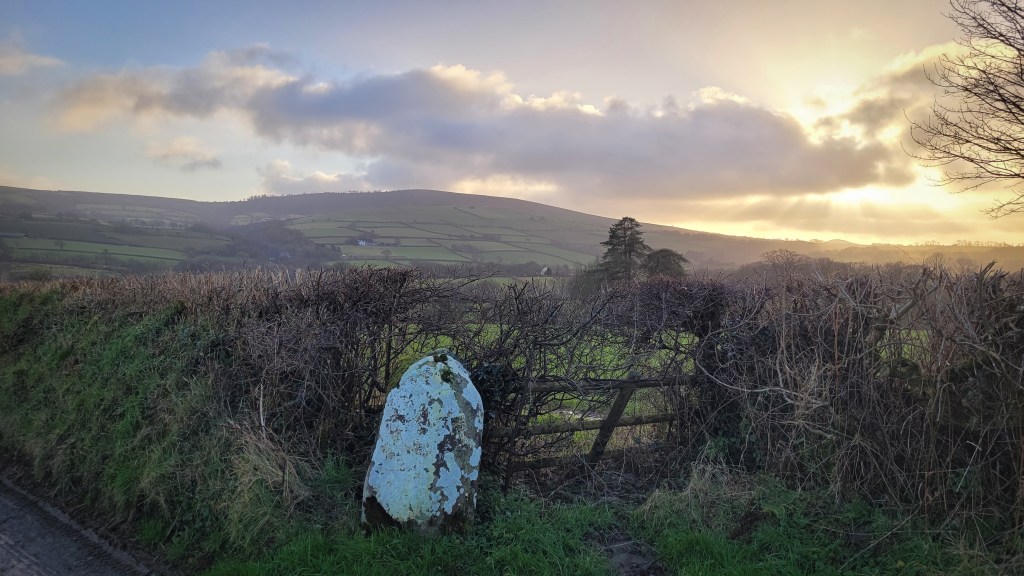

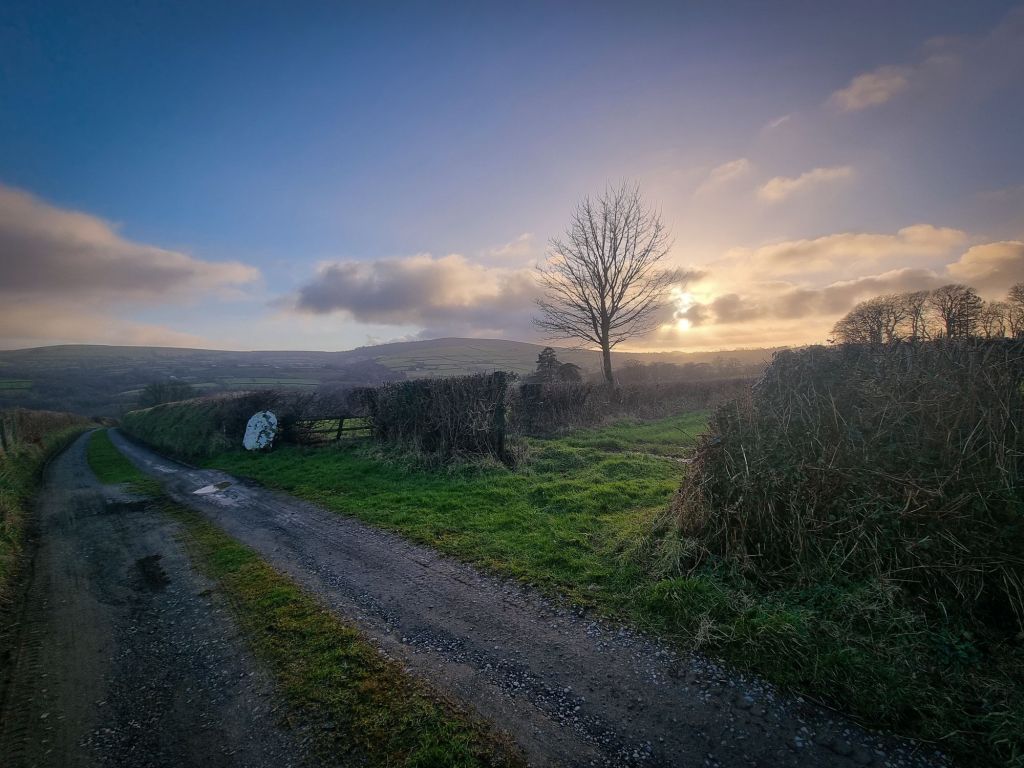
A few days ago we went for a little explore around Boncath in Pembrokeshire, Wales.. Starting at Maen Colman, or The Colman’s stone and following the public footpath to The Cilwendeg Shell House Hermitage.
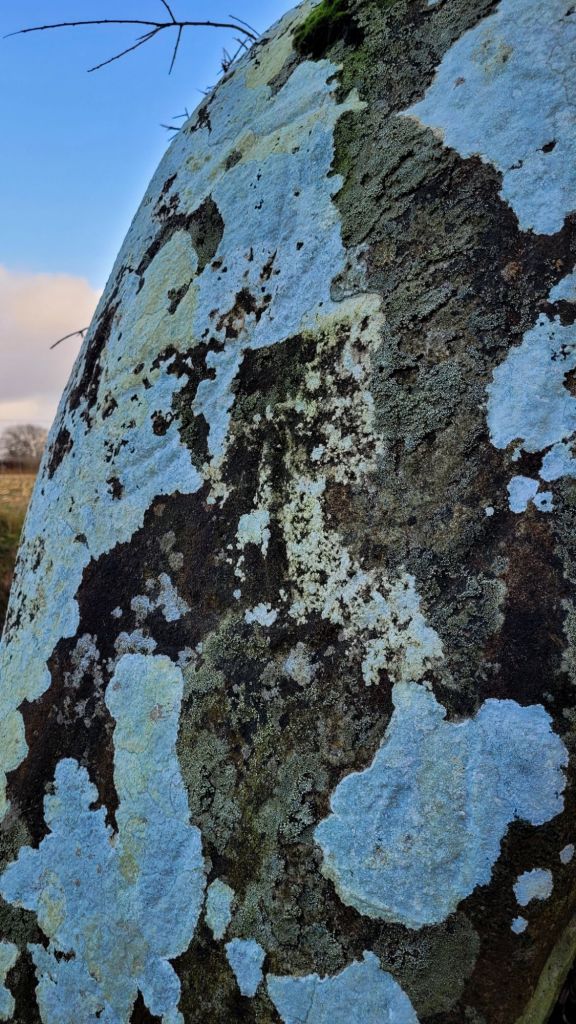
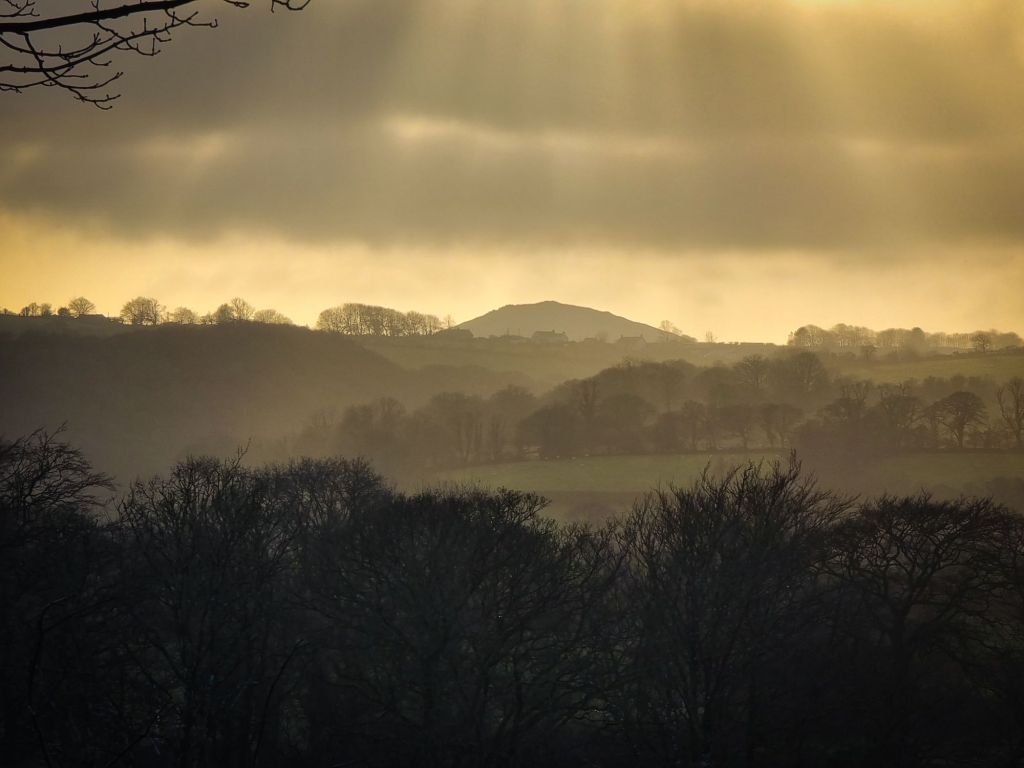
Maen Colman is a stone bearing multiple carvings, etched over different periods of time.. This boulder of dolerite sits on a public footpath next to St Colman’s Church with stunning views of Frenni and the distant Preseli Hills. Local tradition says this stone is Neolithic or Bronze Age in origin.. which was later Christianised.
The Colman Stone is situated on an ancient trackway.. The course and direction of the trackways in this area are marked with tumuli and prehistoric settlement sites.. Anne Eastham argues in her article ‘Sentinels of Time: Intentions in the Engraved and Standing Stone of Pembrokeshire’ that the later Christianisation of standing stones and dolmens is widespread when they are situated along well-established routes and paths. Her article is a great read: https://www.pembrokeshirehistoricalsociety.co.uk/sentinels-of-time-intentions-in-the-engraved-and-standing-stones-of-pembrokeshire/
The carvings are difficult to make out, so I have included some images from Anne’s article.
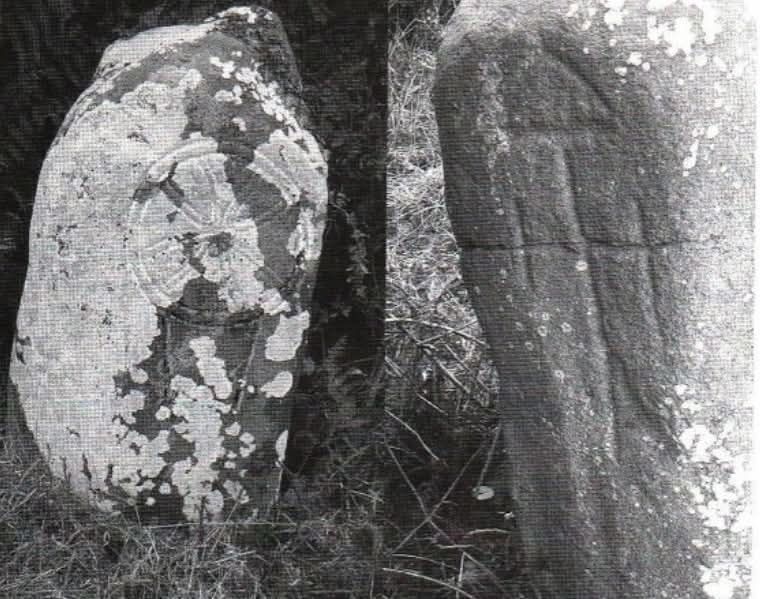
According to Coflein: “The stone is carved on three faces. Face A is carved with a compass-drawn cross-of-arcs within a double circular frame. It is carved in false relief delineated by broad, quite deeply punched, incised lines. Face C has a deeply incised linear Latin cross, whose upper cross-arm terminates in a triangular shape, while the horizontal cross-arms have vertical cross-bars. Both are thought to date to the later 7th or 8th century. Face D has a very lightly incised linear Latin cross, which is thought to be graffiti of later and uncertain date.”
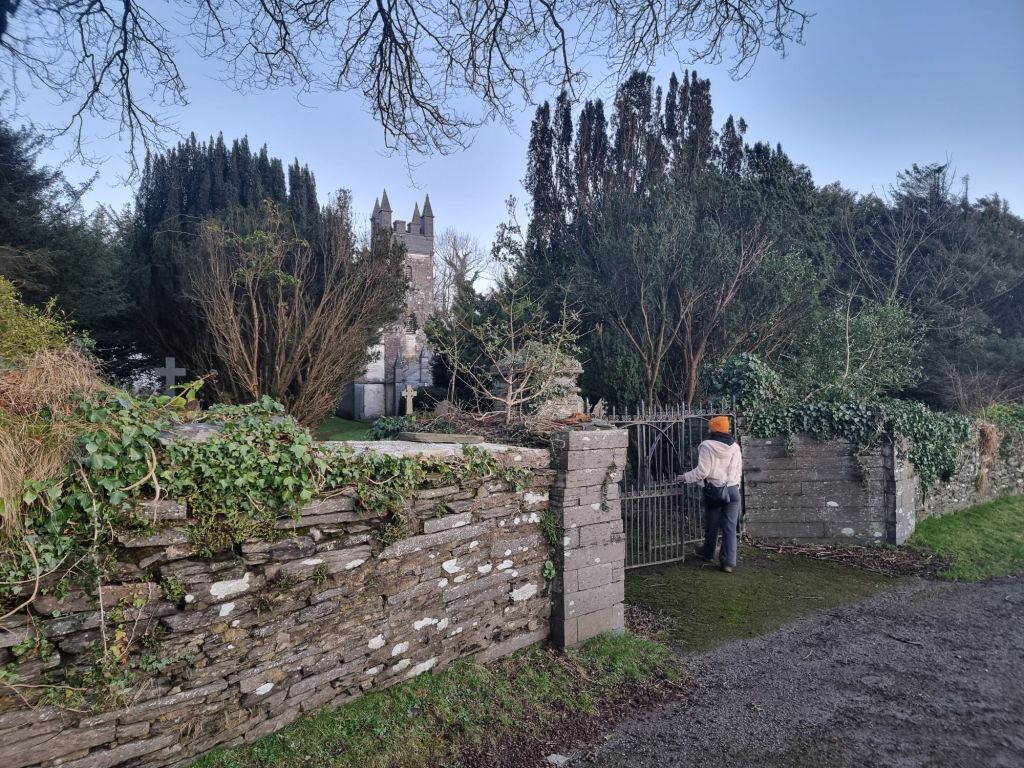
St Colman’s church itself is interesting.. The previous church built here is thought to have been early medieval but was rebuilt in the 1830s as part of the Cilwendeg estate and park. Cropmarks show two circles centred on the original church, which may have marked the boundary of consecrated ground for the original church site. Maen Colman is close to one of these circles.
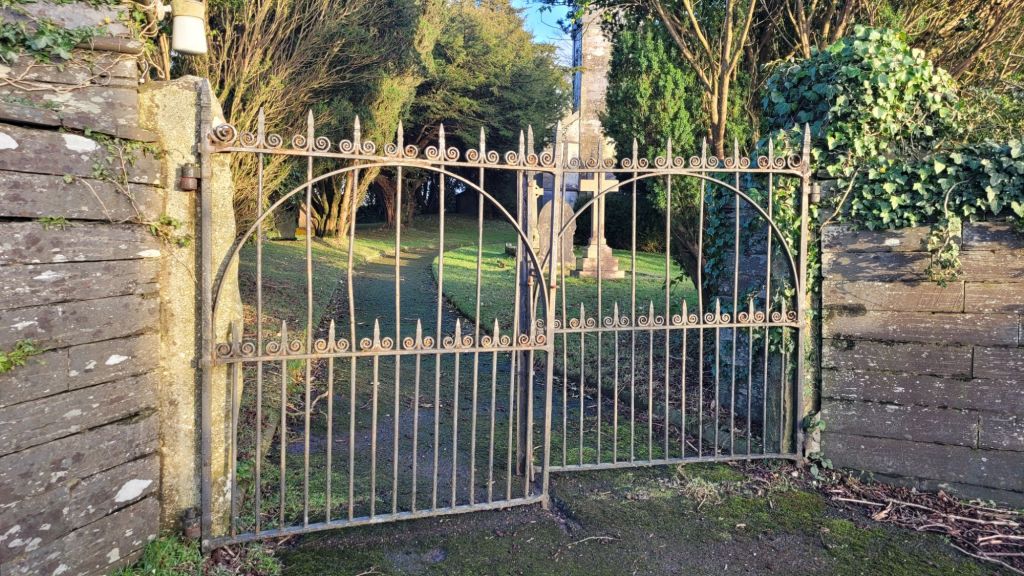
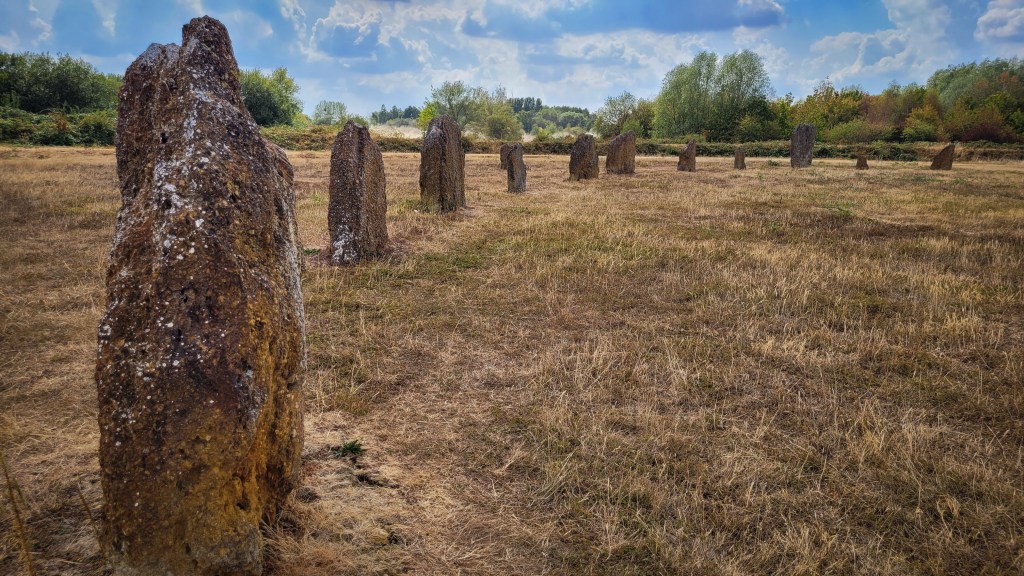
Old OS maps depict other stones nearby the churchyard.. We also noticed that the gateways to the church had large standing stones being used as gateposts.. With the more modern stone walling built around them.
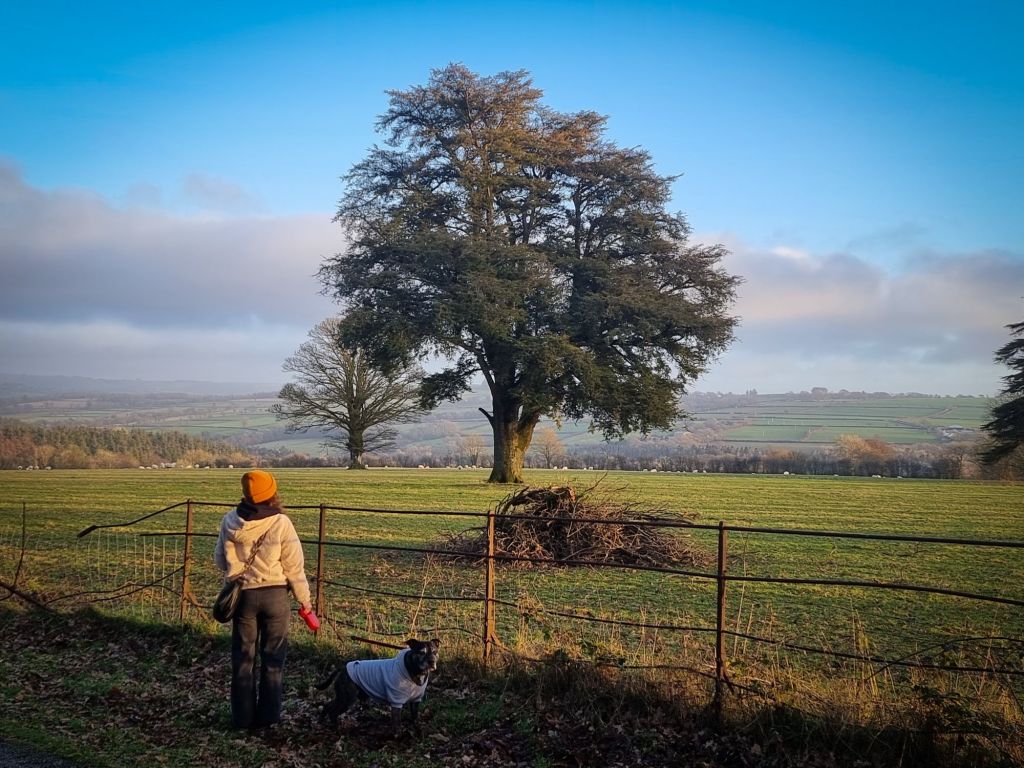
Following the footpath signs behind the church will take you to The Cilwendeg Shell House Hermitage..
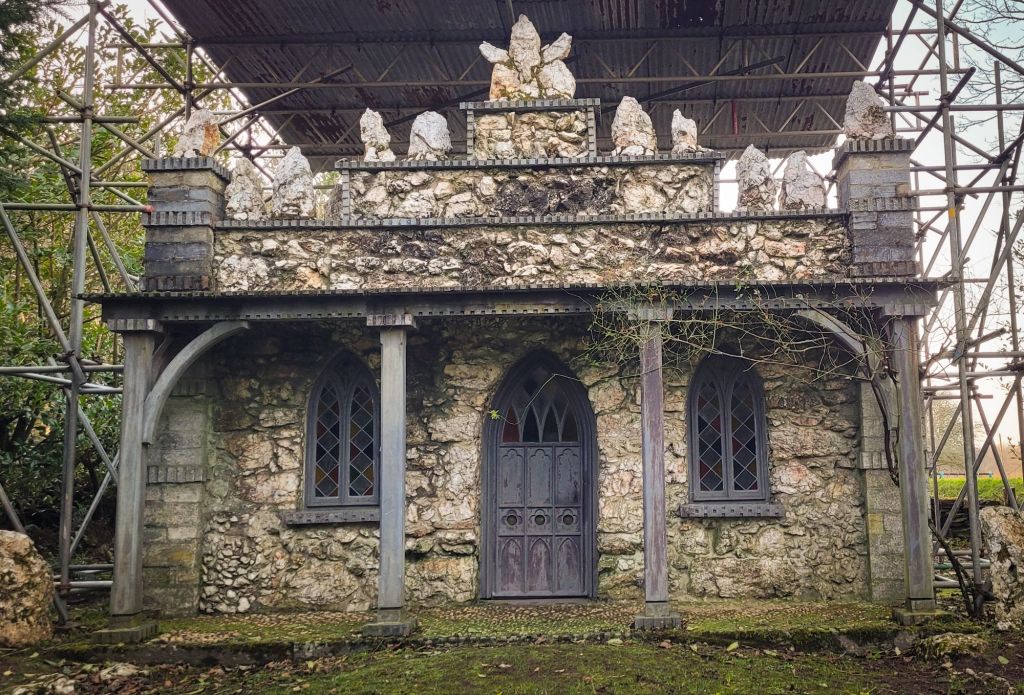
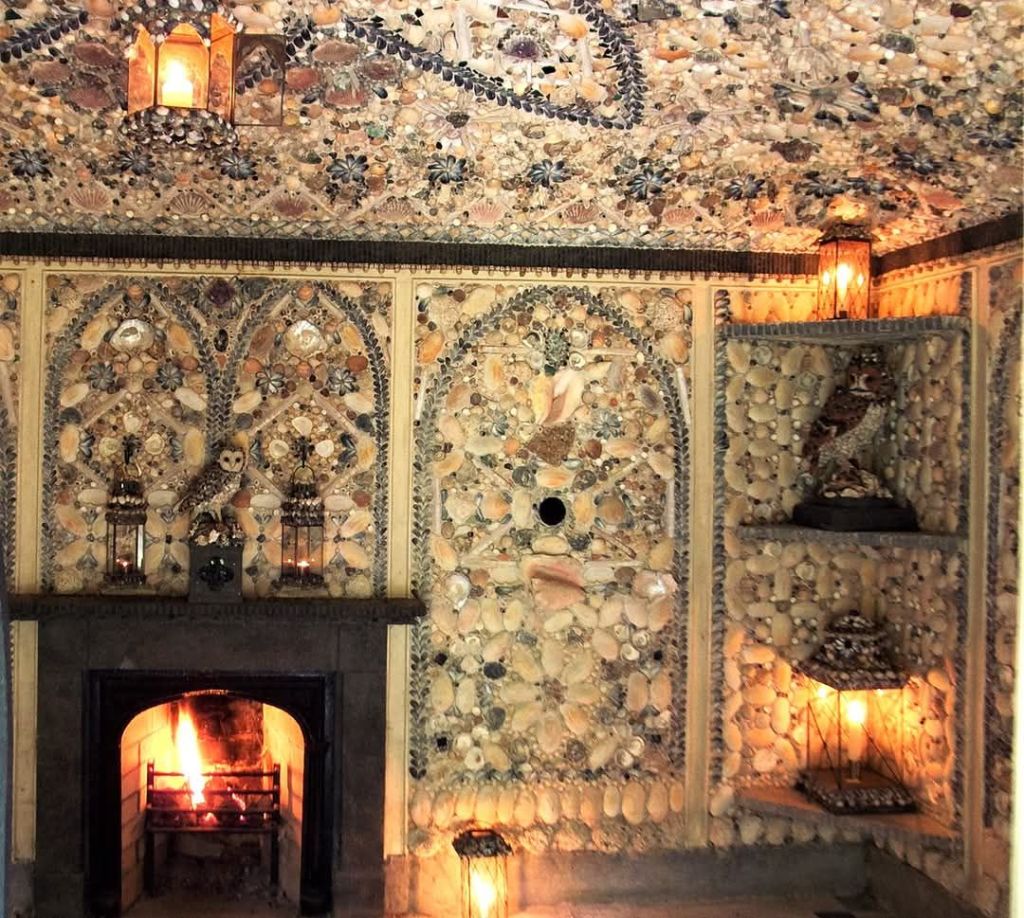
An ornamental grotto built in the 1820 by Morgan Jones who inherited the estate upon the death of his uncle. The Shell House was created in honor of his uncle. In 2003 the Temple Trust discovered the Shell House hidden within the vastly overgrown woodland. The outside is faced with quartz.. Its interior was lined with shells impressed into the plaster while the floor was patterned in horses teeth and vertebrae. Extensive repairs have been undertaken since and the building currently has a protective cover.
Unfortunately, the house wasn’t open so I’ve included an image of the inside from the shell house official website.


Leave a comment