
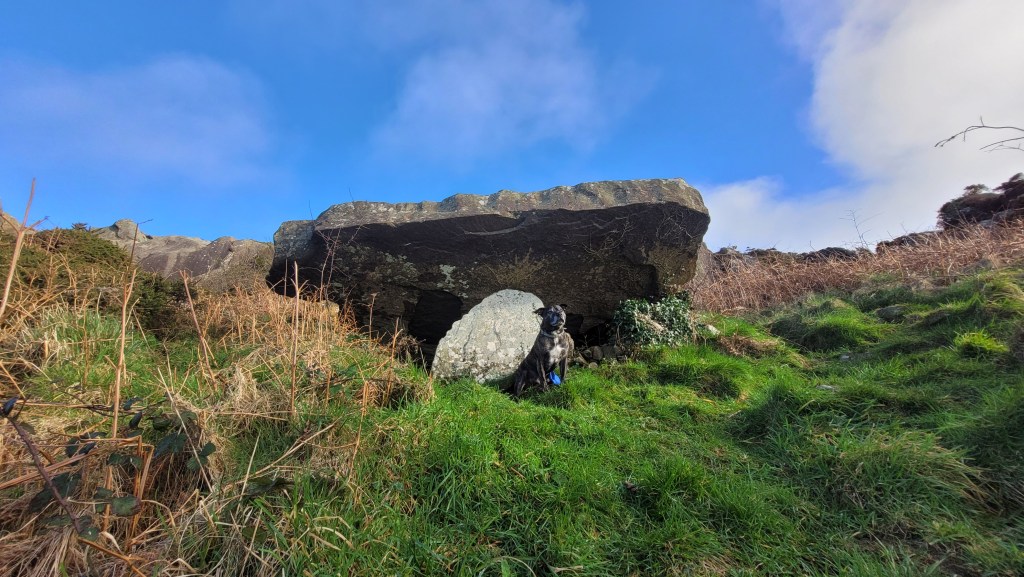

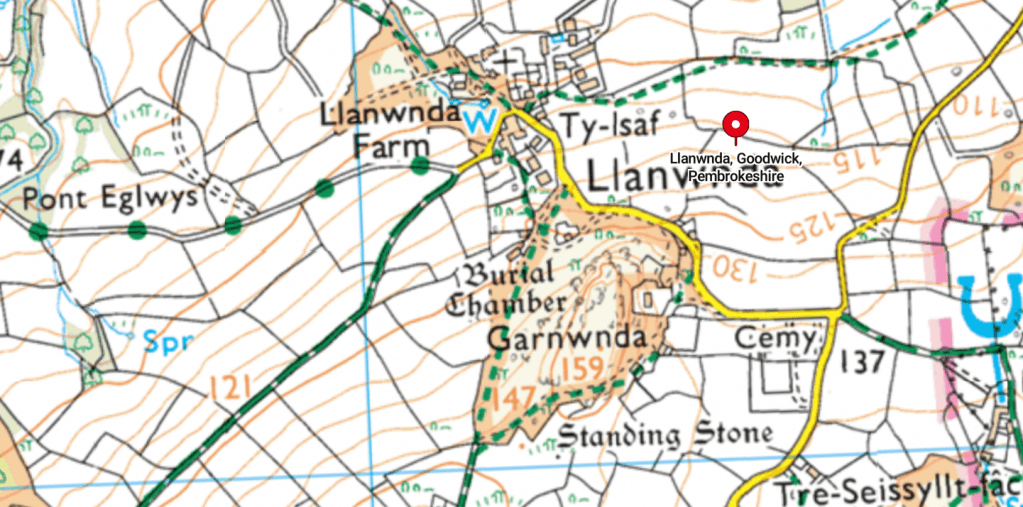
On a rocky outcrop overlooking the village of Llanwnda in Pembrokeshire is Garn Wnda.
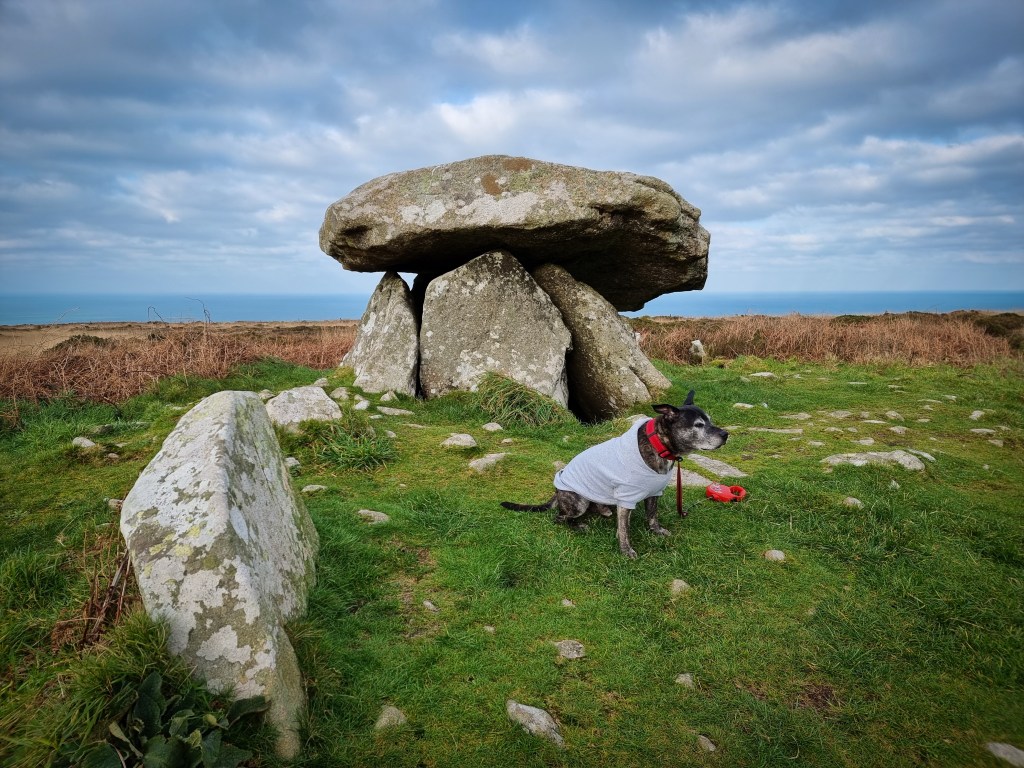
Similar to other sites dotted about this headland, Garn Wnda is classified as an “earth fast” chambered monument, in that it is comprised of a large stone slab or capstone propped up by a single stone upright, with the southern end of the capstone resting on the earth, thus forming a chamber. The chamber encloses a deep, rock cut depression and was most likely never covered by a mound.
Portal dolmens such as Pentre Ifan tend to be early Neolithic in date (4000-3300bc) but earth fast monuments such as this are dated to the late neolithic (3000-2500bc) and are thought to represent a shift in construction styles.
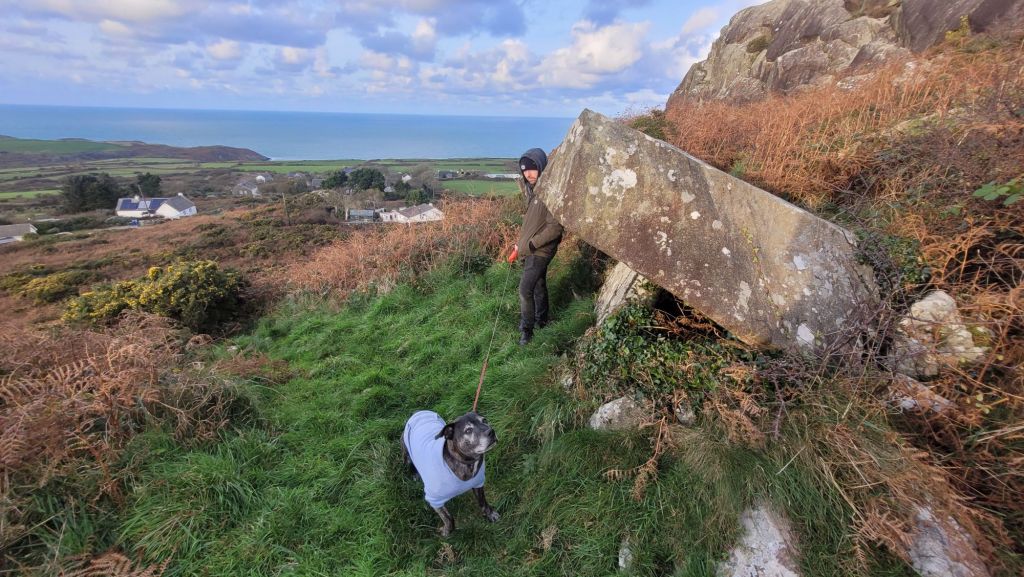
The following is from ‘A Historical Tour Through Pembrokeshire’, written by Richard Fenton, published in 1810:
“Proceed to the village of Llanwnda, in which the parish church is situated, where, on the verge of the rocky eminence just above it, stands a Cromlech, resting obliquely on one stone about five feet high from the ground, whose dimensions are fifteen feet by nine, nearly of an equal thickness of two feet, and uncommonly smooth for so large an unhewn slab of such coarse kind of stone. On a ledge of rock a little higher, behind it appears a detached mass of stone of a most grotesque appearance, as if art had been made use of to add to the wildness of nature; so that, on approaching the Cromlech, it very forcibly arrests the attention, and inclines one to suppose that it might have been, from its singular form and position, meant for an object of idolatry.

..It is generally observed, that Cromlechs and other relics of druidical worship are often found in the neighbourhood of Christian churches, which were purposely built there to purge the idolatry; or for the reason that influenced the first missionaries in Ireland, who, in order to prevail in greater points, were forced to comply with some of the druidical superstitions ; and instead of abolishing them entirely, thought it best to give them only a Christian term, for not being able to withdraw them from paying adoration to erected stones, they cut crosses on them, and raised temples to the Living God near the scene of their idolatrous worship.” –https://openlibrary.org/works/OL17685374W/A_historical_tour_through_Pembrokeshire?edition=key%3A/books/OL6920332M
Garn Wnda was excavated by Richard Fenton’s son, John Fenton in 1848:
“The superincumbent stone has evidently been moved forward from its original position; and the principal supporting pillar to the north, and the only one upon which it now rests, in front, is much further in than at firsts while the end of the upper stone to the south, has, in consequence, declined so as to touch the smaller stones which originally encircled the cistvaen, and which probably were not the old supporters.
I attribute this alteration to the cromlech having been at some former period dug into for the sake of exploring the recess underneath, — which circumstance led me also to be cautious in making any deeper search; but from the quantity of red and black ashes mixed with portions of what seemed to be decomposed burnt bones and small fragments of very rude pottery, which I found at the time in the hollow below, I felt no hesitation in forming a conclusion that it had been a place of interment.
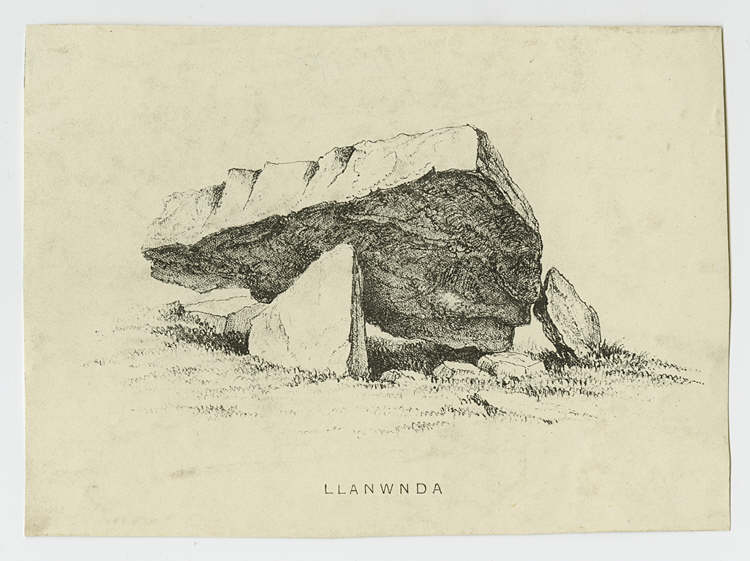
The upper side of the incumbent stone is free from all marks of fire, so as to render it doubtful whether it had ever, subsequently, been used for sacrificial purposes. Many displaced large stones are scattered about, some of which probably might have been supporters to the cromlech when first erected; and to the south, nearer the main rock, from which no doubt these were detached portions, there lies one, of dimensions nearly equal to that of the cromlech itself, ready as it were to have been appropriated to a similar purpose.
There is a curious looking stone upon the summit of the ledge of rock to the south east of the cromlech, and overlooking it, which with a little imagination might be converted into a rock idol, and has every appearance of having been placed in its present singular position. It seems quite detached from the main rock, and is seen in the accompanying sketch, which is a view of the cromlech looking south east.
It may be observed that this transition from the use of places for sepulture to that for sacrificial purposes, is to be accounted for inasmuch as it is a received opinion that the graves of heroes, and chief priests of antiquity, were ever held sacred and resorted to upon high occasions: whence also, in process of time, the subjects of such commemoration became, in the ages of superstition, deified, and might have given rise among the Druids to altar worship. The relic in question is rather interesting, because it proves the fact that churches were frequently founded where such remains existed, probably with a view to do away with the old pagan rites by substituting, upon the same spot, a monument of Christian worship.” – John Fenton. July 24th, 1848 – https://archive.org/details/archaeologiacam06powegoog/page/n320/mode/2up?q=llanwnda
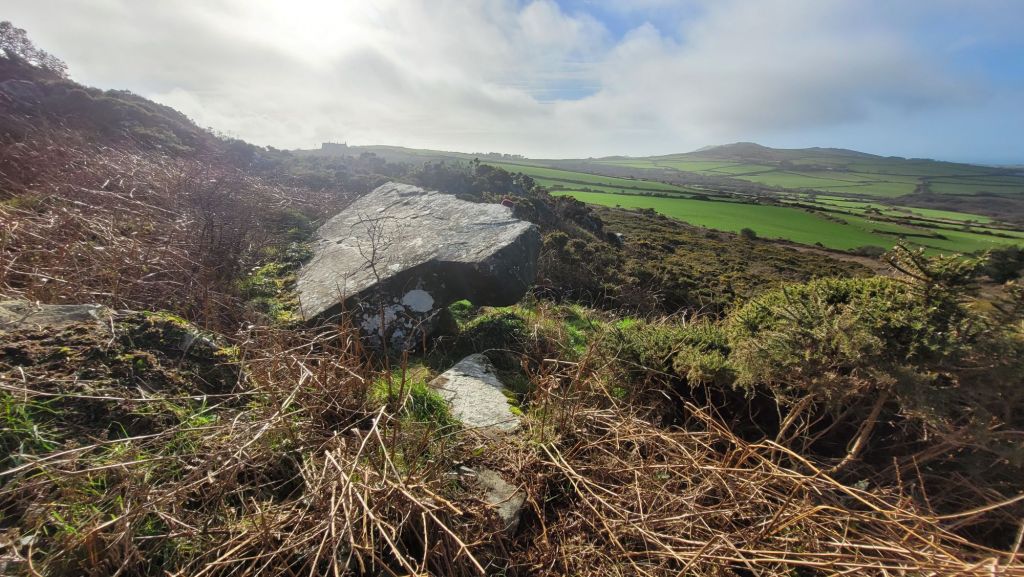
By 1883 the finds by John Fenton were being described as “an urn and bones” while the PAS records that “a small urn containing calcined bones was discovered…it was of coarse manufacture and crumbled to pieces”.
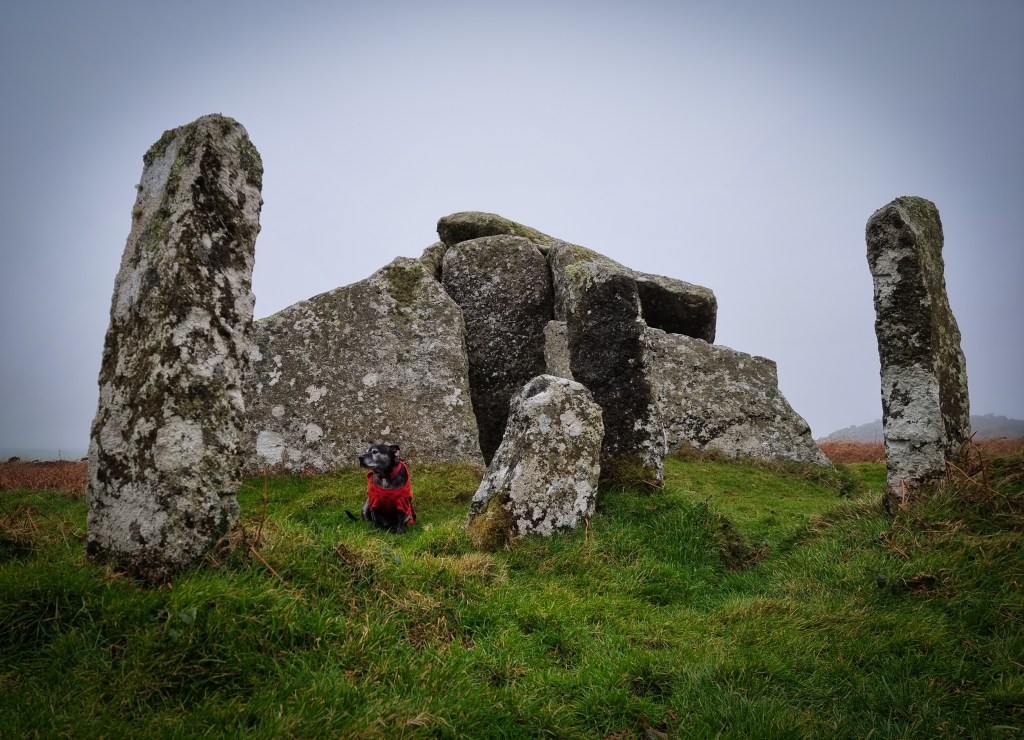
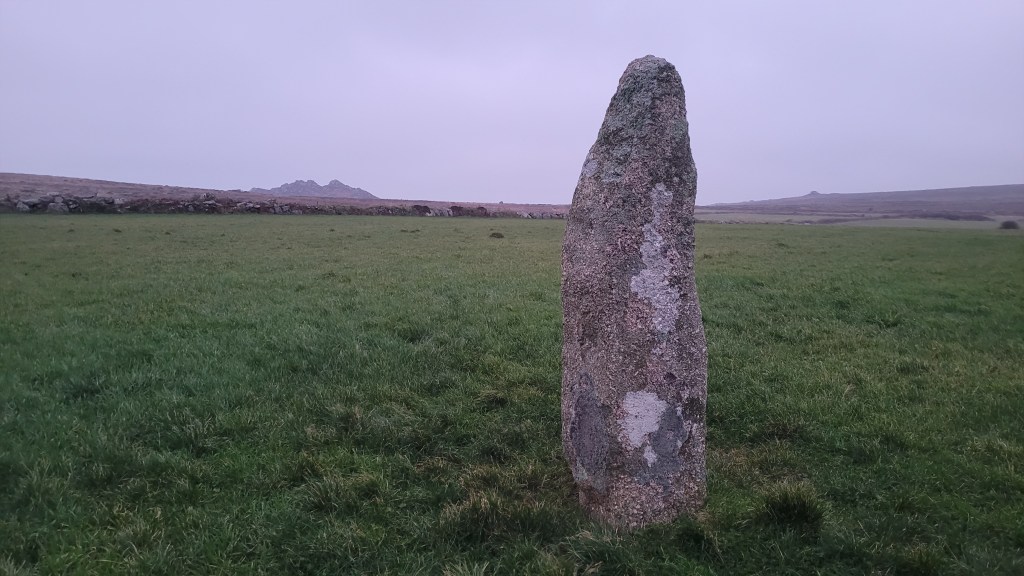
This is an area full of history. Near the village is Carreg Wastad, where French Troops landed in The Battle of Fishguard in 1797. The church in the village is said to be where some soldiers raided.. There are also other neolithic sites nearby. If you are up for a walk to see all these sites, we’ll follow this up with a post covering the walk we did. Here is the video we made covering these sites!
 CoralJackz - That History Couple
Leave a comment