
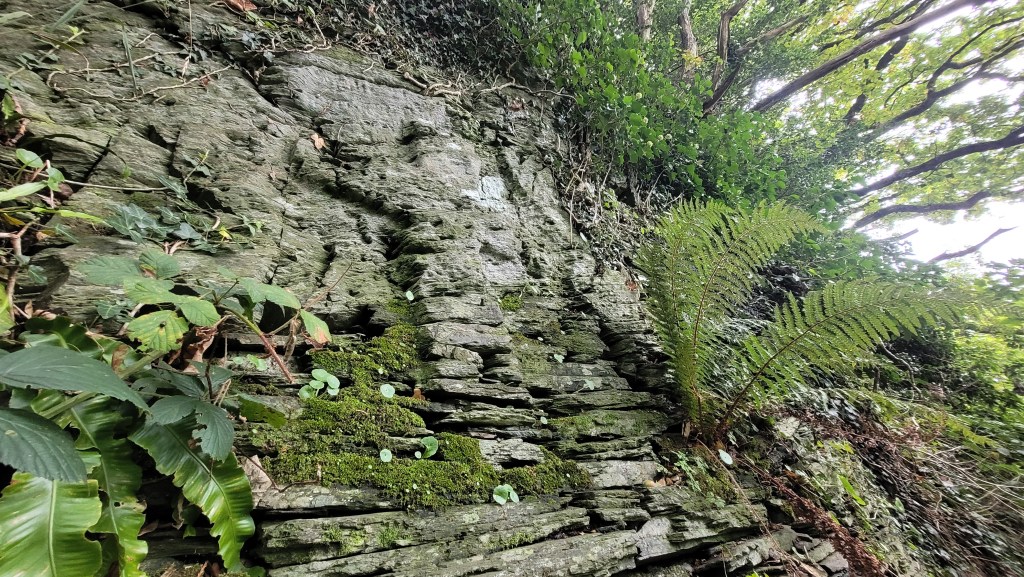

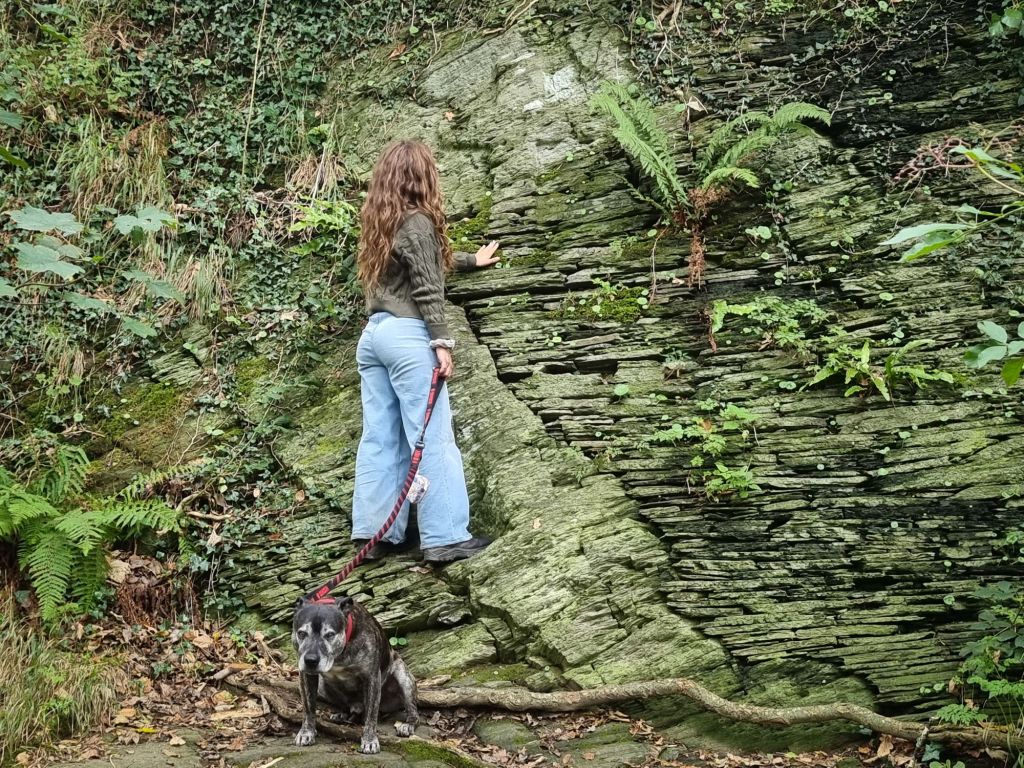
The village of Nevern (Nanhyfer) in Pembrokeshire, Wales is steeped in history and legends. Carved directly into the rock face high above the village, the Pilgrim’s Cross is believed to date back to the early medieval period, when Nevern seems to have been an incredibly important spiritual place.
In the medieval period, pilgrimage was a central part of religious life. Pilgrims traveled to holy sites seeking healing, forgiveness of sins, or spiritual blessing. Churches and monasteries along pilgrimage routes benefitted greatly from this practice. Pilgrims would donate money, buy food and lodging locally, or leave offerings at shrines. These contributions could support the upkeep of the church and enhance its prestige as a spiritual destination.

St. Brynach’s church was positioned on one of the main pilgrimage routes to St. David’s Cathedral, at that time the most important pilgrimage site in Wales. Pope Calixtus II in the 12th century declared that two pilgrimages to St. David’s were equal to one journey to Rome.. Making this a very sought after destination.
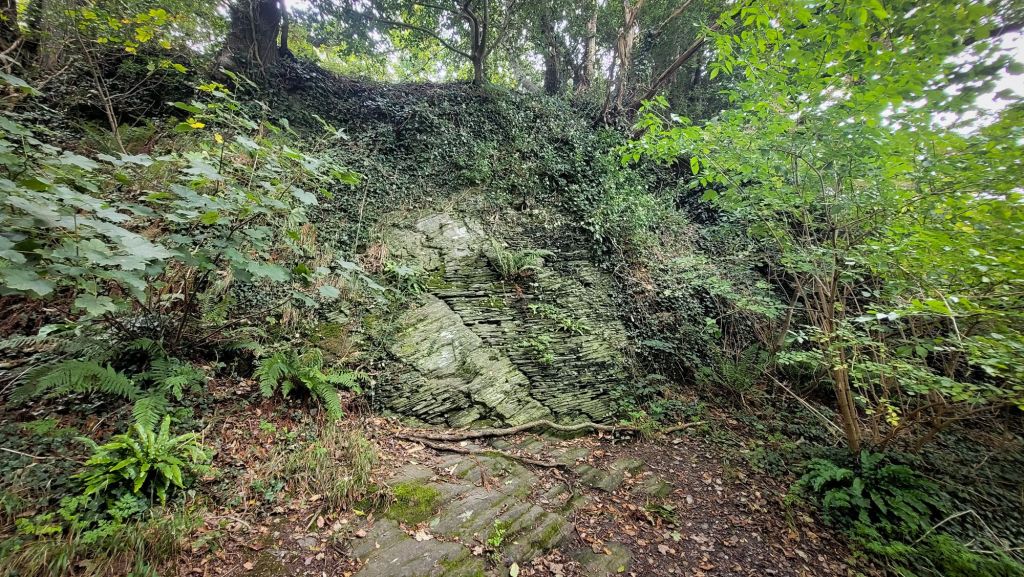
Carved into a rock face near the church is a cross. On their journey, pilgrims would stop at The Pilgrim’s Cross at Nevern to pray and rest. Many argue that this site would have held significance prior to the popularity of the St. David’s Pilgrmage, however.
There appears to be a sort of hollow kneeling-place at the bottom of the cross. It is here that legend says that pilgrims would pray for a vision of the ‘One True Cross’. According to Christian tradition, this is the real cross on which Jesus of Nazareth was crucified.
Some have argued that Helena travelled to Nevern in Wales where she hid the True Cross. Names of local places are abundant with cross imagery, including “River of the Empress,” “Mountain of the Cross,” “Pass of the Cross” and others.
Alan Wilson and Baram Blackett’s research is published in the 1998 book ‘The Holy Kingdom’ . In the book, it is suggestsed that the True Cross or at least a fragment of it was brought to west Wales and its final destination is recorded in the kings lists drawn up for the wedding of Owen son of Hywel Dda the great Welsh king of the 10th Century. They are part of the Harleian 3859 collection of manuscripts written about 920 AD and they say that the Cross was in Dyfed south west Wales. Pilgrims were said to pray at the cross and hope for a vision of the True Cross.
To read the book in full: https://archive.org/details/holykingdom0000gilb/page/192/mode/1up?q=nevern
Following publication of The Holy Kingdom, there was a resurgence of interest in the site and people began removing stones to see what lay behind. According to online sources, it was possible to see a second wall a few feet back. These holes were later filled in by CADW. But, some say there is a tunnel that leads to the nearby castle..
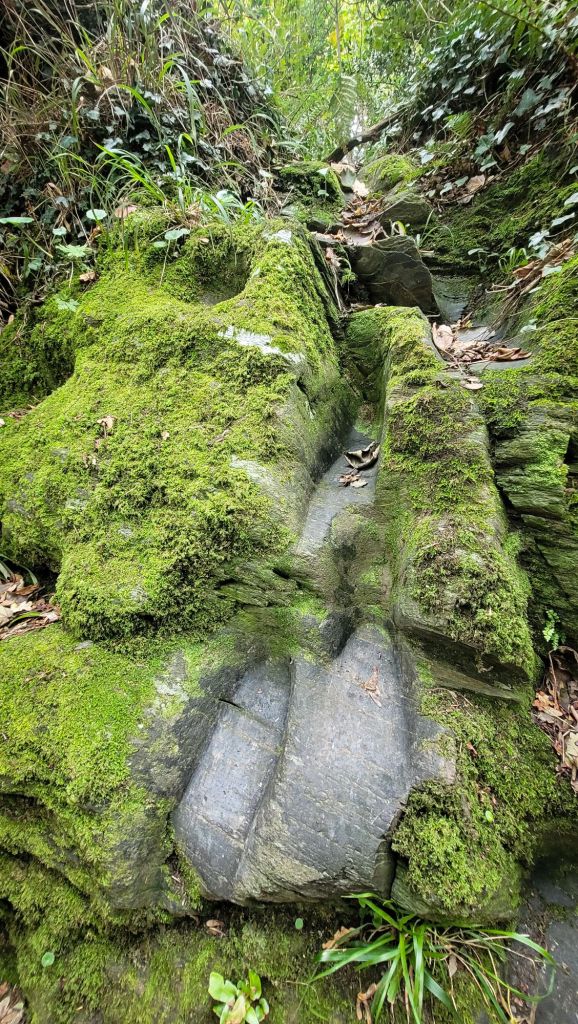
A few meters up the path from the cross is the ‘Pilgrims Footprints’.. Foot shaped indentations said to be from the thousands of pilgrims who would walk this path..
 CoralJackz - That History Couple
Leave a comment